
European Interior Doors
Shop modern European interior doors for clean-lined, contemporary rooms, with product examples spanning restrained solid faces, linear details, glass inserts, prefinished surfaces, and several modern operating and frame presentations.
Compare these doors by opening movement, prepared-space fit, glazing, nearby finishes, face design, and frame presentation. The selection helps you move from a preferred look to a suitable product family, then review the exact configuration, dimensions, finish, glazing, and frame specifications before choosing a product for the specific project and opening.

Why choose European Interior Doors?
Opening system and configuration
Start with the access needed through the opening and the available swing area, wall area, floor clearance, and wall-cavity conditions. Documented examples include bifold, Magic Sliding, frameless, single-door, and double-door configurations, but not every design is available in every combination.
Bifold panels stack at the side, pocket doors depend on an unobstructed wall cavity, and wall-mounted sliding systems need clear adjacent wall space. Confirm the preferred design in the exact system and configuration required.
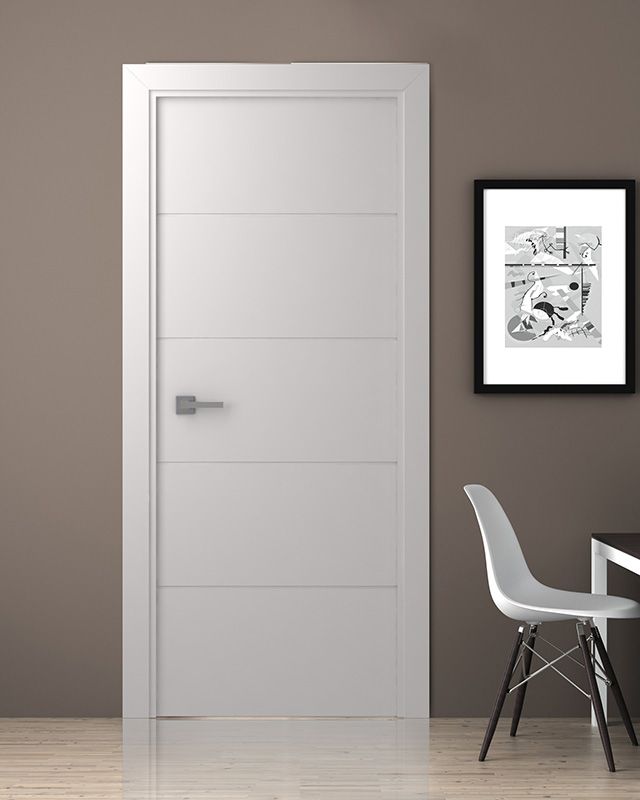
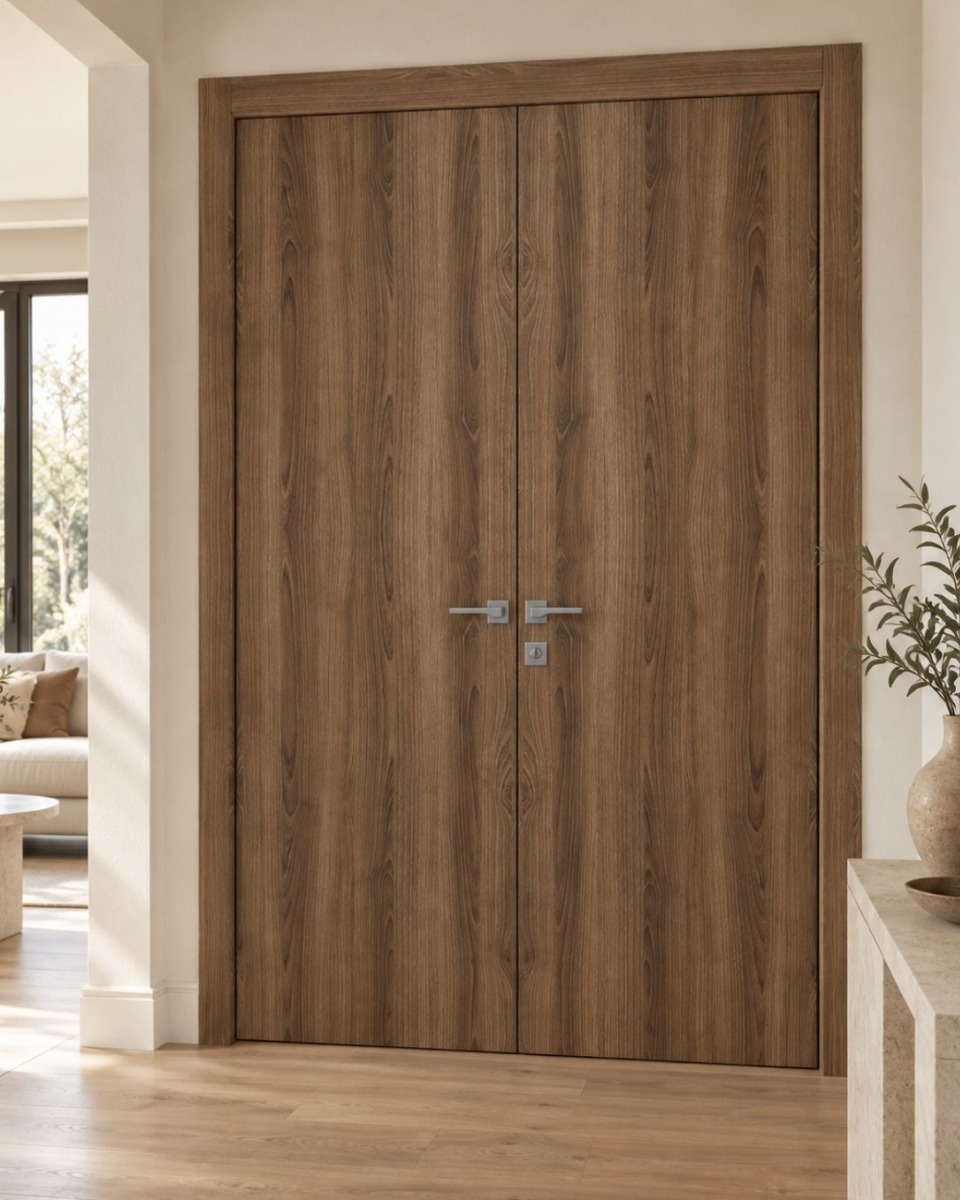
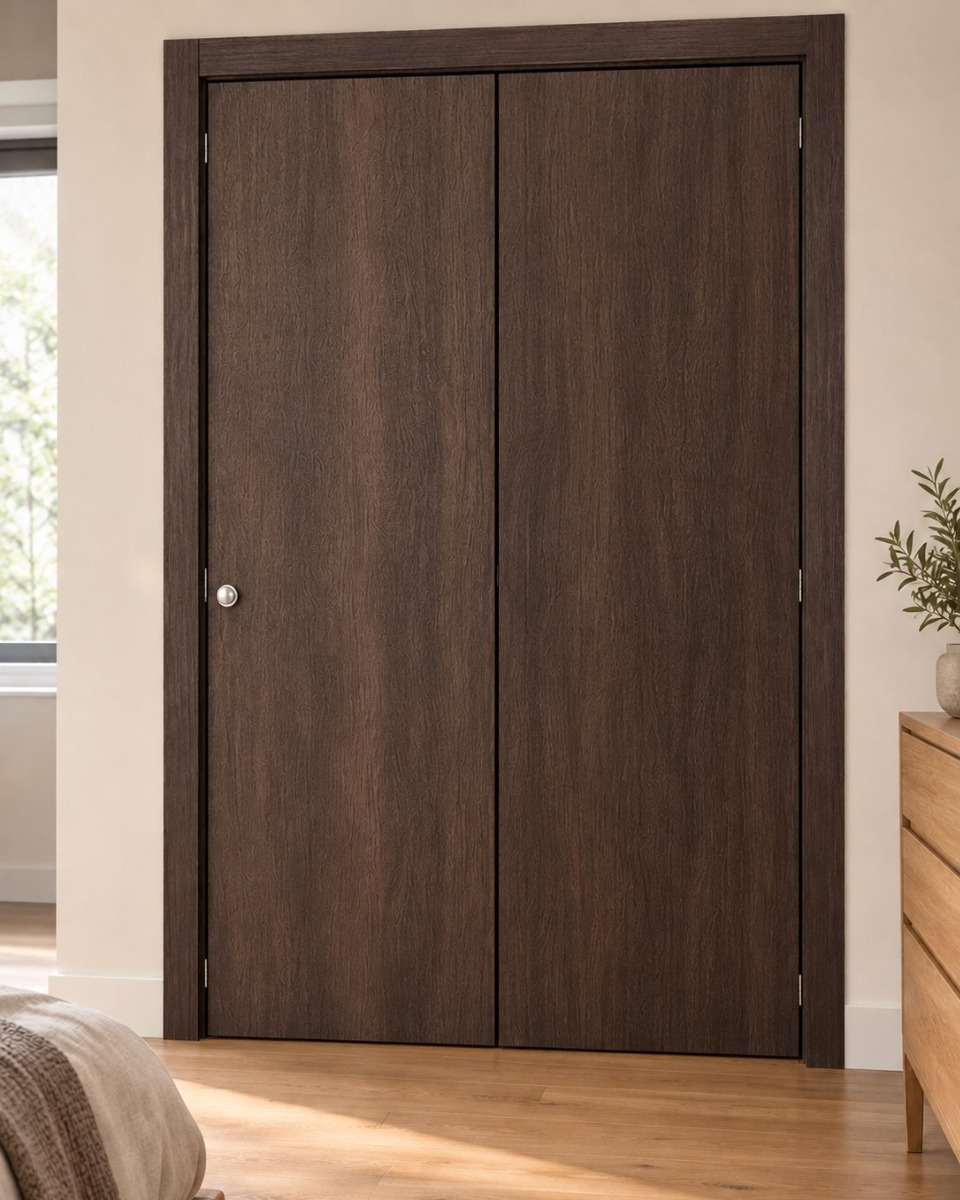
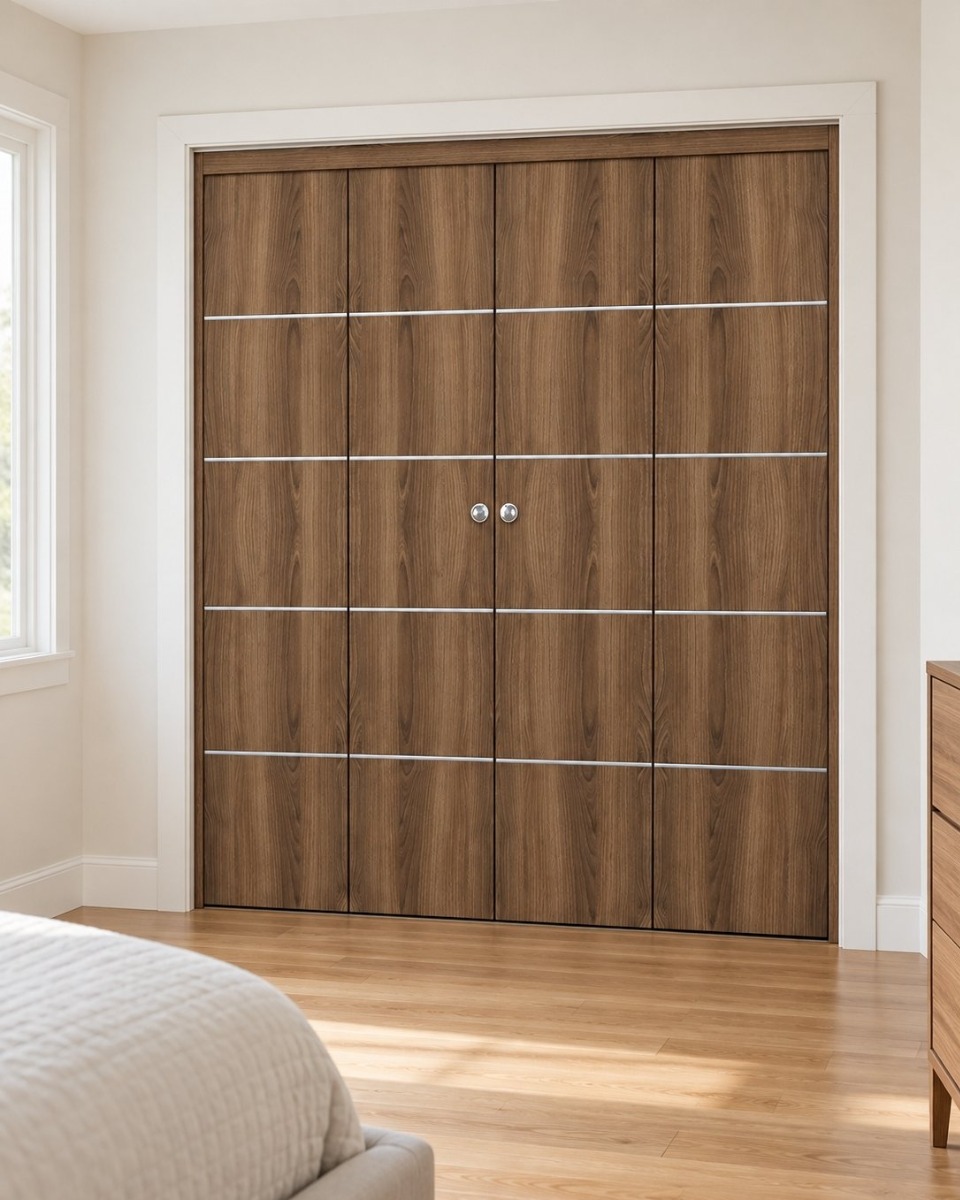
Door and unit size
Treat slab, complete unit, and rough-opening dimensions as separate measurements. The slab excludes the frame and hardware, the complete unit measures to the outside of the frame, and the rough opening is the opening in the wall.
Product records commonly list slab and unit dimensions separately, illustrating why nominal slab size alone cannot confirm compatibility. Compare verified opening measurements with the selected product's slab, unit, and applicable rough-opening guidance before ordering.
Glass or solid design
Choose a solid design when visual separation is the priority, or consider a glass design when a glazed element supports the room goal. Product examples include both solid and glass designs, but this does not establish that every design is sold both ways.
The Clear and Privacy collection within this category includes frosted glass options alongside clear and other glazed treatments, so the exact texture, imagery, and panel layout should still be reviewed on the individual product. Use glass labels as a starting point, not as a universal privacy rating.

Finish and color family
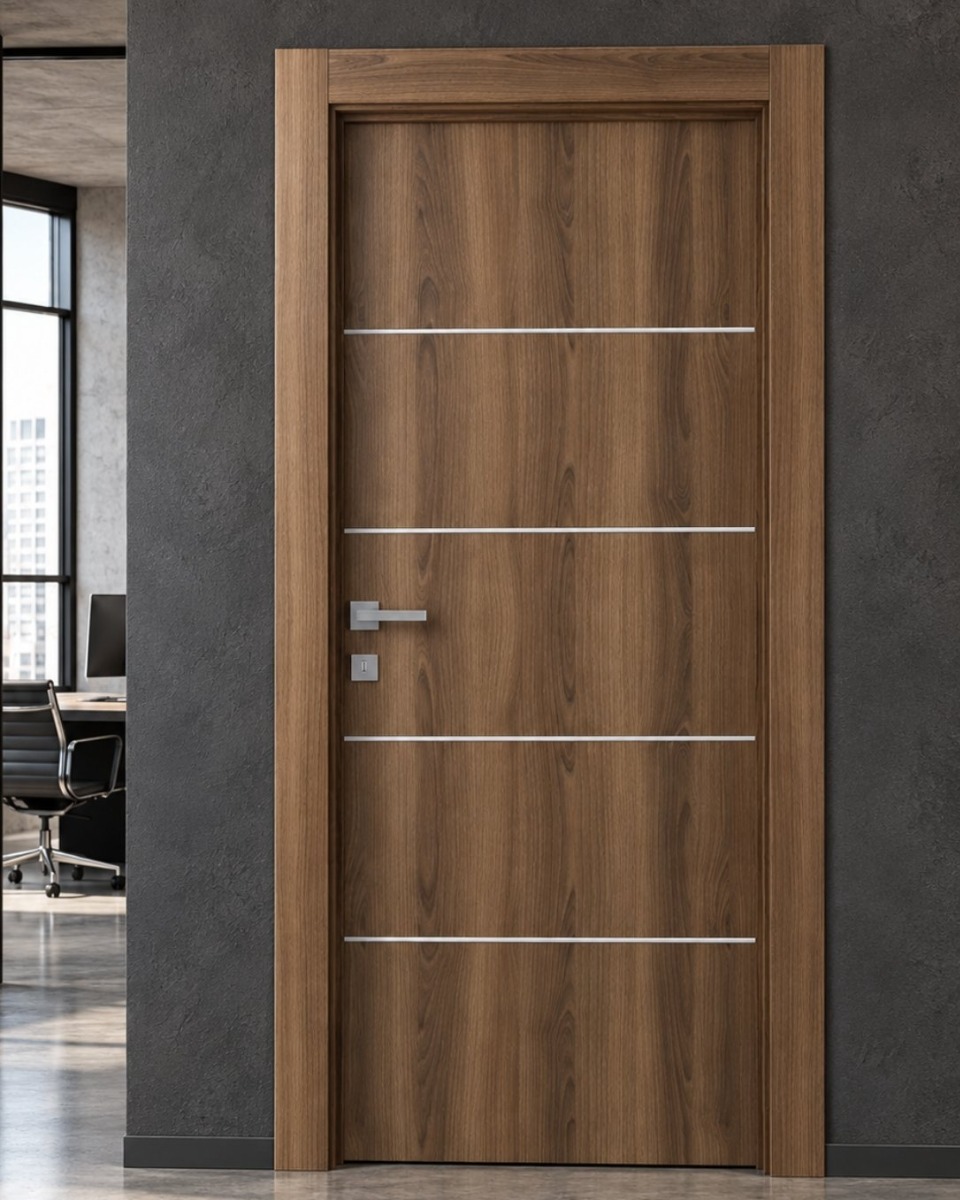
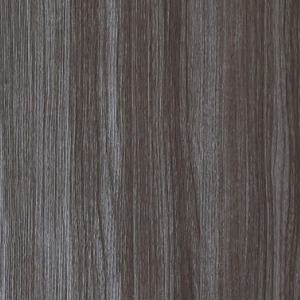
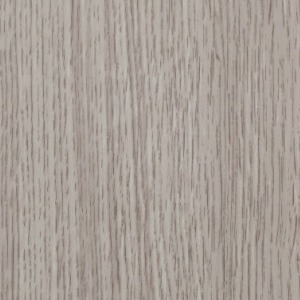
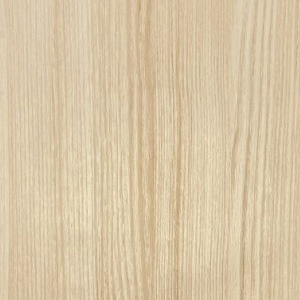
Choose the finish family by looking at the floors, walls, cabinetry, trim, hardware, and nearby doors that will remain in the room. The documented finish range includes warm wood-look, light neutral, and contrasting-detail combinations rather than one uniform category finish.
A wood-look surface may connect with warmer materials, while a light neutral or black-accented face can create a different relationship with surrounding elements. Confirm the named finish and current availability on the product, and consider a sample when color accuracy matters because screens and samples may differ from the final product.



Door face and glass layout
Decide whether the door should recede into the room or act as a stronger design feature. Examples range from a solid face without added designer elements to faces with black aluminum strips or a frosted glass insert.
Minimal detailing supports quieter visual continuity, while contrasting strips or glazing adds stronger linework and focal interest. Review the exact selected size and configuration before deciding, since representative imagery may show one size and the apparent proportions can change in another.
Visible or concealed frame
Choose a visible frame when casing should define the opening, or a concealed-frame product when a flush wall-to-door transition suits the plan. One concealed-frame product uses an adjustable split-type concealed steel frame, making concealed framing a distinct product system rather than a finish choice.
Conventional and concealed examples list different frame specifications, so their dimensions are product-specific rather than category standards. Confirm the selected frame specification against the prepared opening and project plan.
Selection Support
Need help narrowing the choice?
Contact US Door & More after identifying the preferred system, dimensions, glass or solid design, finish, face layout, and frame presentation.
Contact Us →FAQ
No. The category is supported by examples with contemporary prefinished slabs, solid or detailed faces, glass inserts, and several coordinated opening or frame systems. That evidence describes observable product traits, not a shared manufacturing country, material, certification, craftsmanship standard, or performance level. Evaluate the exact product rather than treating the word European as an origin statement or quality claim.
No. Examples include several operating systems and single, double, or folding configurations, but they do not establish every design and system combination. After choosing a preferred operating behavior, check the individual product record to confirm that the design is offered in the exact system and configuration needed before purchase.
No. The collection includes both solid and glass products, and the Clear and Privacy collection includes frosted glass options alongside clear glazing. That does not establish frosting or a single privacy level across the category. Review the exact product's glass description, texture, imagery, and panel layout before deciding whether it suits the room.
Not necessarily. Product imagery may represent one size, while strips, panels, or glass can appear differently proportioned in smaller, larger, or alternate configurations. Review imagery and specifications for the size and configuration you plan to order instead of assuming one representative image depicts every version exactly.
No. One concealed-frame product uses an adjustable split-type concealed frame made from galvanized steel, while conventional and concealed examples list different frame specifications. The construction, dimensions, and preparation requirements must be confirmed for the selected product and should not be treated as category-wide standards.