Contemporary Front Doors for Modern Exterior Style
Shop modern front doors that give an entry streamlined character through clean geometry and intentional glass placement. Focus first on the overall design, the amount of glass, and whether a single, double, sidelite, or transom arrangement suits the entrance. Available combinations vary by product. Narrow the selection by size, configuration, glass, and style.
Contemporary front doors are defined here by a simpler exterior look with clean lines, minimal styling, and, in many cases, more glass than traditional entry designs. Common visual cues include slab-like faces, minimal panel breaks, narrow sightlines, and glass that is either selective and restrained or used more expansively for a lighter, more open look.

Please wait...
Contemporary Front Doors Buyer Guide
FAQ
A front door usually reads as contemporary when the design stays minimal, with clean lines, limited ornament, and often more glass than a traditional entry style. Slab-like faces, simple panel layouts, narrow sightlines, and restrained or expansive glass are some of the clearest visual cues to compare.
Choose based on what your entry needs most. In general, more glass increases daylight, while less or more obscured glass usually gives you more privacy. Sidelights and transoms can also make the entry feel more open, but full-light formats usually feel less private than smaller or more controlled glass areas.
Yes. The door's shape can stay clean and contemporary while the finish changes the mood. Natural wood tones or wood-look visuals usually soften the look, while smoother painted surfaces often feel crisper and more minimal.
Start with style direction, then glass preference, then the level of entry presence you want. More glass, larger surrounding glass elements, and stronger contrast finishes usually make the entry feel bolder, while simpler solid faces and restrained glazing tend to create a quieter effect.
No. Homes with clean geometry and restrained detailing are a natural fit, but transitional homes can also work well with a contemporary entry. If you want the look to feel less stark, warmer finish appearance can soften the overall effect. If performance matters in your final comparison, check independently certified energy information when it is available.
Modern Front Doors Buying Guide
Modern front doors use clean lines, simplified ornament, and deliberate geometric panel or glass designs. Start with the overall look, then choose the finish and hardware that complete it, balance how much glass you want, and finish with the entry size and configuration.
A Quiet or Expressive Modern Design
Restrained modern front doors suit facades that already have strong lines because a flush or simply divided face with fewer visual breaks keeps the entrance quiet. If the door should be a stronger focal point, directional grooves, repeated lites, divided panels, or asymmetrical glass add rhythm and visible structure. Full-lite or mostly glass designs create a more open appearance than solid or minimally glazed doors.
Compare the door's line direction, panel divisions, proportions, and glass placement with nearby windows, trim, siding lines, and the scale of the opening. Repeating those lines creates continuity, while contrasting geometry gives the entrance more emphasis.
Finish and Hardware Direction
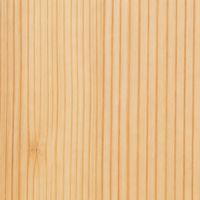
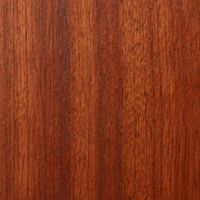
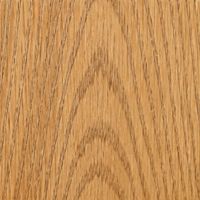
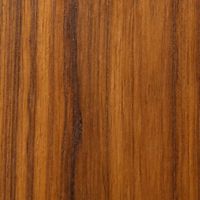
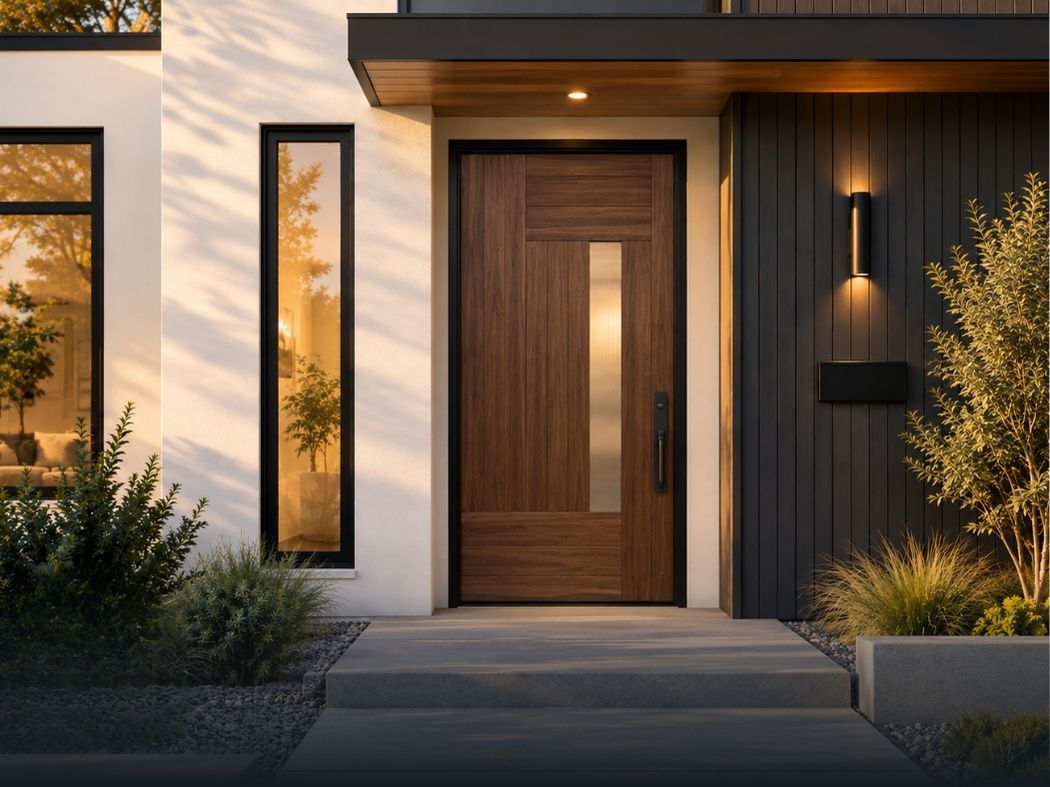
Warm natural or wood-look modern front doors suit cool, highly linear exteriors when the goal is to add material contrast and soften the geometry. Dark or closely coordinated tones work well when the entrance should repeat strong window frames or exterior accents and create a unified graphic look.
Contrasting pulls or handles make the hardware a visible feature, while low-contrast hardware lets the panel and glass layout remain dominant. Stronger contrast suits an entrance where metal accents should stand out; quieter coordination keeps attention on the door surface.


Entry Size and Configuration
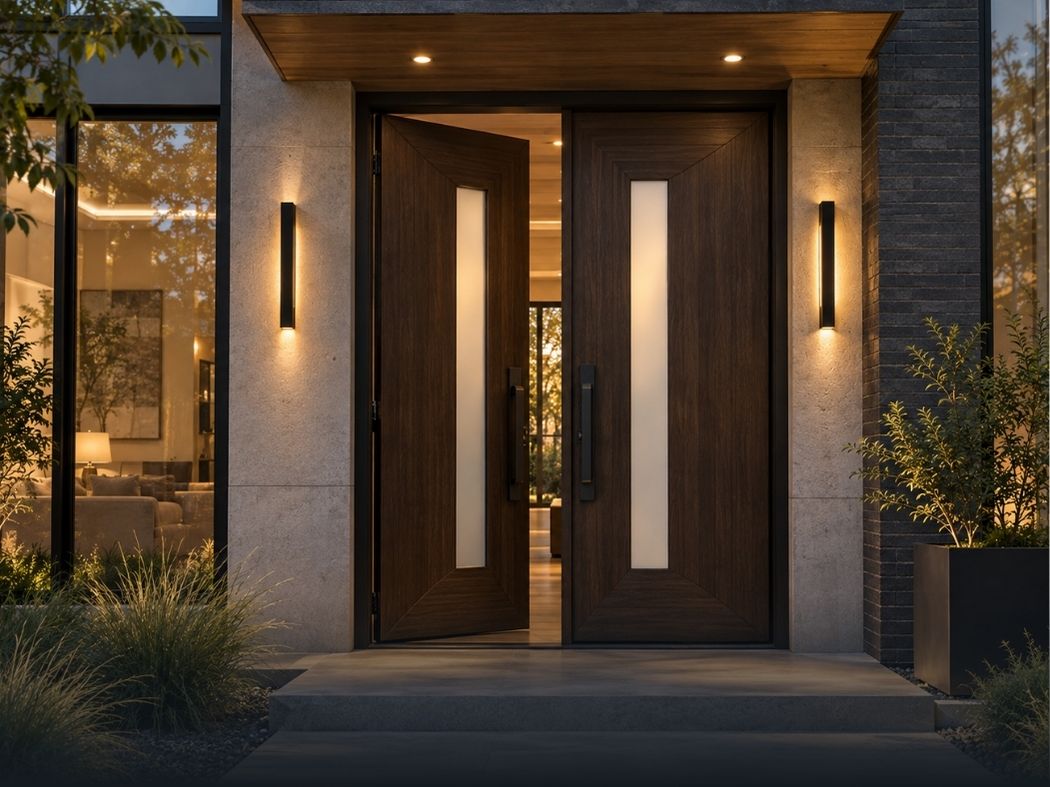
A single door keeps the entrance compact and leaves more wall around it. Double doors add paired scale and symmetry, and they can provide a wider passage when both panels are designed to open.
One or two glazed sidelites extend the design beside the door, adding daylight and visual breadth without a second main door panel. Double doors with two sidelites create the broadest arrangement, while a rectangular transom emphasizes height and adds overhead light.
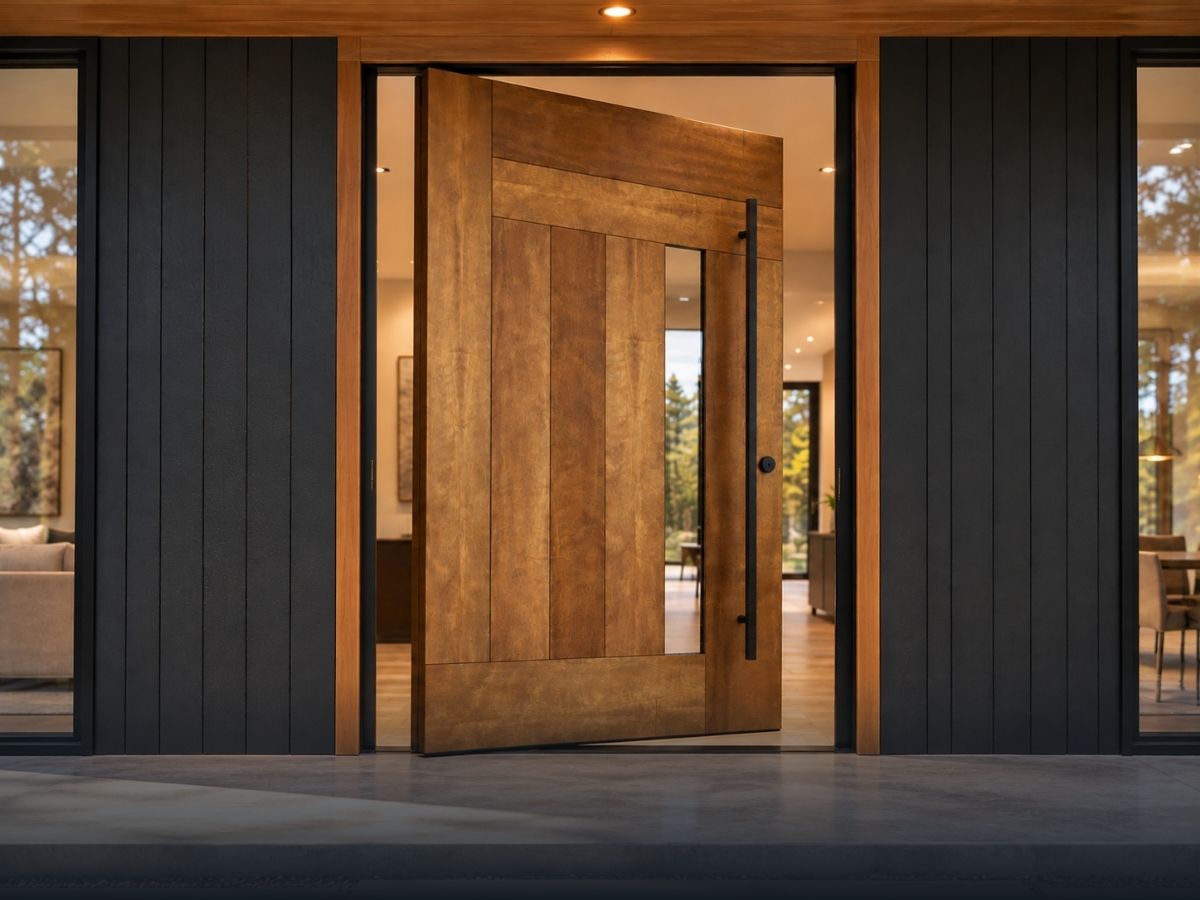
For a larger, more architectural statement, pivot front doors rotate on a pivot point instead of side hinges, so the door can be wider and the entrance becomes the focal point of the facade.
Glass, Light, and Privacy
A solid modern front door keeps the entry private and the surface uninterrupted. A centered or narrow lite offers a middle ground, bringing in some light while retaining more solid area.
Artistic lites and divided-lite designs add pattern without making glass the entire design, while full-lite or mostly glass doors prioritize daylight and visual openness.

Before You Order
- +The door's lines, proportions, and glass placement work with the nearby windows, trim, siding, and opening scale.
- +The construction, material, and available finish match the look you selected.
- +The product page states whether pictured hardware is included and whether the door preparation works with the intended hardware.
- +The glass amount, texture, and product specification meet your daylight and privacy goals.
- +The single, double, sidelite, or transom arrangement matches the planned entry.
- +The slab, complete-unit, and rough-opening dimensions match the opening.
- +The handing, swing, unit type, and, for a pivot door, the Axis Pivot System details match the project.
- +Any listed performance, approval, or compliance information applies to the product and your jurisdiction.
FAQ
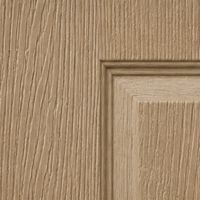
Modern front door options include wood doors with mahogany-facing engineered construction and smooth fiberglass doors. Wood offers natural grain and can be refinished, but it typically needs ongoing finish care, especially outdoors. In general, fiberglass can imitate woodgrain and needs less routine upkeep.
Clear glass shows more, while textured or obscured glass reduces visible detail and still admits light. Obscured-glass choices can include frosted, etched, rain-patterned, textured, or white glass, but they do not make the entry completely private.
A slab is the door panel only, while a prehung unit includes the door and its frame as an assembled unit. A slab suits a project that will reuse a compatible frame, while a prehung unit suits a project replacing the door and frame together.
Handing tells you which side the hinges are on, and swing tells you whether the door opens into the home or outward. Pick the combination that keeps the door clear of nearby walls, furniture, and the path to the entry.
On this page, modern and contemporary are closely overlapping shopping terms for clean-lined, minimally ornamented entry doors. Shoppers comparing that terminology can also browse the contemporary and modern exterior door category.