
Double Door Installation Guide
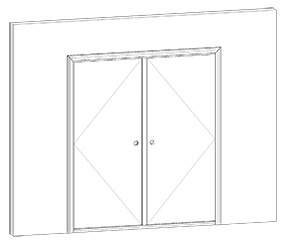
Before you begin...
Required Tools
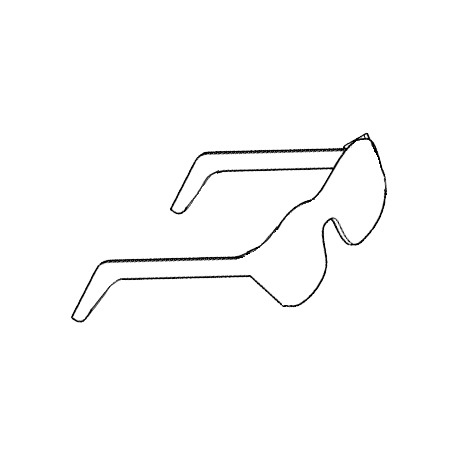
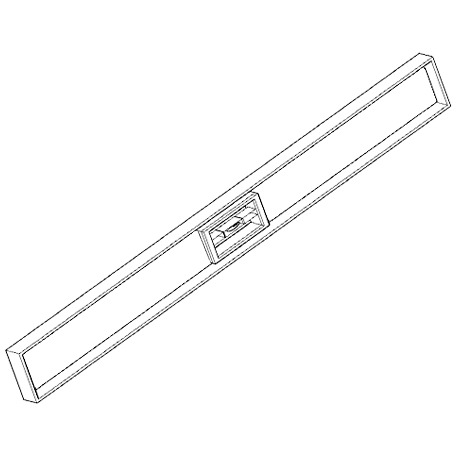
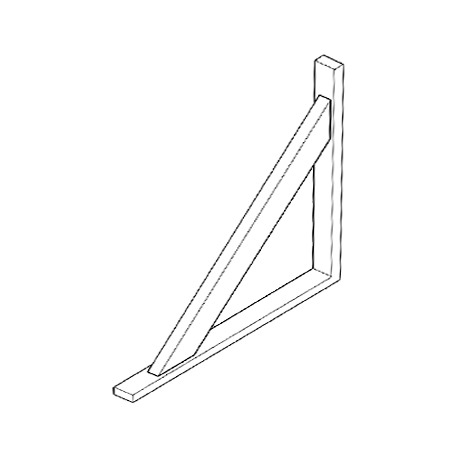
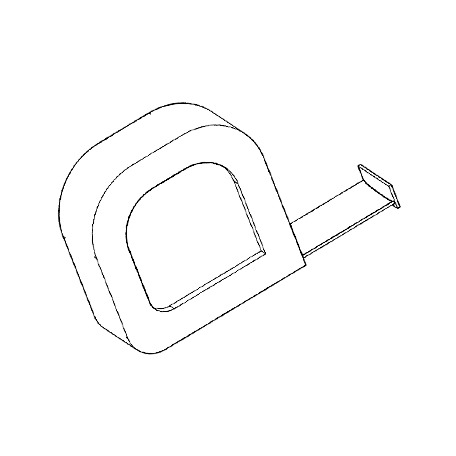


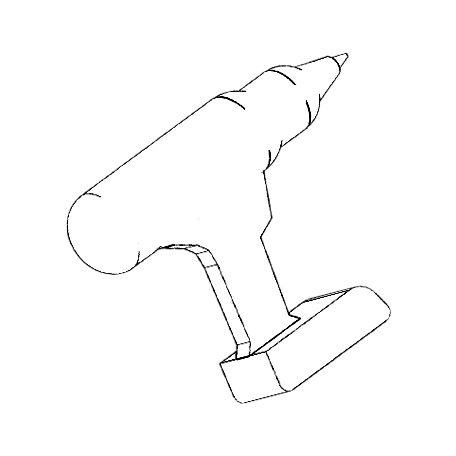
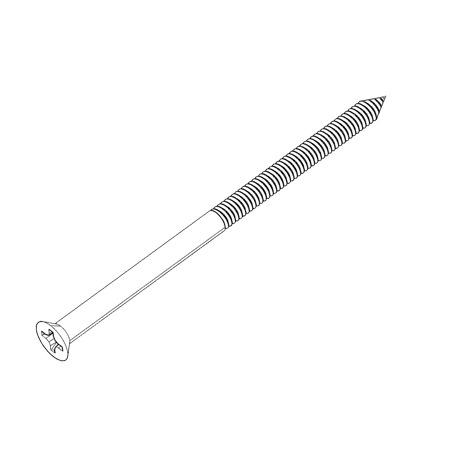

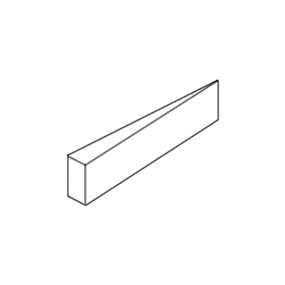
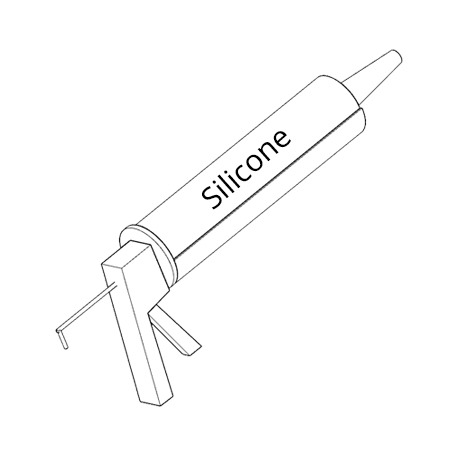
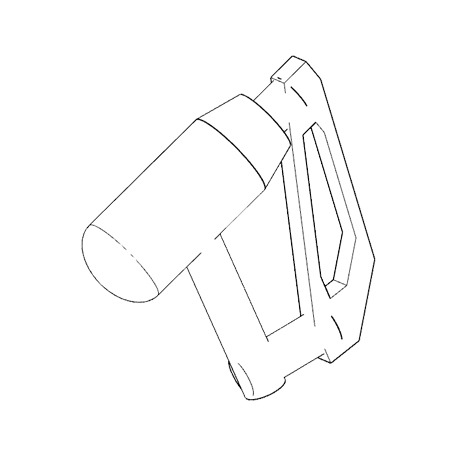


Unpacking your Entry System
Check to make sure your US Door & More package includes:
If you are expecting any of these parts and they are missing or damaged, STOP and contact US Door & More.

Preparing your Rough Opening
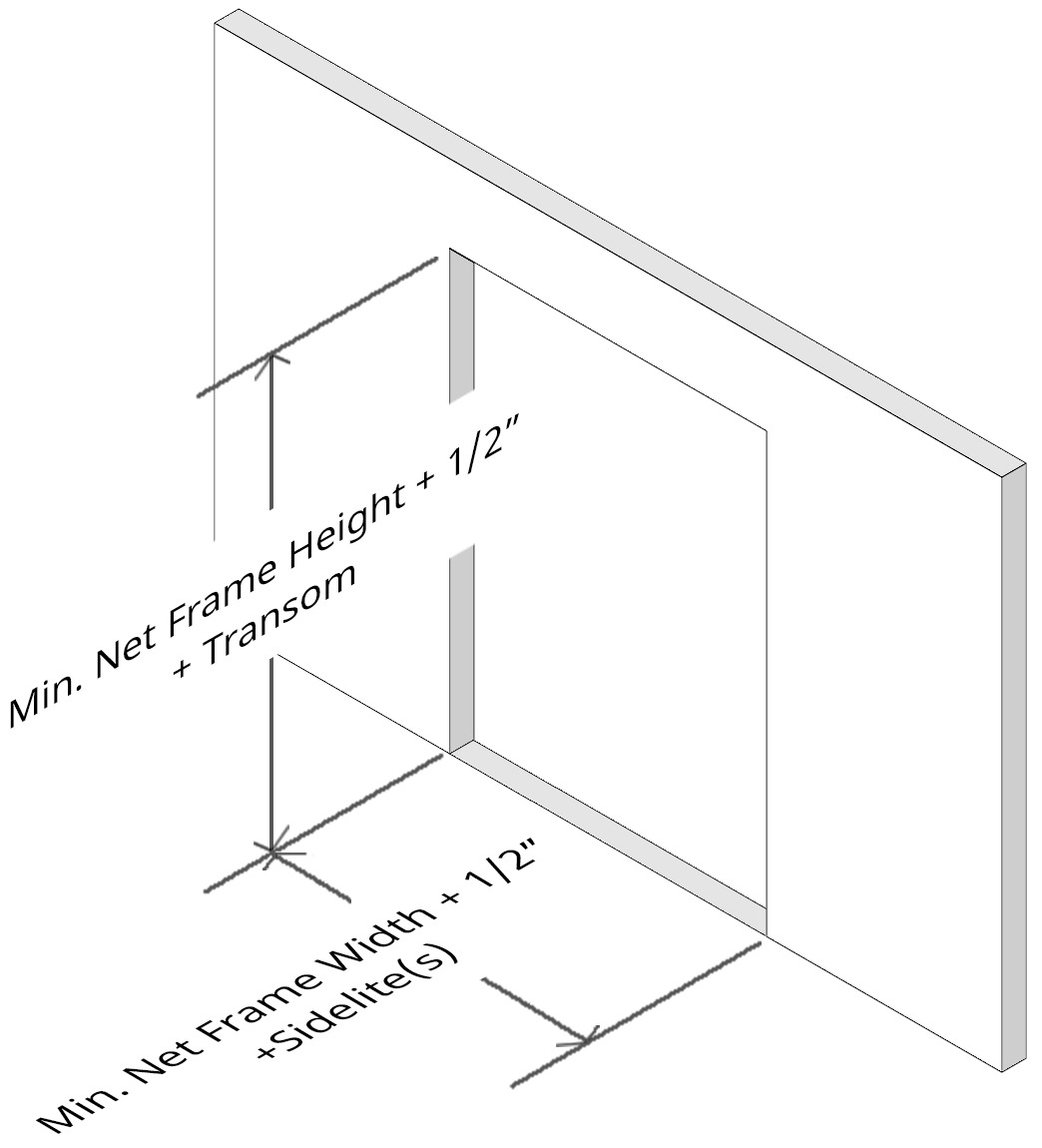
- Check the dimensions of the rough opening.
The opening should be at least 1" wider than the net frame size plus any sidelites & 1/2" taller than the net frame size plus any transoms. - Check that the floor beneath the sill is level.
- Check that the rough opening is plumb and square.
Your opening may look different than the figure depending on the door to be installed.
Installing your Entryway
Step 1: Constructing the Frame
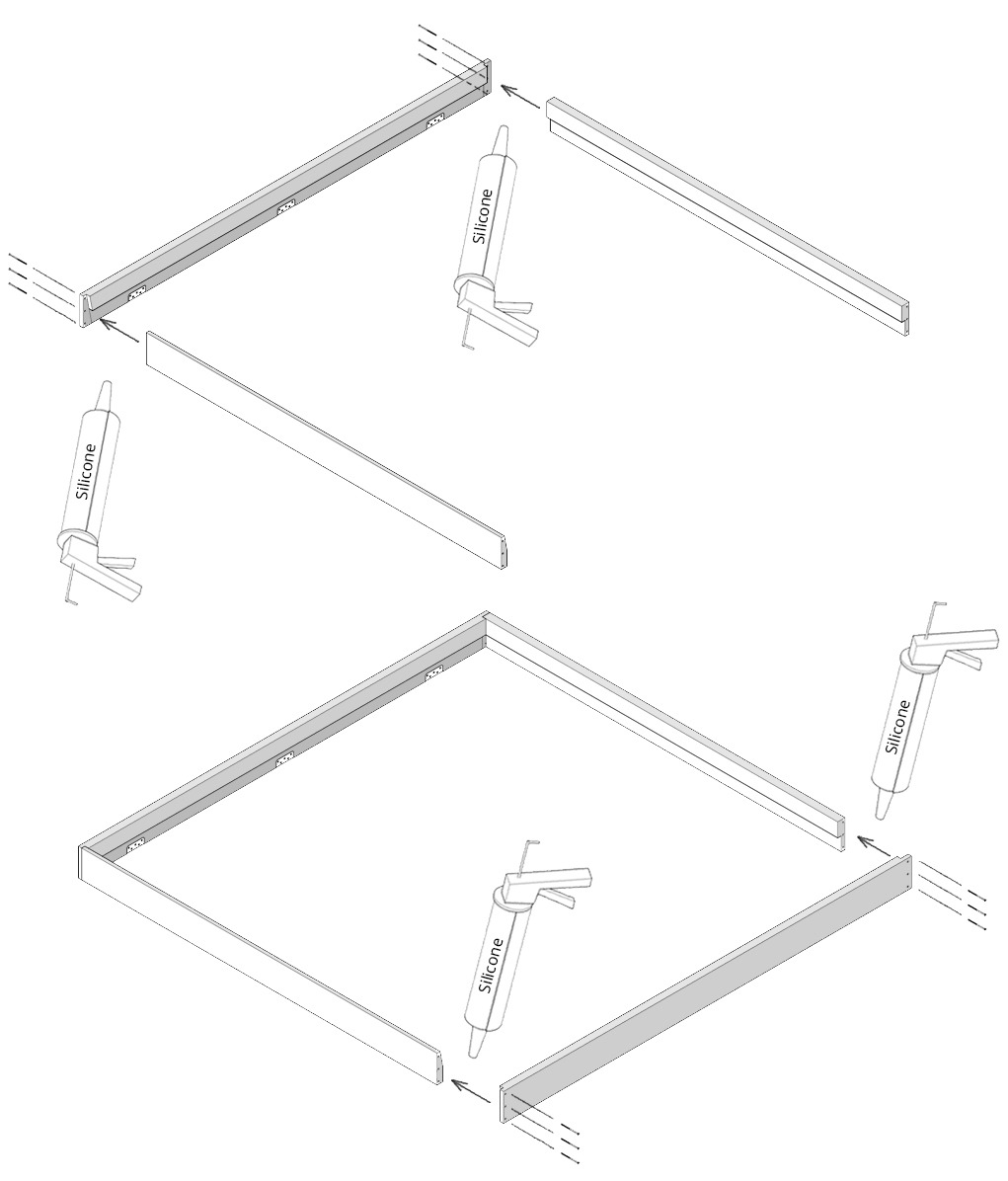
- Identify and remove the two side jambs, the header, and the sill.
- Remove the screws from the header and sill.
- Attach the header and sill to one side jamb with the provided screws, applying silicone to the joining faces.
- Attach the other side jamb to the header and sill with the provided screws, applying silicone to the joining faces.
- Check that the frame is properly assembled, square, and plumb.
Your frame may look different than the figure depending on the door to be installed. The number of hinges and screws vary based on the dimensions of the door.
If Attaching an ADA Sill
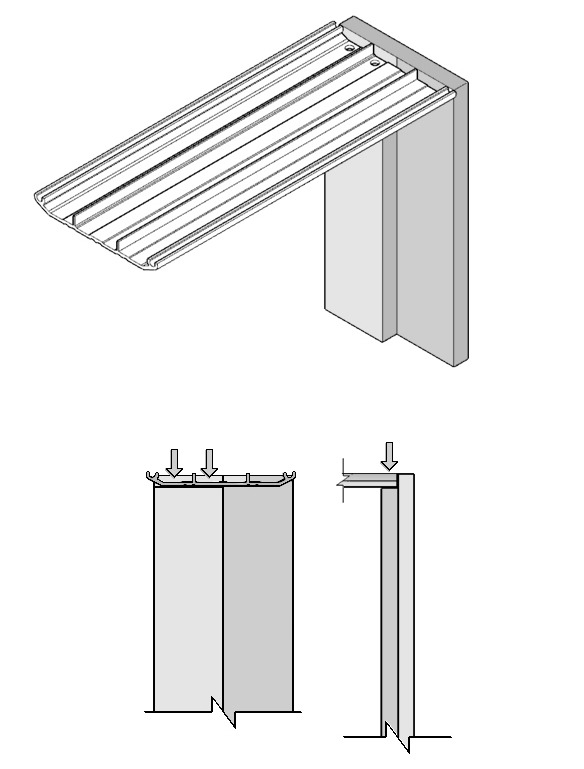

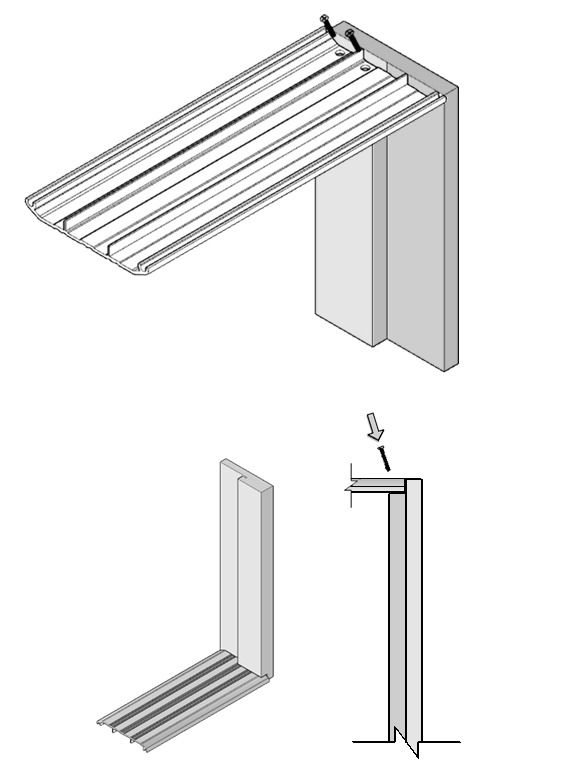
Step 2: Inserting the Frame
- Apply silicone to the sub-floor beneath where the sill will sit.
- Check that the height of the interior flooring will sit beneath the sill.
- Lean the assembled frame into the rough opening, making sure the door will swing the appropriate way.
- The door will swing towards the side that the hinges will be visible from.
- Lean the assembled frame into the rough opening, making sure the door will swing the appropriate way.
- Check that the sill is level.
Your frame may look different than the figure depending on the door to be installed.

Step 3: Securing the Frame
- Hammer shims between the frame and the rough opening until the frame is tightly installed.
- Shims should be paired opposite one another on either side of the frame.
- Check that the installed frame is plumb and level.
Shims are required to keep the frame rigid and in place - the amount and locations you need may vary.

Step 4: Attaching the Frame
- Attach the frame to the rough opening with the appropriate screws (not provided) through the side jambs and the header.
- Be sure to screw through shims and fully into the rough opening.
- Remove the hinge rubbers from the hinges.
Screws affix the frame firmly into place - The amount and locations you need may vary.

Step 5: Installing the Inactive Door
- Remove the screws from the hinge slot on the inactive door.
- The inactive door will be the one with flush bolts installed.
- Placing the door within the frame, align the hinges from the frame to the hinge slots on the door.
- Attach the door to the hinges using the provided screws.
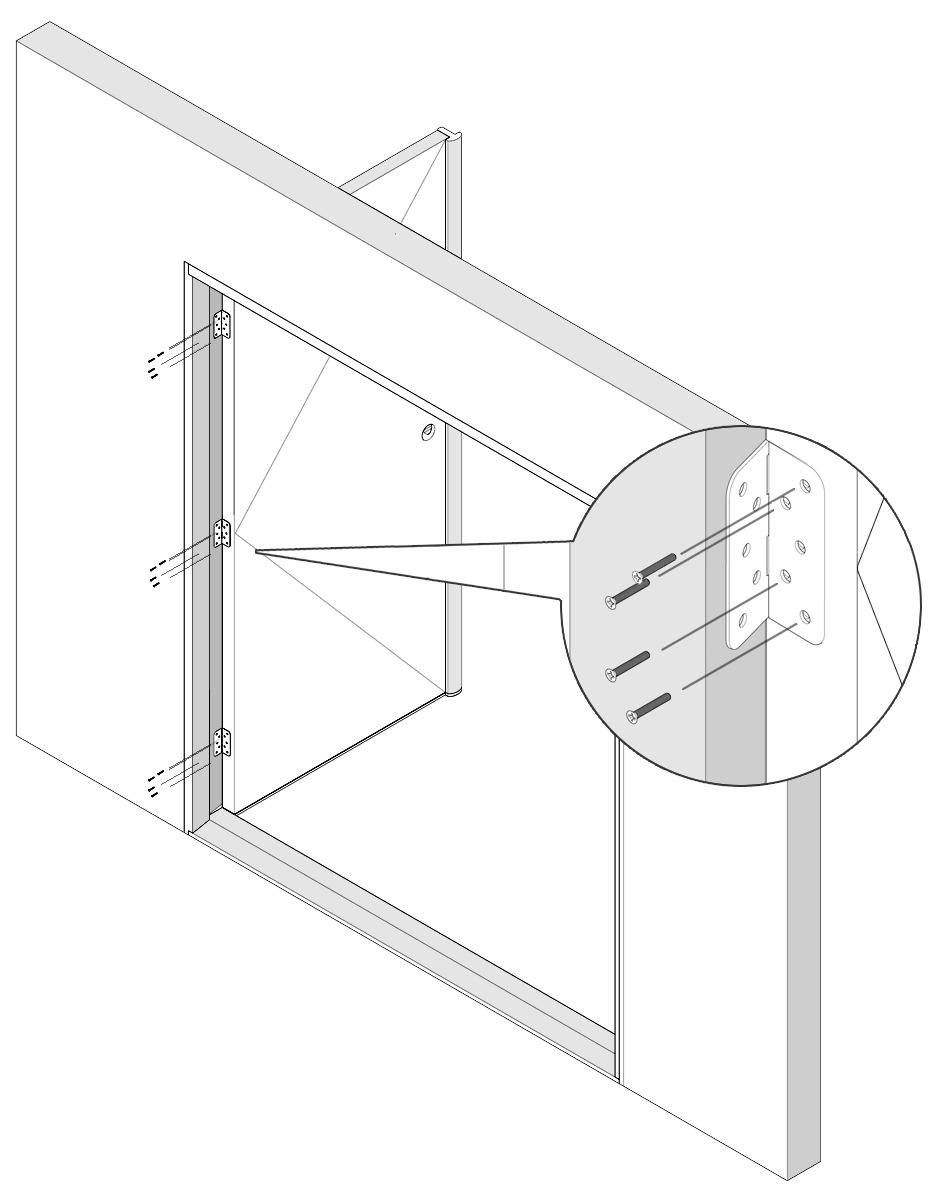
Step 6: Installing the Flush Bolt
- Unscrew the strike plate and screws from the flush bolt and replace the screw.
- With the inactive door closed, activate any flush bolts and mark where the bolt contacts the header or sill.
- Drill a hole at the mark(s) deep enough to allow the flush bolt to fully activate.
- By using the strike plate as a template, mark and drill two additional holes on the header.
- A notch can be cut to allow the strike plate to be flush with the header.
- Attach the strike plate to the header with the provided screws.
It is advised to protect the sill by inserting a bolt cap into the drilled hole. (not provided)

Step 7: Installing the Active Door
- Remove the screws from the hinge slot on the active door.
- The active door will be the door without flush bolts installed.
- Placing the door within the frame, align the hinges from the frame to the hinge slots on the door.
- Attach the door to the hinges using the provided screws.
Your frame may look different than the figure depending on the door to be installed.

Step 8: Adjusting the Sill Height
- Pry off the adjustment cap from the sill and, using a screwdriver, adjust the sill height to create a proper seal.
- There may be more than one screw to adjust on the sill.
- Replace the adjustment cap.
- Assure the door swings freely and closes tightly against the weatherstripping.
If your door system is outswing, there will not be an adjustment cap.
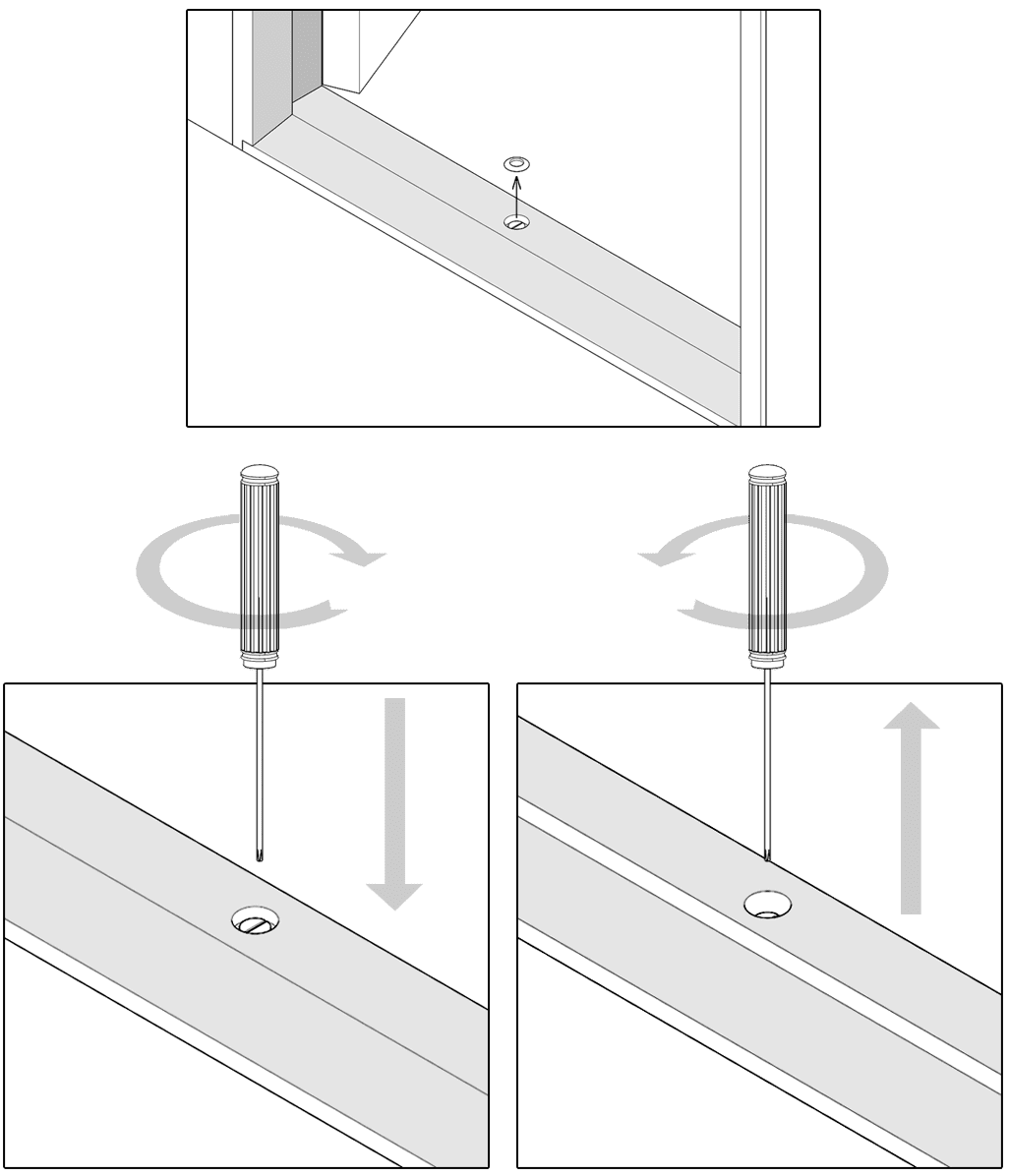
Step 9: Cutting the Brickmolding
- Identify the provided brickmolds.
- The two longer pieces will cover the gap between the side jamb and the rough opening.
- The shorter piece will cover the gap between the header and the rough opening.
- The two longer pieces will cover the gap between the side jamb and the rough opening.
- Using the height of the frame as reference, mark the desired height of he inner brickmold.
- With a speed square, scribe a 45° line from the previous mark out towards the extra material and cut along the drawn line.
- Repeat, mirrored, for the other long piece of brickmold.
- On the shorter brickmold, mark the corners of the width of the frame.
- With a speed square, scribe a 45° line from the previous marks towards the extra material and cut along the drawn line.

Step 10: Attaching the Brickmolding
- Affix both long pieces of brickmold to the external sides of the doorway with finishing nails and apply silicone to the joining faces.
- Make sure to cover the gap between the rough opening and the frame.
- Affix the shorter brickmold to the external top of the doorway with finishing nails and apply silicone to the joining faces.
- Make sure to cover the gap between the rough opening and the frame.
Your brickmold may look different than the figure depending on the door to be installed. Use as many finishing nails as needed to properly secure the brickmold.

Step 11: Cutting the Casing
- Identify the provided casing.
- The two longer pieces will cover the gap between the side jamp and the rough opening.
- The shorter piece will cover the gap between the header and the rough opening.
- The two longer pieces will cover the gap between the side jamp and the rough opening.
- Using the height of the frame as reference, mark the desired height of the casing across the piece and cut.
- Repeat, mirrored, for the other long piece of casing.
- On the shorter casing, mark the corners of the width of the frame across the piece and cut.

Step 12: Attaching the Casing
- Affix both long pieces of casing to the internal sides of the doorway with finishing nails and apply silicone to the joining faces.
- Make sure to cover the gap between the rough opening and the frame.
- Affix the shorter casing to the internal top of the doorway with finishing nails and apply silicone to the joining faces.
- Make sure to cover the gap between the rough opening and the frame.
- Make sure to cover the gap between the rough opening and the frame.
Your casing may look different than the figure depending on the door to be installed. Use as many finishing nails as needed to properly secure the casing.

Disclaimer: This installation guide does not cover all situations, variations, details, or scenarios concerned with the installation, operation, or maintenance of your entry system, nor does it claim to. These instructions are designed to provide general assistance in the installation of your entry system. Always consult a professional to ensure proper treatment for your door and your environment. Warranty available at www.doornmore.com.