
Shaker Style Interior Doors
Shaker style interior doors are a clean, versatile choice for bedrooms, bathrooms, closets, hallways, offices, and other interior spaces. Their recessed-panel look works with modern, farmhouse, transitional, and traditional rooms, making them a practical category for shoppers who want simple lines without a plain flat door. This guide explains the main options to compare so you can choose the right layout, construction, size, finish, and installation type for your project.

Please wait...
-
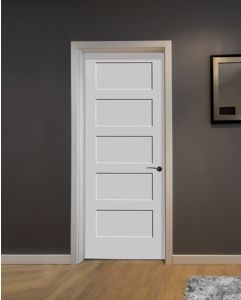
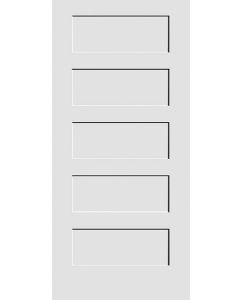
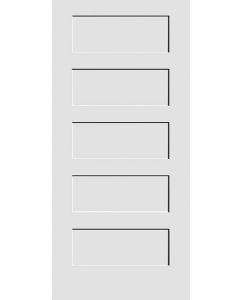
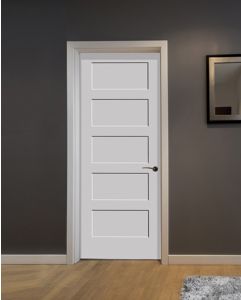
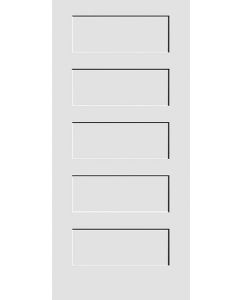
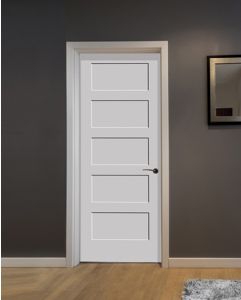
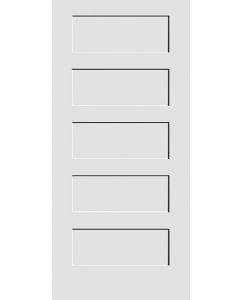
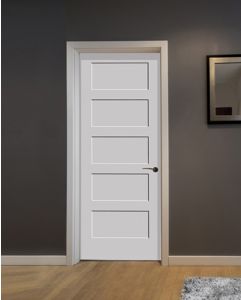
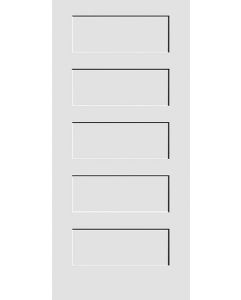
![96]() 96" Primed 5 Panel Shaker Interior Door, 1-3/8 Thick, PRI8405Now Only $172.46 Regular Price $287.00
96" Primed 5 Panel Shaker Interior Door, 1-3/8 Thick, PRI8405Now Only $172.46 Regular Price $287.00 -
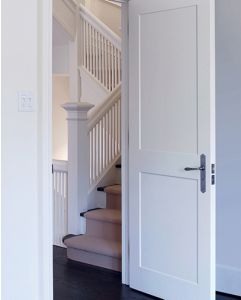
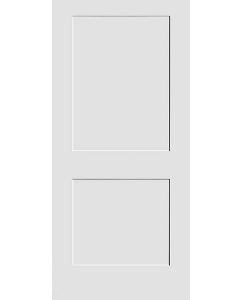
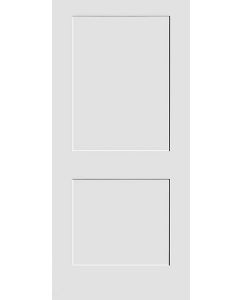
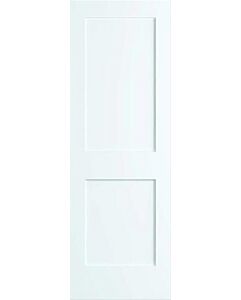
![80]() 80" Primed 2 Panel Shaker Interior Door, 1-3/8 Thick, PRI8402Now Only $140.71 Regular Price $234.00
80" Primed 2 Panel Shaker Interior Door, 1-3/8 Thick, PRI8402Now Only $140.71 Regular Price $234.00 -
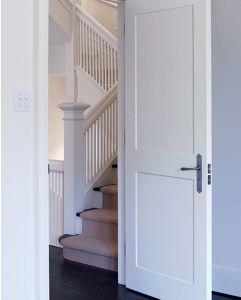
![84]() 84" Primed 2 Panel Shaker Interior Door, 1-3/8 Thick, PRI8402Now Only $165.59 Regular Price $275.00
84" Primed 2 Panel Shaker Interior Door, 1-3/8 Thick, PRI8402Now Only $165.59 Regular Price $275.00 -
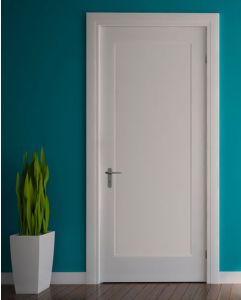
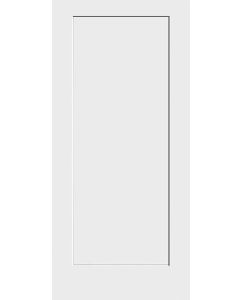
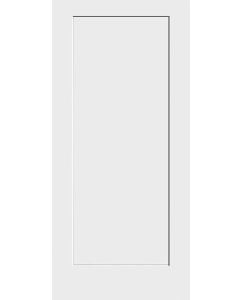
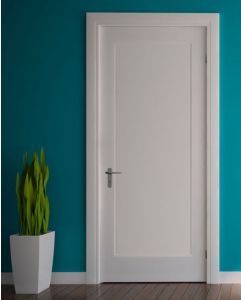
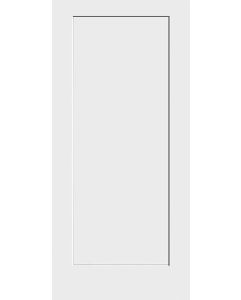
![80]() 80" Primed 1 Panel Shaker Interior Door, 1-3/8 Thick ,PRI8401Now Only $136.42 Regular Price $227.00
80" Primed 1 Panel Shaker Interior Door, 1-3/8 Thick ,PRI8401Now Only $136.42 Regular Price $227.00 -
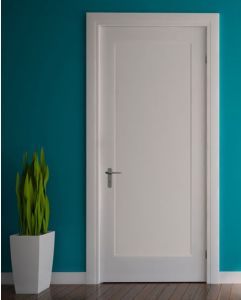
![96]() 96" Primed 1 Panel Shaker Interior Door, 1-3/8 Thick, PRI8401Now Only $159.59 Regular Price $265.00
96" Primed 1 Panel Shaker Interior Door, 1-3/8 Thick, PRI8401Now Only $159.59 Regular Price $265.00 -
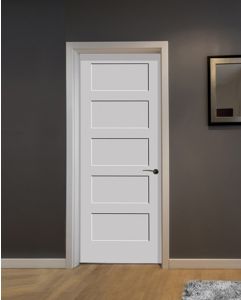
![80]() 80" Primed 5 Panel Shaker Interior Door, 1-3/4 Thick, PRI84054Now Only $189.62 Regular Price $315.00
80" Primed 5 Panel Shaker Interior Door, 1-3/4 Thick, PRI84054Now Only $189.62 Regular Price $315.00 -
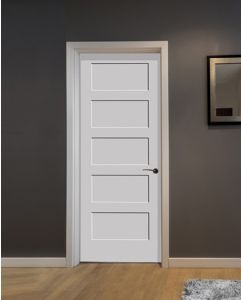
![96]() 96" Primed 5 Panel Shaker Interior Door, 1-3/4 Thick, PRI84054Now Only $221.36 Regular Price $368.00
96" Primed 5 Panel Shaker Interior Door, 1-3/4 Thick, PRI84054Now Only $221.36 Regular Price $368.00 -
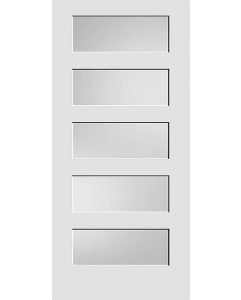 96" Primed 5 Lite Interior Door, Diffused White Laminate, 1-3/8 Thick, PRI8405GLNow Only $294.41 Regular Price $369.00
 -

![96]() 96" Primed 2 Panel Shaker Interior Door, 1-3/4 Thick, PRI84024Now Only $208.49 Regular Price $347.00
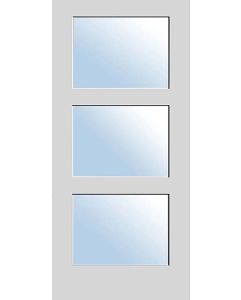
96" Primed 2 Panel Shaker Interior Door, 1-3/4 Thick, PRI84024Now Only $208.49 Regular Price $347.00 - 96" Primed 3 Lite Interior Door, Clear, 1-3/8 Thick, PRI8433CLNow Only $230.52 Regular Price $289.00
-
![96]() 96" Primed 1 Panel Shaker Interior Door, 1-3/4 Thick, PRI84014Now Only $204.20 Regular Price $340.00
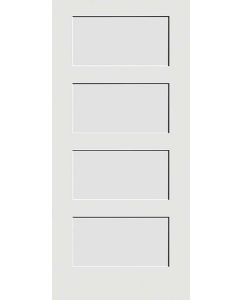
96" Primed 1 Panel Shaker Interior Door, 1-3/4 Thick, PRI84014Now Only $204.20 Regular Price $340.00 - 80" Primed 4 Panel Shaker Interior Door, 1-3/8 Thick, PRI8444Now Only $198.56 Regular Price $248.00
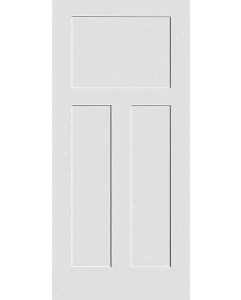
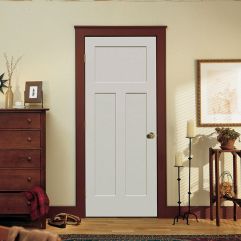
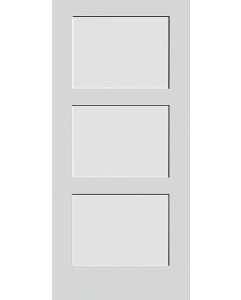
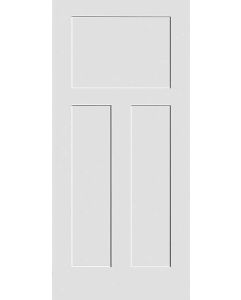
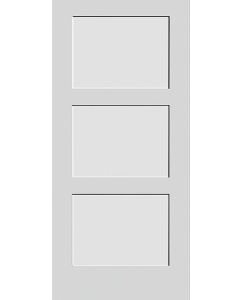
- 80" Primed 3 Panel Craftsman Shaker Interior Door, 1-3/8 Thick, PRI8403Now Only $145.00 Regular Price $242.00
-
![84]() 84" Primed 5 Panel Shaker Interior Door, 1-3/8 Thick, PRI8405Now Only $175.89 Regular Price $293.00
84" Primed 5 Panel Shaker Interior Door, 1-3/8 Thick, PRI8405Now Only $175.89 Regular Price $293.00 - 96" Primed 3 Panel Shaker Interior Door, 1-3/4 Thick, PRI84334Now Only $212.78 Regular Price $354.00
- 96" Primed 3 Panel Craftsman Shaker Interior Door, 1-3/8 Thick, PRI8403Now Only $169.03 Regular Price $282.00
-
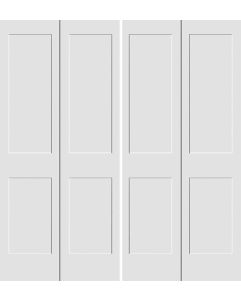
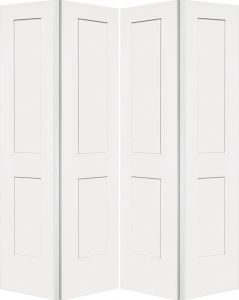
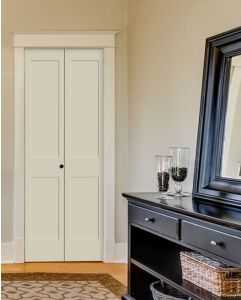
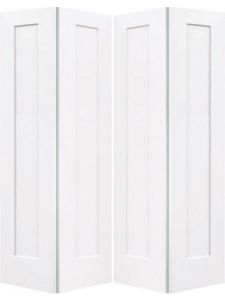
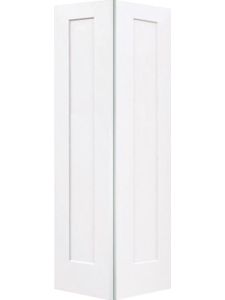
![80]() 80" Primed 2 Panel Shaker Bifold 4 Door, 1-3/8 Thick, PRI8402BFNow Only $528.34 Regular Price $662.00
80" Primed 2 Panel Shaker Bifold 4 Door, 1-3/8 Thick, PRI8402BFNow Only $528.34 Regular Price $662.00 -
![96]() 96" Primed 5 Panel Shaker Interior Double Door, 1-3/4 Thick, PRI84054Now Only $441.87 Regular Price $736.00
96" Primed 5 Panel Shaker Interior Double Door, 1-3/4 Thick, PRI84054Now Only $441.87 Regular Price $736.00 -
![80]() 80" 20 min Fire Rated Primed 2 Panel Shaker Interior Door, 1-3/4 Thick PRI840220MNow Only $303.55 Regular Price $380.00
80" 20 min Fire Rated Primed 2 Panel Shaker Interior Door, 1-3/4 Thick PRI840220MNow Only $303.55 Regular Price $380.00 -
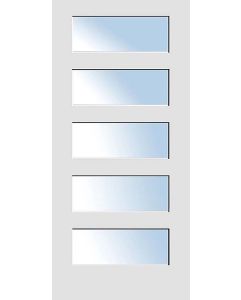
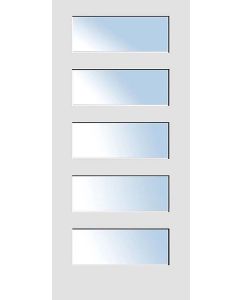
![96]() 96" Primed 5 Lite Interior Door, Clear, 1-3/8 Thick, PRI8405CLNow Only $230.52 Regular Price $289.00
96" Primed 5 Lite Interior Door, Clear, 1-3/8 Thick, PRI8405CLNow Only $230.52 Regular Price $289.00 -
![96]() 96" 20 min Fire Primed 5 Panel Shaker Interior Door 1-3/4 Thick PRI840520MNow Only $375.43 Regular Price $470.00
96" 20 min Fire Primed 5 Panel Shaker Interior Door 1-3/4 Thick PRI840520MNow Only $375.43 Regular Price $470.00 - 96" Primed Full Lite Interior Double Door, Clear, 1-3/8 Thick, PRI8401CLNow Only $451.89 Regular Price $565.00
-
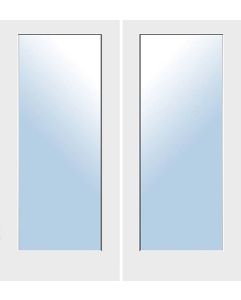
![96]() 96" Primed 3 Lite Interior Double Door, Clear, 1-3/8 Thick, PRI8433CLNow Only $462.16 Regular Price $578.00
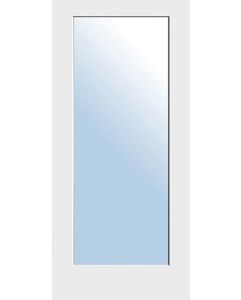
96" Primed 3 Lite Interior Double Door, Clear, 1-3/8 Thick, PRI8433CLNow Only $462.16 Regular Price $578.00 - 96" Primed Full Lite Interior Door, Clear, 1-3/8 Thick, PRI8401CLNow Only $225.94 Regular Price $283.00
-
![84]() 84" Primed 1 Panel Shaker Interior Door, 1-3/8 Thick, PRI8401Now Only $159.59 Regular Price $266.00
84" Primed 1 Panel Shaker Interior Door, 1-3/8 Thick, PRI8401Now Only $159.59 Regular Price $266.00 -
![80]() 80" 20 min Fire Primed 5 Panel Shaker Interior Door 1-3/4 Thick PRI840520MNow Only $325.22 Regular Price $407.00
80" 20 min Fire Primed 5 Panel Shaker Interior Door 1-3/4 Thick PRI840520MNow Only $325.22 Regular Price $407.00 - 80" 20 min Fire Primed 3 Panel Shaker Interior Door 1-3/4 Thick PRI843320MNow Only $310.40 Regular Price $388.00
-
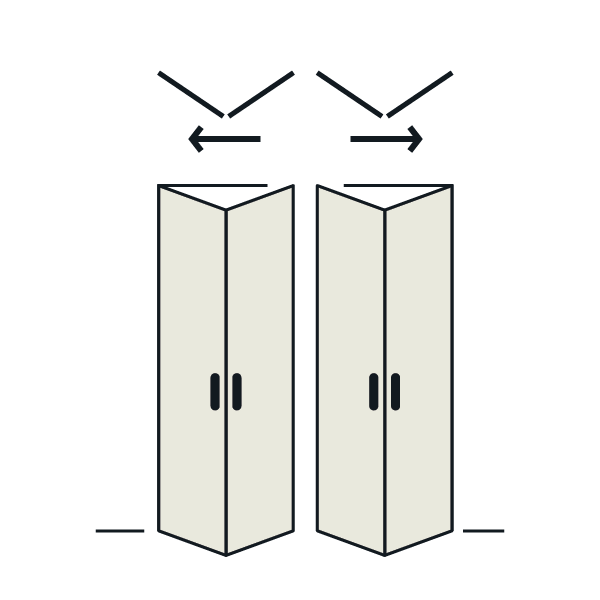
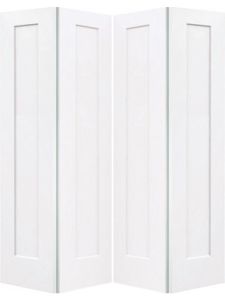
![80]() 80" Primed 2 Panel Shaker Bifold 2 Door, 1-3/8 Thick, PRI8402BFNow Only $264.75 Regular Price $331.00
80" Primed 2 Panel Shaker Bifold 2 Door, 1-3/8 Thick, PRI8402BFNow Only $264.75 Regular Price $331.00 -
![80]() 80" Primed 5 Lite Interior Door, Clear, 1-3/8 Thick, PRI8405CLNow Only $196.28 Regular Price $246.00
80" Primed 5 Lite Interior Door, Clear, 1-3/8 Thick, PRI8405CLNow Only $196.28 Regular Price $246.00 -
![96]()




















Please wait...
Shaker Style Interior Doors Buyer Guide
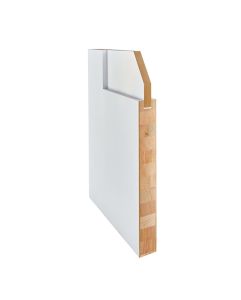
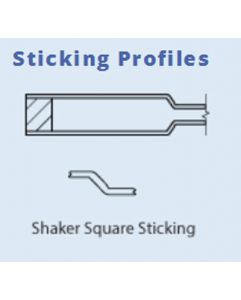
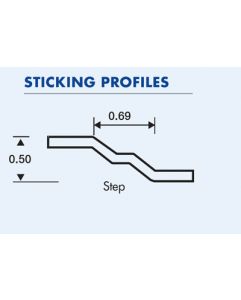
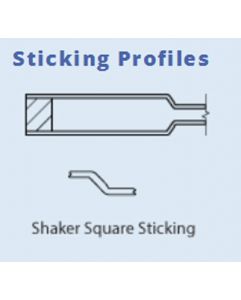
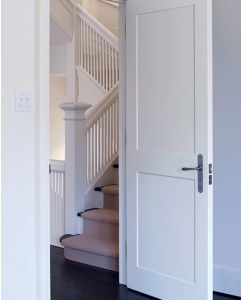
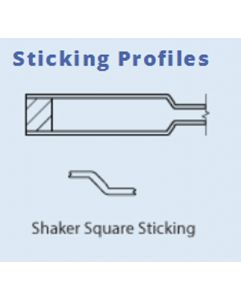
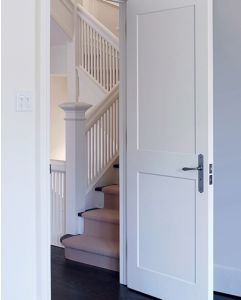
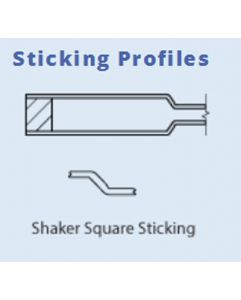
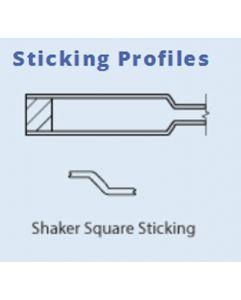
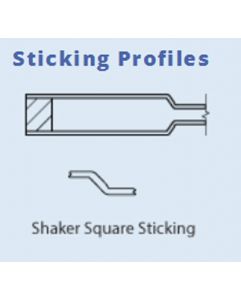
Shaker style interior doors are popular because they balance visual interest with restraint. The defining feature is a flat recessed panel framed by square, simple rails and stiles, which creates depth without ornate molding. That simplicity helps the door blend with many trim profiles, paint colors, flooring choices, and cabinet styles, so it is easier to update the room later without replacing the door again.
For shoppers, the category is also broad. You can find single-panel styles for a minimal look, multi-panel options for a more traditional rhythm, and different core and material choices for weight, durability, privacy, and budget. The best door is not only the one that looks right in a photo; it is the one that fits the opening, swings correctly, works with the hardware, and matches how the room is used.
Choosing the right Shaker door
A good buying decision starts with the opening and ends with the details people touch every day. Before comparing designs, identify where the door will go, how much privacy the room needs, whether you are replacing only the door slab or the entire frame, and how much finishing or installation work you want to take on.
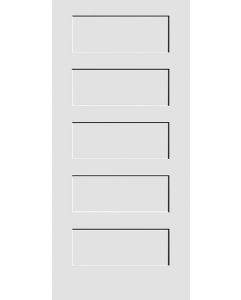
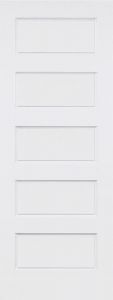
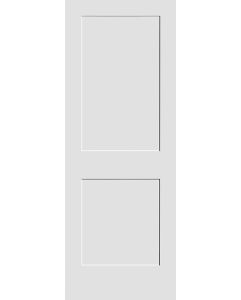
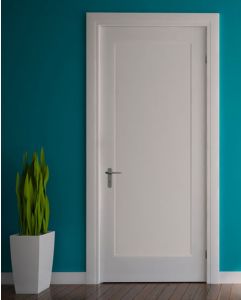
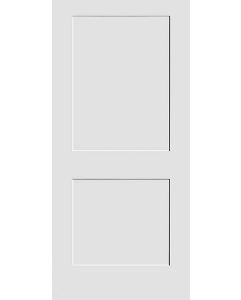
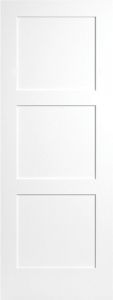
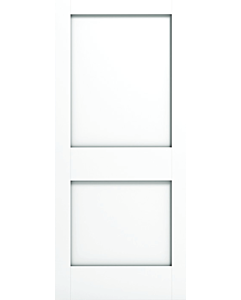
Panel layout selection: Panel layout shapes the personality of the door. A one-panel Shaker door feels especially clean and contemporary, with one large recessed center field that keeps the surface calm. A two-panel layout adds structure while staying simple, making it a flexible choice for bedrooms, bathrooms, and offices. Three-panel and five-panel designs create more vertical rhythm and may suit homes with taller ceilings, classic trim, or a craftsman-inspired interior.
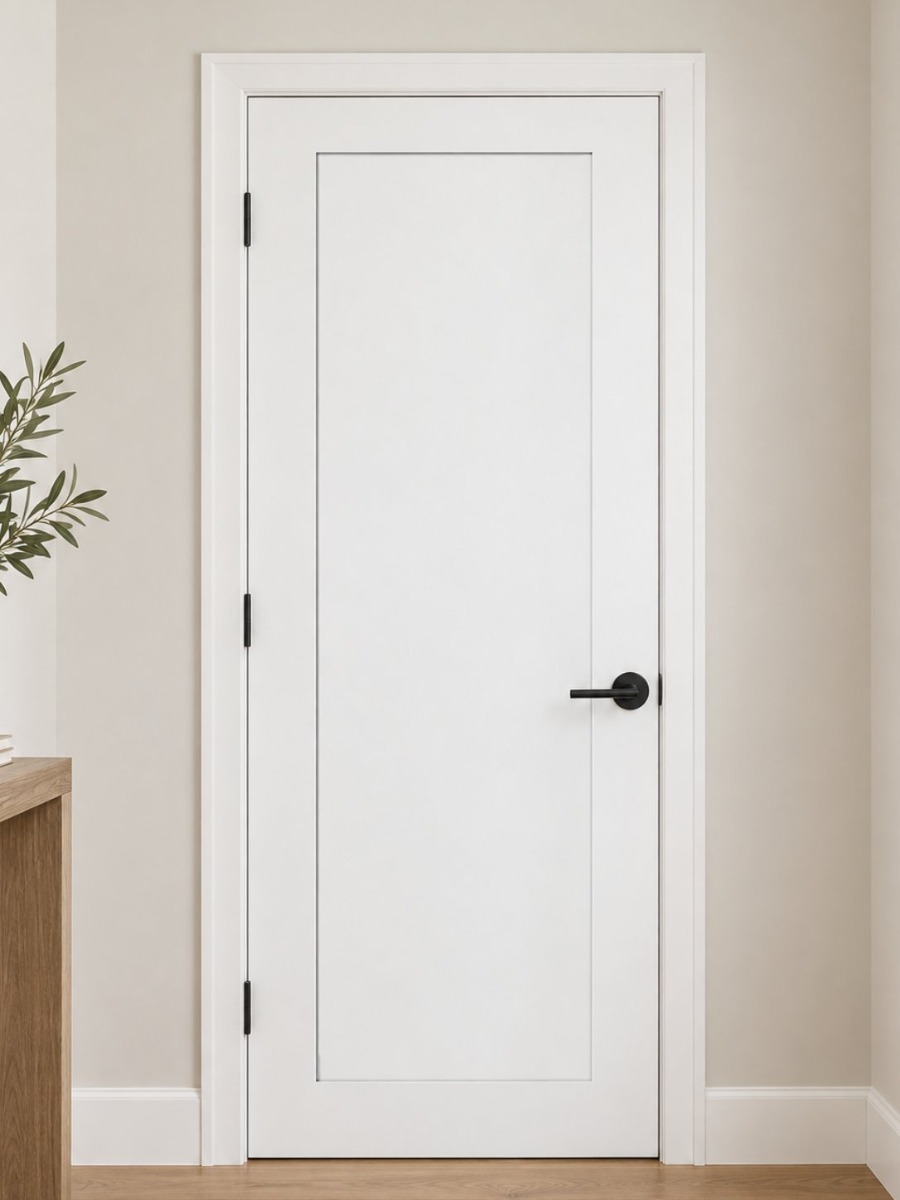
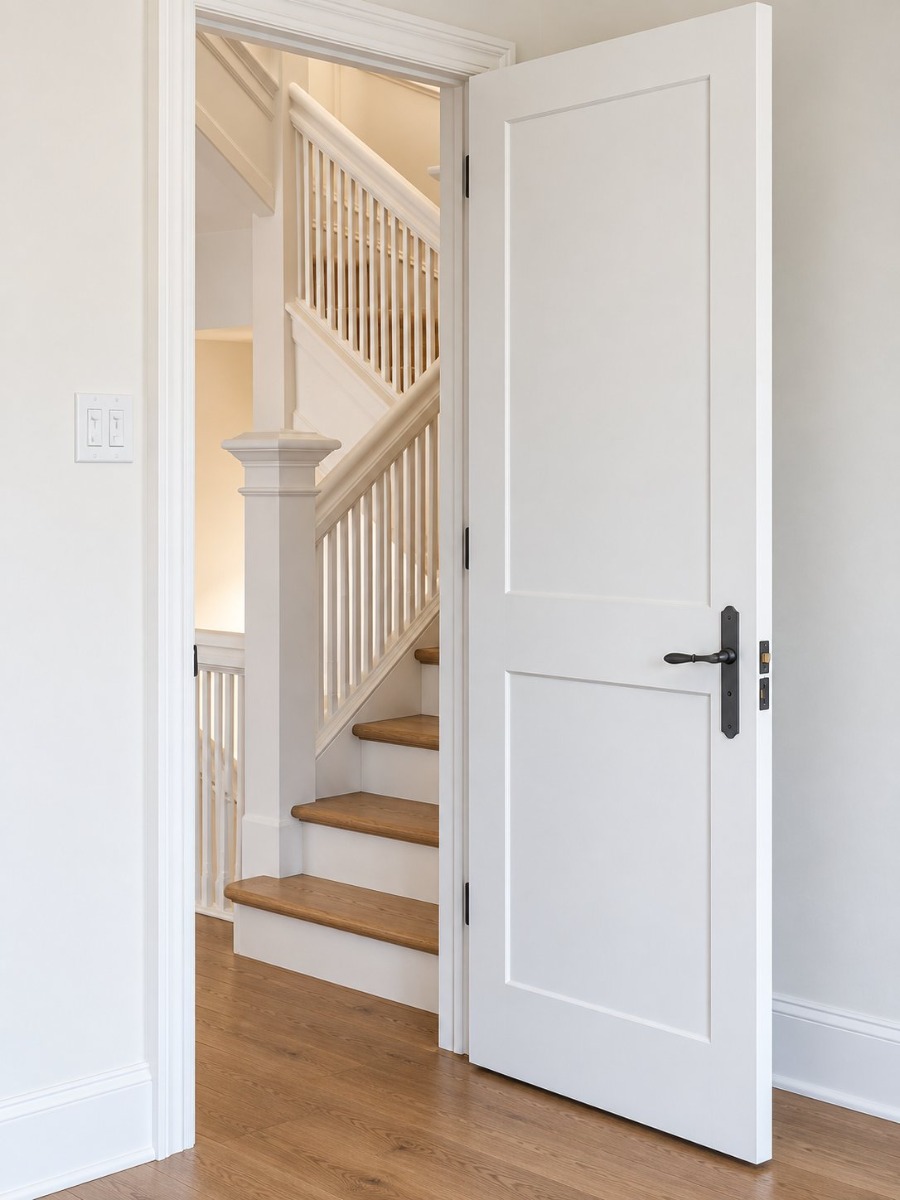
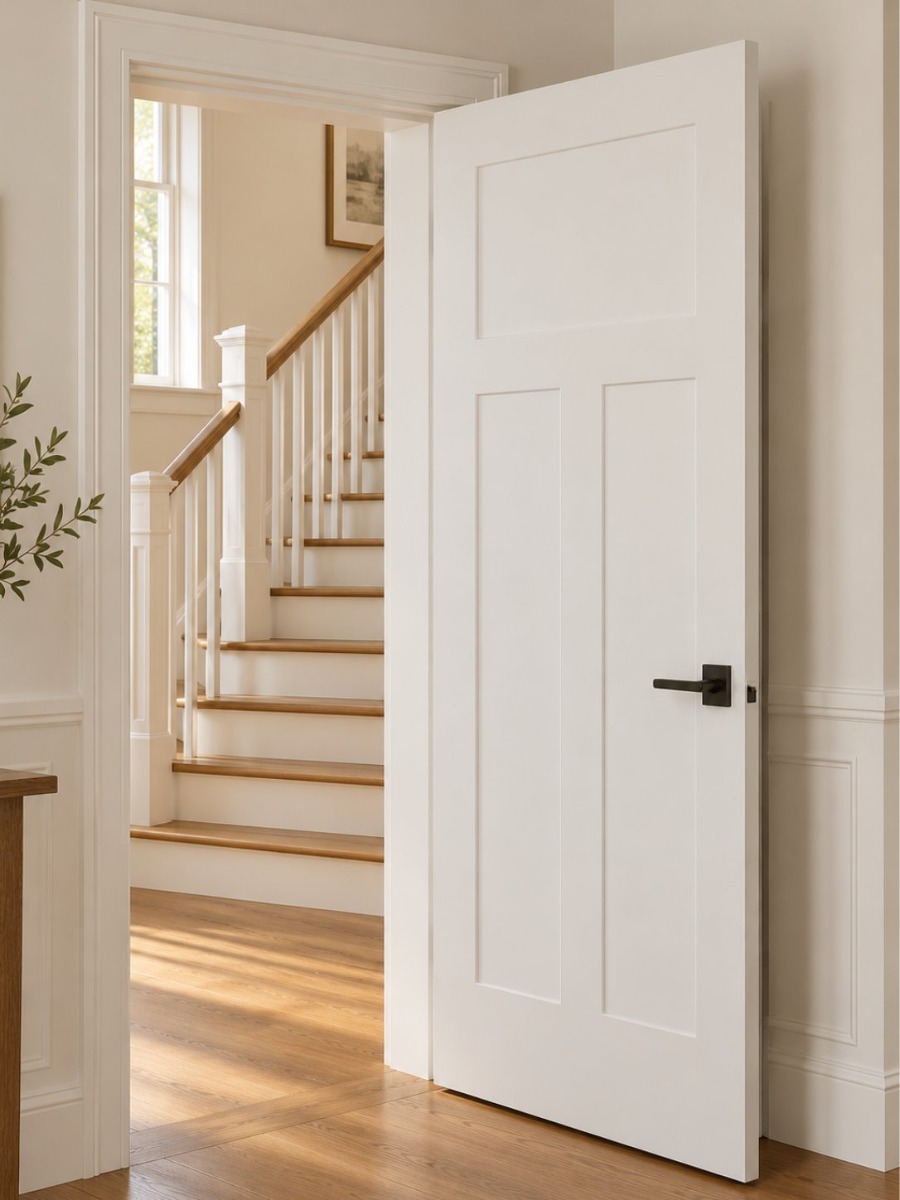
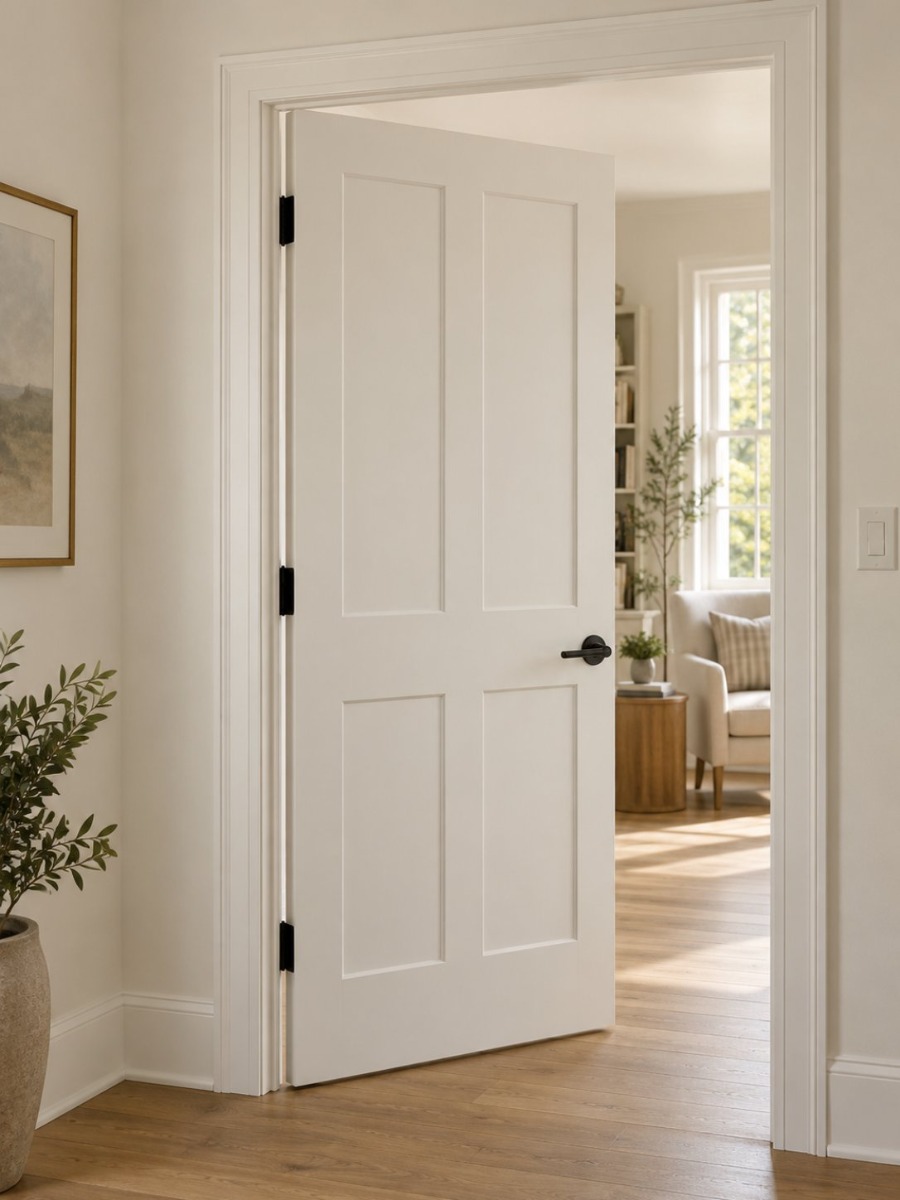
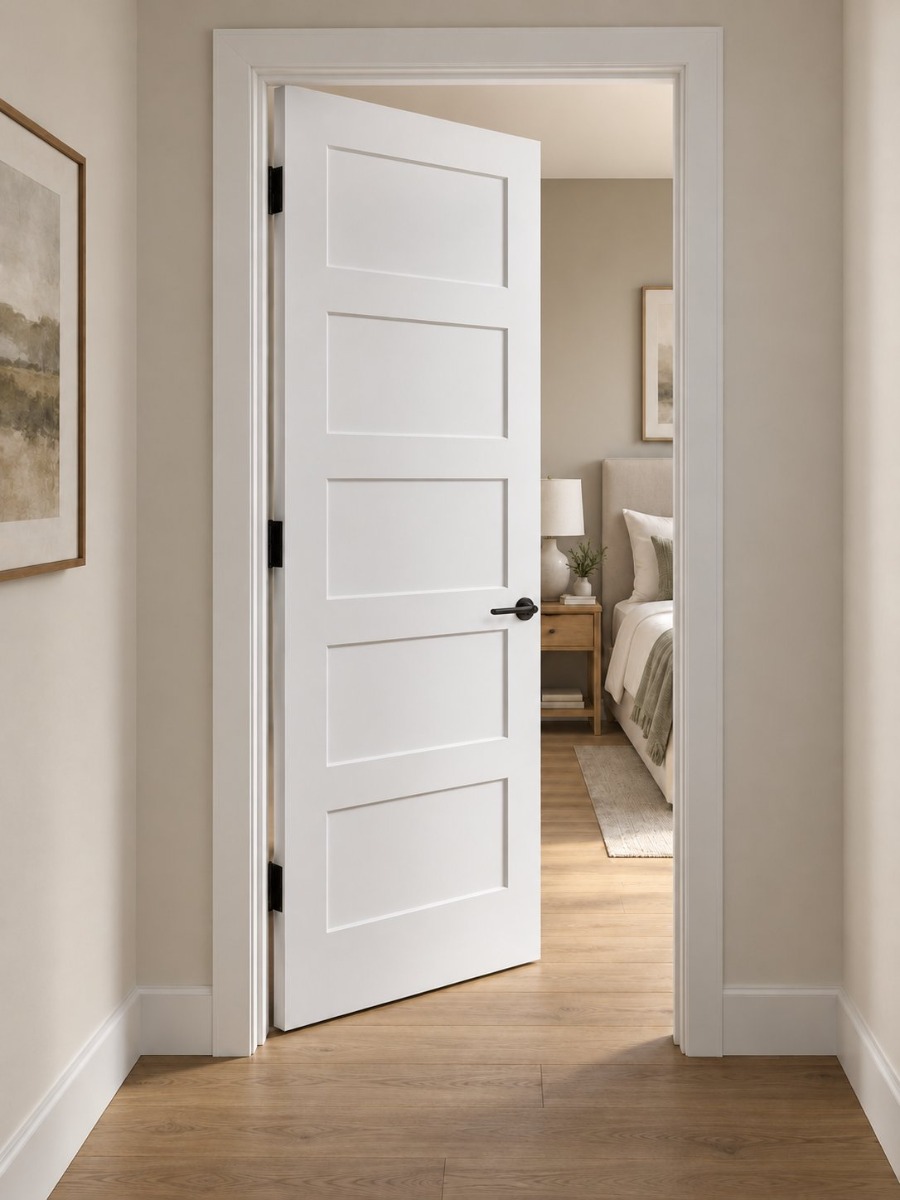
When selecting a layout, think beyond the individual door. If several doors are visible from one hallway, using the same panel pattern can make the space feel more intentional. If you want a subtle feature door for a pantry, laundry room, or home office, a different Shaker layout can add distinction while still staying within the same design family.
Slab versus prehung doors: A slab door is the door panel only. It is usually the better fit when your existing frame is square, in good condition, and already has hinges and a latch location that can be matched accurately. Slabs can be cost-effective, but they require careful measuring, mortising, drilling, and alignment.
A prehung door includes the slab already mounted in a frame. This option is often easier for new openings, major remodels, or situations where the old jamb is damaged, out of level, or being replaced. Prehung units reduce some layout work, but they still require proper shimming, fastening, leveling, and trim installation.
Sizing and measuring basics: Measure before you shop, and measure more than once. For a replacement slab, record the existing door’s width, height, and thickness, then note hinge size, hinge placement, bore location, and backset. Small differences can affect whether the door closes correctly or whether the latch lines up with the strike plate.
For a prehung door, the rough opening matters. You need enough space for the unit, shims, and adjustment, not just the visible door size. Also check floor clearance, especially if new flooring, rugs, or thresholds will change the finished height. If an opening is noticeably out of square, a professional installer may be worth the added cost.
How do core types affect privacy, weight, and feel?
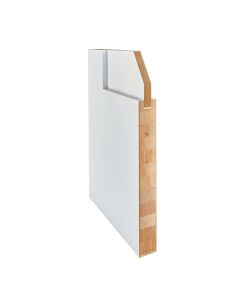
Core type affects how the door sounds, feels, and performs in daily use. A hollow core door is typically lighter and often more budget-friendly, which can make sense for closets or low-traffic spaces. A solid core door feels heavier, closes with a more substantial sound, and can improve perceived privacy between rooms.
Solid wood is another option in some product lines, valued for its natural material and repairability, but it may require more attention to humidity and finishing. Engineered cores and composite constructions are common because they can provide stability and consistent surfaces for paint. For bedrooms, bathrooms, offices, and media rooms, many shoppers prefer a heavier-feeling door because it creates a more finished impression.
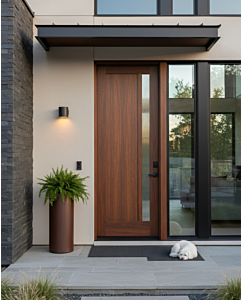
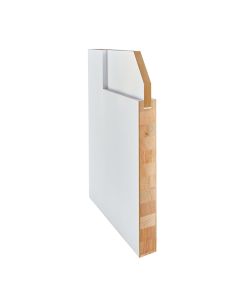
Materials and surface construction: Shaker style interior doors may be made with wood, MDF, molded composite skins, veneers, or engineered components. MDF and composite options are often chosen for painted interiors because they provide a smooth surface and a crisp recessed-panel look. Wood or wood veneer options can suit stained finishes when the product is designed for that purpose.
Material choice should match the room conditions. Bathrooms, laundry areas, and basements may have more humidity changes, so stability and proper finishing matter. In busy homes, consider how well the surface resists dents, how easy it is to touch up, and whether the edges feel durable enough for daily use.
Primed versus finished options: Primed doors arrive ready for paint after normal prep, such as light sanding, cleaning, and any recommended spot filling. They are a strong choice when you want to match trim, walls, cabinetry, or a custom color scheme. A primed Shaker door also gives you flexibility if the rest of the project is still evolving.
Finished doors reduce painting work and can help keep a project moving, but the color, sheen, and surface must already suit the room. If you choose a finished option, order carefully and protect the door during installation. Touch-ups are usually easiest when you know the exact finish system or have compatible paint available.
Hardware, hinges, swing, and handing
Door hardware is both functional and visual. Match the bore and backset to the knob or lever you plan to use, and choose passage, privacy, dummy, or keyed hardware based on the room. Bedrooms and bathrooms usually need privacy sets, while closets may need passage or dummy hardware depending on the door type.
Hinges should match the door weight, thickness, and existing jamb preparation. Heavier doors may require stronger hinges or an additional hinge, depending on the product and opening. Finish also matters: black, brass, bronze, chrome, and nickel hardware can change the entire feel of a Shaker door.
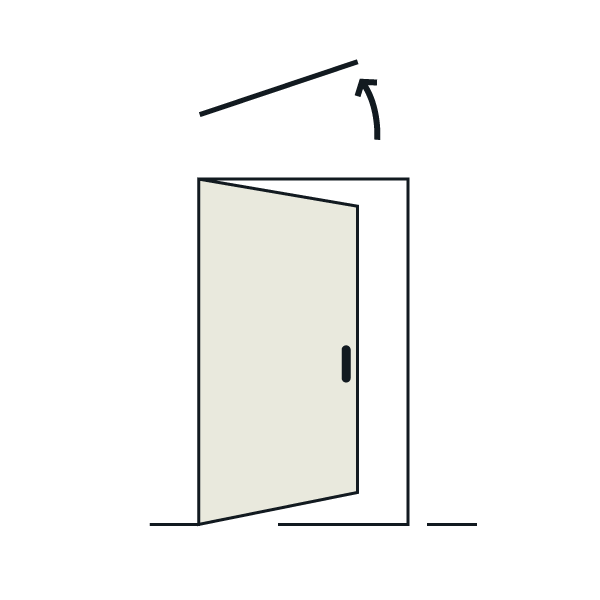
Swing and handing determine how the door opens. Stand on the side where the door swings toward you, then note whether the hinges are on the left or right. Also confirm that the swing will not block switches, hit furniture, interfere with another door, or reduce clear movement through a hallway.
FAQ
Shaker style interior doors are typically recognized by simple, clean lines, flat or recessed panel construction, and minimal ornamental detailing. They usually feature recessed panels and restrained, low-profile details rather than ornate raised-panel designs.
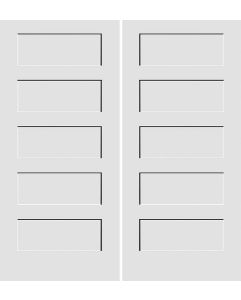
Common Shaker layouts include one-panel, two-panel, three-panel, four-panel, and horizontal-panel variations. In general, fewer panels create a calmer, more minimal look, while multi-panel layouts add more visual structure. Available configurations may vary by product.
Yes. Their simple geometry makes Shaker interior doors a versatile choice for modern farmhouse, transitional, contemporary, minimalist, and some classic interiors.
Many Shaker interior doors are sold primed and ready to paint, making it easier to coordinate them with your walls, trim, or overall interior color palette. Check the individual product details because finishes may vary.
A slab is the door panel only. A prehung door comes mounted in a frame. Understanding this distinction can help you select the correct format for your installation.
Confirm the opening size before ordering. If you are considering a prehung door, check the required jamb depth as well. Consult a dedicated measuring guide if you need more detailed instructions.
Upkeep is usually simple. Clean the door with a soft cloth and mild soap or detergent, then touch up painted or finished surfaces as needed to keep them looking fresh.