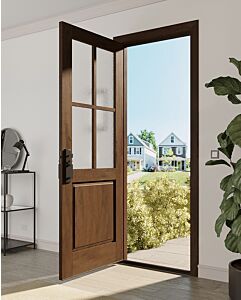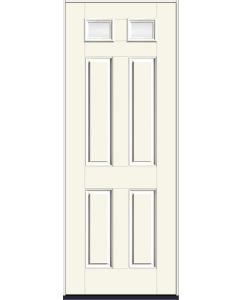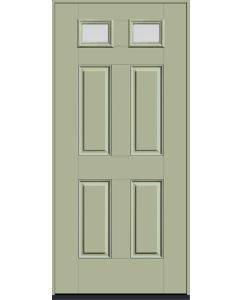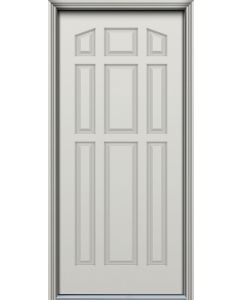
Colonial Front Doors for Traditional Home Exteriors
Colonial home style is commonly associated with a formal, symmetrical exterior and a centered, visually balanced entry. That is why colonial front doors usually look best when they support the facade's balance instead of drawing attention with heavy ornament or a dramatic shape. In this category, the strongest fits tend to feel orderly, centered, and visually disciplined, with details that reinforce a composed entry rather than compete with it.
-
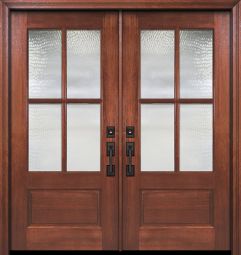
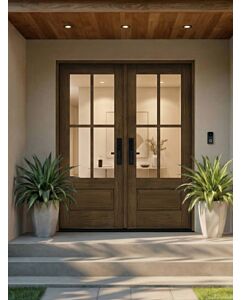
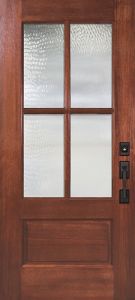
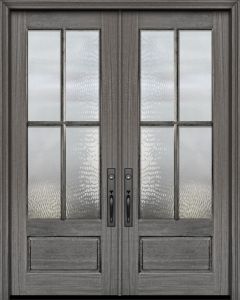
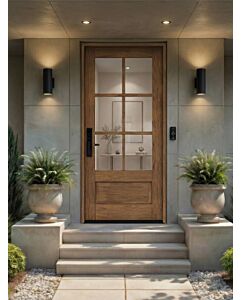
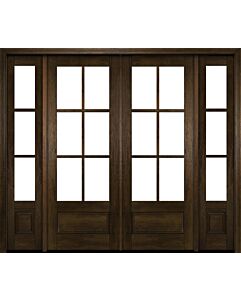
96" Double 3/4 Lite 4 Lite SDL DoorCraft Mahogany DoorNow Only $2,459.80 Regular Price $3,514.00 -
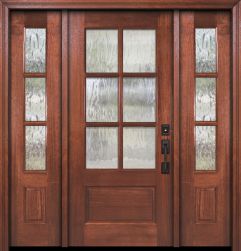
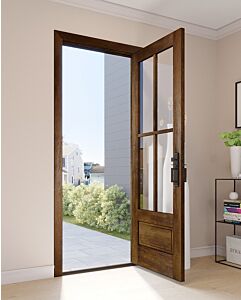
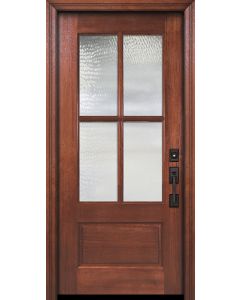
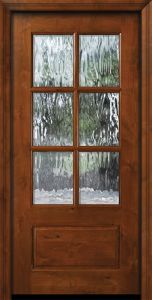
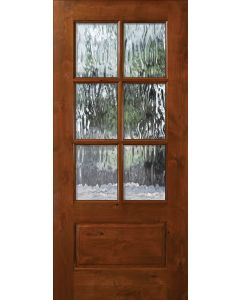
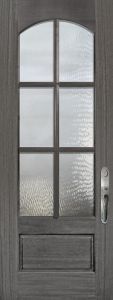
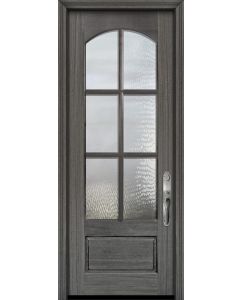
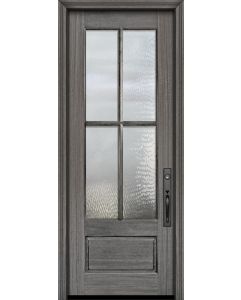
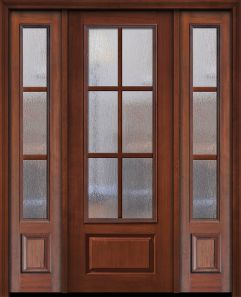
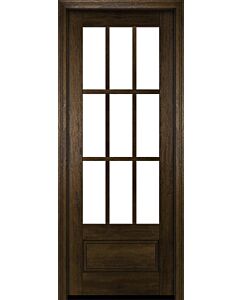
80" 2/3 Lite 6 Lite SDL DoorCraft Mahogany Door /2sideNow Only $2,866.50 Regular Price $4,095.00 -
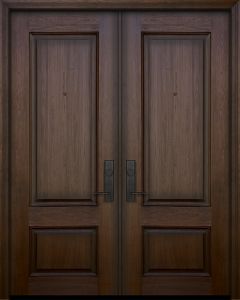
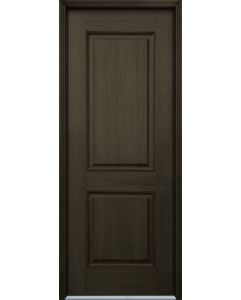
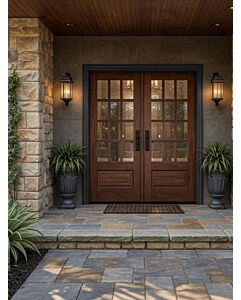
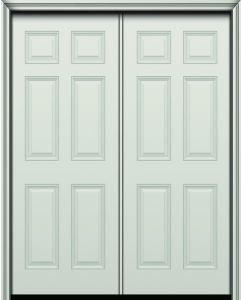
96" Double 2 Panel Square Mahogany DoorNow Only $2,918.30 Regular Price $4,169.00 -
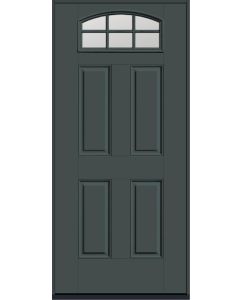
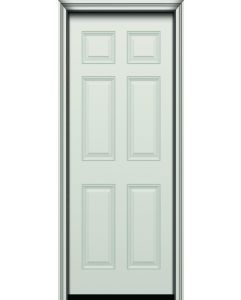
80" Low-E Camber Top 6 Lite 4 Panel Fixed Grilles Smooth Fiberglass Single DoorNow Only $946.02 Regular Price $1,182.30 -
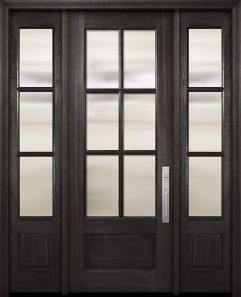
96" 3/4 Lite 6 Lite SDL DoorCraft Mahogany Door /2sideNow Only $3,437.00 Regular Price $4,910.00 -
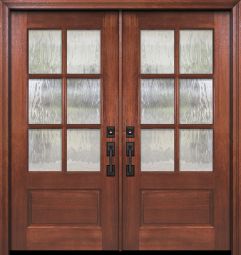
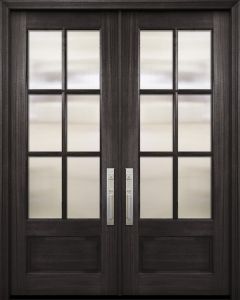
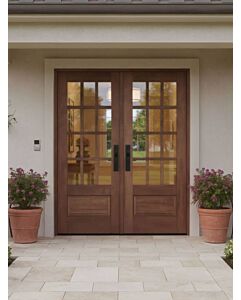
96" Double 3/4 Lite 6 Lite SDL DoorCraft Mahogany DoorNow Only $2,569.70 Regular Price $3,671.00 -
80" Double 2/3 Lite 4 Lite SDL DoorCraft Mahogany DoorNow Only $2,259.60 Regular Price $3,228.00 -
80" Double 2/3 Lite 6 Lite SDL DoorCraft Mahogany DoorNow Only $2,275.00 Regular Price $3,250.00 -
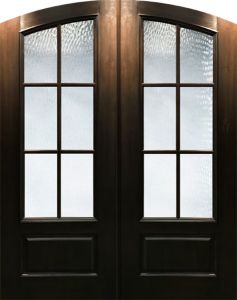
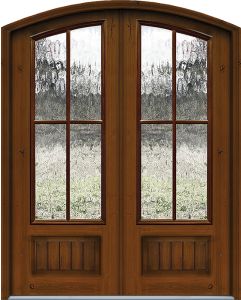
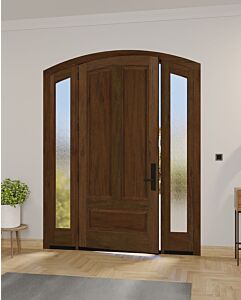
96" Double Square Top Arch Lite 6 Lite TDL DoorCraft Mahogany Door w/Textured GlassNow Only $2,662.80 Regular Price $3,804.00 -
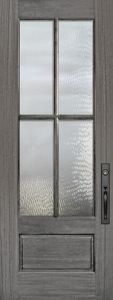
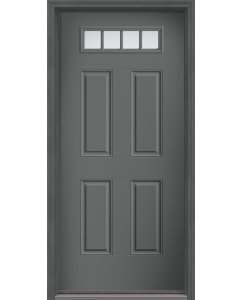
80" Clear Colonial 4 Lite Top View 4 Panel Fixed Grilles Smooth Fiberglass Single DoorNow Only $786.43 Regular Price $982.80 -
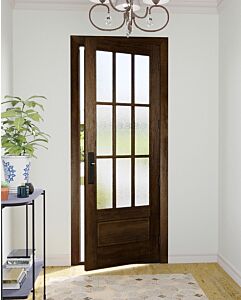
36" x 96" 3/4 Lite Arch 6 Lite SDL DoorCraft Mahogany DoorNow Only $980.00 Regular Price $1,400.00 -
IMPACT | 80" Double 3/4 Lite 1 Panel 6 Lite SDL Mahogany/Alder DoorNow Only $5,426.00 Regular Price $7,751.43 -
36" x 80" 6 lite TDL Estancia Alder Door w/Textured GlassNow Only $854.70 Regular Price $1,221.00 -
96" 3/4 Lite 1 Panel 6 Lite SDL Mahogany Door /2sideNow Only $4,937.10 Regular Price $7,053.00 -
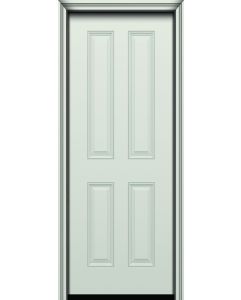
80" Low-E Top View 2 Lite 4 Panel Smooth Fiberglass Single DoorNow Only $858.87 Regular Price $1,074.15 -
96" Clear Colonial 12 Lite Fixed Grilles Smooth Full Lite Fiberglass Single DoorNow Only $1,194.86 Regular Price $1,494.15 -
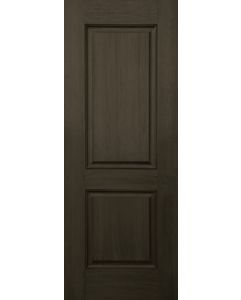
ValueSeries|96" 2/3 2 Panel Mahogany Single DoorNow Only $383.60 Regular Price $548.00 -
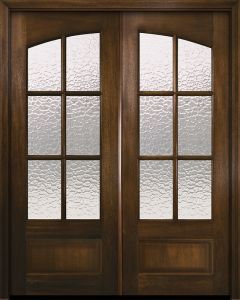
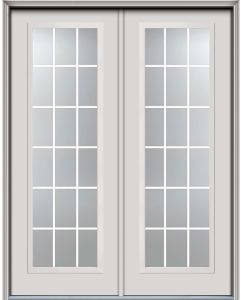
80" Clear Colonial 15 Lite Fixed Grilles Smooth Full Lite Fiberglass Double DoorNow Only $1,917.23 Regular Price $2,397.15 -
80" Chord Colonial 10 Lite SDL Smooth Full Lite Fiberglass Double DoorNow Only $3,820.82 Regular Price $4,776.45 -
IMPACT | 96" Arch Top 4 Lite SDL Mahogany/Alder Fiberglass Double DoorNow Only $8,226.98 Regular Price $11,752.83 -
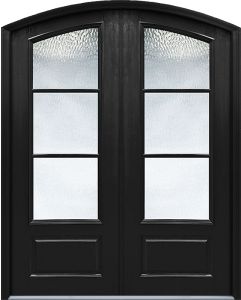
IMPACT | 96" Arch Top 3 Lite SDL Mahogany/Alder Fiberglass Double DoorNow Only $8,198.25 Regular Price $11,711.79 -
96" Arch Top 4 Lite SDL Mahogany/Alder Fiberglass Double DoorNow Only $5,986.40 Regular Price $8,552.00 -
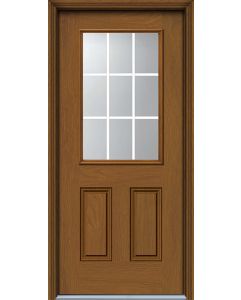
80" 1/2 Lite, 9 Lite GBG 2 Panel Woodgrain Fiberglass Single DoorNow Only $1,510.74 Regular Price $3,021.48 -
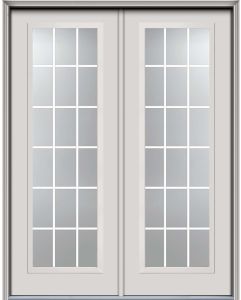
96" Full Lite, 18 Lite GBG Colonial Smooth Fiberglass Double Door, HVHZ ImpactNow Only $6,462.23 Regular Price $12,924.45 -
96" Full Lite, 18 Lite GBG Colonial Smooth Fiberglass Double Door, WBD ImpactNow Only $5,882.42 Regular Price $11,764.83
Colonial Front Doors Buyer Guide
Panel layout and restrained detailing
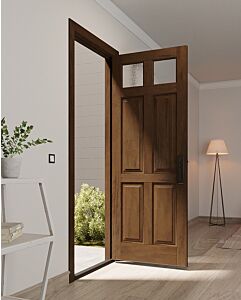
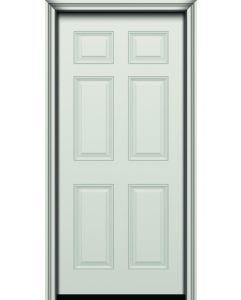
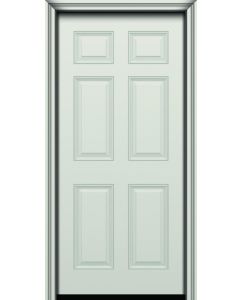
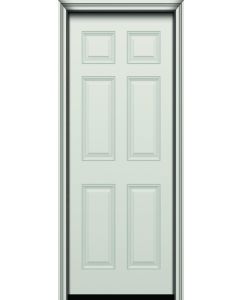
One of the clearest signs that a door belongs on a colonial-style exterior is an orderly paneled composition that suits colonial exterior doors. When the panels feel balanced and symmetrical, the entry reads as structured and traditional in a way that suits this home style. That does not mean there is only one correct panel arrangement. It does mean the overall rhythm should look intentional and composed rather than experimental or visually busy.
Profile treatment matters just as much as panel layout. Subtle profiles and restrained sticking usually support colonial formality better than heavy carving or rustic texture. Buyers who want a stronger colonial look should usually lean toward crisp, understated detailing, especially when the home's exterior already feels formal and settled. By contrast, deeper carving or rougher texture can add visual noise that pulls the entry away from the calm, tailored look many colonial facades carry.
Proportion is the other key filter. A colonial-appropriate door should feel proportionate to a centered facade and should not visually overpower the elevation. This is less about the door in isolation and more about how its visual weight works with the house around it. If the facade is already symmetrical and composed, a simpler door often looks more convincing because it preserves the architecture's balance instead of competing with it.
Put together, these cues create a useful shopping lens. Look for a door with a clean panel rhythm, restrained detailing, and enough visual presence to anchor the entry without making it feel top-heavy or overstyled. That approach helps you identify options that feel classically colonial, while also filtering out designs that may be attractive on their own but less aligned with this particular exterior style.
Solid panel versus restrained glass
For many shoppers, the biggest decision in this category is whether the entry should lean more formal and private or a little more open and light-filled. Solid panel colonial front doors usually read as the more formal option, and they generally make sense when privacy is a leading priority. They also keep the focus on the paneled form itself, which can strengthen the traditional, composed look many homeowners want from a colonial entry.
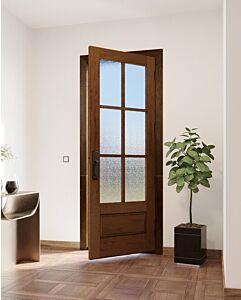
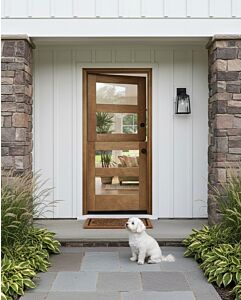
Glass-accented colonial doors can still fit the style well when the glazing stays ordered, restrained, and compatible with a traditional composition. Glass alone does not automatically push a door out of this category. The better fit is usually a design where the glass feels integrated into the door's symmetry rather than becoming the main event.
A simple side-by-side comparison can help:
- Solid panel direction:Â Usually the better starting point if you want a more formal look, stronger privacy at the entry, and a door that emphasizes classic paneled structure.
- Restrained glass direction:Â Usually the better starting point if some daylight matters and you still want the door to read as traditional and balanced.
The tradeoff is simple. More glass can make the entry feel lighter and more welcoming, but it can also reduce privacy. Less glass usually preserves privacy and keeps the expression more formal. For colonial homes, the safest middle ground is often limited or orderly glazing rather than oversized uninterrupted glass, which can shift the look away from this category's architectural character.
If you want broader guidance on glass styles, see our glass type guide.
Sidelites, width, and entry balance
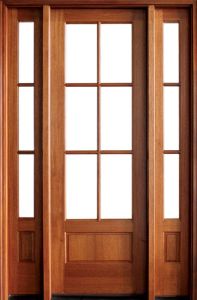
Sidelites can work very well with colonial front doors when they reinforce the same sense of order and formality as the door itself. They are most convincing when they help maintain a balanced, centered composition at the entry rather than simply adding width for its own sake. That distinction matters because colonial-style facades usually depend on visual discipline more than visual drama.
For some homes, a single door may already feel proportionate and complete. In those cases, adding more glass or width may not improve the architecture. For others, sidelites can help the entry feel properly scaled, especially if they mirror the door's restraint and preserve the facade's symmetry. The goal is not to make every opening larger. It is to make the entry feel balanced.
Wider configurations should stay visually disciplined. If the glass and trim begin to dominate the opening, the result can feel less traditionally colonial, even if the overall assembly is attractive. This is especially important on modest facades, where too much width or too much visual activity can make the entry compete with the house rather than belong to it.
A useful way to think about it is by role:
- Single entry:Â A strong choice when the facade is already well proportioned and does not need extra width to feel complete.
- Sidelite-supported entry:Â A good choice when sidelites improve symmetry and echo the door's formal character.
- Wider restrained assembly:Â A workable choice when the added width stays controlled and does not let glass or trim overpower the entry.
If daylight matters here too, keep that benefit in balance with privacy and overall visual restraint.
Finish direction for a colonial exterior
Finish direction can either reinforce colonial character or pull the door away from it. In general, colonial-style front doors are commonly shown in understated painted colors or classic wood-tone looks rather than highly trendy or aggressively rustic finishes. That kind of restraint helps the door belong to the facade instead of acting like a separate design statement.
For a more formal exterior, an understated painted direction often supports the clean, settled look that makes colonial entries feel composed. A classic wood-tone direction can also work well when the overall effect stays timeless and controlled rather than rough-hewn or fashion-driven. The common thread is harmony: the finish should support the architecture, not overpower it.
If you have narrowed the style but want another opinion on the best colonial fit, our team can help you weigh the options.
Colonial fit versus broader traditional looks
Traditional and colonial are not exactly the same thing. Not every traditional entry door reads as distinctly colonial. For this category, colonial fit depends more specifically on symmetry, restrained detailing, and the orderly panel composition associated with classic colonial door styles. That makes this section useful as much for ruling out weak fits as for confirming strong ones.
Â
Here is a practical way to narrow the field:
- Usually a strong colonial fit:Â Traditional doors that keep the composition orderly, the detailing restrained, and the overall expression balanced.
- Often too ornate:Â Designs with excessive ornament or carving that add more decoration than the facade needs.
- Often too rustic:Â Doors with distressed character or rough-hewn visual language that shift the entry away from a formal colonial reading.
- Often too contemporary for this category:Â Doors with oversized uninterrupted glass or a starkly simplified expression that puts more emphasis on modern openness than colonial symmetry.
This does not mean other traditional directions are wrong in general. It means they may not be the closest architectural match for a colonial-style exterior. If you want the door to feel convincingly at home on this type of facade, use broader traditional styling only when the core colonial cues remain clear.
FAQ
A strong fit usually starts with symmetry, orderly panels, and a level of detailing that feels restrained rather than showy. The door should also feel proportionate to the facade so it anchors the entry without overpowering it.
Choose a solid panel door if privacy and a more formal look matter most. Choose restrained glass if you want some daylight and the glazing still feels ordered and compatible with a traditional entry composition.
Sidelites work best when they mirror the door's formality and improve the balance of the entry. If added width or glass starts to dominate the opening, the result can feel less traditionally colonial.
Understated painted directions and classic wood-tone looks are usually the safest fit for a colonial exterior. Trend-heavy or distressed finishes are less likely to support the composed look this category depends on.
The strongest overlap comes from traditional styling that still preserves symmetry, restrained detailing, and orderly composition. Doors that lean too ornate, too rustic, or too glass-dominant are less likely to read as a close colonial fit.