
Builder Grade Doors
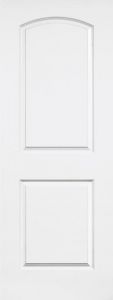
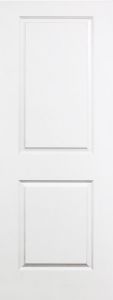
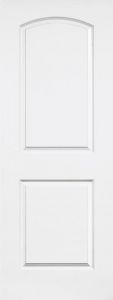
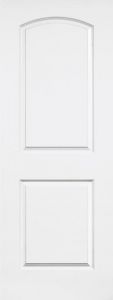
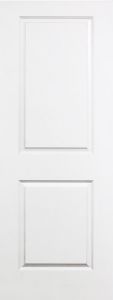
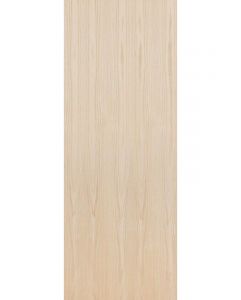
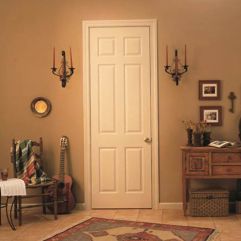
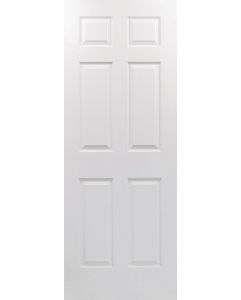
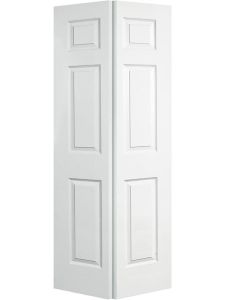
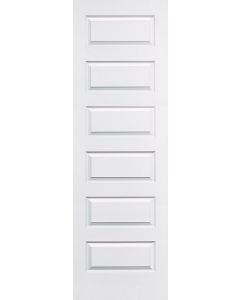
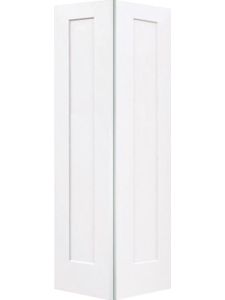
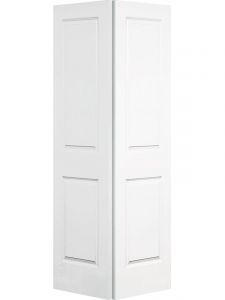
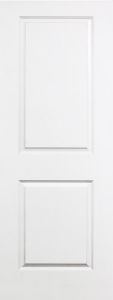
Hollow core interior doors feature a lightweight internal structure rather than a solid wood core. Because many molded door lines offer both hollow and solid cores in the same styles, you can choose the construction that fits your budget without sacrificing the look you want.

Please wait...








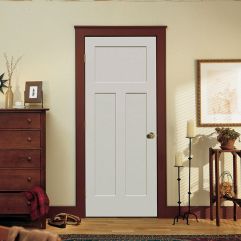


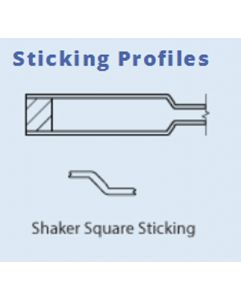
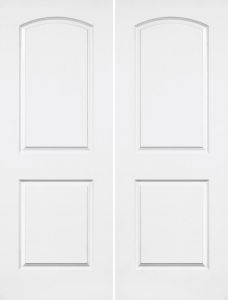
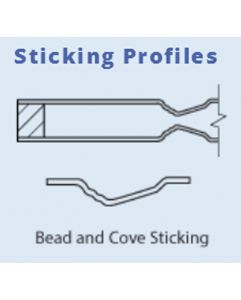


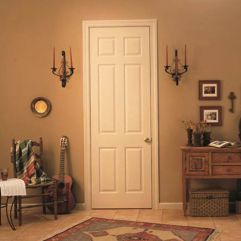
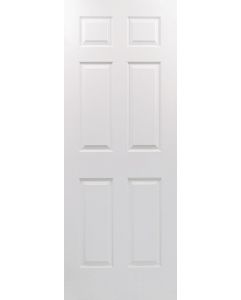

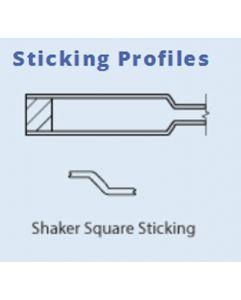
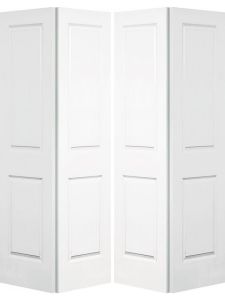

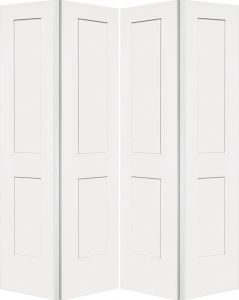

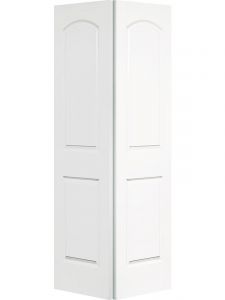

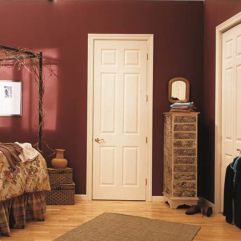
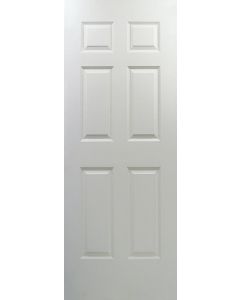
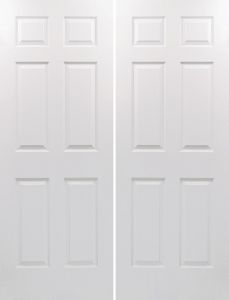
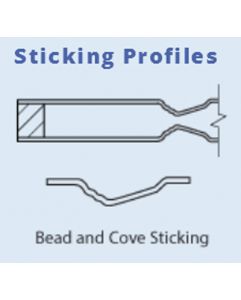
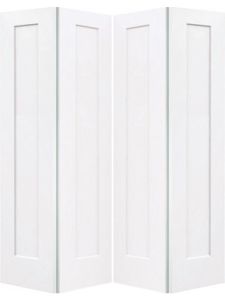
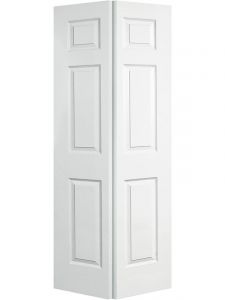



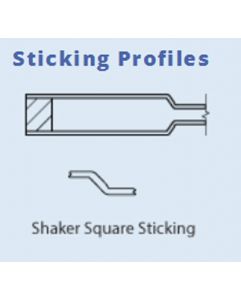


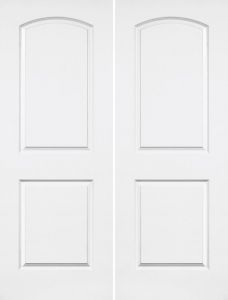
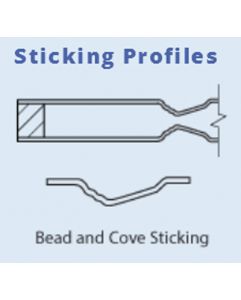
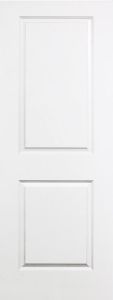
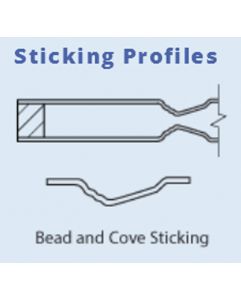
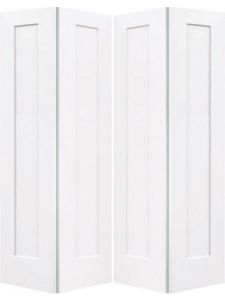

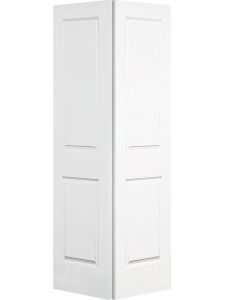



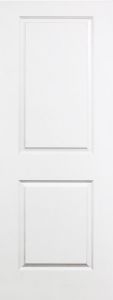
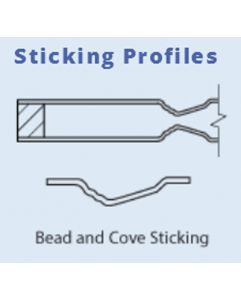
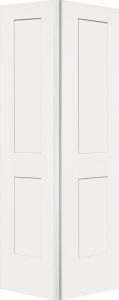

Please wait...
Hollow Core Interior Doors Buyer Guide
FAQ
A hollow core interior door is an interior door built with a lighter internal core structure rather than a dense solid core. In many molded interior door lines, the core choice is separate from the style choice, so you can think about construction fit and appearance as two different decisions.
Hollow core interior doors are commonly a practical fit for closets, pantries, and laundry rooms, where privacy is usually less important. For bedrooms, bathrooms, or other more privacy-sensitive rooms, some buyers may want to consider solid core instead of assuming hollow core is always enough.
Yes. They can be a strong value choice when you want a practical interior door for everyday use and do not need the heavier feel of a denser construction. The value conversation is more about appropriate fit than making exact price claims.
No. Hollow core doors generally offer less sound insulation than solid core doors. They are better framed as a practical interior-door option than as a sound-control upgrade.
They can be appropriate for everyday residential use in rooms like closets, pantries, and laundry rooms, but they are not as sturdy as solid core doors and are more susceptible to scratches and dents. If you want a heavier feel or expect more day-to-day impact, that difference is worth considering.
Start by confirming the opening and the selected product specifications before comparing styles. Common catalog examples include a 1-3/8 inch thickness, widths from 1 foot 0 inches to 3 feet 0 inches, and heights such as 6 feet 8 inches, 7 feet 0 inches, and 8 feet 0 inches, but those are general reference points rather than exact category availability.
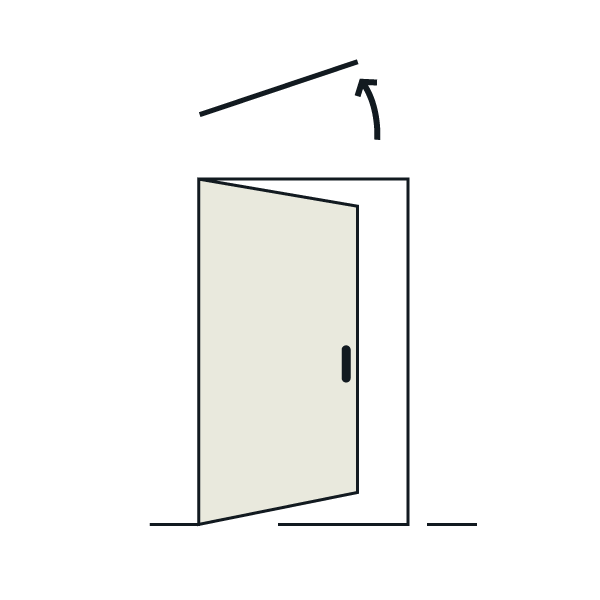
Choose a slab path when the existing frame and prep details are already compatible with replacing just the door panel. A pre-hung unit is more relevant when you need more than the panel itself, since standard pre-hung options commonly include components such as the jamb, stop, and hinges.