Arch Top Doors
Shop Arch Top Doors for graceful curved character that creates a distinctive focal point at an entrance or interior opening. Choose between gentler and more rounded profiles, single and double doors, adjoining sidelites or transoms, glass and solid-panel designs, and wood or fiberglass.
Available options vary by product. Narrow the selection by size, configuration, glass, and style.

Please wait...
-
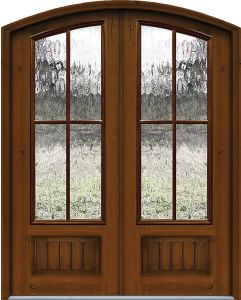 96" Arch Top 4 Lite SDL Mahogany/Alder Fiberglass Double DoorNow Only $5,986.40 Regular Price $8,552.00
-
 36" x 96" Double Arch Top 6 Lite SDL DoorCraft Mahogany DoorNow Only $3,627.40 Regular Price $5,182.00
-
 IMPACT | 96" Double Arch Top Valencia Wrought Iron Mahogany/Alder DoorNow Only $9,031.37 Regular Price $12,901.95
- 96" Double Arch Top 6 Lite SDL Mahogany/Alder DoorNow Only $6,022.10 Regular Price $8,603.00
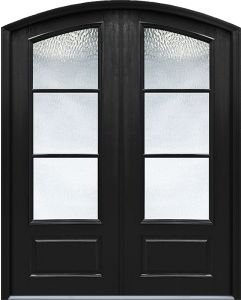
- 96" Double 6 Lite Arch Top TDL DoorCraft Mahogany Door w/Textured GlassNow Only $3,572.80 Regular Price $5,104.00
- IMPACT | 96" Arch Top 4 Lite SDL Mahogany/Alder Fiberglass Double DoorNow Only $8,226.98 Regular Price $11,752.83
- IMPACT | 96" Arch Top 3 Lite SDL Mahogany/Alder Fiberglass Double DoorNow Only $8,198.25 Regular Price $11,711.79
- 96" Arch Top 3 Lite SDL Mahogany/Alder Fiberglass Double DoorNow Only $5,950.00 Regular Price $8,500.00





Please wait...
Choosing Arch Top Doors
Start with the curve and overall configuration, then consider the opening, intended use, glass, material, and any approval requirements. These choices determine which doors belong on your shortlist.
Choose the curve for Arch Top Doors
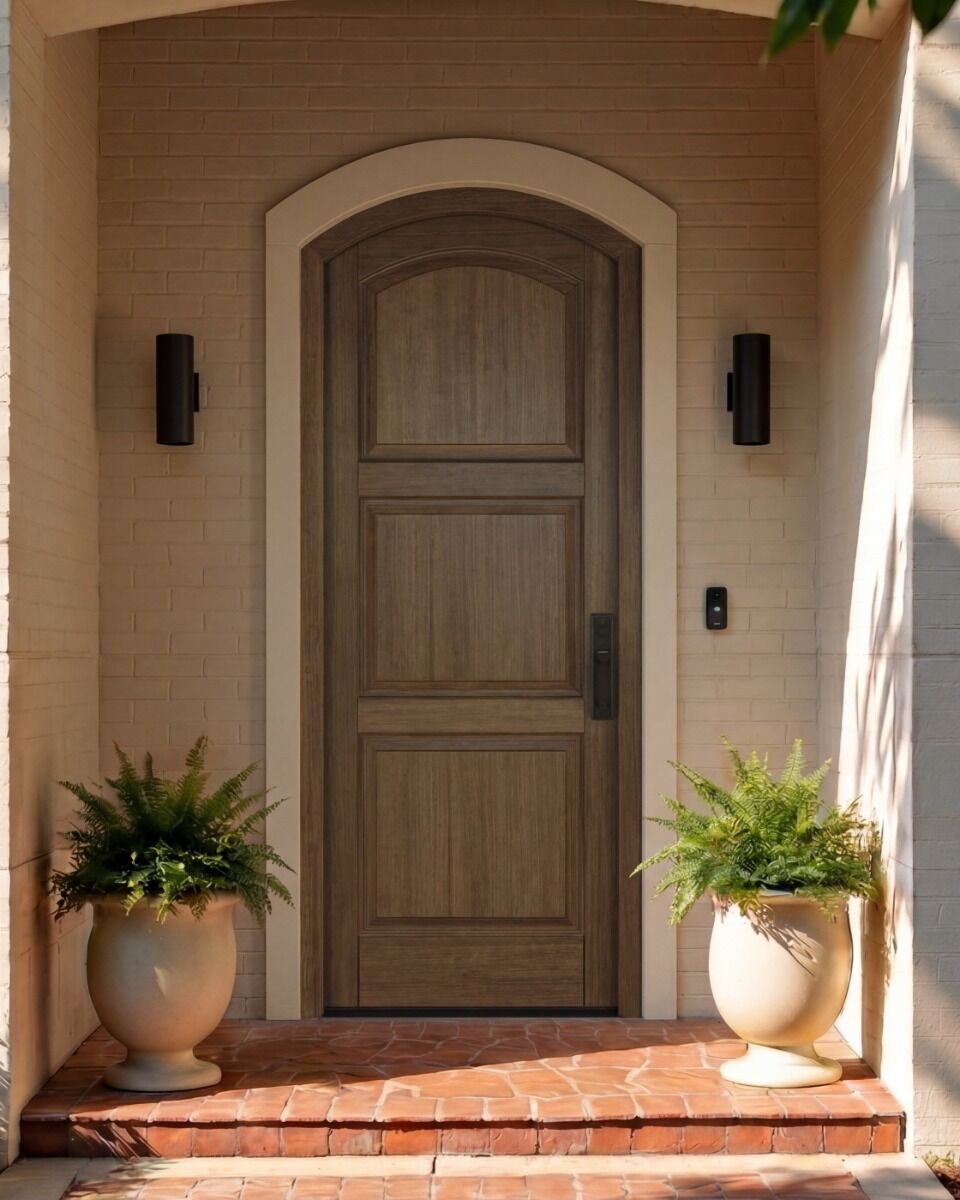
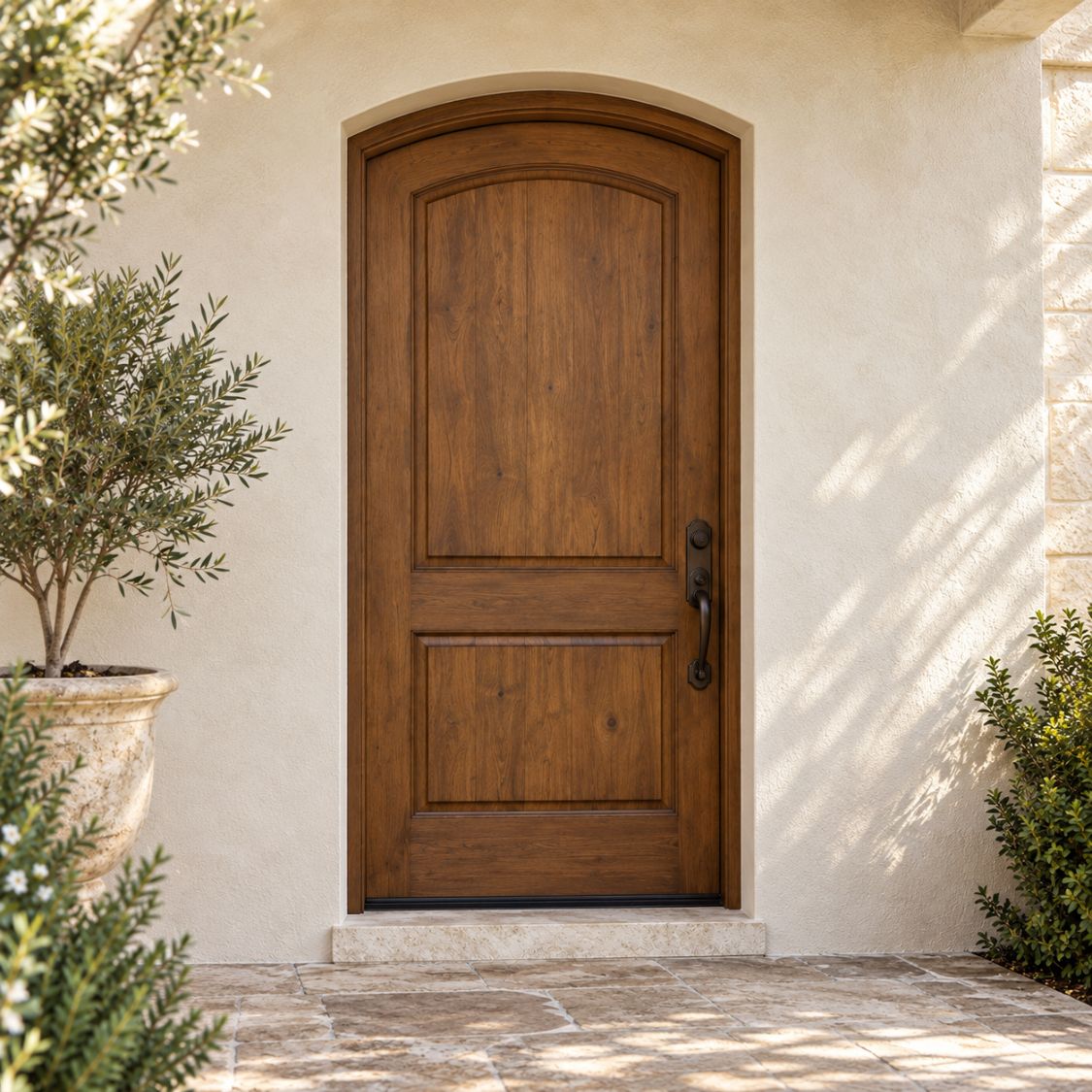
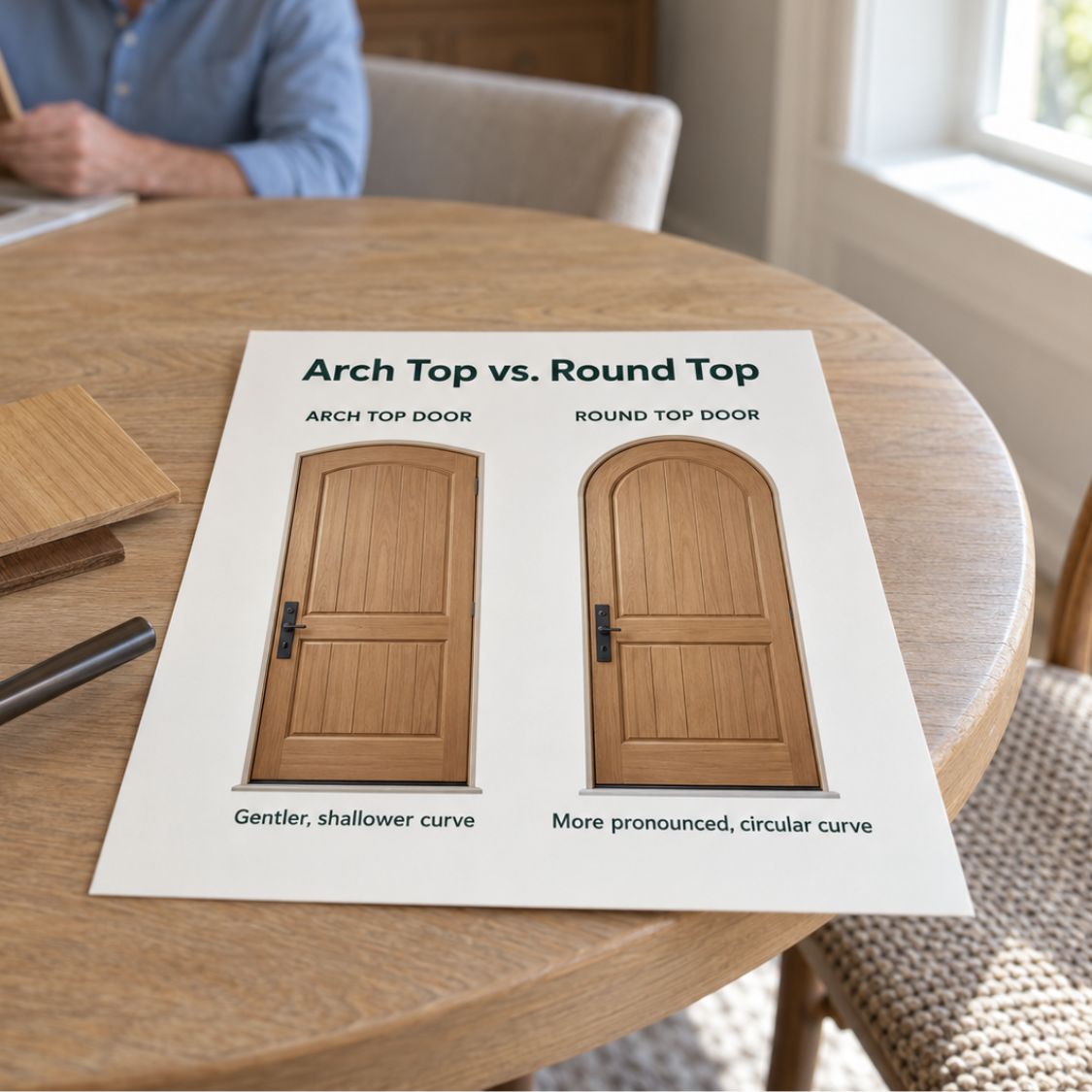
Choose a gentler arch profile when a lower visual rise suits the opening. Choose a more rounded radius profile when you prefer a stronger curved crown. An Arch Top Door has a curved outer edge at the top of the slab, rather than only an arched panel or glass detail inside a rectangular door.
Pick a single or expanded configuration
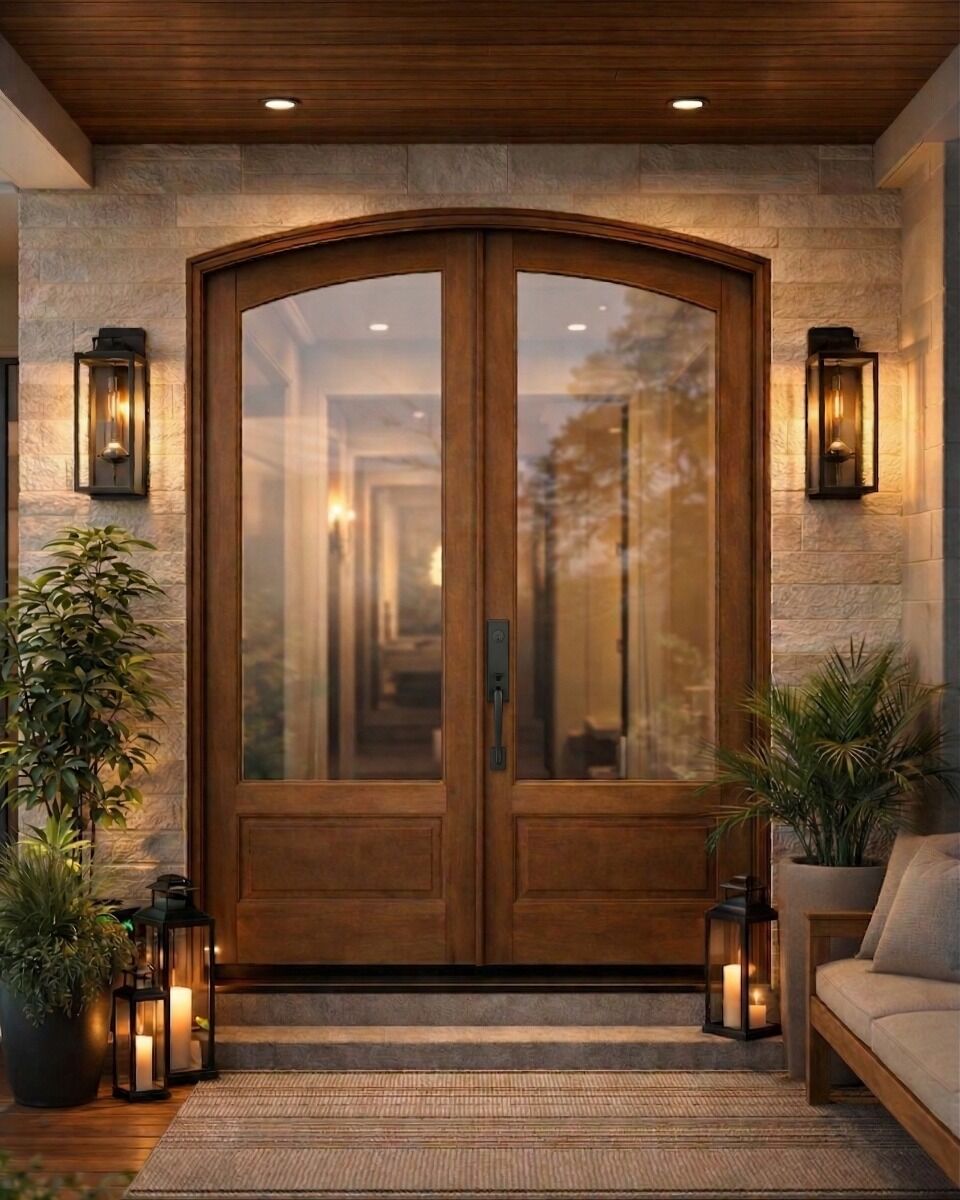
Choose a single Arch Top Door for a simpler, more contained entrance, or double doors when a broader composition and wider passage fit the opening. Sidelites broaden the composition beside the door, while a transom adds height above it. Sidelites require space beside the door, and a transom requires space above it. Glass in these adjoining components can also add daylight. Compare Arch Top Single Doors and Arch Top Double Doors.

Match Arch Top Doors to the opening
Choose a slab-only replacement when the existing frame opening, head-jamb shape, dimensions, and curved profile match the new slab. Choose a coordinated prehung unit when the door and shaped head jamb need to be paired for the profile. Nominal door size can narrow the choices, but slab size, complete-unit size, rough-opening dimensions, and curved-profile dimensions are separate measurements. Similar nominal sizes or product photos do not establish that a door will fit.
Plan where the door will be used and any required approvals
Choose a door listed for exterior use for a front entrance, one identified for indoor use for an interior opening, or a French or patio product when that is the planned use. A similar shape or material does not establish where a door is appropriate.
When project approval is required, choose only an Arch Top Door covered by current applicable documentation for the exact assembly and conditions. A change in size, swing, configuration, hardware, or installation conditions can place the proposed unit outside the tested scope.
Choose glass or a solid-panel design
Choose an Arch Top Door with glass when daylight and visual connection matter. Choose a solid-panel door when reducing views and creating a more continuous surface are higher priorities.
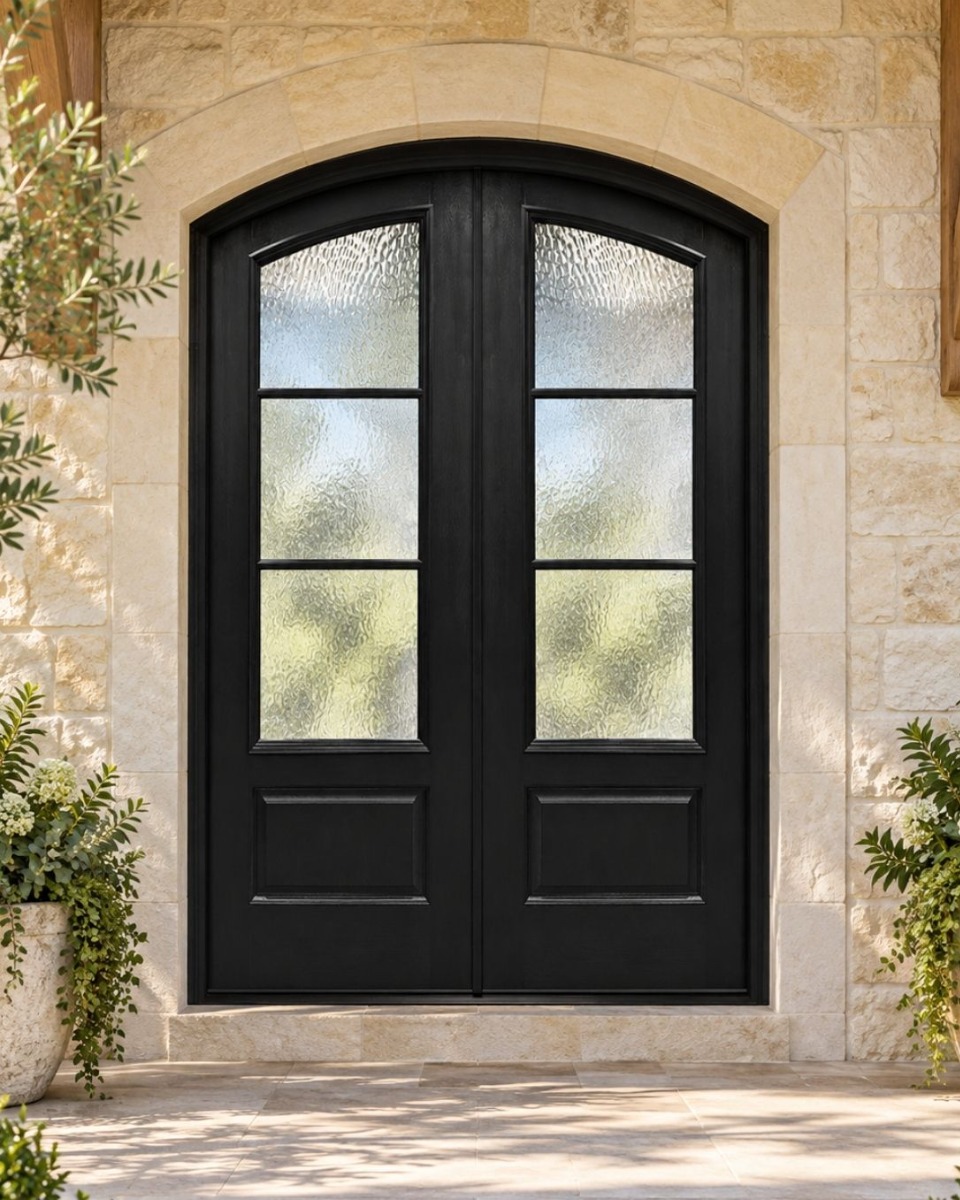
Clear glass provides a more direct view, while etched, frosted, rain, white, and other patterned treatments can reduce visual clarity. A texture name does not establish a universal privacy level.

Compare wood and fiberglass Arch Top Doors
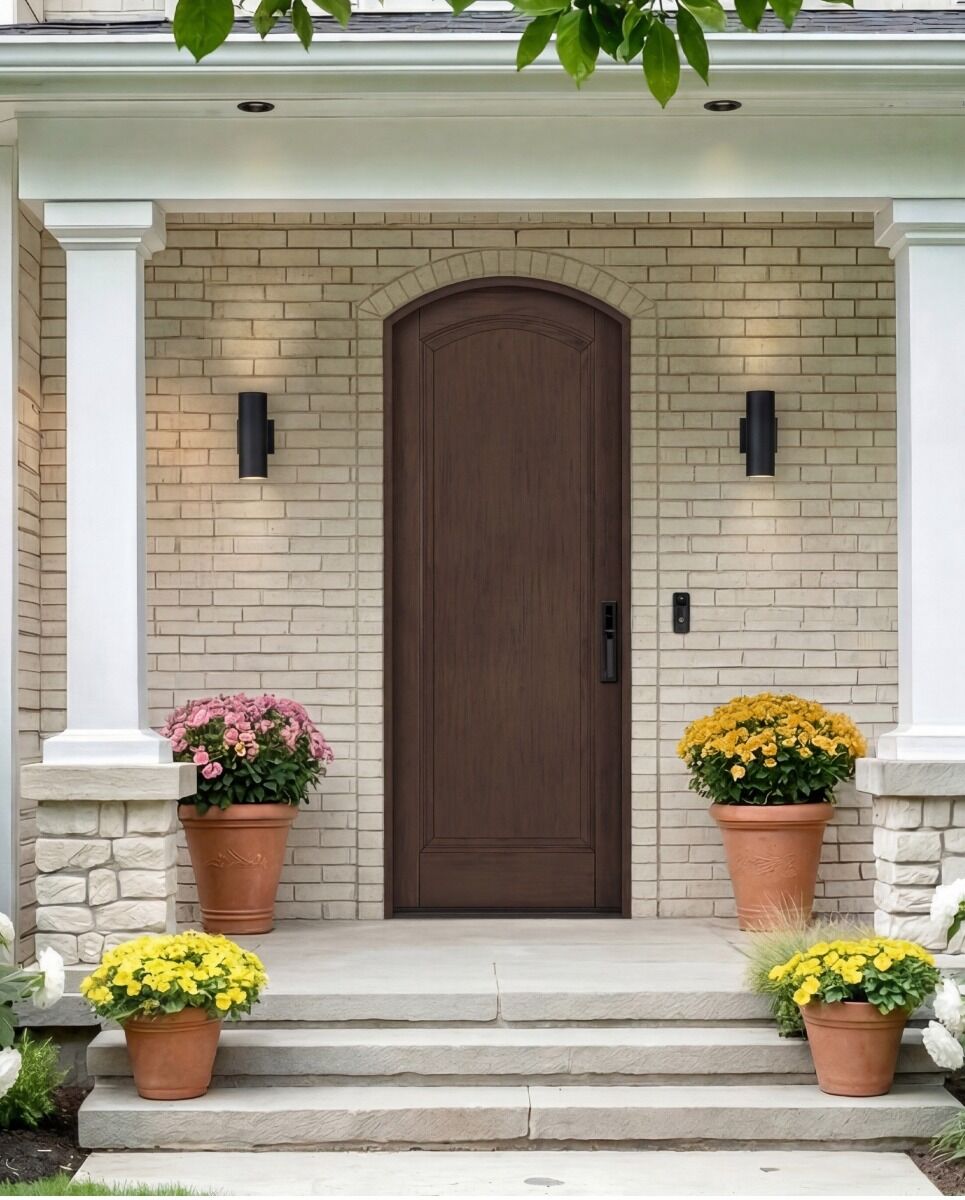
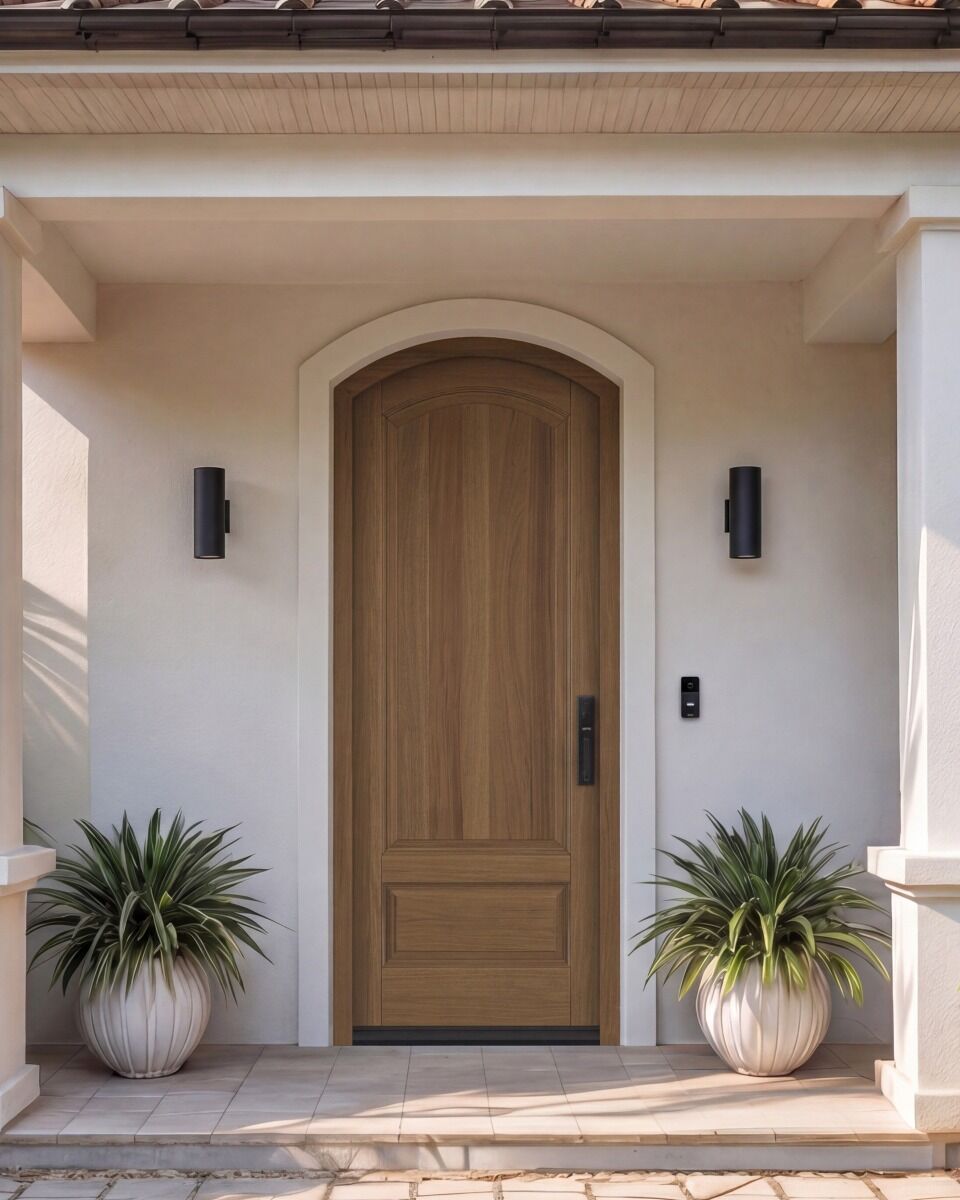
Choose wood when natural material character is the priority and protective finishing and ongoing care are acceptable. Choose fiberglass when a manufactured surface and generally lower routine upkeep better suit the project.
Neither material should be assumed to be maintenance-free.
Before You Order
- ✓The product details list the intended exterior, interior, French, or patio use.
- ✓The complete configuration supports every selected door panel, sidelite, and transom.
- ✓Nominal size is used only for initial narrowing.
- ✓The drawing for the selected size and assembly confirms the curved profile, slab dimensions, complete-unit dimensions, and rough-opening information.
- ✓The curved slab and head-jamb profile coordinate, and the offered slab or prehung format suits the project.
- ✓The glass or solid-panel design and glass texture provide the light and level of visibility you want.
- ✓The listed material, finish care, and warranty information match your expectations.
- ✓When approval is required, current documents cover the exact size, swing, configuration, hardware, and installation conditions.
FAQ
In a single Arch Top Door, the curve sits within one slab. In a coordinated pair, the design can extend across two door panels. The complete assembly drawing shows how the curve is distributed across the pair.
In many double-door arrangements, one door panel is active for everyday use and the other can be opened when a wider passage is wanted. The active panel is the one used routinely, while the inactive panel stays closed until needed.
Not necessarily. A mahogany or woodgrain description does not by itself identify the underlying material. Engineered wood may use a real mahogany face, while fiberglass may have a mahogany woodgrain appearance. The listed material should be considered separately from the grain, texture, or pattern description.
Not necessarily. The offered product format varies, so do not assume the same Arch Top Door is available both as a slab and as a prehung unit.
Arch Top Doors have a curved outer top edge on the slab. If the outer door remains rectangular and only the interior detail is arched, compare Arch lite doors or arched panel doors instead. The distinction is the outer slab shape, not simply the presence of an arch within the design.