
Interior French Door - Narrow Profile Doors
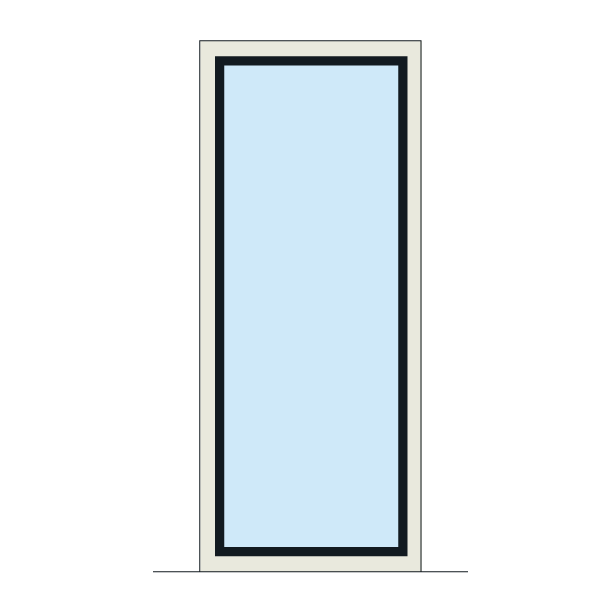
Interior French doors add glass, light, and structure to connected rooms without fully opening the floor plan. Use this page to narrow your options by size, configuration, lite pattern, privacy glass, and system type.
If you already know where the doors will go, start with sizing and privacy needs, then choose a lite pattern that fits your trim, sightlines, and room style.
Maximize your space with the sleek and stylish Narrow Profile doors from US Door & More. Designed to provide a refined look while conserving space, these doors are perfect for modern homes or areas with limited room. Our Narrow Profile doors offer a blend of elegance and functionality, with customizable options in materials, finishes, and configurations to suit your unique style. Enjoy high-quality craftsmanship in a compact design that doesn’t compromise on aesthetics or durability.

Please wait...

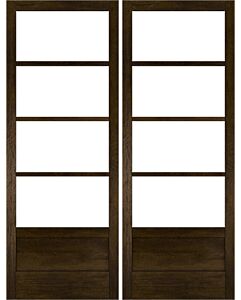
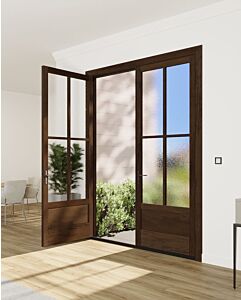

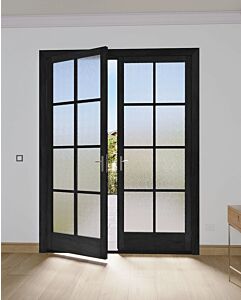
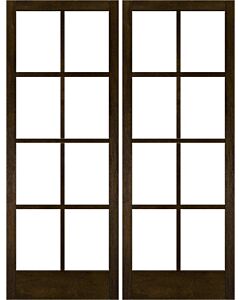

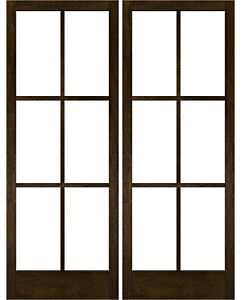
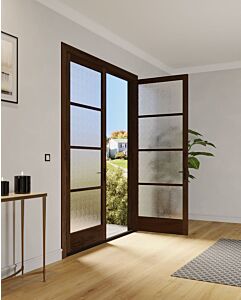
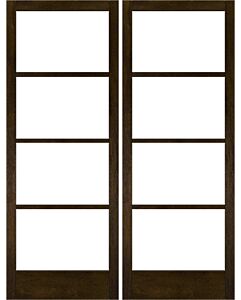

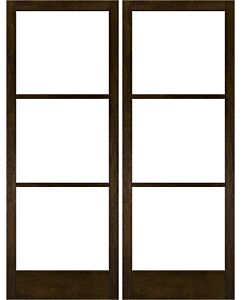
Interior French Door Buyer Guide
FAQ
Interior French doors are single or paired hinged doors with large glass panels designed to move light between rooms while maintaining separation.
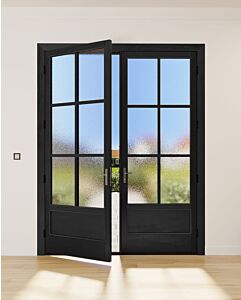
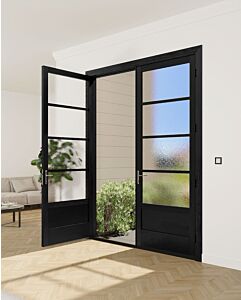
Single works for one-leaf openings. Double French doors provide a wider, symmetrical opening with more access width, often within a 48 to 72 inch total range.
Bypass doors slide within the frame. Pocket doors slide into the wall, while barn doors slide along the wall and need clear wall space beside the opening.
A 1-lite design uses one large glass panel. Divided-lite patterns split the glass into smaller panes for a more structured, traditional look.
Traditional interiors typically align with divided-lite grids. Modern French doors often work best with full-lite or minimal-grid designs.
Frosted and obscure glass reduce visibility while still letting light pass through. Higher opacity provides more privacy, though silhouettes may still be visible.
Many interior French doors are around 80 inches tall, with leaf widths ranging from 18 to 36 inches. Sizes typically increase in 2-inch increments.
Prehung doors include the frame. Slab doors are the panel only and are used when an existing frame is already in place.
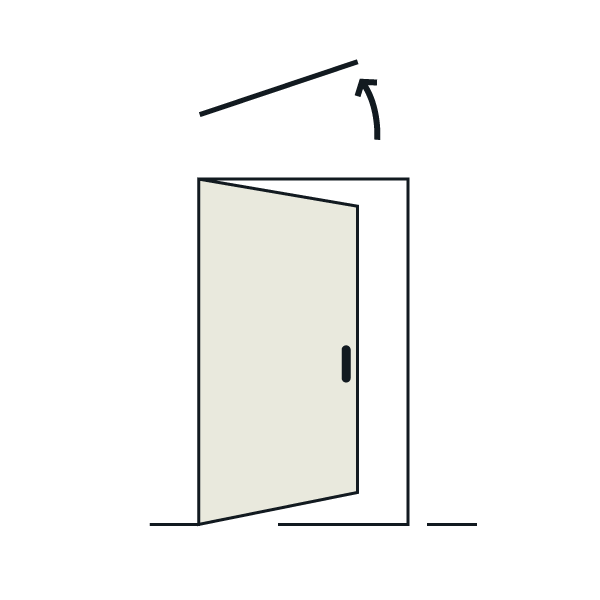
Handing refers to the hinge side and swing direction, helping you determine how the door will operate within your space.