
Modern Interior Wood Doors - Quadruple Door
If you are shopping for modern interior wood doors, this category is a strong place to start because contemporary and modern styling is clearly represented throughout the assortment. This category includes five verified wood-species or material paths: Birch, Knotty Alder, Mahogany, Pine, and Primed.

Please wait...




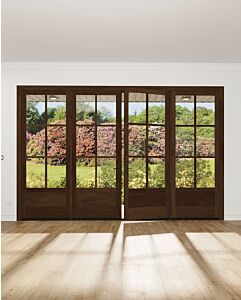

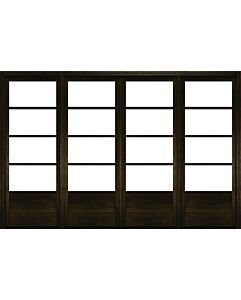






Modern Interior Wood Doors Buyer Guide
What defines this style
The simplest way to shop this category is to decide first between a painted result and a natural wood look with visible grain. That choice quickly separates the assortment into two practical paths and makes the rest of the selection easier.
Paint-ready path
Primed is the clearest paint-ready signal in this category, making it the most direct option for shoppers planning a painted finish rather than a stain-first wood-grain look. If your goal is a crisp, controlled color finish that supports a modern interior palette, starting with Primed can help you avoid sorting through natural wood options that are more visually tied to exposed grain. This path is especially useful when wood character is not the main design feature and the priority is a smoother painted appearance. The main tradeoff is visual: a primed option supports the painted outcome, while it does not serve the same purpose as a natural wood selection chosen for visible grain character.
Visible-grain wood path
If you want the warmth and texture of real wood character to stay part of the finished look, the natural wood options in this category are the stronger place to focus. Those verified natural wood paths include Mahogany, Birch, Knotty Alder, and Pine.
Mahogany deserves the most attention here because it is the dominant visible option within the assortment. For many shoppers, that makes it the most practical starting point when they want the widest range of wood-forward looks on this page. Still, it should be treated as the main path, not the only one, because Birch, Knotty Alder, and Pine also give buyers additional verified wood directions inside the category.
The best choice depends on what you want the door to do visually. If the finish should highlight grain and support a more natural wood statement, the visible-grain group makes more sense. If the finish should blend into a painted scheme, Primed is the cleaner shortcut.
Modern style fit and room use
This assortment supports modern styling well because contemporary-modern language is a major visible signal in the category itself, not just a keyword placed around it. That matters for homeowners who want wood doors that feel current and design-aware, especially in spaces where the door is part of the room's visual composition rather than only a divider.
These interior wood doors make the most sense in finished spaces where appearance and separation both matter, including bedrooms, home offices, dining rooms, and similar interior areas. In those rooms, the door can shape the overall feel of the space while still serving a practical role.
A modern wood door can bring more presence than a purely utilitarian opening treatment, which is often the deciding factor for buyers who want the door to read as part of the room design. For deeper style browsing, see the US Door & More styles guide.
How glass changes the look and feel
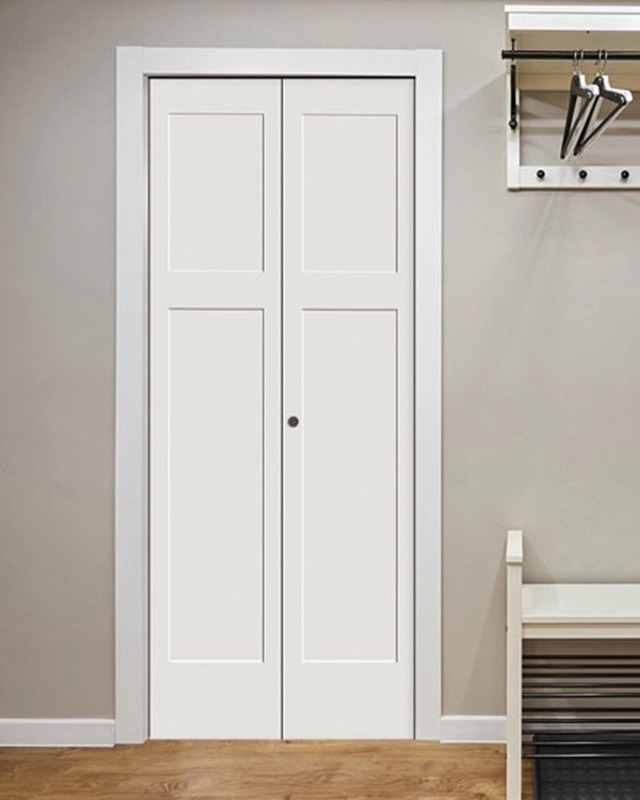
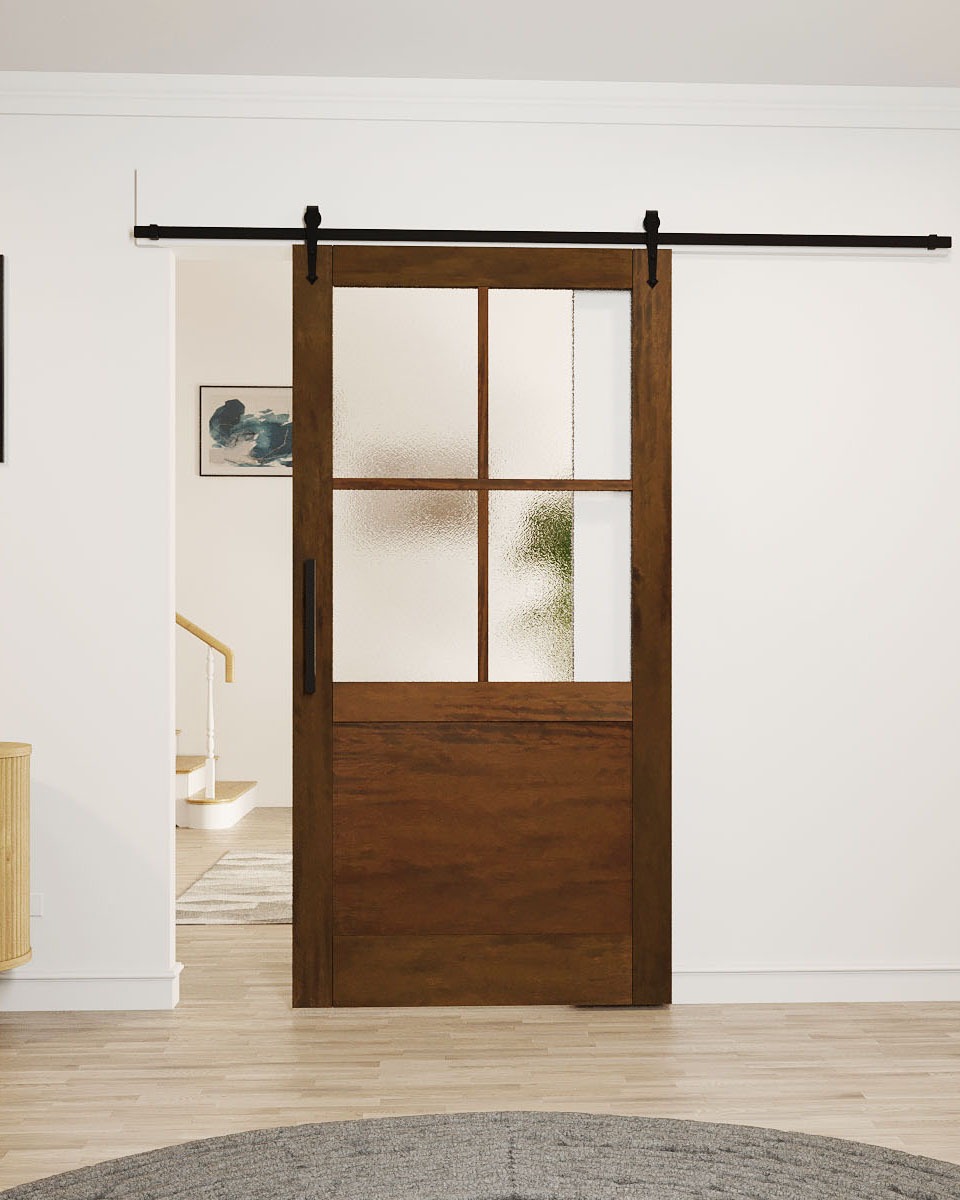
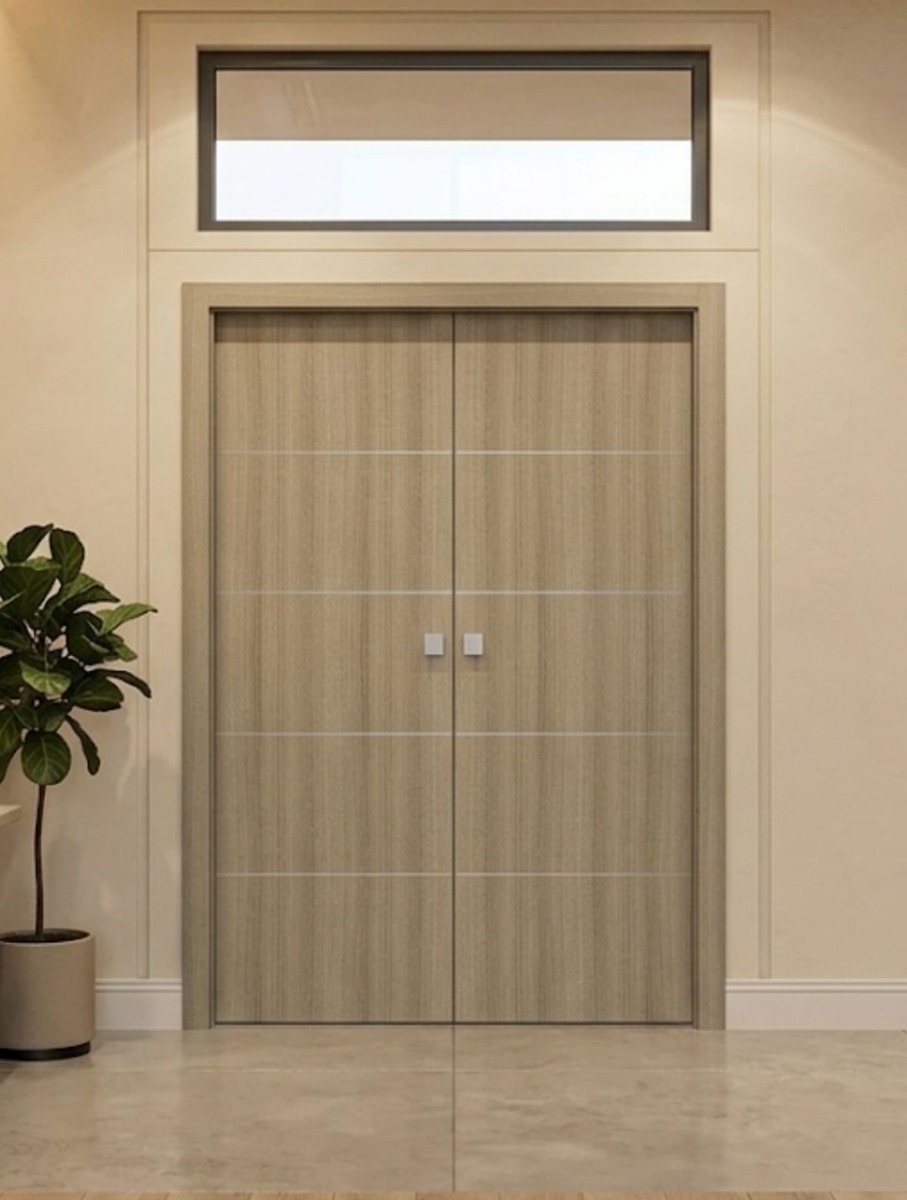
Before you narrow by species or finish path, it helps to choose the door format that fits the opening and how the space needs to work. This category visibly spans several interior door systems, including swing, bifold, barn, pocket, and Dutch options, so the first decision is often about opening type rather than wood choice alone.
- Swing doors are a familiar fit when you want a standard door operation and a more classic room-to-room setup.
- Bifold doors can make sense where the opening benefits from a folding format rather than a full swing arc.
- Barn doors give a more open visual effect and a different movement style, which can change how the doorway feels in use.
- Pocket doors are worth considering when you want the door to slide away from the opening rather than project into the room.
- Dutch doors create a distinct format path within the assortment for buyers looking at a split-door concept.
If you are comparing door-only and frame-mounted purchase paths, one safe distinction is that a slab door is the door panel by itself, with no frame or hinges attached. That can be useful when you are replacing only the panel and want to confirm product-level details before buying.
If you need more detail on slab versus prehung considerations, review the Prehung Door VS Slab Doors. If you want help narrowing the right format, contact support before you choose a product.

FAQ
This category currently shows five verified options: Birch, Knotty Alder, Mahogany, Pine, and Primed.
Mahogany is the most represented visible option in the assortment, so it is the leading path on this page. It is not exclusive, though, because Birch, Knotty Alder, Pine, and Primed are also part of the verified category mix.
Primed is the clearest paint-ready path in this category. If you want visible grain to remain part of the final look, focus on the natural wood options, which include Mahogany, Birch, Knotty Alder, and Pine.
No. On this category page, "wood" does not automatically mean solid wood construction, so verify the construction details on the individual product you are considering.
At a high level, a slab door is the door panel only, with no frame or hinges attached. A framed purchase path is a different purchase format, so it is important to confirm product-level details rather than assume every listing includes the same setup.
Yes. Modern and contemporary styling is strongly represented in this assortment, although that should be read as a strong category signal rather than a claim that every listing looks the same.
They are a strong fit for finished interior areas such as bedrooms, home offices, dining rooms, and similar spaces where room separation and design presence both matter. Because the category also spans multiple door-system types, buyers can narrow toward a format that suits the opening as well as the room.