Craftsman Front Doors: A Practical Guide to Style, Construction, and Selection
-
 By Shayan Behjati
 - May 18, 2026
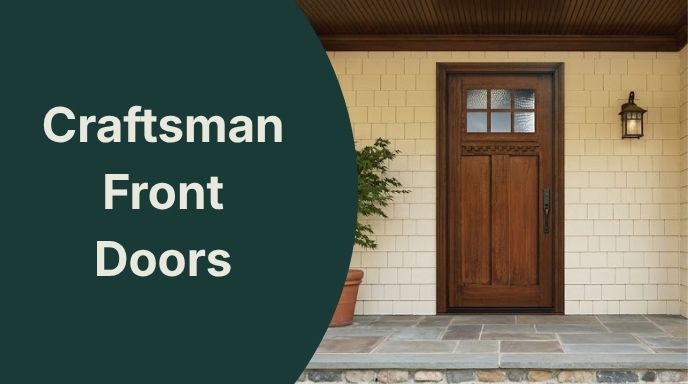
A Craftsman front door is defined by clarity, structure, and restraint. It expresses how the door is built rather than relying on applied decoration.
This guide will help you recognize what makes a door genuinely Craftsman, how to spot better construction, and how to choose an option that suits your home, climate, and daily use.
By the end, you should be able to:
- ✓Door styles:
Identify the main Craftsman door styles and how they differ. - ✓Authenticity:
Recognize the difference between authentic construction and imitation detailing. - ✓Materials & climate:
Choose materials and configurations that suit your climate and maintenance reality. - ✓Planning:
Make more confident decisions around proportion, build level, and cost.
What defines a Craftsman front door
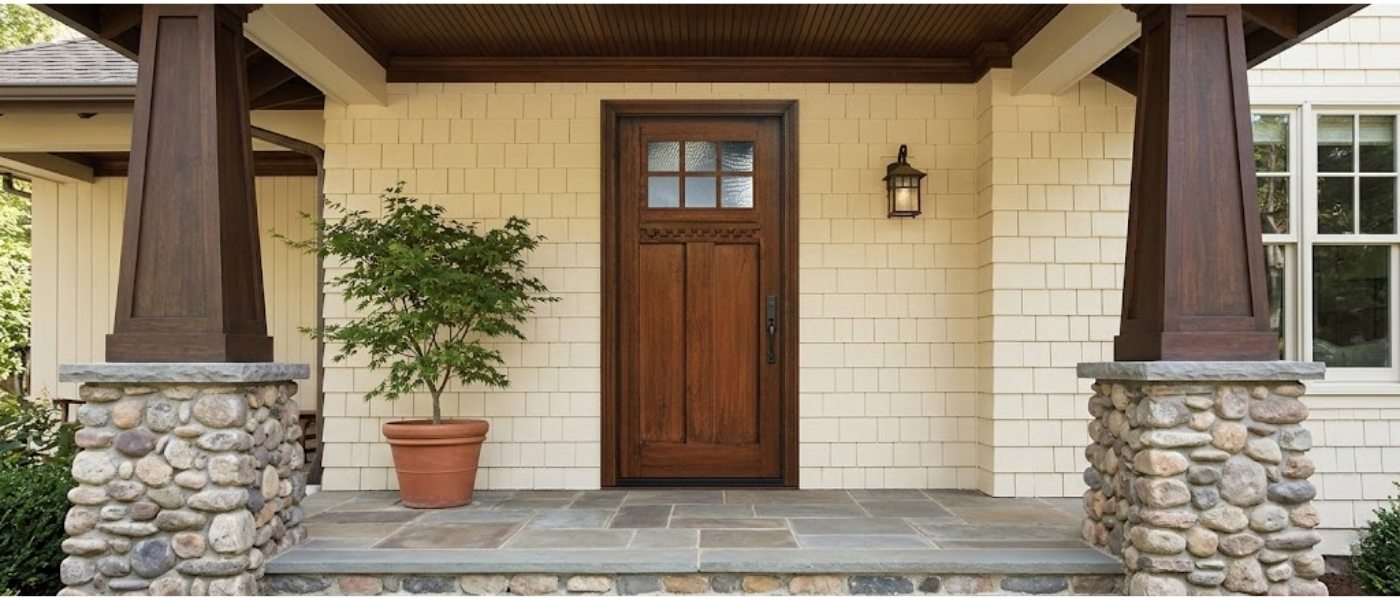
At its core, a Craftsman door is about visible structure, clear proportion, and disciplined detail.
Typical characteristics include:
- Glazing & panels:
A clear division between glazing, if present, and solid panels. - Arrangement:
Simple, upright or well-ordered panel arrangements. - Detailing:
Restrained detailing expressed through joinery, proportion, and depth. - Visual weight:
A grounded visual weight that feels solid without feeling ornate.
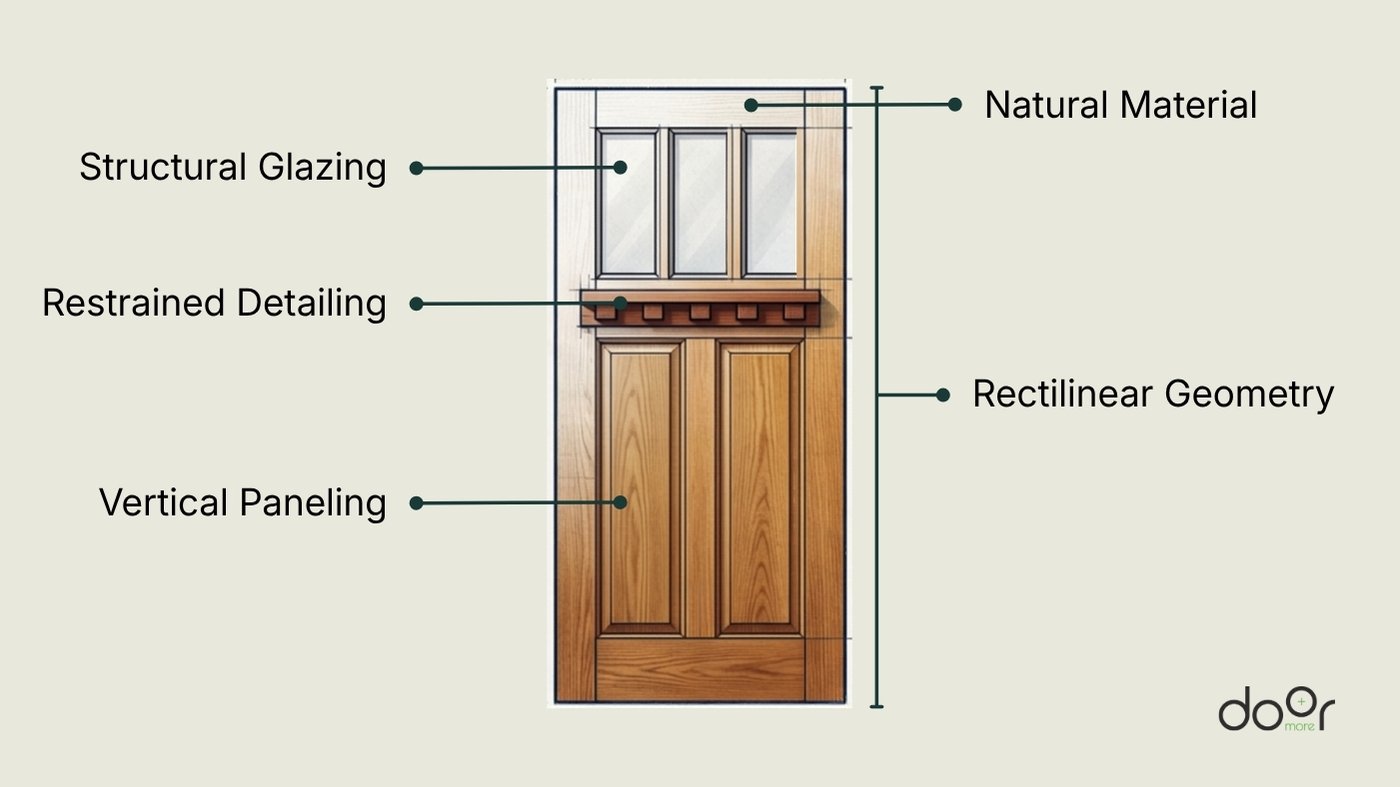
Rather than layering decoration onto the surface, a Craftsman door reads as a set of parts working together.
What it is not: A Craftsman door is not defined by applied overlays or decorative effects added after the fact. If the design relies mainly on surface styling rather than visible construction, it usually sits outside the style.
Main Craftsman door styles
Classic Craftsman
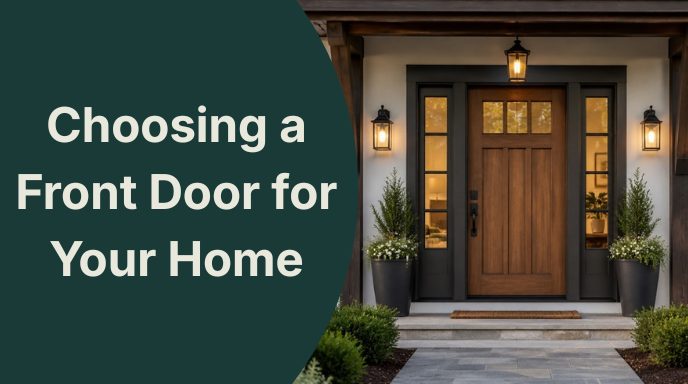
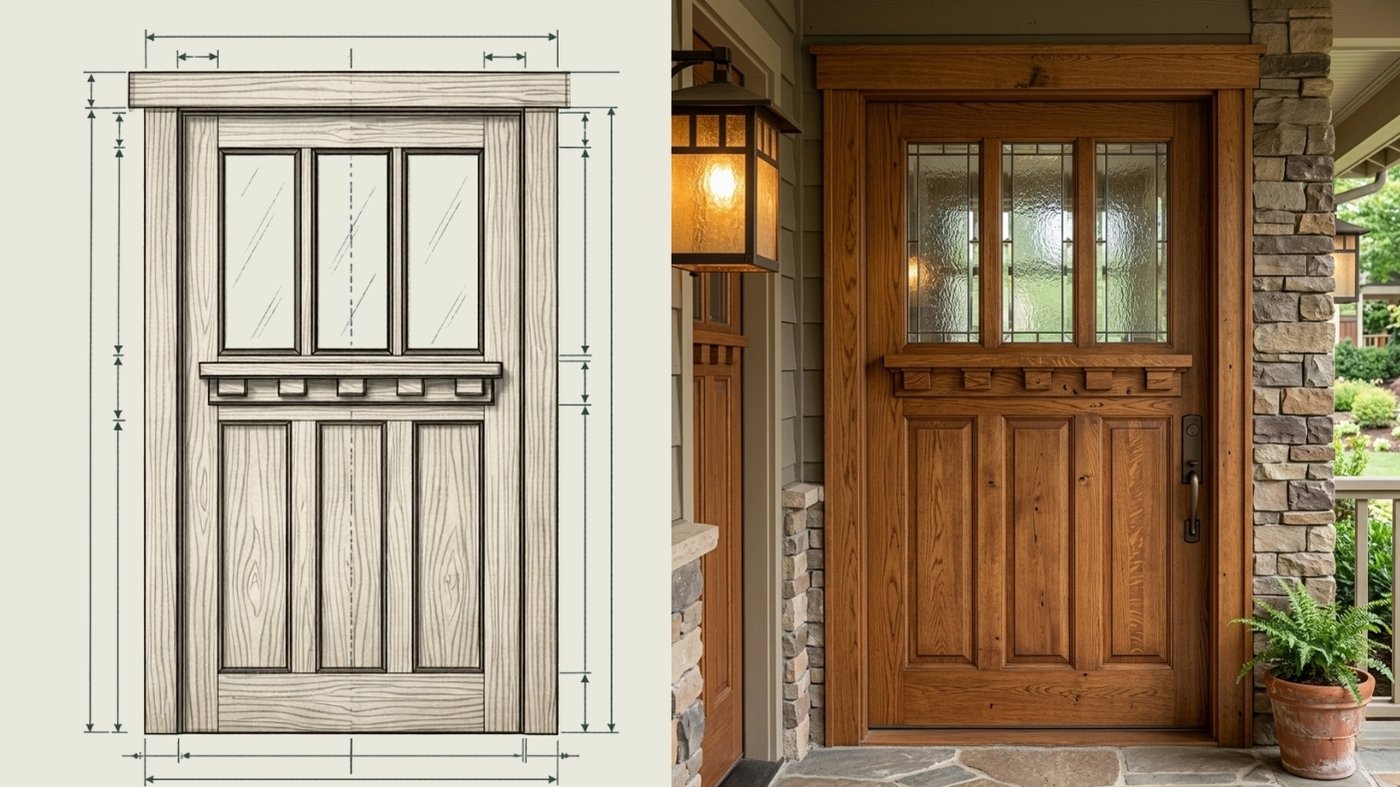
Classic Craftsman doors typically place glazing in the upper third, with longer vertical panels below. This creates an upright rhythm that feels grounded, practical, and quietly detailed.
You will often see:
- +divided lites or small panes in the upper section
- +vertical paneling below
- +simple, well-proportioned framing
- +modest detail that supports the structure rather than competing with it
Prairie-influenced Craftsman
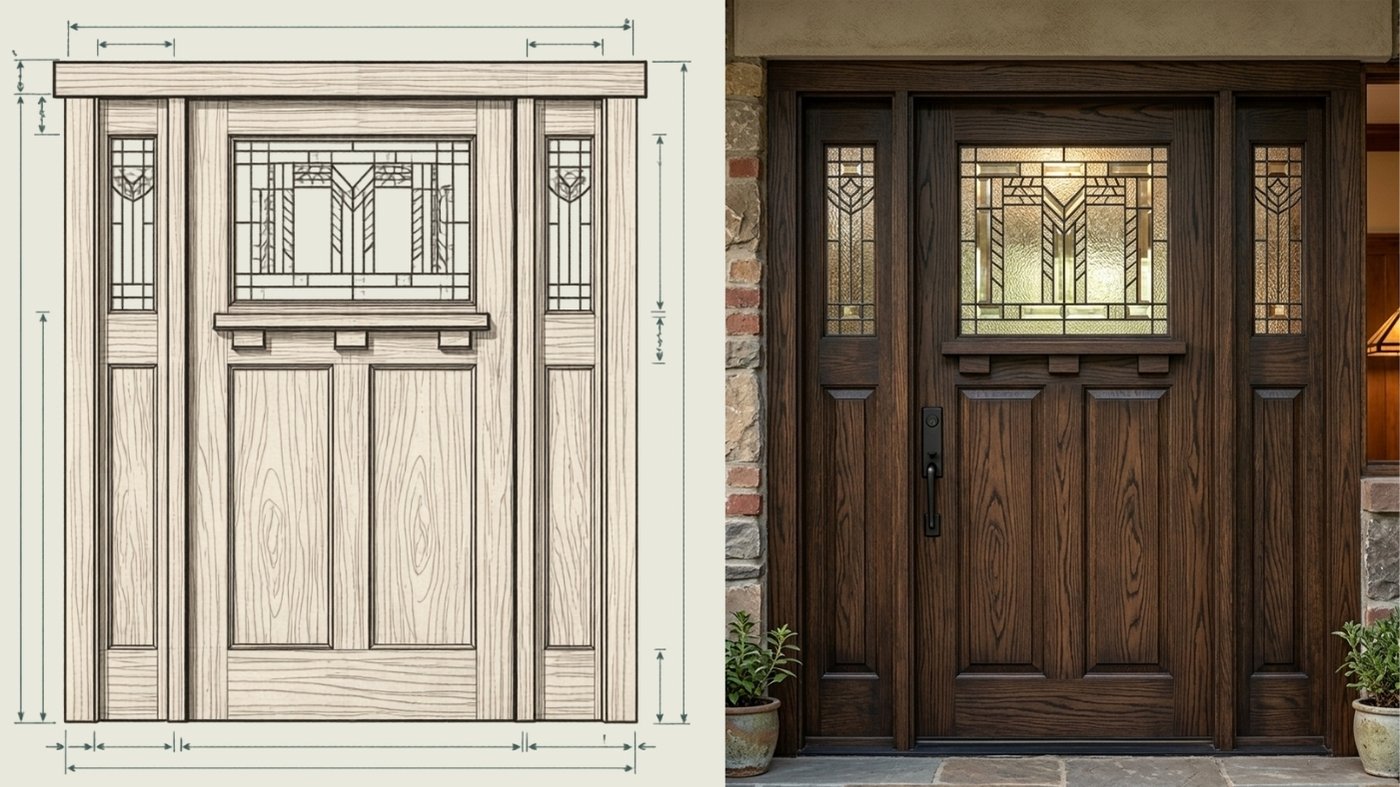
Prairie-influenced versions shift toward stronger horizontal emphasis. The glass pattern may read wider, and the overall composition often feels calmer and more extended across the façade.
This variation works especially well on homes with broad rooflines, lower profiles, or stronger horizontal expression in the trim and elevation. It tends to feel more relaxed visually, while still maintaining the discipline of the Craftsman language.
Glass-forward Craftsman
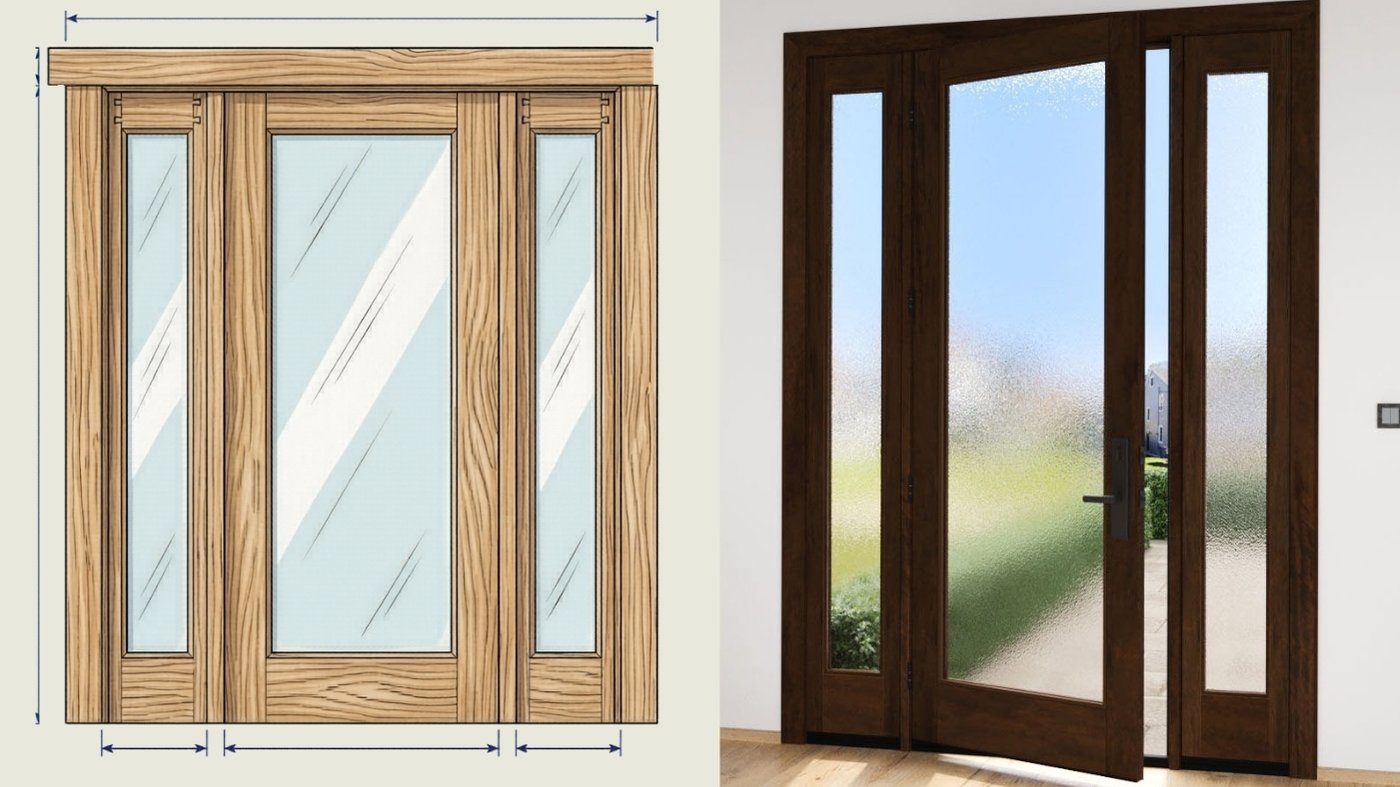
Some Craftsman doors use more glazing while still keeping the structure legible. These versions feel lighter and more open, but they still depend on a clear frame and disciplined panel-to-glass relationship.
The key is balance. More glass can still feel Craftsman when the door retains a strong structural layout and avoids decorative excess.
Construction logic: what makes it authentic
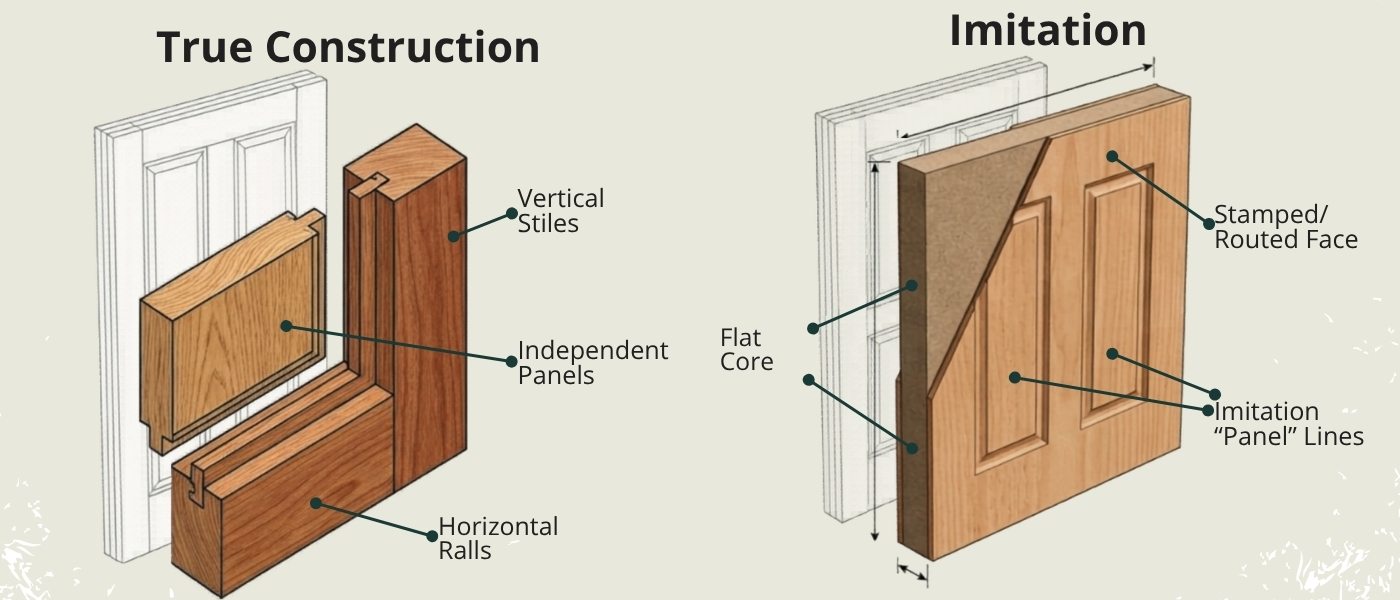
A well-built Craftsman door typically uses stile-and-rail construction, where vertical stiles and horizontal rails form a structural frame, with panels set between them.
This matters because it allows:
- Panels to sit within the frame rather than being carved into a flat surface
- Natural material movement without stressing the whole assembly
- A clearer expression of how the door is actually built
By contrast, some mass-produced doors, often fiberglass or steel, use molded or stamped faces to imitate panel lines. They may echo the look at a glance, but they do not offer the same depth, shadow lines, or construction logic as a true framed wood door.
How to recognize authentic vs mass-produced
When comparing options, look for these cues:
- +Construction logic
A true Craftsman door uses a real frame with panels set into it.
An imitation door often has patterns pressed, molded, or routed into a flatter face. - +Panel depth
Authentic panels sit within the frame and show real dimension.
Imitation panels often look shallower and less convincing at the edges. - +Edge definition
Real joinery creates crisp transitions between parts.
Imitation versions tend to blur or flatten those transitions. - +Material expression
Wood doors show natural grain variation and visual character.
Synthetic surfaces usually appear more uniform and controlled.
Materials: choosing the right wood
Species as a stability and style decision
The wood you choose affects both appearance and long-term performance.
Common options include:
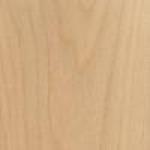
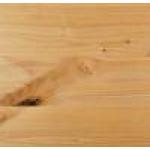
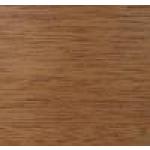
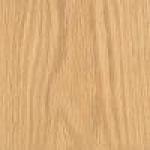
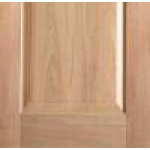
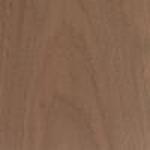
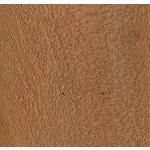
- +Mahogany and similar species
Dense, stable, and widely used for exterior doors. Often chosen for a refined, consistent appearance. - +Cedar
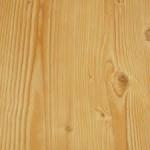
Naturally resistant to moisture and decay. Lighter in weight, with a softer and more textured visual character. - +Douglas-fir
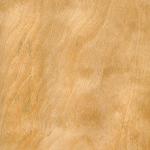
Strong and relatively stable, with a more pronounced grain pattern and a traditional feel. - +White oak
Dense, durable, and visually distinctive, with a stronger grain presence and more weight in appearance.
Explore the complete wood species

Understanding wood movement without overcomplicating it
Wood naturally expands and contracts as moisture levels change. This is normal behavior, especially on exterior doors.
Good construction allows for that movement by letting panels sit properly within the frame rather than forcing the entire door to behave like one rigid sheet. That is why proper joinery is essential in a Craftsman door intended for exterior use.
Climate and exposure: decide based on real conditions
Where and how your door is installed has a major effect on how it will perform over time.
Key considerations include:
- Exposure — doors fully exposed to sun and rain require more robust finishing and more consistent maintenance
- Shelter — overhangs, porches, and recessed entries significantly reduce weather impact
- Daily use — high-traffic entries benefit from stable construction and durable finishing systems
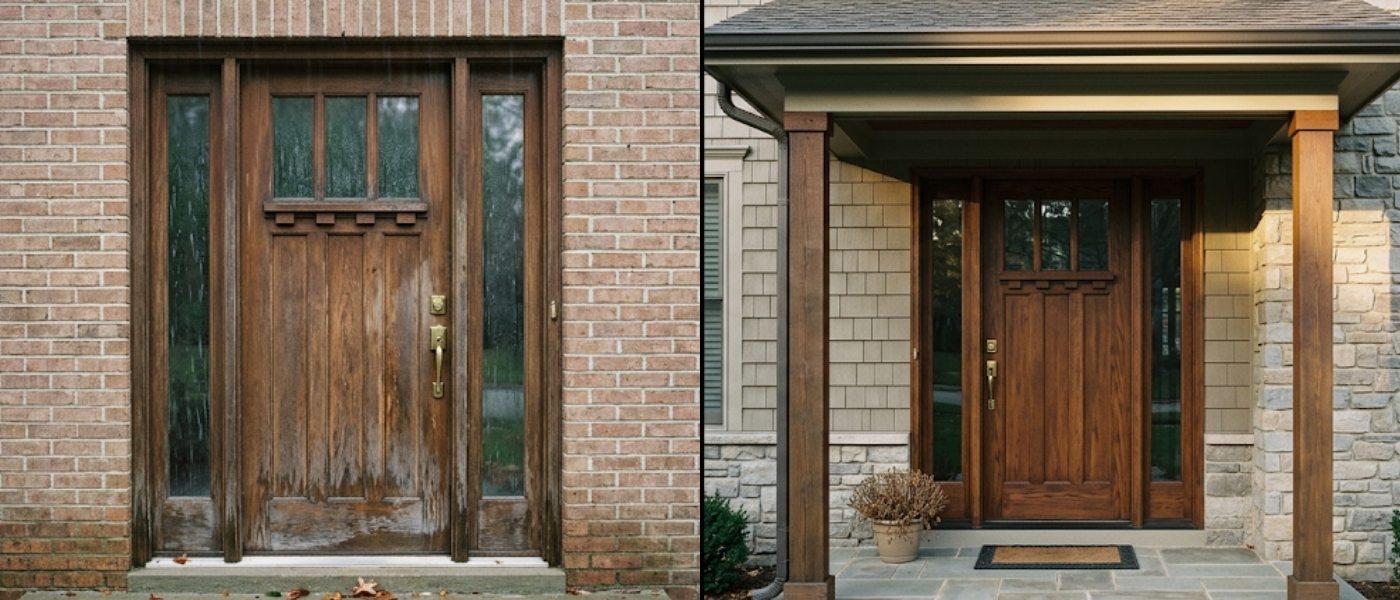
If your entry is well protected, a wider range of wood options becomes practical. If it is fully exposed, durability, finish performance, and upkeep should be considered from the start.
Proportion and scale
Craftsman doors rely heavily on proportion. Even a well-built door can feel out of place if its scale or panel layout does not suit the home around it.
Key checks:
- the door should feel balanced within the opening
- panel divisions should support the architectural character of
- the house the overall size should suit the scale and proportions of the exterior
A well-proportioned door feels integrated. A poorly scaled one can feel either undersized or unnecessarily heavy.
Build levels in a Craftsman context
- Stock
Stock options work best when your opening size and style needs are relatively standard. They are often more accessible but offer less control over proportion, detailing, and material nuance. - Semi-custom
Semi-custom options allow adjustments in size, panel layout, glass configuration, and species. This is often where a door begins to feel properly aligned with the home rather than simply selected. - Custom
Custom doors provide full control over proportion, joinery, detailing, glazing pattern, and material selection. This is where the Craftsman language can be resolved most completely, especially for architecturally sensitive projects.
Cost drivers that are specific to Craftsman doors
Cost is shaped not only by size and material, but by how faithfully the door follows true Craftsman construction.
The main drivers include:
- ✓Construction method — true stile-and-rail construction is more involved than surface-applied detailing
- ✓Material choice — species, grade, and availability affect both cost and long-term performance
- ✓Size and proportion — larger or non-standard dimensions increase fabrication complexity
- ✓Glass detailing — divided lites and custom glazing layouts add coordination and labor
- ✓Finish and treatment — exterior-grade finishing systems and preparation matter, especially for exposed entries
This is why two doors can look broadly similar in photos while sitting in very different quality and price categories.
Maintenance essentials for exterior wood Craftsman doors
Maintenance is closely tied to exposure, finish choice, and the species you select.
In practice, that usually means:
- periodic inspection of the finish
- attention to exposed edges and weather-facing surfaces
- reapplication of protective coatings over time
- more frequent upkeep for fully exposed entries
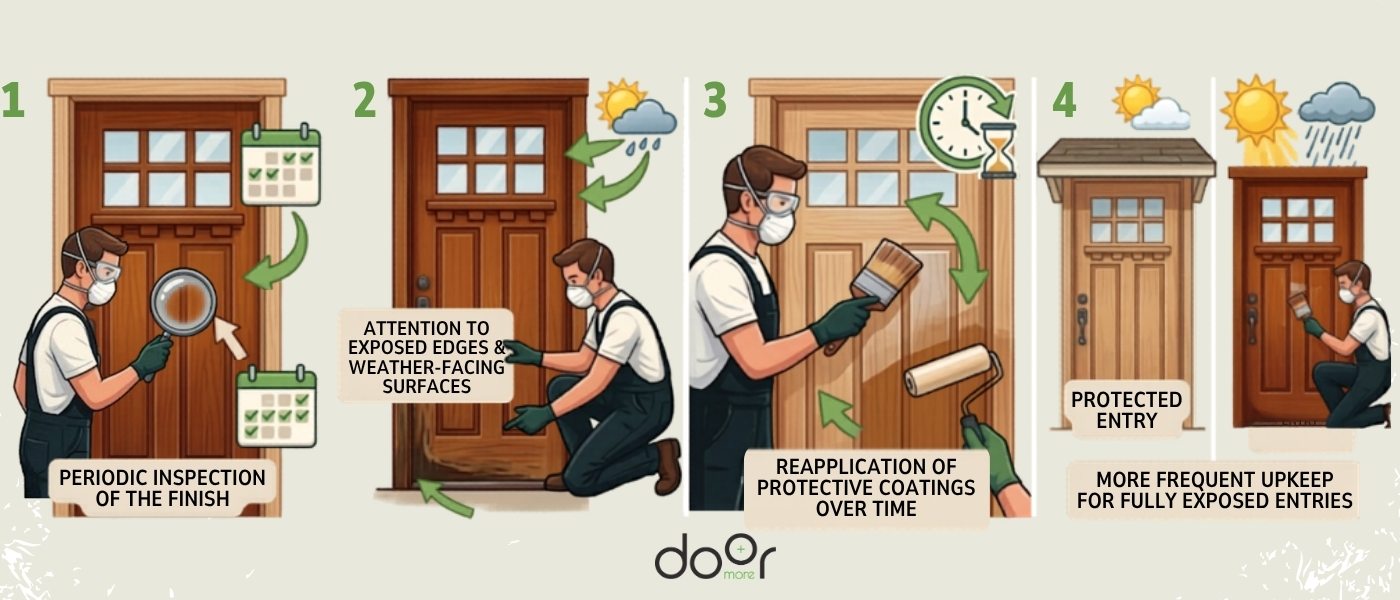
A well-built wood door can perform reliably for many years, but it requires realistic maintenance expectations from the outset.
For practical care steps, read our guide How to Make Your Exterior Wood Door Last Longer.
Exterior vs interior suitability
Craftsman doors work well in both interior and exterior applications, but the priorities differ.
For exterior use, weather exposure, finish durability, sealing, and maintenance are critical. For interior use, the focus is typically on proportion, material character, and how the door supports the surrounding architecture.
Selection framework: how to choose
A clear way to approach selection is to move from style to performance, then to budget:
- 1Choose the style family that best matches your home
- 2Decide on the level of glazing
- 3Evaluate exposure and maintenance expectations
- 4Check proportion and scale against your façade
- 5Select the appropriate build level
- 6Align with cost drivers and budget
FAQ
A Craftsman door is defined by visible structure, simple geometry, and restraint. The design expresses how the door is built rather than relying on applied decoration.
Many are, especially higher-end options, but not all. Some use engineered cores or alternative materials. The more important distinction is whether the construction reflects real joinery or imitation detailing.
Look at how the panels are formed. Authentic doors use real frame-and-panel construction, while imitation doors rely on molded or stamped surfaces to suggest the same look.
Focusing only on surface appearance. Many doors can look similar in photos, but differ significantly in construction, proportion, and long-term performance.
Start with exposure. A sheltered entry requires less upkeep than a fully exposed one. Matching maintenance expectations to real conditions is key.
If proportion, detailing, and architectural fit matter, custom doors offer the most control. For simpler needs, semi-custom options often provide a strong balance between flexibility and cost.