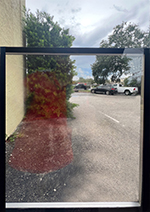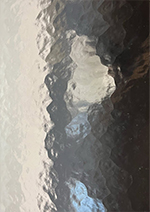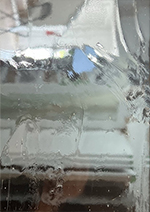
Dark Gray Tinted Glass
-
 By Shayan Behjati
 - Apr 13, 2026

Dark gray tinted glass is a common choice for doors when you want a modern, smoked look that still admits daylight in a softer, less visually intense way. It works as a middle ground between clear glass and more obscuring privacy options, especially when you want reduced read-through without giving up glass entirely.
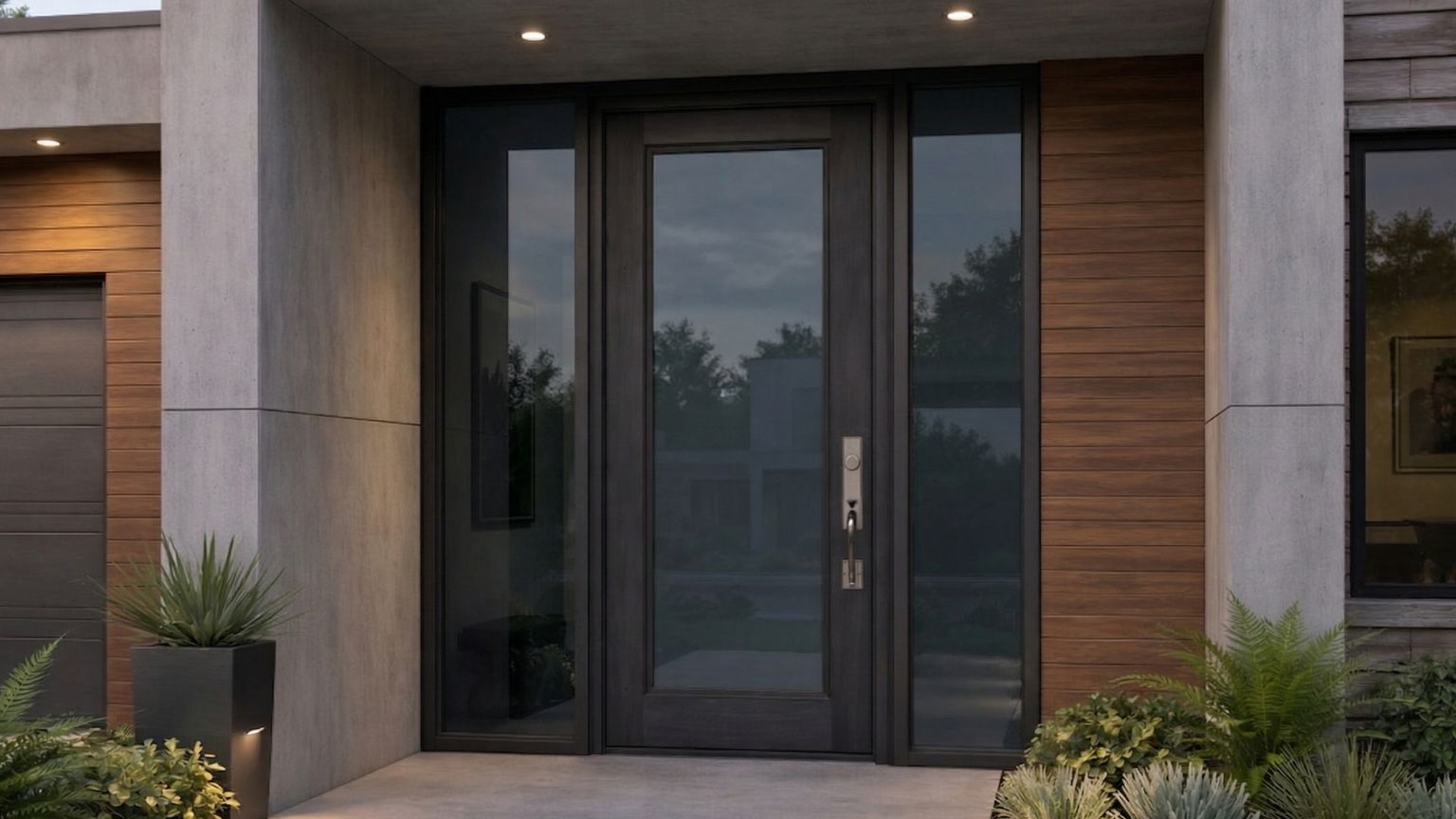
Love this look? View the door on here →
- ✓Creates a deeper, smoked visual compared with clear glazing.
- ✓Can support daytime privacy by reducing how clearly interior details show in brighter exterior conditions.
- ✓Offers a darker, more contemporary curb presence than lighter gray tint.
- ✓Softens daylight and reduces the sense of harsh brightness at the entry.
- ✓Typically produces a more shaded interior feel than light gray tint.
Use the sections below to understand where dark gray tint performs well, where it has limitations, and when another privacy glass direction may be a better fit.
What Dark Gray Tinted Glass Is
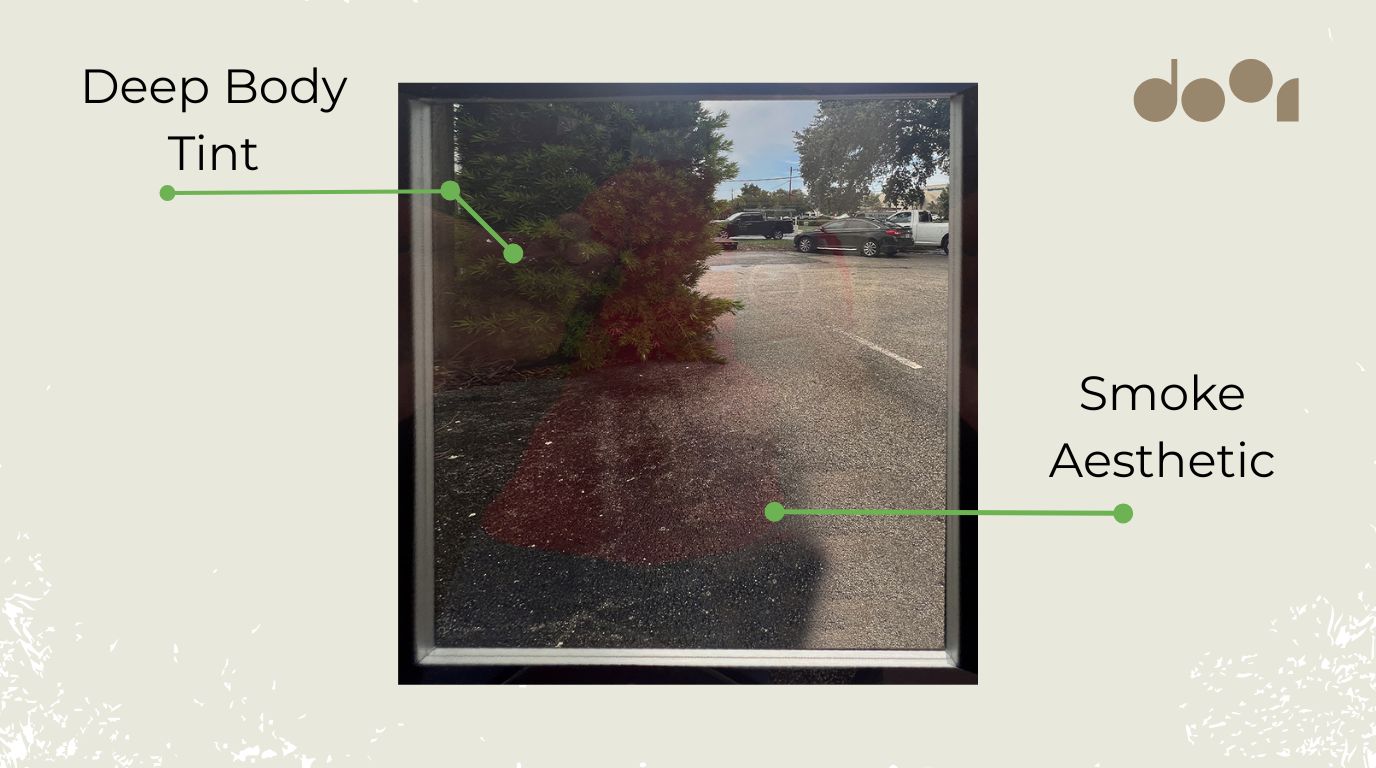
Dark gray tinted glass is manufactured with a deep gray body tint that darkens views and gives door glass a smoked appearance compared with clear glass. From the exterior, it often reads bolder and more solid; from the interior, it still allows light and depth, but with a darker tone.
Privacy and Light: Day Versus Night
Privacy from tinted glass depends primarily on light balance. When it is brighter outside than inside, the exterior surface tends to read more reflective, and the darker tint further reduces how clearly someone can see inward. When the light balance reverses, privacy expectations should adjust accordingly.
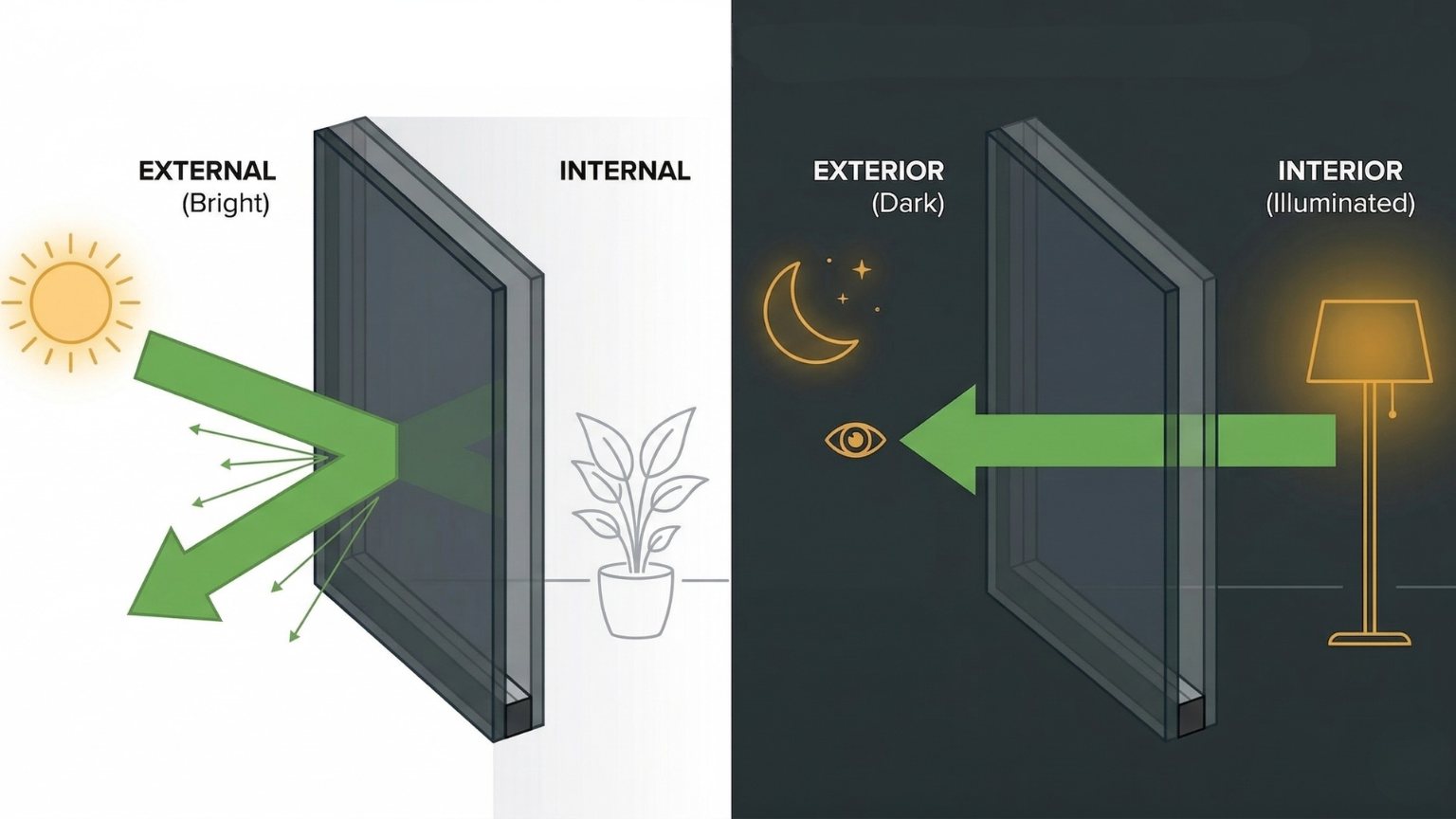
- +Daytime:
When outdoors is brighter, reflections are stronger and interior details are harder to read. - +Nighttime:
When interior lights are on and outside is darker, visibility can reverse and it may become easier to see inside. - +Reality check:
Tint is not a 24/7 privacy solution. Treat "always one-way" expectations cautiously.
Dark gray tint supports daytime privacy, but evening conditions should be considered separately when planning your entry.
Where It Works Best on Doors
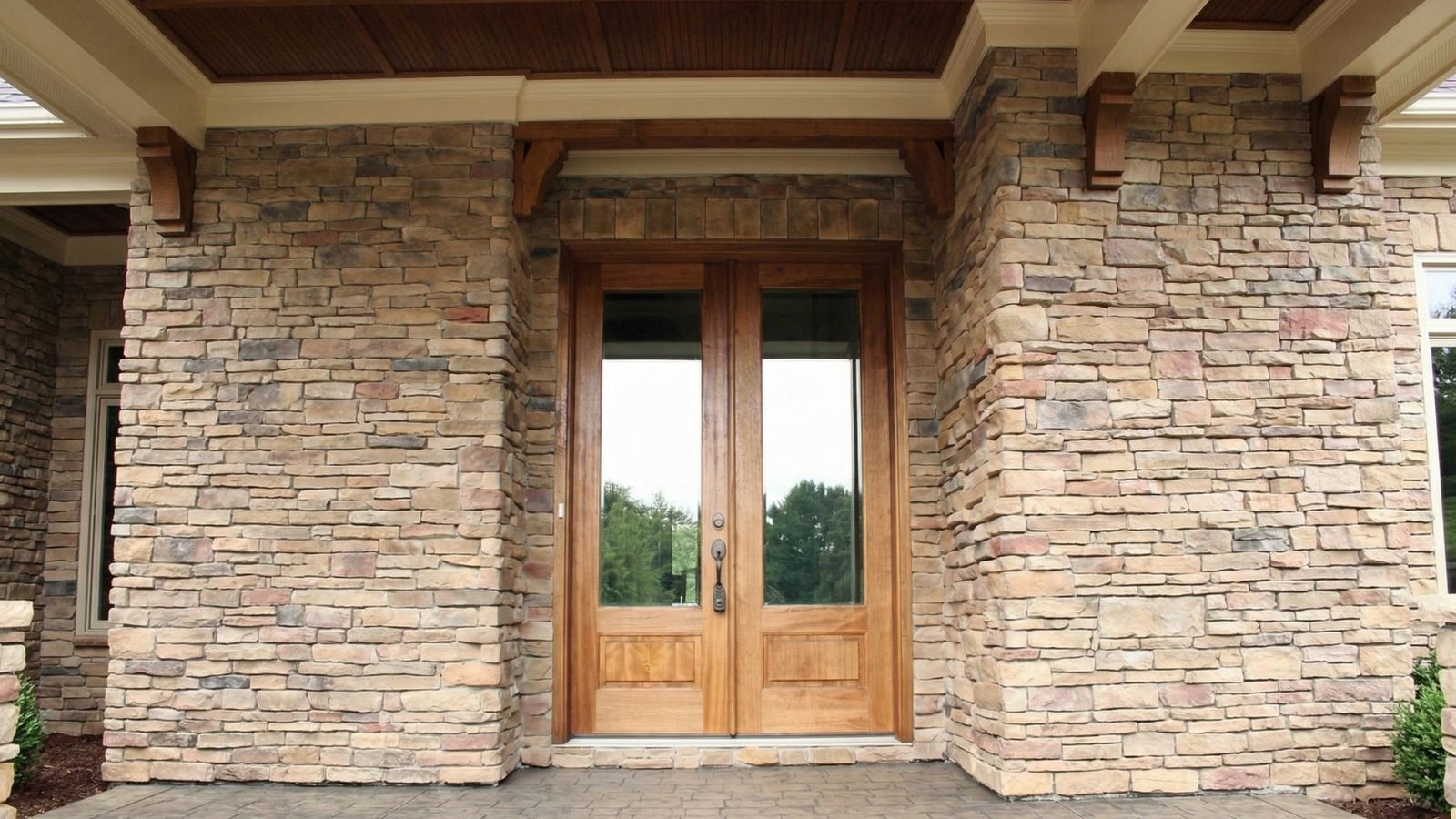
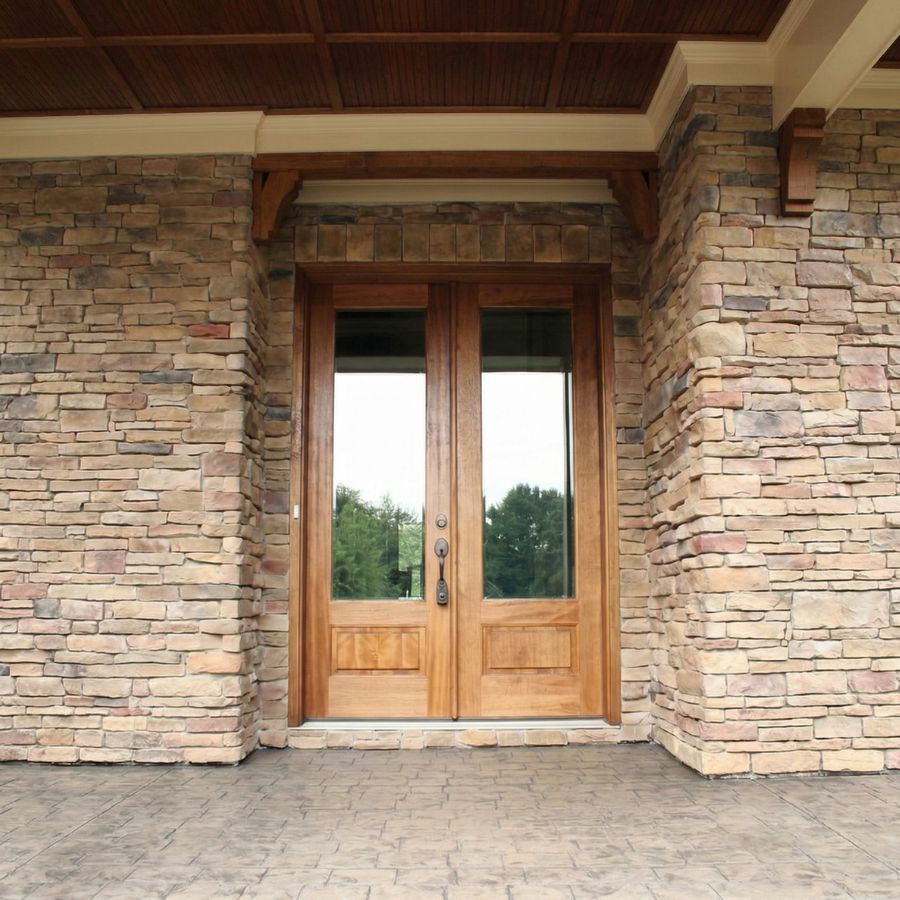
Homeowners often select dark gray tinted glass to achieve contemporary curb appeal, reduced brightness, and a degree of daytime privacy. It works especially well when the glass area is prominent, since the darker tone reads more intentional at scale.
Love this look? View the door on here →
Front door lites facing sun:
Helpful when direct daylight makes the entry feel overly bright.
Street-facing sidelites:
Useful where sidelites increase visibility into the home; tint softens that openness during the day.
Large lites and wide sidelites:
Dark gray reads more deliberate across larger glass areas and suits modern door compositions.
Homes using interior shades:
Tint can reduce how strongly interior shading reads from outside during daylight..
A similar smoked effect can also be used on interior doors or partitions when the goal is visual separation without full opacity.
The Difference Between Light Gray Tinted Glass and Dark Gray Tinted Glass
When choosing between light and dark gray tinted glass in similar conditions, think in terms of how much visual softening and privacy you want relative to brightness.
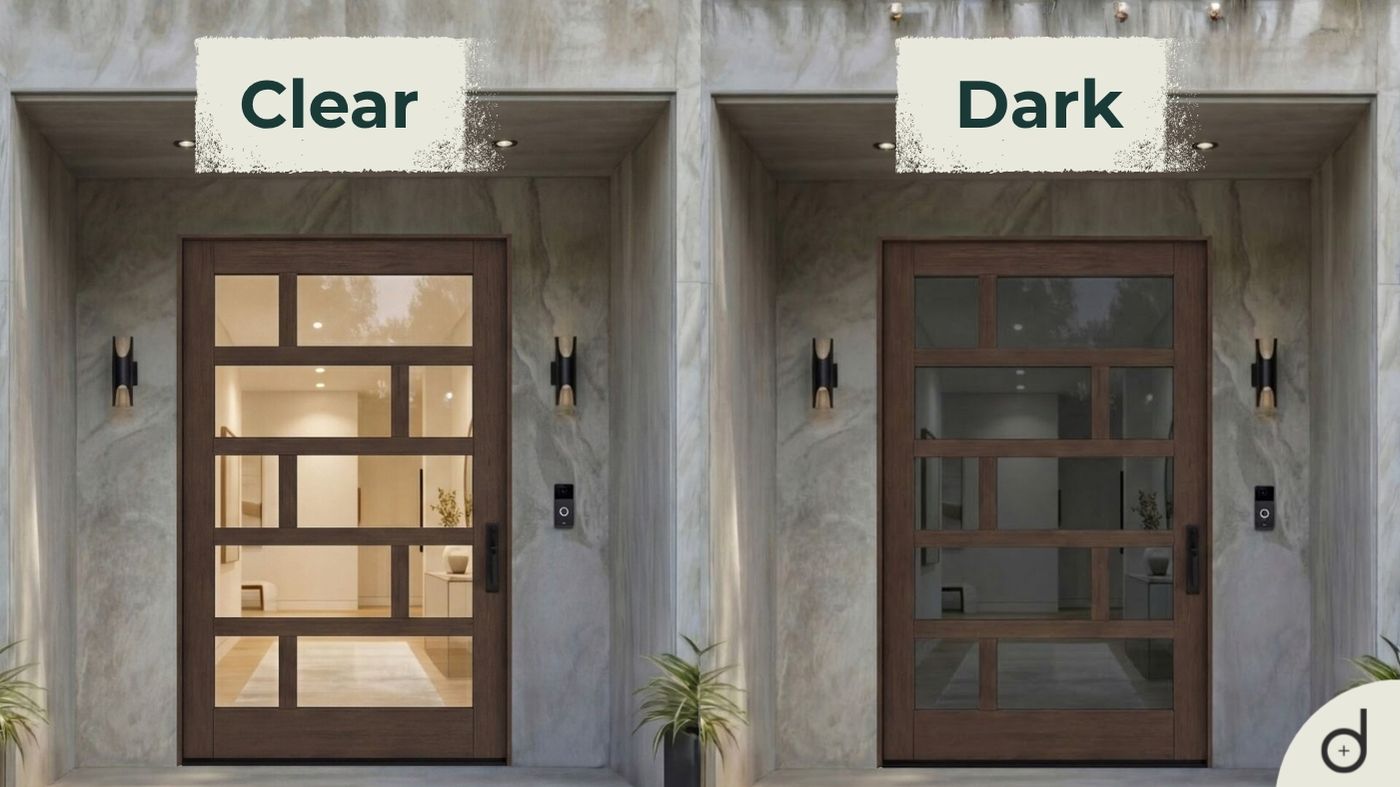
Love this look? View the door on here →
- ✓Privacy effect:
Dark gray generally reduces read-through more than light gray in similar daytime conditions. - ✓Brightness feel:
Dark gray creates a dimmer interior feel, while light gray keeps the entry brighter. - ✓Style direction:
Dark gray feels moodier and more contemporary; light gray feels lighter and more open. - ✓Choose dark:
When you want stronger visual softening and a more shaded, modern appearance. - ✓Choose light:
When you prefer higher daylight levels with only subtle softening.
When to Choose Frosted, Reeded, or Etched Instead
If consistent privacy is your main priority, a more obscuring glass style may be a better fit than tint alone.
- Choose frosted when you want stronger privacy that consistently obscures direct views.
- Choose reeded when you want obscured visibility with a textured, decorative effect.
- Choose etched when you prefer a refined or patterned obscured appearance.
- Choose dark gray tint when you still want daylight and depth while reducing read-through in many daytime conditions.
For a broader overview of door glass directions, start with: doors with glass collection
Practical Considerations
One of the main advantages of dark gray tint is improved comfort in bright conditions. It reduces perceived brightness and can make sun-exposed entries feel less intense. The tradeoff is a dimmer interior compared with lighter tints.
From a design standpoint, dark gray tint carries more visual weight and often feels most intentional in modern applications. It pairs well with darker frames and contemporary finishes.
Smudges are a real-world factor. Darker glass can make fingerprints and dust more visible at certain angles, especially near handles.
Maintenance:
- Use a soft microfiber cloth for regular cleaning.
- Choose a gentle, non-abrasive cleaner.
- Clean in consistent passes to avoid streaking in angled light.
Energy and UV performance vary by product and configuration. Avoid assuming specific performance without reviewing product data. Door glass should also meet applicable safety glazing requirements.
When deciding, focus on sun exposure, total glass area (especially sidelites), and how bright you want the interior to feel once installed.
FAQ
Not reliably on its own. Use the day-versus-night lighting balance as the main guide when judging privacy expectations.
It can. Dark gray softens brightness more, so it is better suited to entries where a dimmer, more shaded feel is acceptable.
Often, yes. It can soften visibility across larger glass areas and make the entry feel less exposed during the day.
From the exterior, it reads darker and more pronounced. From inside, it still allows daylight but with a more muted, smoked character.
Glass Patterns - Privacy rating
Choose a glass texture that matches your door. These panels use insulated glass for added strength, safety, and energy efficiency.
Transparency depends on the texture: some allow for a fairly unobstructed view, while others obscure it for greater privacy.