I f you’re comparing divided lite glass for an exterior door, the key difference is not just the pattern. It is how the glass is built.
This guide explains the main construction approaches—TDL, SDL, GBG, fixed grilles, and the SDL + GBG hybrid—with a focus on maintenance, authenticity, and repair expectations rather than installation steps or exact pricing.
In this laminated vs tempered vs annealed glass guide, “safest” refers to how the glass breaks, how it reduces injury risk, and whether it can help maintain a barrier after breakage.
This guide focuses on door applications, including entry door lites, sidelites, and patio doors where people may come into contact with the glass or where a broken pane has immediate consequences.
By the end, you will have a side-by-side comparison table, a scenario-based chooser for real homes, and a buyer checklist to help confirm the glass type specified in your quote.
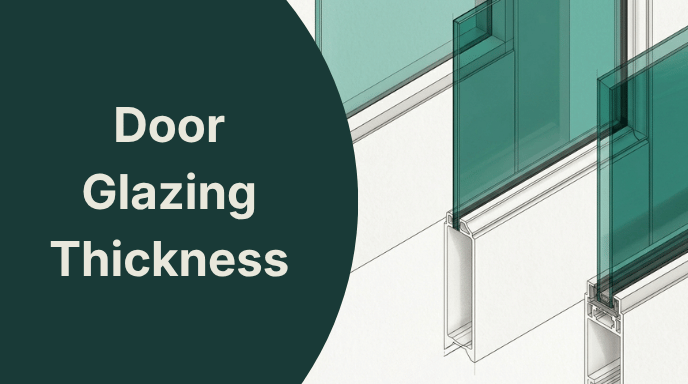
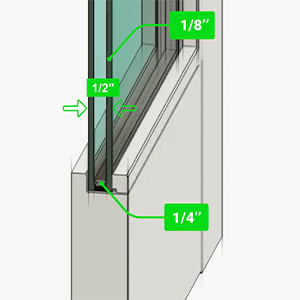
Homeowners and architects often ask what door glazing thickness to choose for energy efficiency, safety, or noise control. The answer depends on what kind of glass assembly you are comparing: a single pane, a laminated build, or an insulated glass unit (IGU). This guide clarifies the terminology and shows how thickness relates to performance expectations so you can make a more informed decision.
P62, also known as Pattern 62, is an elegant privacy glass featuring a geometric, grid-like texture of small squares that diffuses light while obscuring direct views. It’s the "just right" solution for homeowners who want to keep their entryways bright and airy while maintaining a comfortable sense of seclusion.
On this page, you will find:
What P62 looks like and how to identify it in door glass options
Realistic daytime versus nighttime privacy expectations in lived-in homes
Best placements and design pairings that complement P62’s geometric look
Patterned glass comes in many styles, but this guide stays focused specifically on what to expect from P62 patterned glass.
Dark gray tinted glass is a common choice for doors when you want a modern, smoked look that still admits daylight in a softer, less visually intense way. It works as a middle ground between clear glass and more obscuring privacy options, especially when you want reduced read-through without giving up glass entirely.
Light grey tinted glass for doors is a common middle ground when you want to soften strong sun and add some daytime privacy without losing outward visibility. It is a refined, "just right" solution for homeowners who want to reduce glare while keeping their home feeling open and connected to the outdoors. It is important to note, however, that it is not an obscured privacy glass and will not guarantee privacy at night when interior lights are on.
On this page, you will see how light grey tinted glass appears in real door applications, how it affects daylight, and how it compares with other tinted options. You will also find a practical specification checklist to help you confirm exactly what you are ordering—particularly tint level and safety glazing.
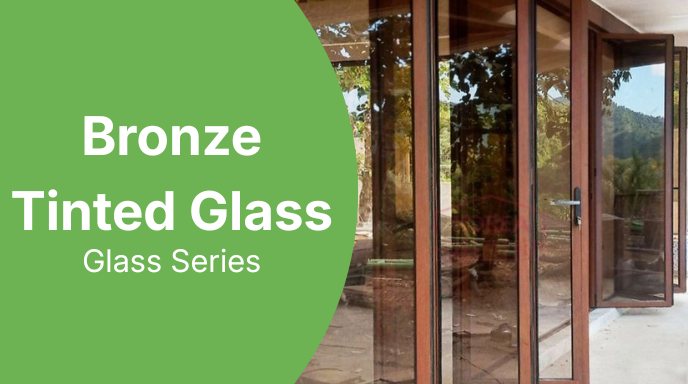
Bronze tinted glass for doors is body-tinted float glass, meaning the color is integral to the glass rather than applied as a removable film. Visually, it leans warm, so daylight and views take on a bronze cast compared with gray tints. Homeowners often choose it to soften a bright entry and reduce glare. The tradeoff is lower visible light transmission, and night privacy is not automatic.
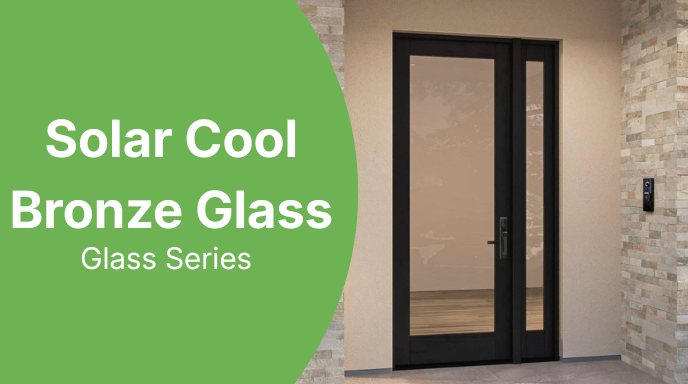
Solar Cool Bronze Glass is bronze-tinted door glass with a reflective metallic coating intended to reduce solar heat gain and glare while still allowing visible light to pass through. Buyers typically notice more comfortable glare conditions, a less intense heat feel when direct sun hits the glass, and a more reflective daytime appearance with a warm bronze tone. It reduces heat gain rather than eliminating heat transfer, and privacy and reflectivity shift with lighting conditions, including the common day-versus-night reversal.
In this blog, we'll delve into the intricacies of glazing thickness, from single to double glazing. Let's uncover how these varying thicknesses influence the comfort and efficiency of your spaces.