Door Glazing Thickness: How to Choose for Energy & Safety
-
 By Shayan Behjati
 - Apr 27, 2026
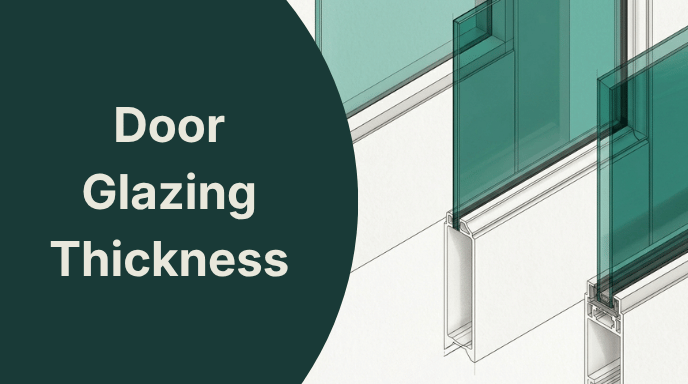
Homeowners and architects often ask what door glazing thickness to choose for energy efficiency, safety, or noise control. The answer depends on what kind of glass assembly you are comparing: a single pane, a laminated build, or an insulated glass unit (IGU). This guide clarifies the terminology and shows how thickness relates to performance expectations so you can make a more informed decision.
The Golden Rule:
Always ensure your chosen glass thickness is compatible with your door's glazing system.
How to check your door’s compatibility:
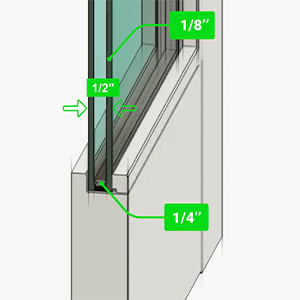
If you are replacing glass in an existing door, you can measure the width of the glazing channel (the space where the glass sits) or check the manufacturer's label—often found on the hinge edge—for specific glass thickness requirements. When in doubt, consult a professional installer or the door's manufacturer to ensure the new glass will fit securely.
Definitions
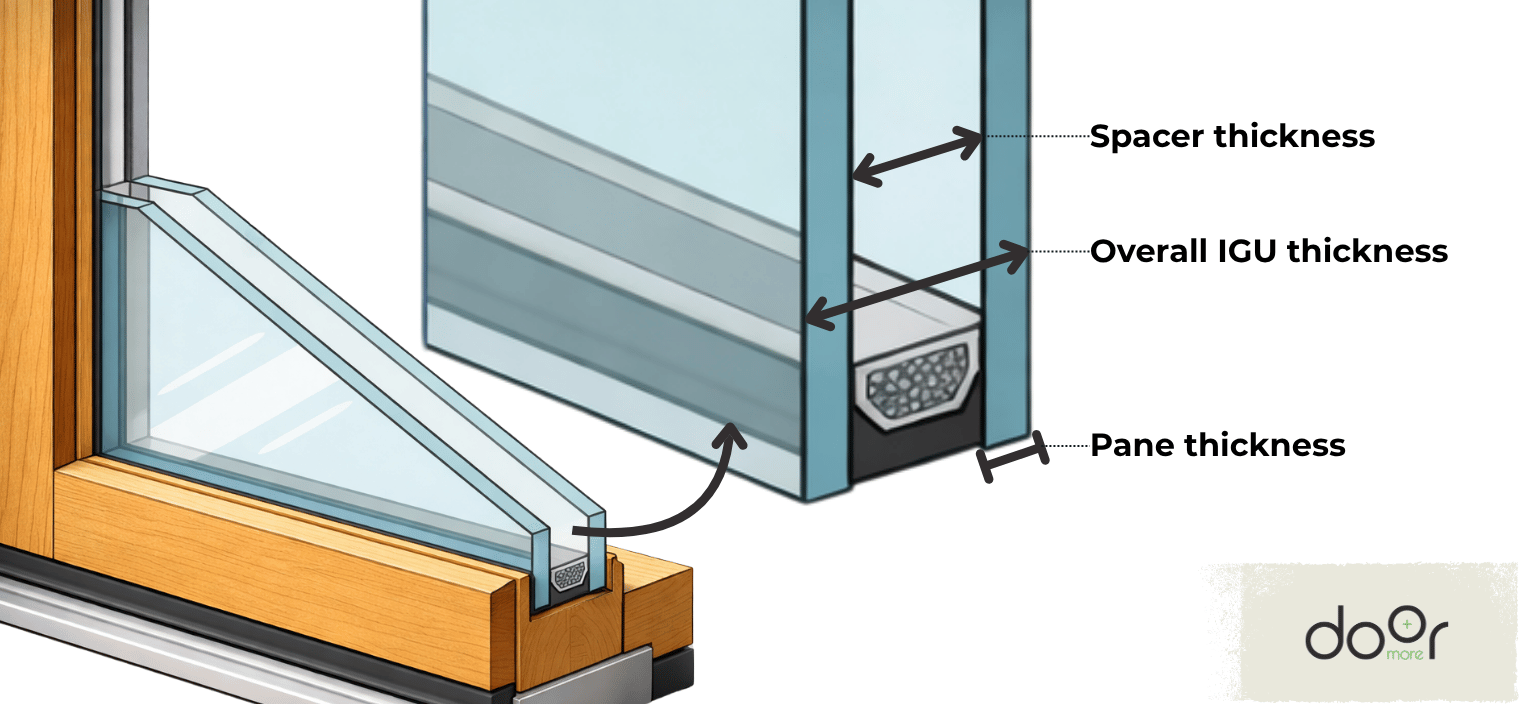
- +Pane thickness:
The thickness of one sheet of glass by itself, such as 1/8 inch (≈3.2 mm) or 1/4 inch (≈6.4 mm). Pane thickness affects strength, safety requirements, and some handling characteristics, but it is only one part of the overall glazing system. - +Overall IGU thickness:
The total thickness of an insulated glass unit. This is often what buyers mean when they refer to "1/2 inch glass." It includes both glass lites plus the airspace between them. Overall thickness affects thermal performance, fit within the door profile, and glazing system compatibility. - +Spacer thickness:
The width of the spacer that sets the cavity dimension inside an IGU. Common spacer widths include 1/4 inch (6.35 mm), 5/16 inch (7.94 mm), and 3/8 inch (9.53 mm). Spacer thickness influences the size of the insulating airspace and can affect thermal and condensation behavior depending on configuration.
Choose by goal
Use the guide below to start with what you want to achieve, not just the thickness label.
One reminder before you decide: published performance ratings vary by the exact glass assembly. Always request tested numbers for the specific build you are purchasing.
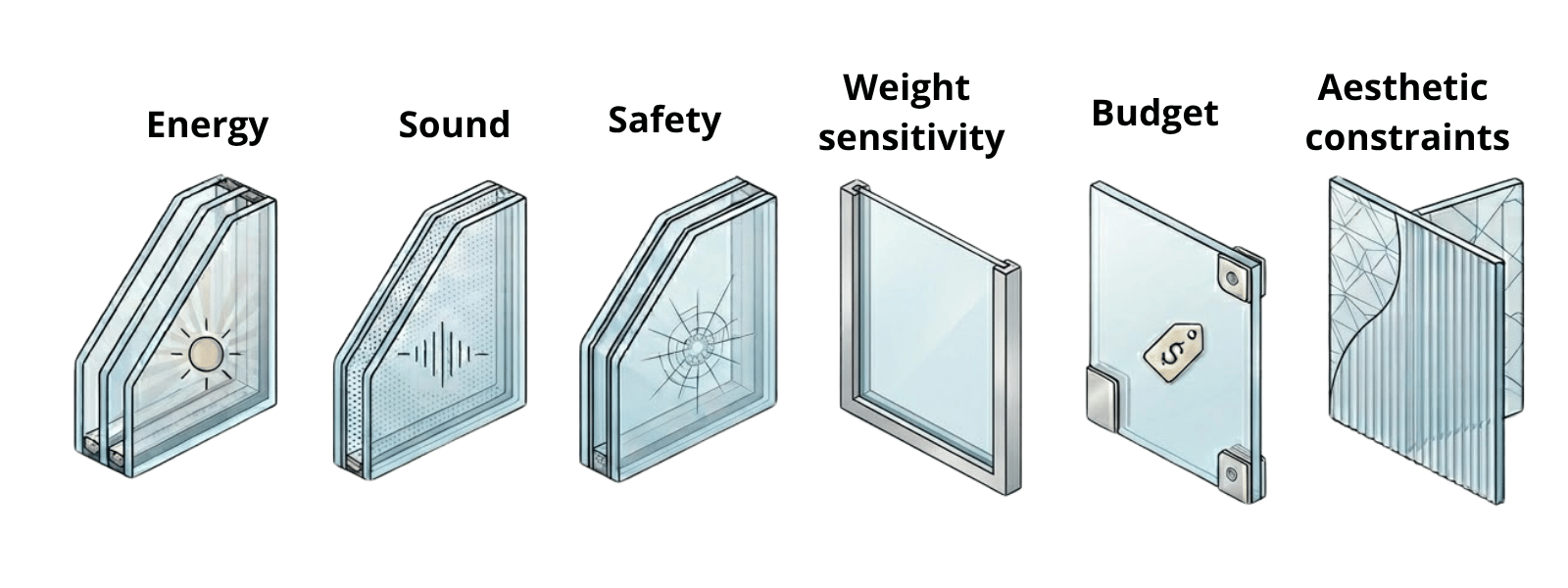
| Goal | What to prioritize | What thickness label to focus on | Likely build direction | Decision outcome |
|---|---|---|---|---|
| Energy | Verified full-unit performance | Overall IGU thickness such as 1/2 in (12.7 mm), 9/16 in (14.3 mm), 5/8 in (15.9 mm), 3/4 in (19 mm), or 1 in (25.4 mm) | IGU matched to the door system | Start with an IGU option, then confirm tested performance for that exact build |
| Sound | Damping strategy, not thickness alone | Build type first, thickness second | Laminated may be worth considering when sound is the lead goal | If sound matters most, treat laminated as a likely direction and verify tested results |
| Safety | Behavior under impact | Safety glazing type plus compatible thickness | Tempered when break pattern is the focus; laminated when retention matters | Choose safety glazing type first, then confirm the build fits the glazing system |
| Weight sensitivity | Managing glass weight within the door | Pane thickness and build complexity | Avoid upsizing by default | Increase thickness only when it clearly supports the goal |
| Budget | Simplest build that meets the need | The most basic thickness that satisfies the requirement | Single pane or standard IGU where appropriate | Start standard, then step up only if needed |
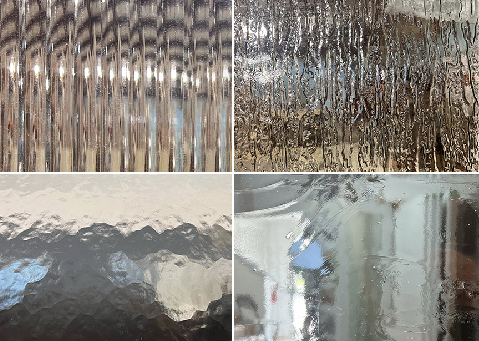
| Aesthetic constraints | Sightlines, patterns, and fit | Thickness accepted by the door system | Build that supports the desired look within system limits | Confirm the design works at the required thickness before finalizing |
Cheat Sheet: Questions for your Installer
- ?Energy:
“What is the exact IGU makeup and tested rating for this glass?” - ?Sound:
“Is there a laminated option, and what tested acoustic numbers apply?” - ?Safety:
“Is this specified as safety glazing for doors, and what type is used?” - ?Weight:
“What is the glass build and approximate weight impact?” - ?Budget:
“What is the simplest build that meets my goal and fits this door?” - ?Aesthetics:
“Will this pattern or style work at this overall thickness?”
Standard thickness ranges by setup
All thicknesses below are shown in inches and millimeters for easier comparison.
A key clarification: overall IGU thickness is not the same as single-pane thickness.
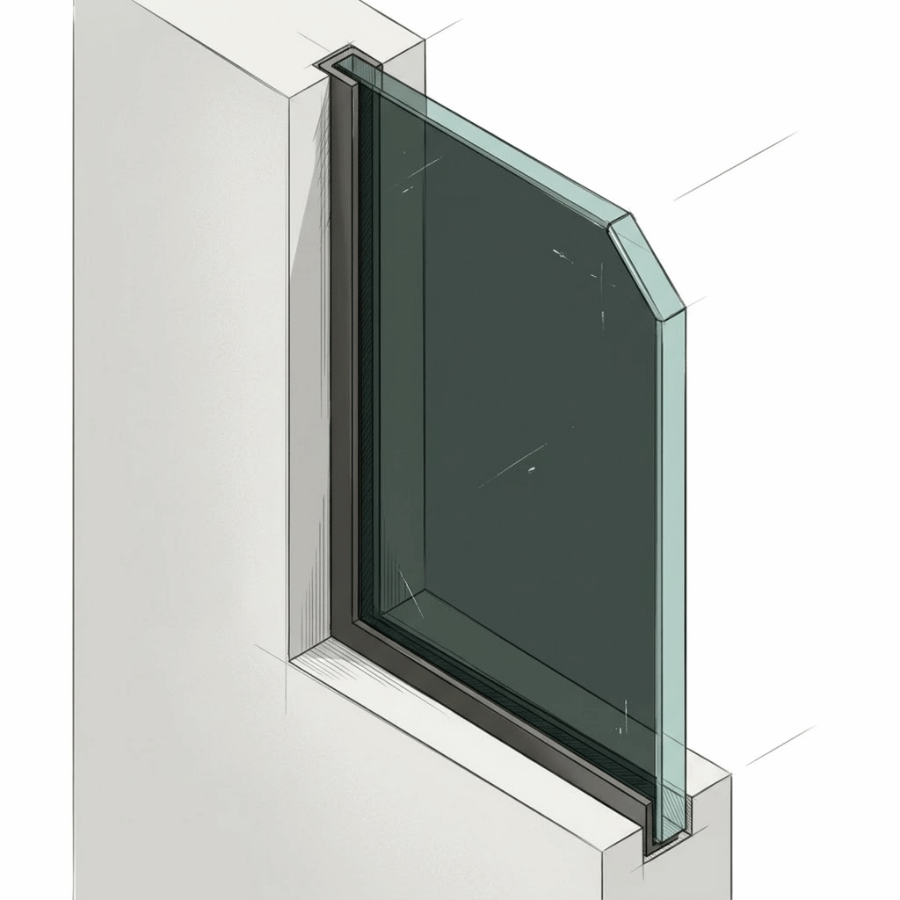
Single pane door glazing thickness examples
Door & More cites single glazing examples such as 1/8 in (≈3.2 mm) and 1/4 in (≈6.4 mm). These are pane-thickness references, meaning one sheet of glass rather than an insulated unit.
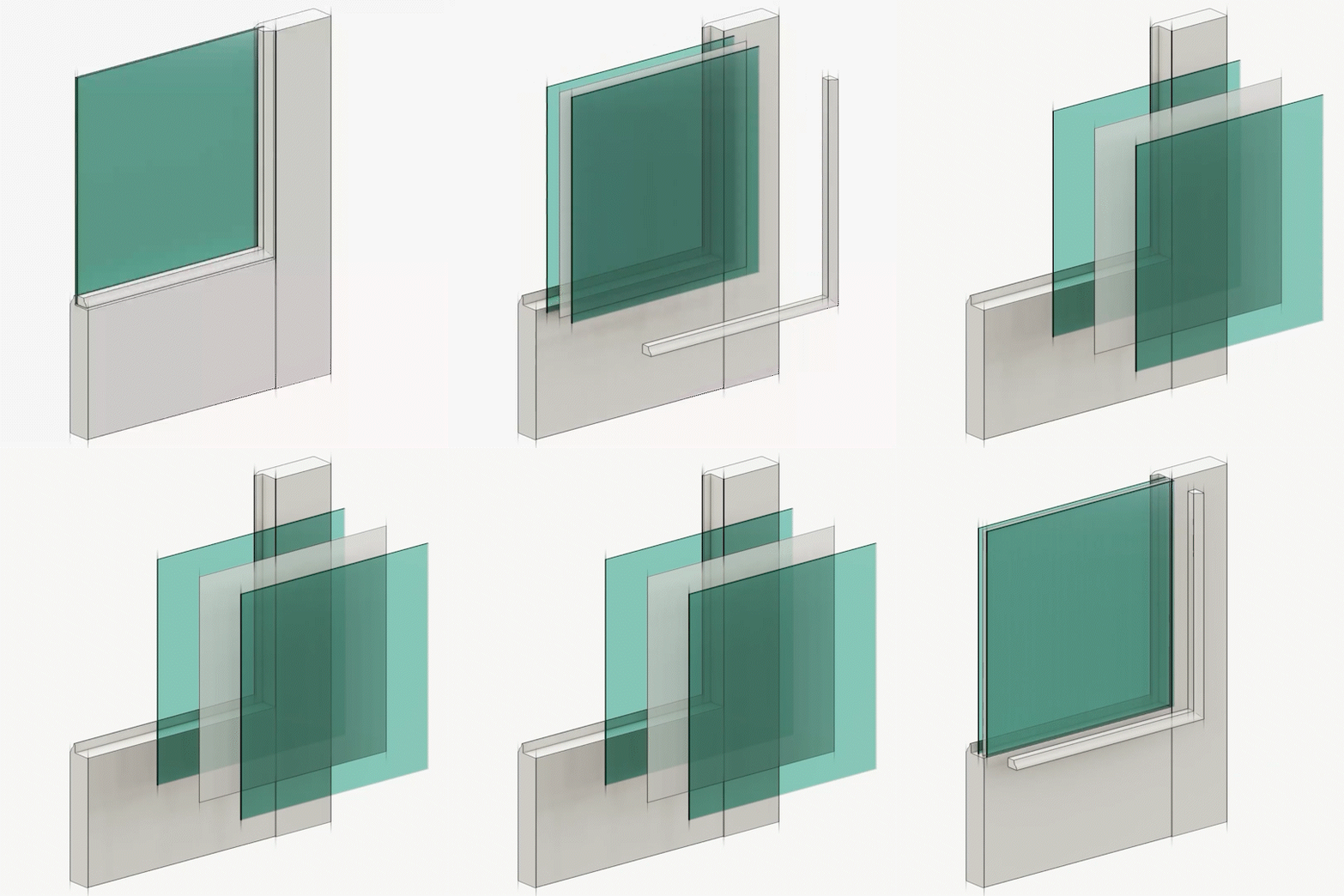
Laminated door glazing thickness build example
Laminated glass is a layered build: glass + interlayer + glass. Door & More provides a practical example of a 1/8 in pane + 0.015 in interlayer, totaling slightly over 1/4 in.
This is an example build rather than a universal standard. A separate product guide illustrates the same concept in metric form: 3 mm + 0.8 mm interlayer + 3 mm = 6.8 mm.
The key point is that laminated thickness includes the interlayer. A laminated build measuring around a quarter inch is not the same as one monolithic 1/4 in pane.
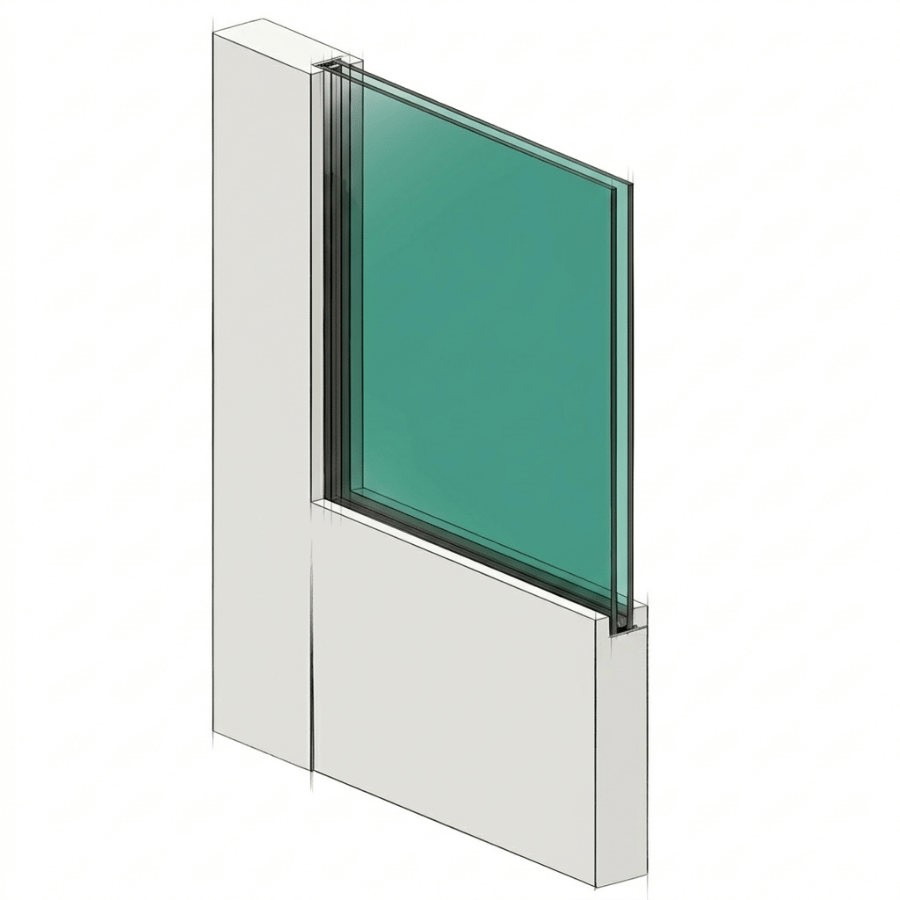
Insulated glass unit overall thickness options
For exterior doors, Door & More lists common insulated glass overall thicknesses such as:
- 1/2 in (12.7 mm)
- 9/16 in (14.3 mm)
- 5/8 in (15.9 mm)
In door shopping, these are often the labels people mean when referring to “1/2 inch glass.”
Overall IGU thickness equals:
Lite 1 thickness + airspace thickness + Lite 2 thickness
That is why two IGUs labeled “1/2 inch” can have different internal makeups even if their total outside dimension matches.
Choose by application
Thickness selection should follow the type of door and the kind of glass assembly being specified.
Entry doors
In most exterior entry door contexts, references to “1/2 inch,” “3/4 inch,” or “1 inch” glass refer to overall IGU thickness rather than a single pane. If you are selecting insulated glass, start with the listed IGU thickness options. If you are choosing single-pane or laminated glass, compare those by pane thickness or total laminated build-up instead.
Patio or French doors
For larger glazed areas, comparison often begins with overall IGU thickness. Once the unit thickness is identified, verify the exact internal makeup rather than assuming all double-glazed units are equivalent. If sound control or safety becomes a bigger concern, laminated builds may also enter the discussion.
Sidelites
Sidelites usually follow the same thickness logic as the main door glass. Decide first whether the glass is single pane, laminated, or an IGU, then make sure the chosen build is compatible with the door.
Interior glass doors
Interior glass doors more often begin with pane thickness examples such as 1/8 in (≈3.2 mm) or 1/4 in (≈6.4 mm) rather than IGU thickness options. If laminated glass is being considered for safety or handling preferences, compare it as a layered build rather than assuming it matches a monolithic pane of the same nominal thickness.
Safety glazing guidance
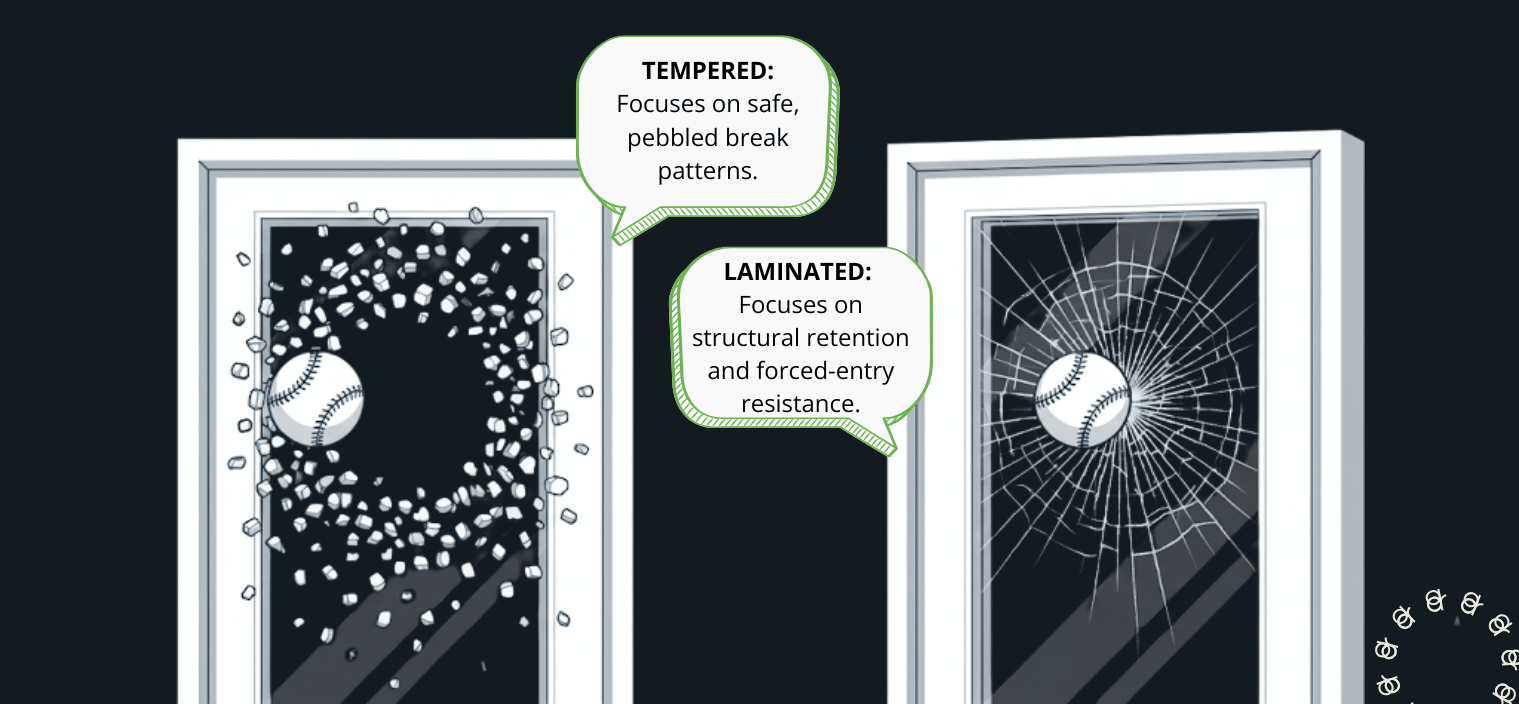
Thickness selection should follow the type of door and the kind of glass assembly being specified.
When tempered is often selected:
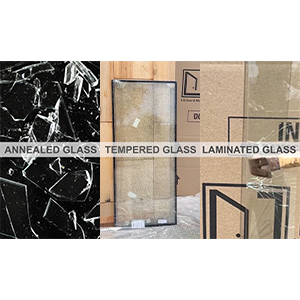
Tempered glass may be specified when the main safety priority is break behavior that results in smaller pieces on impact, depending on project requirements.
When laminated is often selected:
Laminated glass is often considered when you want the glass to remain together as a unit rather than fragmenting like a single pane might.
Codes and standards summary:
A U.S. safety standard covering architectural glazing materials explicitly includes glazing used in doors, including storm doors and sliding glass doors. Verify local requirements for your specific application and jurisdiction. If safety is the primary goal, choose the safety glazing type first, then confirm the compatible thickness and assembly for the door system.
Other Factors That Impact Performance
Thickness is only one performance variable. For insulated units, the internal configuration can matter as much as the overall dimension shown on a quote. The most reliable comparison is the published rating for the exact assembly being purchased, not assumptions based solely on thickness labels.
- Low-E coatings: Low-E is a coating option that may be specified on an IGU independently of its overall thickness. Treat it as a separate specification item and request tested performance ratings for the exact build.
- Gas fills: Gas fill is another IGU variable that can differ even when the overall thickness appears identical. If it matters to your goal, confirm whether it is included in the quoted unit.
- Spacers and cavity size: The airspace inside an IGU is a design variable, not a fixed default. Common spacer widths include 1/4 in (6.35 mm), 5/16 in (7.94 mm), and 3/8 in (9.53 mm), among others. Spacer selection can influence thermal behavior in certain contexts.
- Sound Ratings (STC & OITC): If sound control is the priority, avoid assuming that thicker glass automatically performs better. Some examples show diminishing returns from simply increasing thickness, while laminated constructions can improve damping without proportionally increasing weight. Ask what sound-related tested numbers apply to the full door glass assembly.
- Impact ratings: If impact-rated glazing is required, think of this as a structural requirement that may affect which thickness configurations are available. Confirm the listed glass build details before finalizing the specification.
Constraints and tradeoffs
- Compatibility is your first step: Overall IGU thickness must match what the door’s glazing system is designed to accept. Compatibility is the first checkpoint, even before comparing performance goals.
- Build types are not interchangeable: Single pane, laminated, and IGU configurations are different thickness conversations even when the nominal numbers appear close.
- Cost and lead time are build-dependent: Laminated and insulated assemblies can affect sourcing timelines and fabrication complexity even when the outside thickness number looks simple.
- Hardware and weight matter: Thicker glass usually increases weight. If hinge feel, hardware capacity, or overall door handling is a concern, avoid increasing thickness without a clear reason.
To avoid mistakes, decide in this order:
1. Build type
2. Matching thickness label
3. Confirmation that the glazing system accepts it
When requesting help specifying glass thickness, gather at minimum:
- Door type
- Whether you want single pane, laminated, or insulated glass
- Target overall thickness options if selecting an IGU
FAQ
In most door-shopping contexts, it refers to the overall insulated unit thickness rather than a single pane.
That depends on the build type. Single-pane and monolithic discussions usually start with pane thickness, while insulated units are typically discussed by overall IGU thickness.
Yes. Two IGUs can share the same overall thickness while differing in lite makeup, spacer width, coatings, gas fill, and tested performance.
Not automatically. The better option depends on the exact assembly, tested ratings, and whether the glazing system is designed to accept that thickness.
Laminated becomes worth considering when retention, damping, or safety behavior matters more than simply increasing glass thickness.
Share the door type, whether you need single pane, laminated, or insulated glass, and the target thickness range or IGU thickness you are considering.
Not necessarily. IGU makeup, coatings, spacer choice, and other assembly details can influence energy performance as much as thickness.
Yes, glazing used in doors is covered by safety glazing requirements, though local code and application details should always be verified.
Next step
- View glazed exterior doors
- Explore energy-efficient glass choices
- Browse interior glass doors
- Browse hurricane rated doors
- Request help specifying glass thickness
If you want to narrow it quickly, share your door type and whether you are selecting single pane, laminated, or an insulated unit. From there, the appropriate thickness label can be matched to your goal and checked against glazing system compatibility.
Related Guides and Categories