Comparing Safety Features of Laminated, Tempered, and Annealed Glass
-
 By Shayan Behjati
 - May 25, 2026
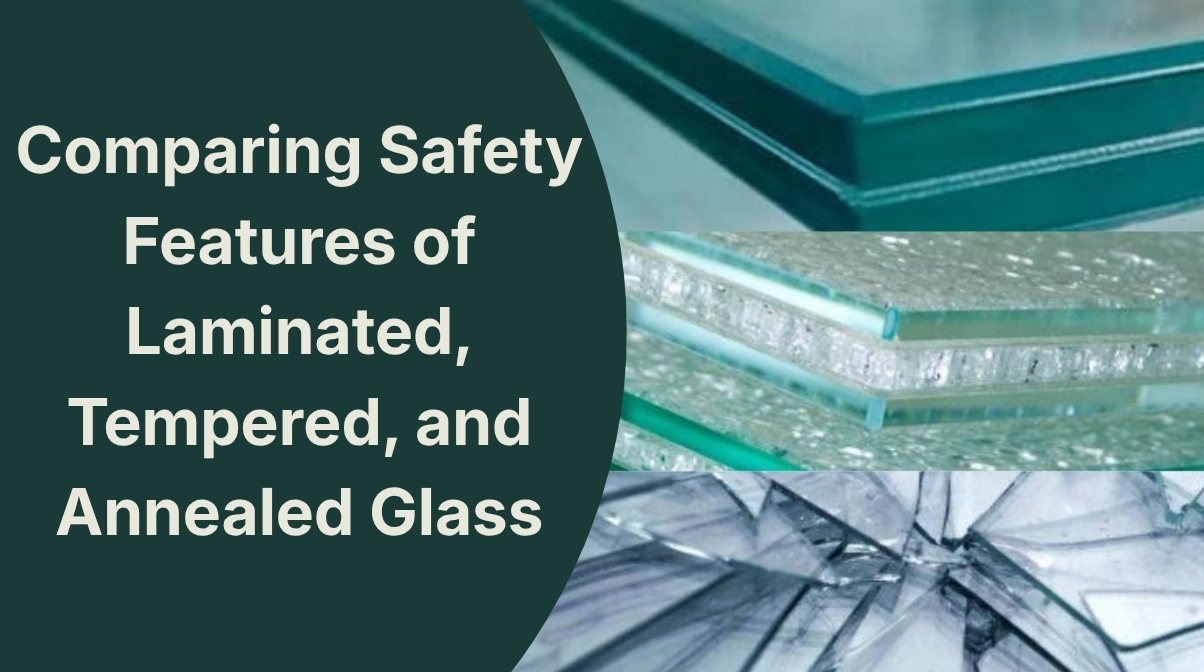
In this laminated vs tempered vs annealed glass guide, “safest” refers to how the glass breaks, how it reduces injury risk, and whether it can help maintain a barrier after breakage.
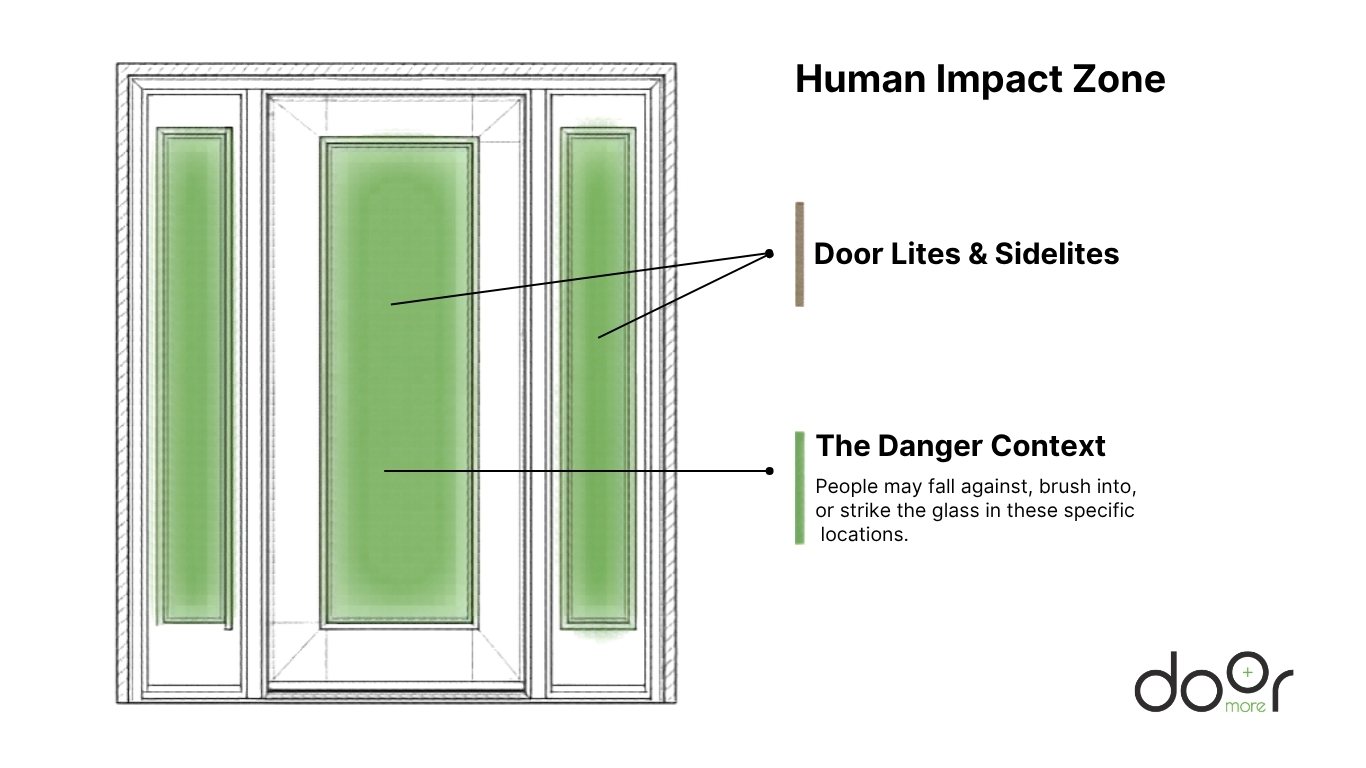
This guide focuses on door applications, including entry door lites, sidelites, and patio doors where people may come into contact with the glass or where a broken pane has immediate consequences.
By the end, you will have a side-by-side comparison table, a scenario-based chooser for real homes, and a buyer checklist to help confirm the glass type specified in your quote.
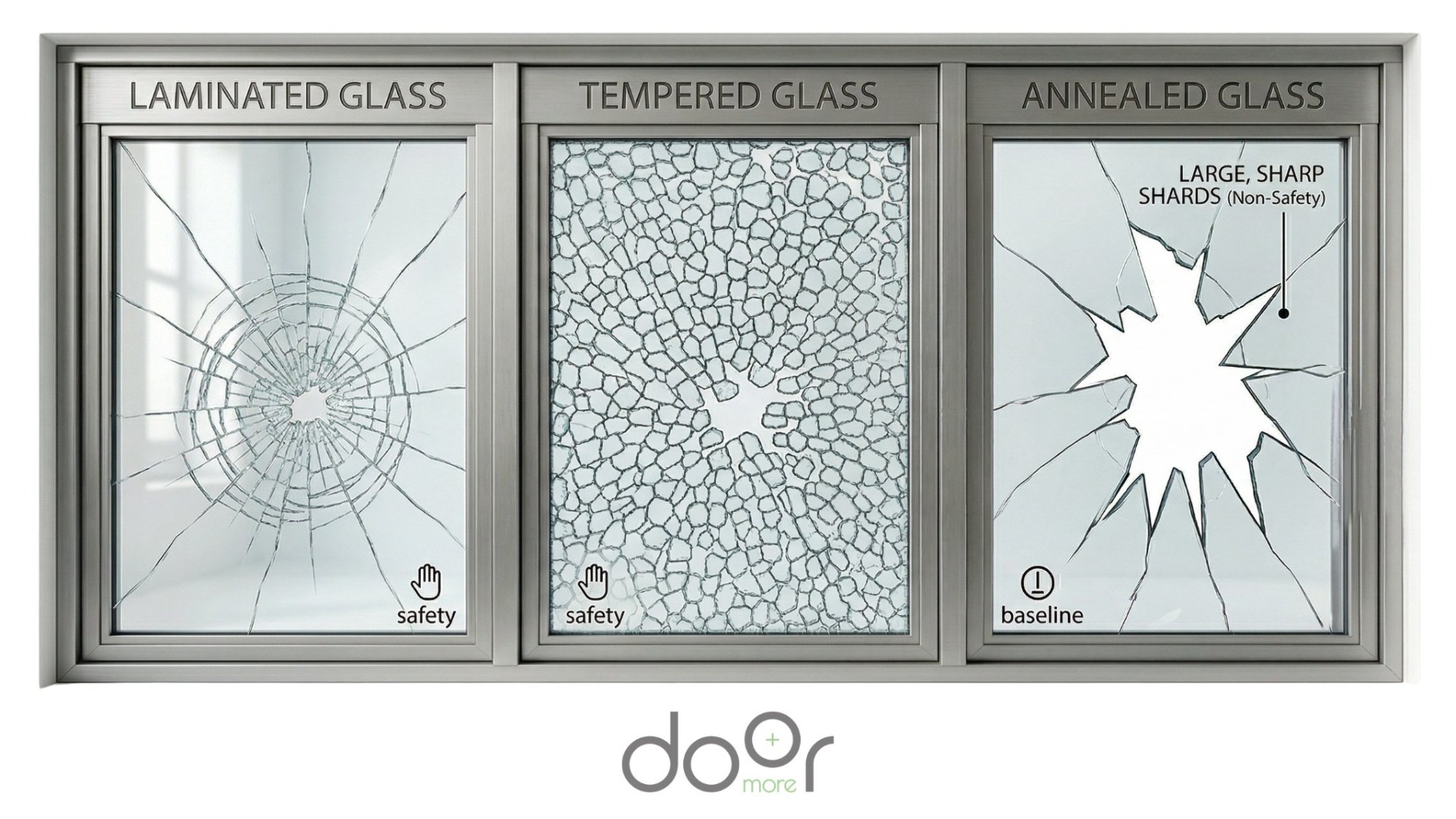
Laminated vs Tempered vs Annealed: Quick Door Glass
DEFINITIONS
Laminated glass
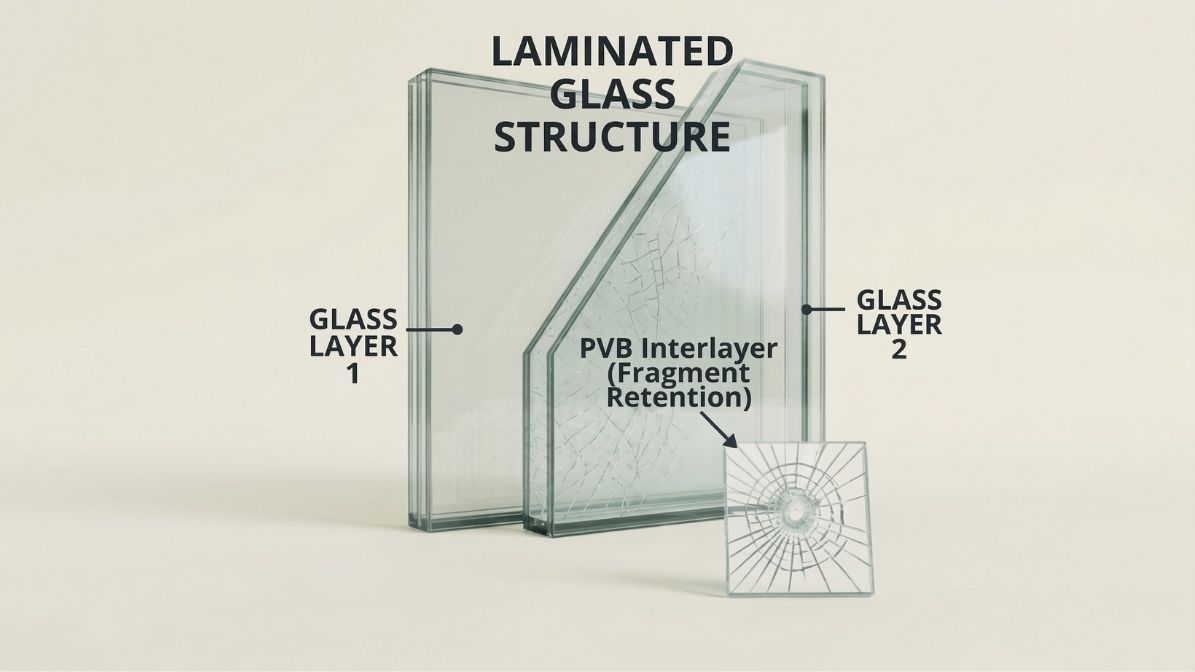
Laminated glass is made from two or more layers of glass bonded with an interlayer. In a door lite or sidelite, that interlayer helps broken fragments stay attached rather than falling away immediately. “Laminated” describes the construction, but it counts as safety glazing only if the specific build meets the applicable standard for that use.
- What it means for a door lite: layered glass with an interlayer between panes
- What it means for a sidelite: can help retain more of the pane after impact
- After breakage behavior: fragments tend to stay attached to the interlayer, so more of the pane may remain in place
Laminated glass
Laminated glass is made from two or more layers of glass bonded with an interlayer. In a door lite or sidelite, that interlayer helps broken fragments stay attached rather than falling away immediately. “Laminated” describes the construction, but it counts as safety glazing only if the specific build meets the applicable standard for that use.
- What it means for a door lite: layered glass with an interlayer between panes
- What it means for a sidelite: can help retain more of the pane after impact
- After breakage behavior: fragments tend to stay attached to the interlayer, so more of the pane may remain in place
Tempered glass
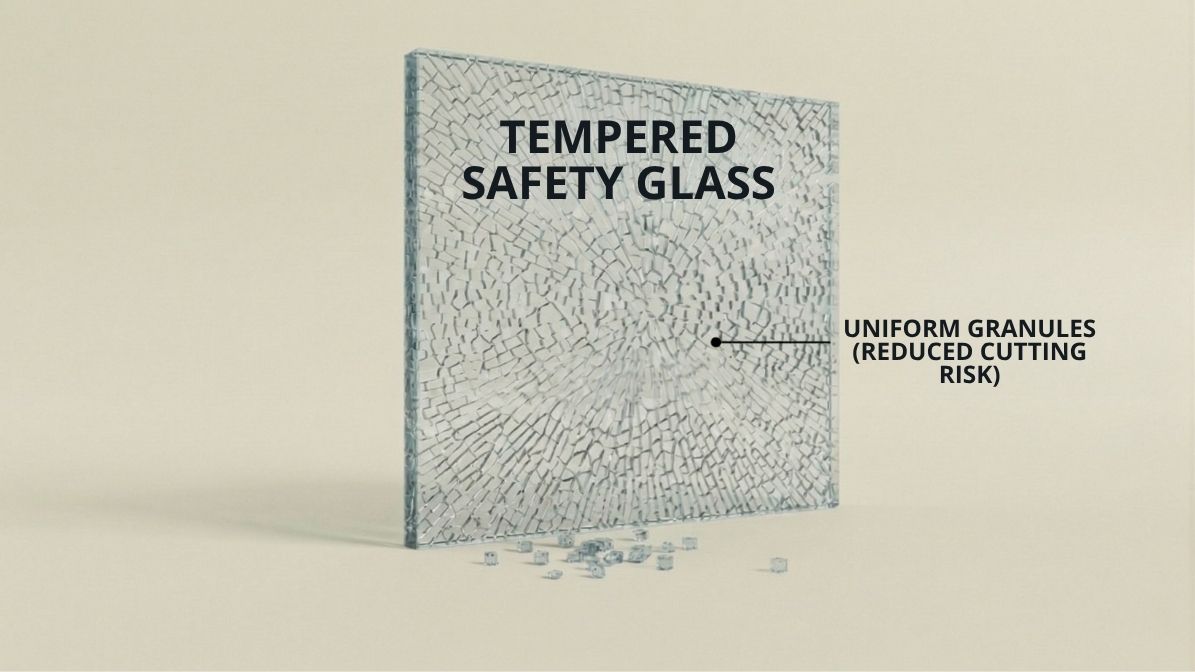
Tempered glass is a heat-treated safety glass commonly used in human-impact locations such as doors and sidelites. Its main safety advantage is the way it breaks. Instead of forming large sharp shards, it breaks into many smaller pieces that are generally less likely to cause serious cutting injuries.
- What it means for a door lite: commonly specified for impact-prone door locations
- What it means for a sidelite: helps reduce shard-type injury risk if someone strikes the glass
- After breakage behavior: usually shatters and falls out of the frame rather than staying in place as a barrier
Tempered glass
Tempered glass is a heat-treated safety glass commonly used in human-impact locations such as doors and sidelites. Its main safety advantage is the way it breaks. Instead of forming large sharp shards, it breaks into many smaller pieces that are generally less likely to cause serious cutting injuries.
- What it means for a door lite: commonly specified for impact-prone door locations
- What it means for a sidelite: helps reduce shard-type injury risk if someone strikes the glass
- After breakage behavior: usually shatters and falls out of the frame rather than staying in place as a barrier
Annealed glass
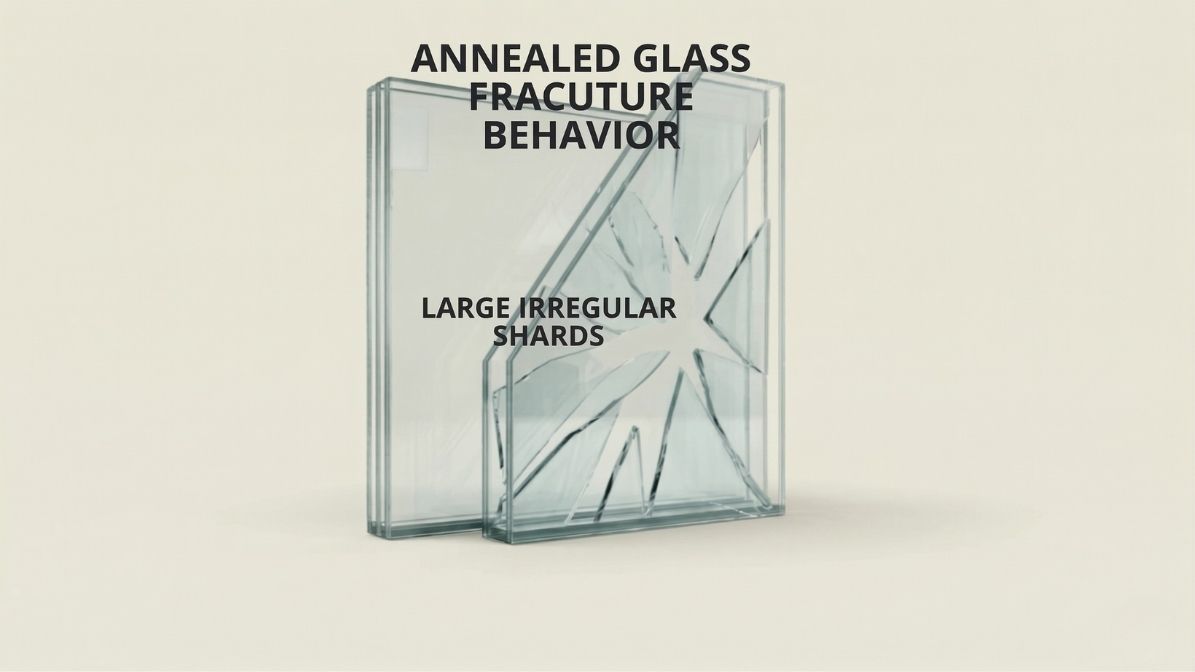
Annealed glass is standard, untreated glass without safety processing. In door applications, its main limitation is the way it fractures. It typically breaks into sharp, irregular shards and is not considered safety glazing for hazardous impact locations.
- What it means for a door lite: a basic glass type, but not the right safety choice in impact-prone door
- What it means for a sidelite: higher concern where people may fall against or brush into the glass
- After breakage behavior: fractures into sharp, irregular shards that increase injury risk compared with safety-glazing options.
Annealed glass still has appropriate uses in lower-risk glazing situations. It is included here as the baseline comparison, not as a recommended choice for impact-prone door locations.
Annealed glass
Annealed glass is standard, untreated glass without safety processing. In door applications, its main limitation is the way it fractures. It typically breaks into sharp, irregular shards and is not considered safety glazing for hazardous impact locations.
- What it means for a door lite: a basic glass type, but not the right safety choice in impact-prone door
- What it means for a sidelite: higher concern where people may fall against or brush into the glass
- After breakage behavior: fractures into sharp, irregular shards that increase injury risk compared with safety-glazing options.
Annealed glass still has appropriate uses in lower-risk glazing situations. It is included here as the baseline comparison, not as a recommended choice for impact-prone door locations.
How Each Glass Type Breaks and Why That Changes Door Safety
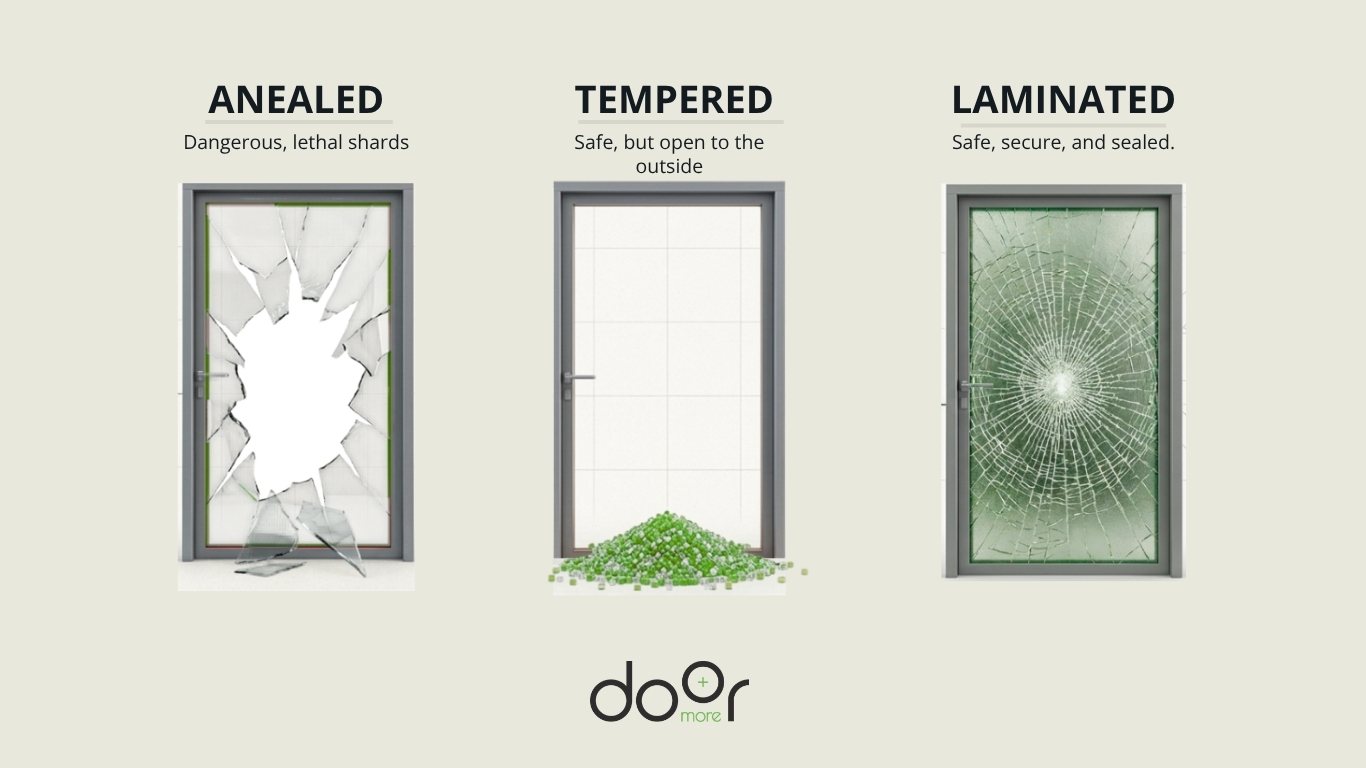
If you remember only one idea from this laminated vs tempered vs annealed comparison, let it be this: break behavior is the real safety story for door glass. A door lite or sidelite is a human-impact zone. Once the glass fractures, what happens next affects both injury risk and whether the opening continues to act as a barrier.
- +Tempered glass:
breaks into smaller pieces that help reduce shard-related injury risk, but it usually does not stay in place after failure. - +Laminated glass:
tends to hold together after breakage because fragments remain attached to the interlayer, which can matter when keeping the opening more intact is importan - +Annealed glass:
breaks into sharp shards and is generally avoided in impact-prone door locations
Side by Side Comparison for Door Glass
Use this table to narrow your choice, then confirm the exact specification shown in your quote.
| Category | Laminated | Tempered | Annealed |
|---|---|---|---|
| Break behavior and injury risk | Fragments tend to stay attached to the interlayer, helping avoid large sharp shards. | Breaks into many smaller pieces to help reduce cutting and piercing injuries. | Typically breaks into sharp, irregular shards and is not considered safety glass for hazardous impact locations. |
| Post-breakage barrier | Can remain in place after breakage, supporting barrier retention. | More likely to shatter and fall out of the frame, so it may not maintain a barrier the way laminated often can. | Breaks into shards and does not hold together as a barrier. |
| Typical strength framing | Often chosen when post-breakage retention matters most. | Often positioned as stronger than annealed glass of the same thickness. | Baseline strength reference for comparison. |
| Security and forced-entry delay framing | Can slow forced entry because the interlayer helps hold the glass together after impact. It is still not burglar-proof. | Not usually chosen as a forced-entry solution, especially once broken. | Not a security-oriented option in impact-prone door locations. |
| Sound benefit framing | Can help with sound reduction because the interlayer can damp vibration, although results still depend on the full door and frame assembly. | Not typically chosen as the main sound-control option. | Not considered a sound-control option compared with laminated glass. |
| UV screening framing | Often selected when UV screening matters, since many laminated builds help reduce UV exposure. | UV performance depends on the overall glass package, not break behavior alone. | UV performance depends on the overall glass package, not break behavior alone. |
| Typical door lite use cases | Entry door lites and sidelites where retaining more of the pane after breakage is a priority. | Door lites, sidelites, and patio doors where injury reduction from break pattern is the main concern. | Generally avoided for hazardous impact door locations because of shard behavior. |
| How to verify on label or marking | Look for permanent markings or labels confirming laminated glass where applicable in documentation. | Look for permanent markings or labels identifying safety glazing. | If safety glazing identification is absent, treat it as a red flag for impact-prone door locations. |
Choose This If: Door Glass Scenarios for Real Homes
Use these scenarios to decide which glass type fits your priorities, then confirm the exact specification listed in your quote.
When Laminated Is the Better Fit
Laminated glass is usually the better fit when your main concern is keeping more of the opening intact after breakage. This is often a strong choice for entry door sidelites near locks and handles, or for larger door lites where you do not want the opening to clear immediately after impact.
It also makes sense when you want a more security-framed glass upgrade. Laminated glass can help slow forced entry because the pane is more likely to stay together after impact, though it is not a guarantee against break-in.
It is also worth considering when UV reduction or noise control is part of the decision, since laminated builds are often chosen for those added performance goals.
When Tempered Is the Better Fit
Tempered glass makes more sense when your top priority is reducing injury risk through break pattern. That is why it is so commonly specified in door and sidelite impact locations.
It is also often selected when higher initial strength for everyday use is part of the comparison. The tradeoff is that once it fails, it is more likely to shatter and leave the opening exposed rather than remaining in place.
When Annealed Should Be Ruled Out
Annealed glass is best treated as the baseline comparison here, not as the right choice for impact-prone door locations. For doors and sidelites where people may strike the glass, it is generally the option to rule out.
If You Are in a Storm Zone
Impact-rated and hurricane-rated door systems follow a separate requirement set from this three-way safety comparison. In those locations, start with the Hurricane Rated hub and confirm the required glass build for your opening.
Budget Reality Check
Costs vary by door size, lite size, glass package, and exact build. Use these scenarios to narrow your direction, then confirm the upgrade in a written quote.
Get Help Choosing Door Glass Options
Buyer Checklist: What to Ask Before You Order a Door With Glass
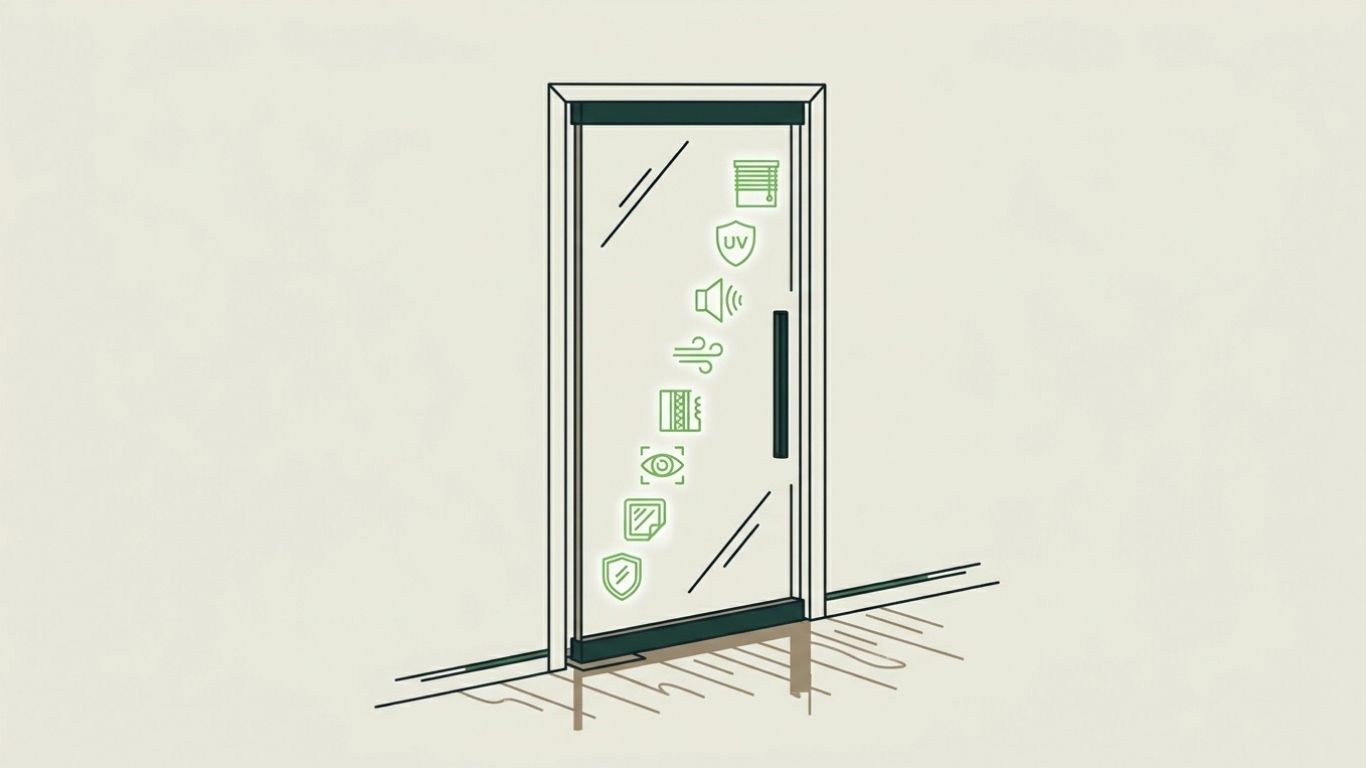
Bring this checklist to your quote review so you can confirm actual safety behavior, not just marketing terminology.
- ✓ Confirm glass type and location: Ask whether the entry door lite, sidelite, or patio door glass is laminated, tempered, or something else, and have it specified per opening.
- ✓ Ask about breakage behavior: Ask what happens after breakage in plain terms: “Will it crumble into small pieces, or will it hold together and stay in place?”
- ✓ Verify identification: Safety glazing is commonly marked with a permanent label or etching, so ask what marking you should expect on the installed glass.
- ✓ Get it in writing: Request a written description on the quote that matches what you discussed so you are not guessing later.
- ✓ Check standards: Safety labels may reference standards such as ANSI Z97.1 or CPSC 16 CFR 1201; ask about label language and referenced standards.
- ✓ Prioritize security: If security is a priority, ask specifically about laminated glass and keep the conversation tied to door-glass behavior.
- ✓ Noise and UV protection: Ask whether the glass package is intended to address noise or UV, then confirm that wording in writing on the quote.
- ✓ Verify local code: Safety glazing is commonly required in and around doors, but exact rules vary by jurisdiction, so verify local expectations.
Other Considerations Before You Finalize the Glass
Before finalizing your glass choice, a few details can help avoid surprises.
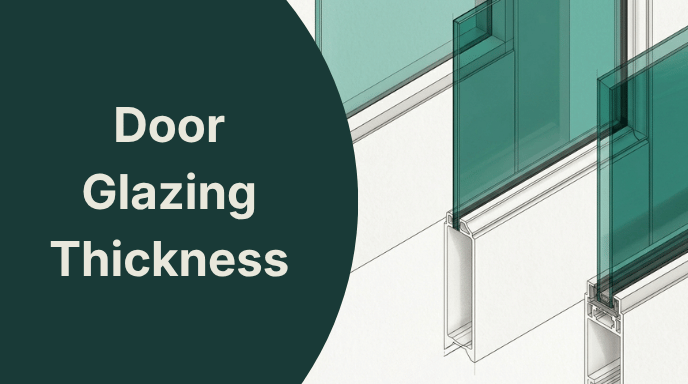
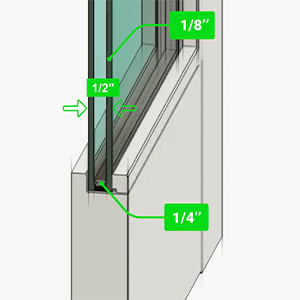
- Thickness matters in context: The right thickness depends on the overall door system and opening. For terminology and basic framing, see the door glazing thickness guide.
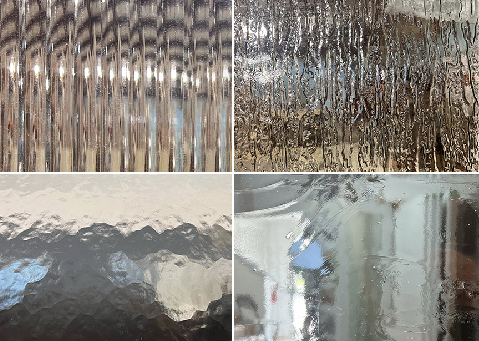
- Appearance and break behavior: Patterns, textures, and tints can change privacy and visual style without changing the core break-behavior category. For option terminology, see the door glass patterns guide.
- Confirm specifications in writing: If your quote includes an IGU, coatings, or Low-E, confirm those terms in writing. Treat them as package components rather than assuming they change the basic safety category.
- Follow supplier care guidance: Follow supplier care guidance after purchase. Coated or decorative glass may require gentler cleaning methods than standard clear glass.
Related Guides


FAQ
Tempered glass is designed to break into many smaller pieces rather than large sharp shards. In a door lite or sidelite, that behavior is meant to reduce injury risk after impact. The tradeoff is that it usually does not stay in place once broken.
Laminated glass tends to hold together after breakage because fragments remain attached to the interlayer. In a door lite or sidelite, that can mean more of the pane stays in place instead of clearing immediately.
What to check on your quote: Confirm that the glass is specified as laminated and request the exact description in writing.
No. Annealed glass is not considered safety glazing for hazardous impact locations such as doors and sidelites. It typically breaks into sharp shards and is generally avoided in those settings.
Yes. Tempered glass is commonly positioned as stronger than annealed glass of the same thickness. That helps explain why it is often selected for door and sidelite impact locations, alongside its safer break pattern.
They are not the same goal. Tempered is often chosen for higher initial strength, while laminated is often chosen when retention after breakage matters more. If keeping the opening more intact after impact is part of your definition of safest, that difference matters.
It can help slow forced entry because the glass is more likely to stay together after impact. It is better to think of it as a delay-focused upgrade, not a burglar-proof solution.
It can, depending on the interlayer and the full door system. Laminated glass is often selected when UV reduction or sound control is part of the goal, but the exact result depends on the full glass package.
Look for a permanent marking or label, and ask your supplier what etched marks or certification labels you should expect on the installed glass. It is also worth making sure the glass type is written out clearly for each lite and sidelite in the quote.
Upgrades cost more because the construction and performance goals are different, and pricing depends on the exact glass build and door configuration. The most reliable way to compare is to confirm the written specification and evaluate quotes on the same basis.
Ready to compare options? Start with Doors with Glass.