Bronze Tinted Glass for Doors: Look, Light, Privacy, and When to Choose Solar Cool Bronze
-
 By Shayan Behjati
 - Mar 20, 2026
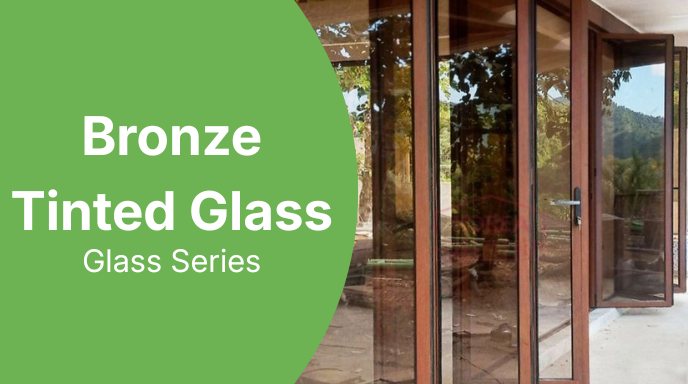
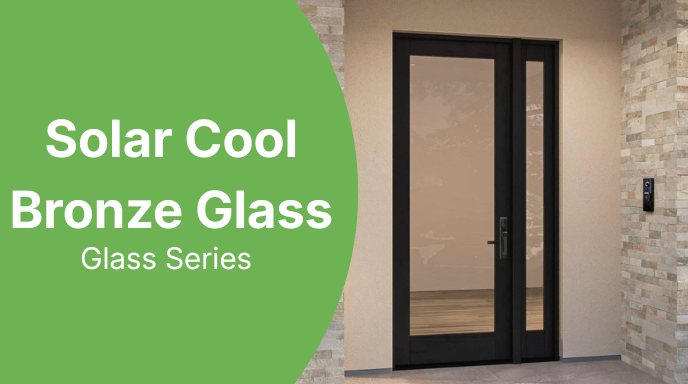
Bronze tinted glass for doors is body-tinted float glass, meaning the color is integral to the glass rather than applied as a removable film. Visually, it leans warm, so daylight and views take on a bronze cast compared with gray tints. Homeowners often choose it to soften a bright entry and reduce glare. The tradeoff is lower visible light transmission, and night privacy is not automatic.
Key Takeaways for Doors
- Bronze tint adds a warm tone to your entry and adjacent glazing, especially in daylight.
- It can make a bright foyer feel less harsh by lowering perceived brightness and glare.
- Night privacy depends on which side is brighter, not on tint alone.
- Thicker panes or larger glass areas can make the bronze tone appear deeper, so reviewing samples is helpful.
What bronze tint changes visually
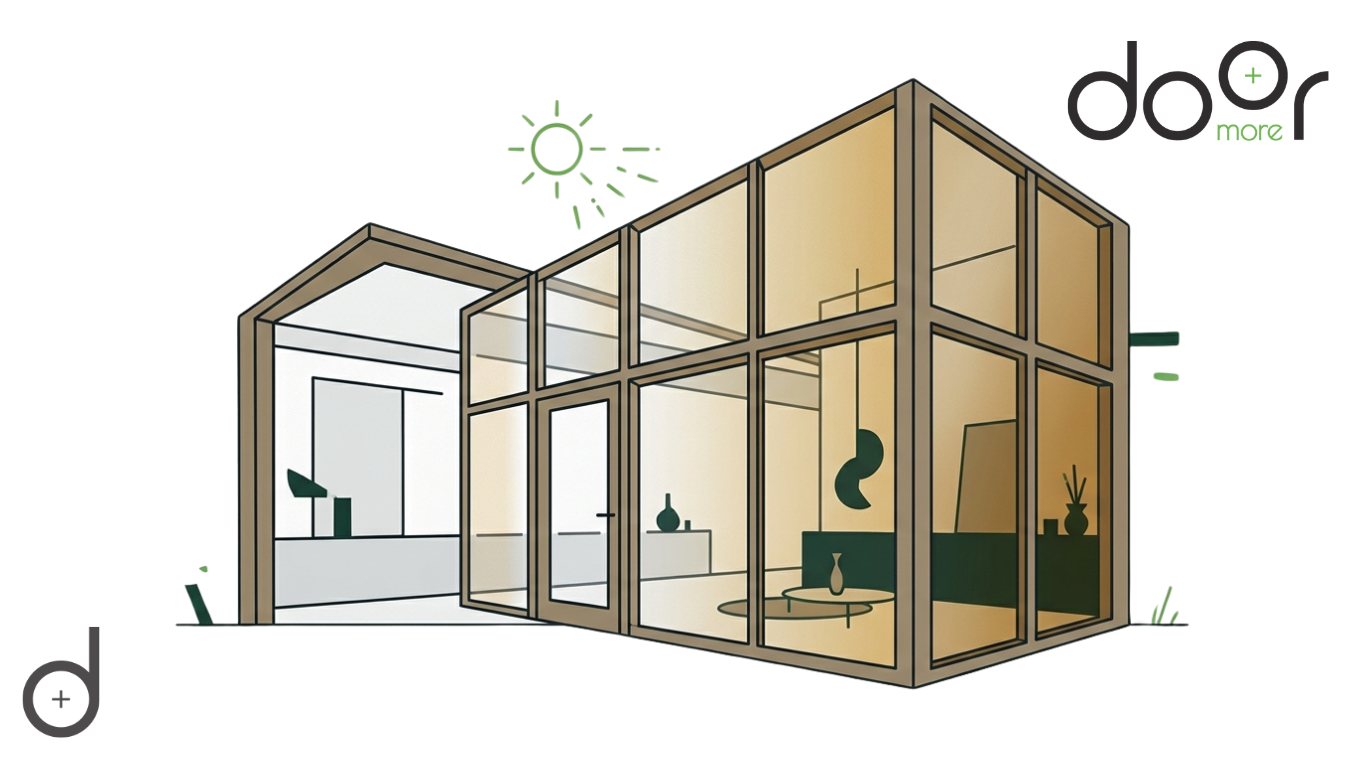
Bronze tinted glass is best understood as a color shift combined with a light-softening effect in door glass—not as a paint color match. Because the tint is integrated during manufacturing, the tone appears consistent across the pane. That said, it can read differently depending on thickness, lite size, and surrounding materials.
WHAT YOU WILL TYPICALLY NOTICE
- A warmer cast in views and daylight compared with gray tints.
- A subtle color shift through the glass, especially noticeable on whites and cooler grays.
- A deeper bronze tone as thickness increases, which can make sidelites and larger lites appear richer than smaller inserts.
- Softer brightness in sunlit entries because less visible light passes through.
- Tone variation by context, meaning different glass builds may feel coordinated but not perfectly identical.
Bronze Tinted Glass for Doors
How it looks in real life: inside vs outside, day vs night
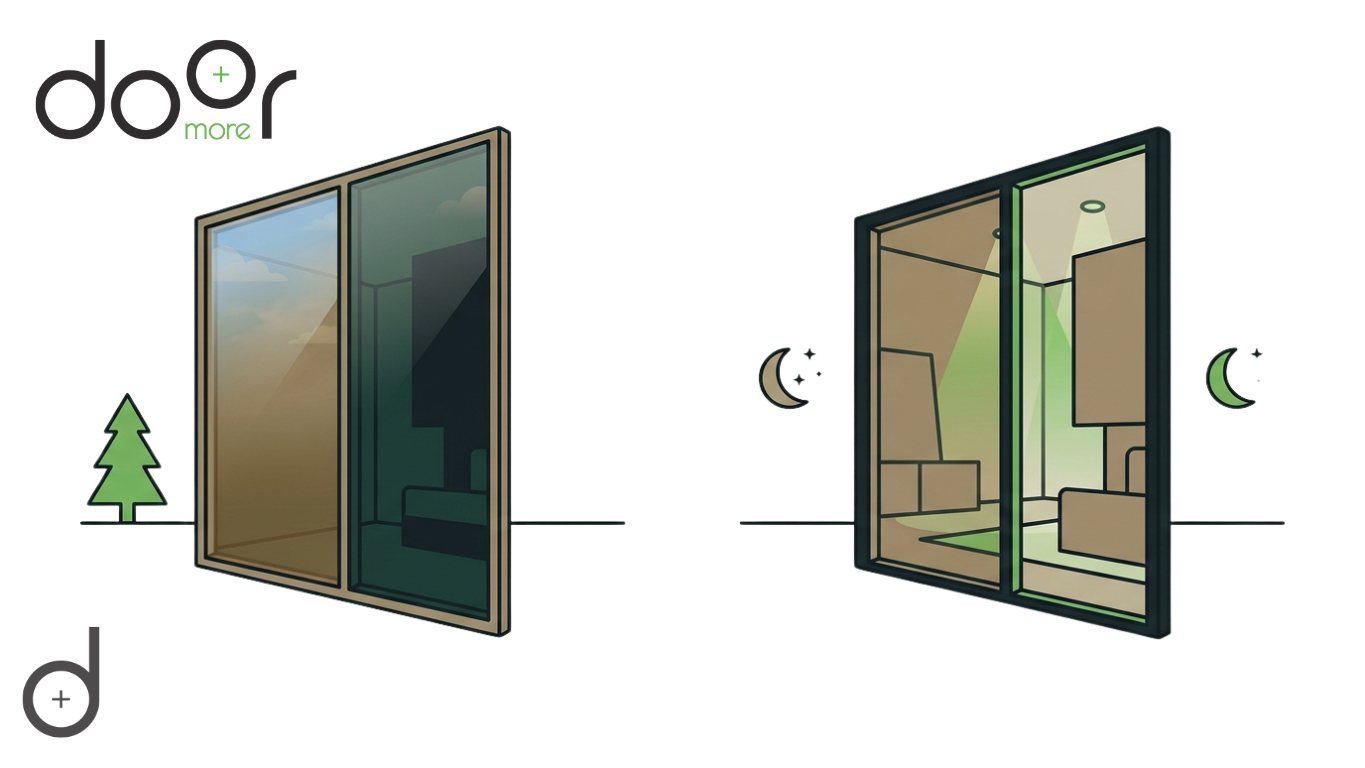
Bronze tinted glass behaves differently depending on viewing position and which side has stronger light. Setting expectations early helps avoid the common surprise that it looks ideal at noon but noticeably different after sunset.
Inside view during the day
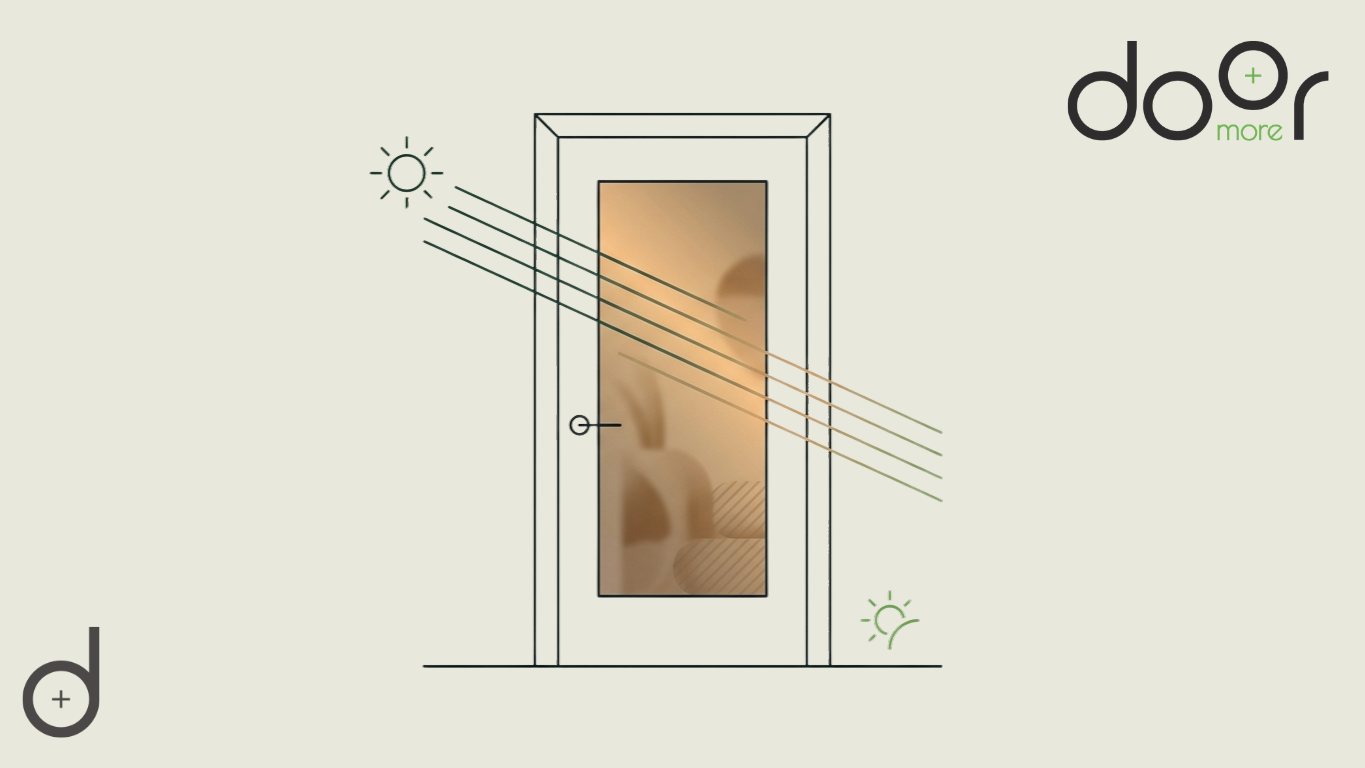
- From indoors in daylight, bronze tint acts like a warm filter. It can make a bright entry feel calmer by lowering perceived brightness and reducing glare.
Outside curb view during the day
- From the street, bronze glass often appears warmer and slightly darker than clear glass, especially when the foyer behind it is shaded. If your door includes sidelites, the larger glazed area can make the bronze tone more pronounced.
Night expectations and privacy limits
- At night, privacy is driven by lighting balance. If the interior is brighter than outdoors, the glass may appear less reflective from outside and more revealing. If the exterior is brighter, the opposite effect can occur. Bronze tint can improve comfort, but it should not be treated as a guaranteed nighttime privacy solution.
Lighting conditions quick reference
- If the brighter side is outside, the exterior surface appears more reflective.
- If the brighter side is inside, silhouettes may be more visible from outdoors.
- The strongest one-way effect occurs only when there is a significant brightness difference
Performance expectations for door glass
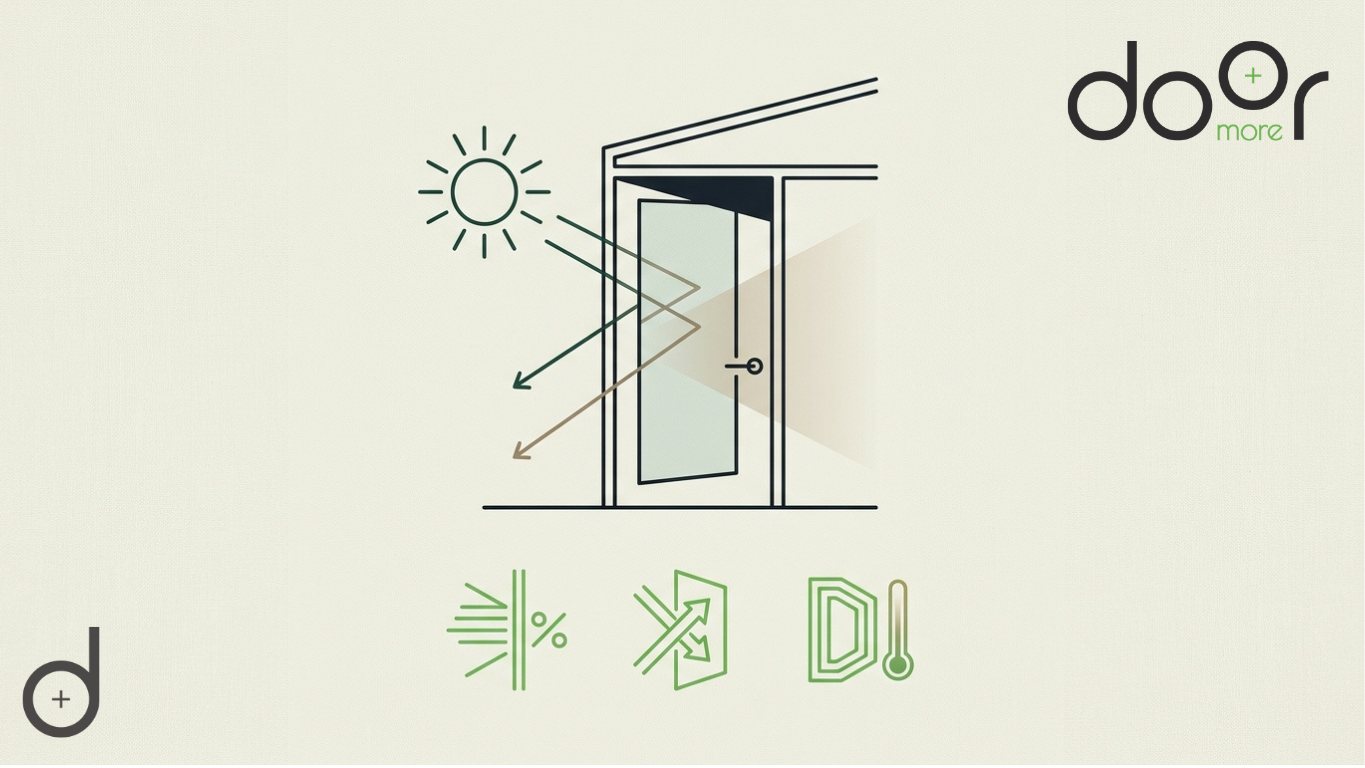
Bronze tinted glass is primarily a comfort and appearance choice in door applications. Any performance effects should be treated as conditional rather than guaranteed. In bright entries, the most noticeable change is reduced perceived brightness because less visible light passes through the glass.
What to expect from bronze tinted glass in door applications:
Glare reduction
- Often noticeable in sun-facing entries.
Perceived heat
- May feel lower in direct sun because the space appears less visually intense, though actual results vary by glass construction and exposure.
UV considerations
- UV behavior depends on the full glazing build, not the tint color alone.
Tradeoff
You gain warmth and visual comfort while accepting some color shift and reduced daylight.
Quick glossary
- VT (Visible Transmittance): The percentage of visible light that passes through glass. Lower VT appears darker.
- SHGC (Solar Heat Gain Coefficient): A measure of how much solar heat enters through glass.
- U-factor: A measure of heat transfer through a glazing system.
For deeper glazing definitions here→
Bronze Tint vs Solar Cool Bronze
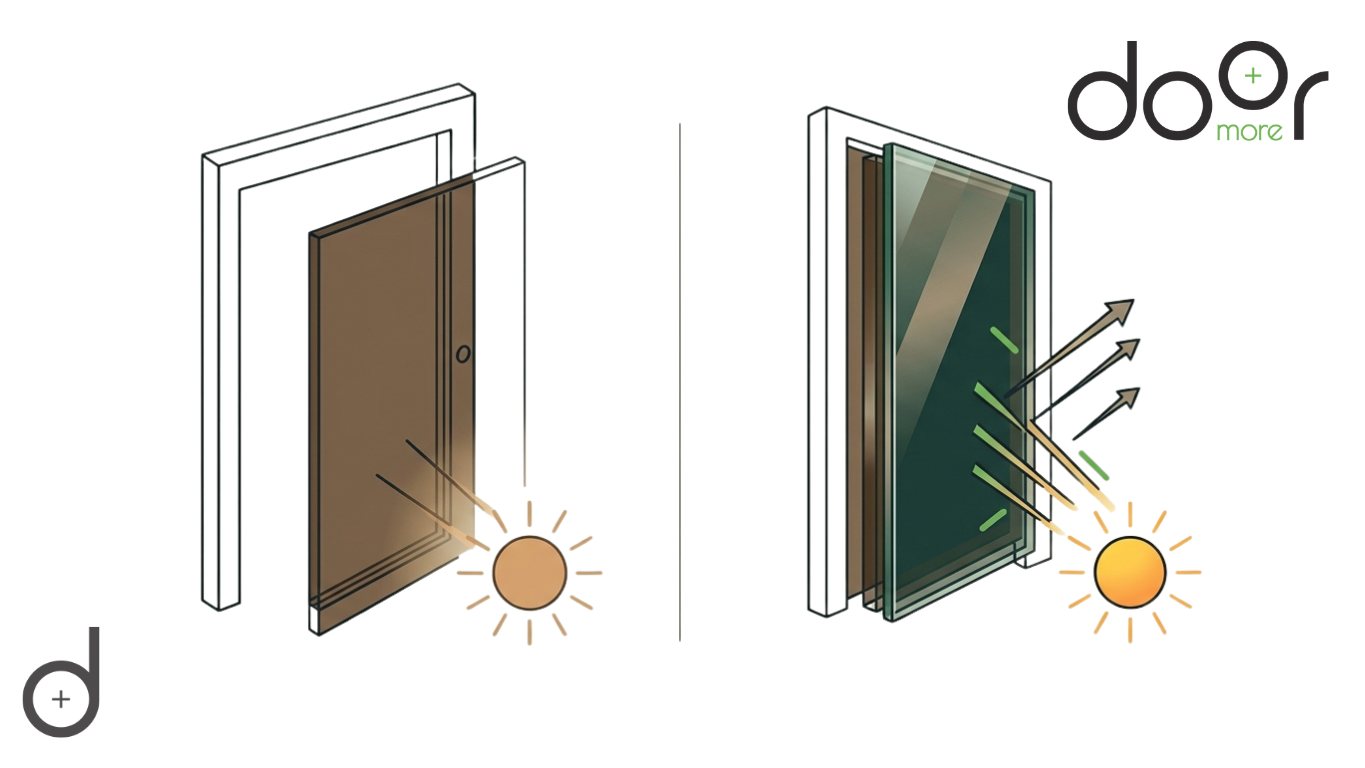
Bronze tint and Solar Cool Bronze may appear related, but they are not the same. Standard bronze-tinted glass is body-tinted float glass with color integrated throughout the pane. Solar Cool Bronze—specifically Vitro Solarcool Solarbronze—combines bronze tint with a durable metallic oxide reflective coating applied during manufacturing. That coating increases reflectivity and changes how the bronze reads from different viewing angles. In both cases, privacy remains dependent on which side is brighter, particularly at night.
What you are deciding:
| Bronze Tinted Glass | Solar Cool Bronze | |
|---|---|---|
| Look | Warm, non-coated bronze cast through the glass | More reflective, metallic presence due to coating |
| Reflectivity | Subtle reflectivity; privacy driven by lighting balance | Stronger reflectivity; still lighting dependent |
| Why does it look different | Color is integrated into the glass body | Reflective coating alters light behavior |
| Best for | Warm tone and softened brightness without metallic sheen | Sun-exposed entries where a more reflective appearance is desired |
← Swipe for more→
In short:
- Choose bronze tinted glass when you want warmth and a balanced daylight feel.
- Choose Solar Cool Bronze when you want bronze plus a stronger reflective presence and understand that privacy remains lighting dependent.
Learn more about Solar Cool Bronze here→
Where bronze works best in doors
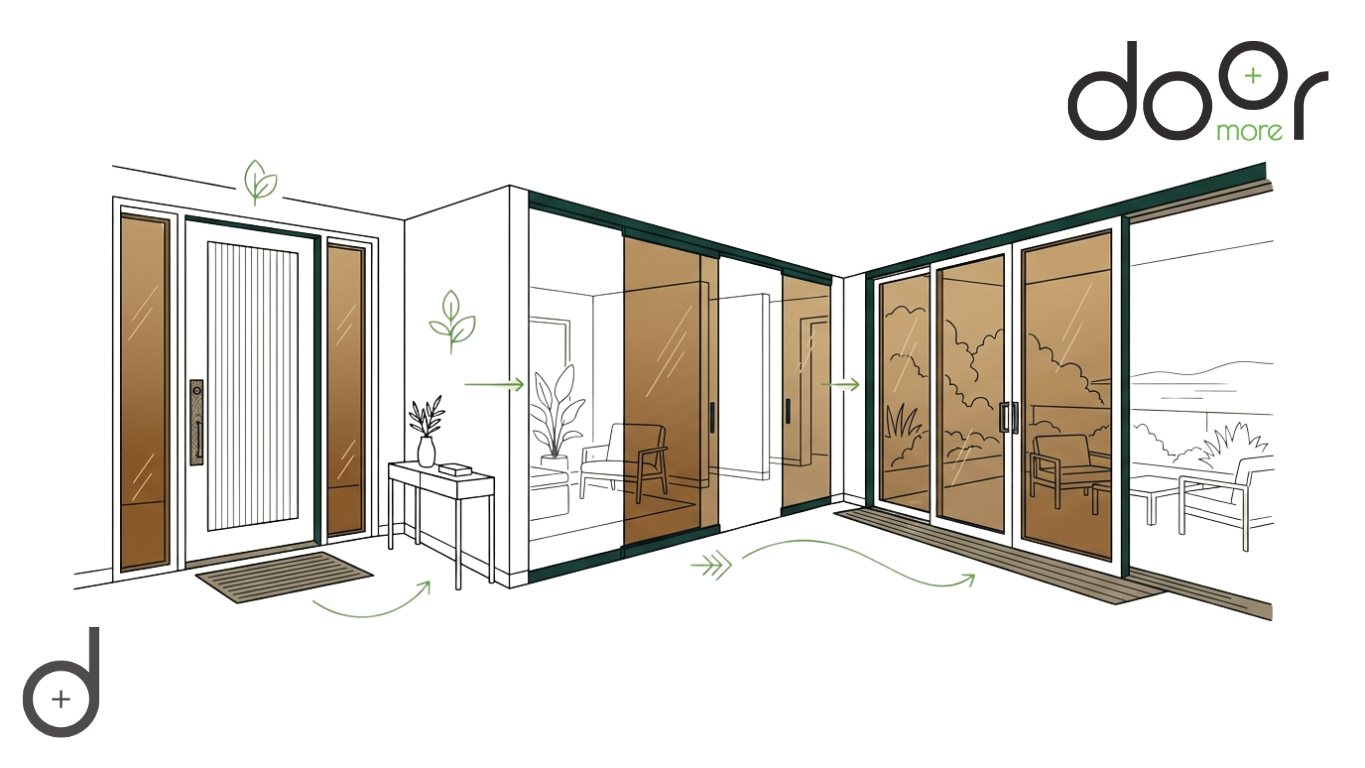
Bronze tinted glass performs best where the goal is to manage strong daylight while keeping the entry visually inviting. Consider both total glass area and how visible the door is from the street when deciding.
Entry doors:
- Well suited for sun-facing entries that feel overly bright during peak daylight hours.
Sidelites:
- Introduce warmth while maintaining daylight. As the glass area increases, the bronze tone typically reads deeper and more noticeable.
Patio doors:
- Create a warmer overall aesthetic across larger glazed surfaces, with a more visible reduction in daylight compared with clear glass.
Interior glass doors:
Add stylistic warmth but reduce brightness relative to clear glazing.
If you are considering a reflective bronze option for a more shielded exterior look, keep privacy expectations aligned with lighting balance rather than assuming constant one-way visibility.
How to choose: light, privacy, orientation, and finish pairing
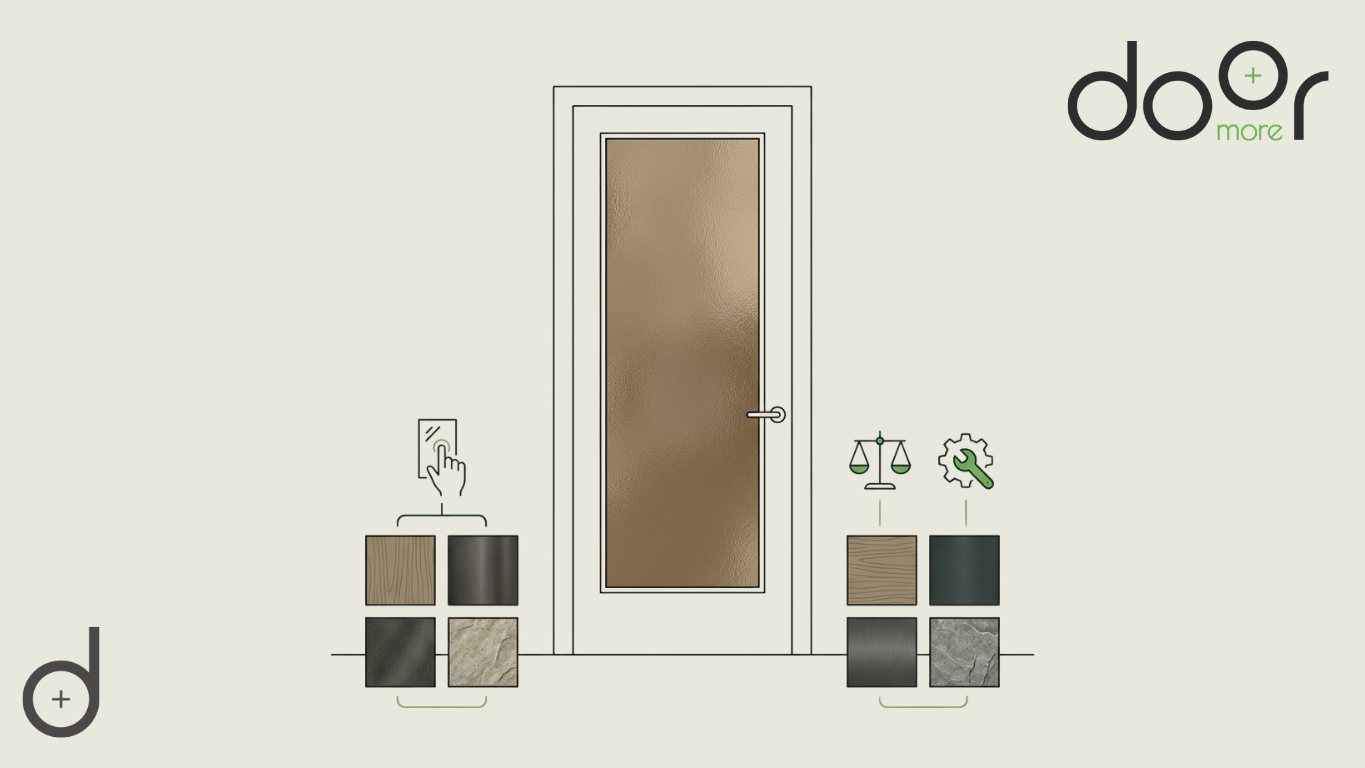
Choosing bronze tinted glass comes down to four inputs: the brightness at the door location, your preference for a warmer tone, your privacy expectations after dark, and how the tint pairs with surrounding finishes.
Bronze door glass checklist:
- The entry receives strong daylight and you want less glare.
- You prefer a warmer look than gray tints.
- You accept a modest color shift through the glass.
- You understand that larger lites deepen the bronze tone.
- Your privacy plan accounts for lighting balance rather than tint alone.
- The door is a focal point and added warmth supports your design goals.
Summary:
A strong fit if you want warmth and reduced visual intensity in daylight.
Less ideal if your goal is maximum daylight or guaranteed nighttime privacy from tint alone.
Finish pairing pointers
- Works well with warm woods, walnut tones, darker stains, and many black finishes.
- Bright white trim emphasizes the warmth; cream tones soften the shift.
- Complements oil-rubbed bronze, aged brass, champagne finishes, and matte black hardware.
- Suits traditional, transitional, and modern-organic entry styles.
If bronze feels too warm, gray tints maintain a cooler appearance while addressing brightness. If privacy is the primary goal, frosted or textured decorative options can obscure views without relying on reflectivity.
Care and planning
Bronze tinted glass is maintained similarly to most standard door glass. Reflective coated options require more careful handling to preserve surface integrity.
Cleaning Guidelines:
- Use a soft, grit-free cloth with mild soap or detergent.
- Avoid acidic solutions and abrasive pads on coated surfaces.
- Avoid products containing harsh or reactive compounds.
- Clean when the surface is cool rather than in direct sunlight.
Cost drivers:
- Total glass size and presence of adjacent sidelites.
- Insulated glass construction compared with simpler single-pane builds.
- Added coatings such as Solar Cool Bronze.
- Decorative textures if privacy patterns are included.
Safety Glazing Note:
Door glass is often subject to safety glazing requirements depending on configuration and jurisdiction. In the United States, 16 CFR 1201 is a commonly referenced safety standard. Confirm requirements for your specific location and door type.
Learn more here →Glass Patterns - Privacy rating
Choose a glass texture that matches your door. These panels use insulated glass for added strength, safety, and energy efficiency.
Transparency depends on the texture: some allow for a fairly unobstructed view, while others obscure it for greater privacy.








FAQ
Bronze tinted glass for doors is body-tinted float glass with color integrated during manufacturing. It produces a warm tone and slightly darker appearance compared with clear or gray glass.
Yes. Bronze tint commonly reduces perceived brightness and glare because it lowers visible light transmission.
Not automatically. Night privacy depends on lighting balance. If interior lights are brighter than outdoors, visibility from outside can increase.
Bronze tinted glass has color throughout the glass. Solar Cool Bronze adds a reflective metallic coating that changes reflectivity and overall appearance.
Yes. Coating placement affects how metallic and how bronze-forward the glass appears, influencing reflectivity and visual depth.
Acidic cleaners are not recommended for coated glass. Use mild soap and a soft cloth instead.
Often, yes. Requirements depend on door configuration and local building codes. Verify standards for your jurisdiction.