Choosing a Front Door for Your Home
-
 By Shayan Behjati
 - Jul 6, 2026
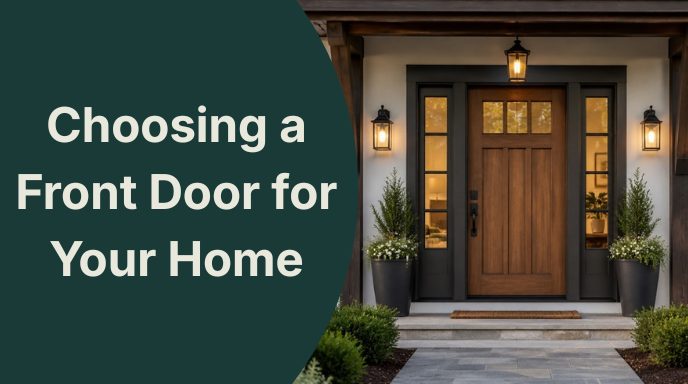
Choosing a front door can feel overwhelming because you are balancing several connected decisions at once. Rather than searching for one “best” option, it helps to work through the decision in a clear order so the final result feels intentional, cohesive, and right for your home.
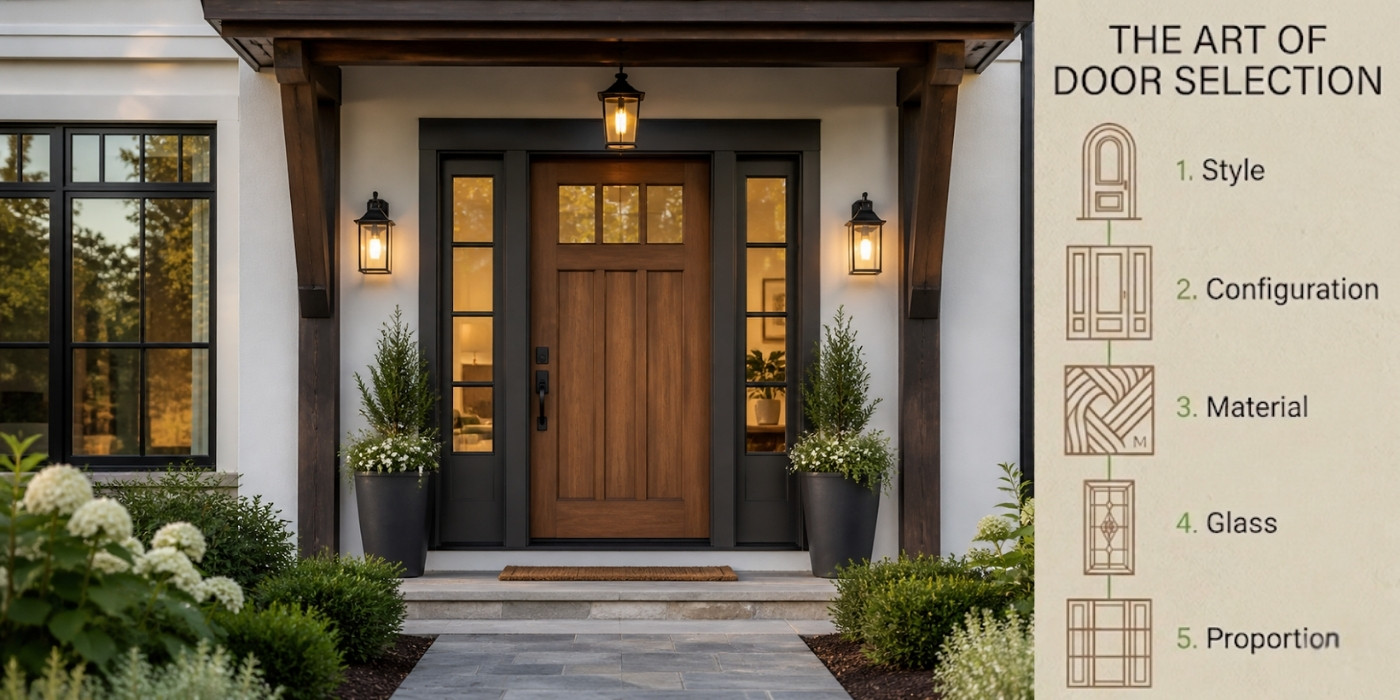
A practical way to do that is to start with style, then move to configuration, material, glass, and finally proportion and balance. This keeps decisions focused while maintaining a clear overall direction.
Front Door Decision Framework
Use this five-step sequence to stay organized and reduce decision fatigue:
- Step 1: Match the style.
Choose a front door style that aligns with your home’s architecture so the entry feels integrated. - Step 2: Choose the configuration.
Decide between a single door, double front doors, or French front doors based on your opening and the presence you want. - Step 3: Pick the material.
Narrow your choice to fiberglass or wood by considering climate exposure and maintenance expectations. - Step 4: Set glass and privacy.
Balance natural light with the level of privacy you need day to day. - Step 5: Check proportion and balance.
Make sure the door’s size, symmetry, and finish work with the overall facade.
This sequence turns a wide set of options into clear, manageable tradeoffs.
Security note:
Entry durability depends on material, construction quality, and installation—focus on the complete door system rather than individual features.
Energy note:
Insulated cores can help reduce heat transfer, but overall comfort depends on the full system and how well it seals.
Before committing, browsing related Entry Doorscan help ground your choices visually.
Match Door Style to the Home
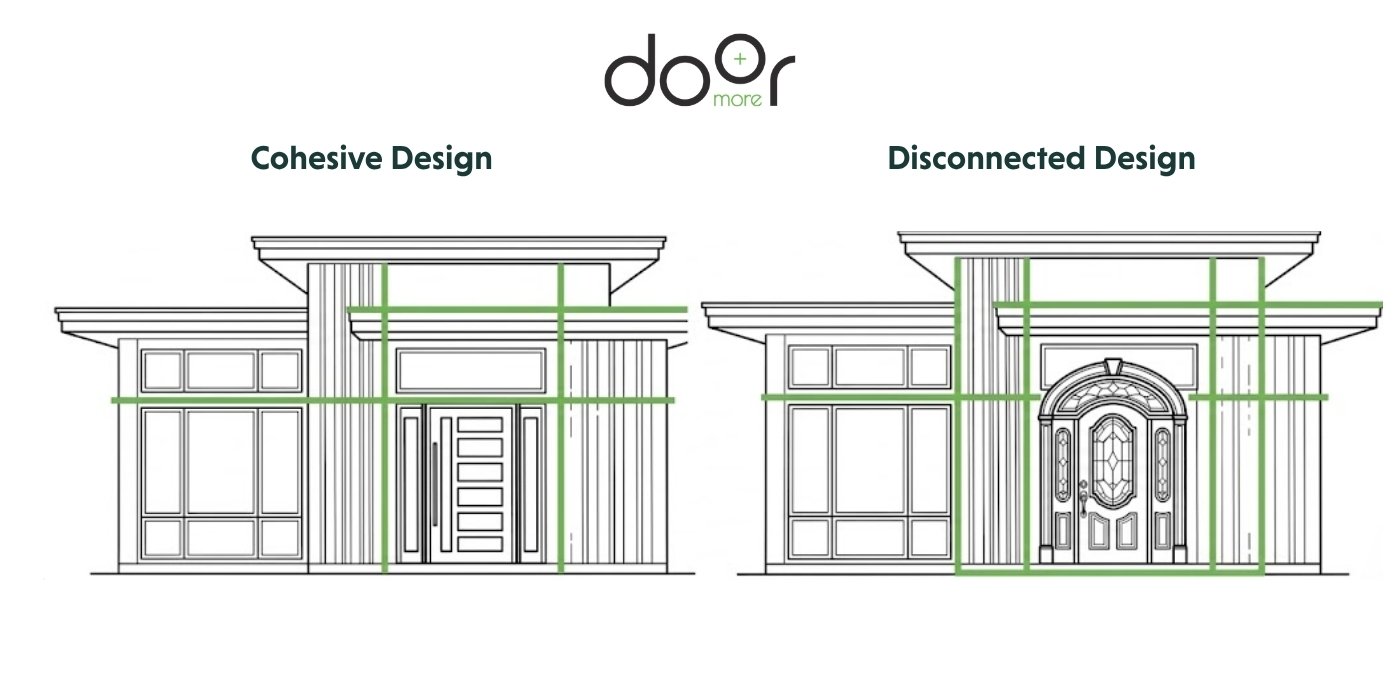
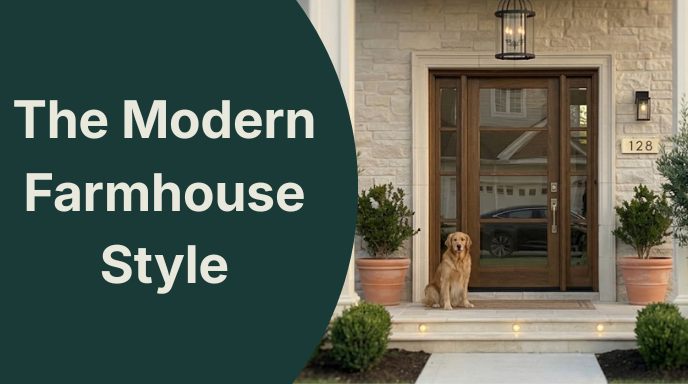
When your front door reflects your home’s architecture, the entry feels more cohesive. When it doesn’t, it can feel disconnected—even if the door itself is attractive.
Two quick checkpoints:
- Look at the dominant lines and details of the home. A door that echoes those shapes usually feels right faster.
- Keep the entry consistent with the overall composition. Formal, symmetrical homes benefit from equally structured door choices.
For related directions, exploreExterior Doors.
Choose the Right Entry Configuration
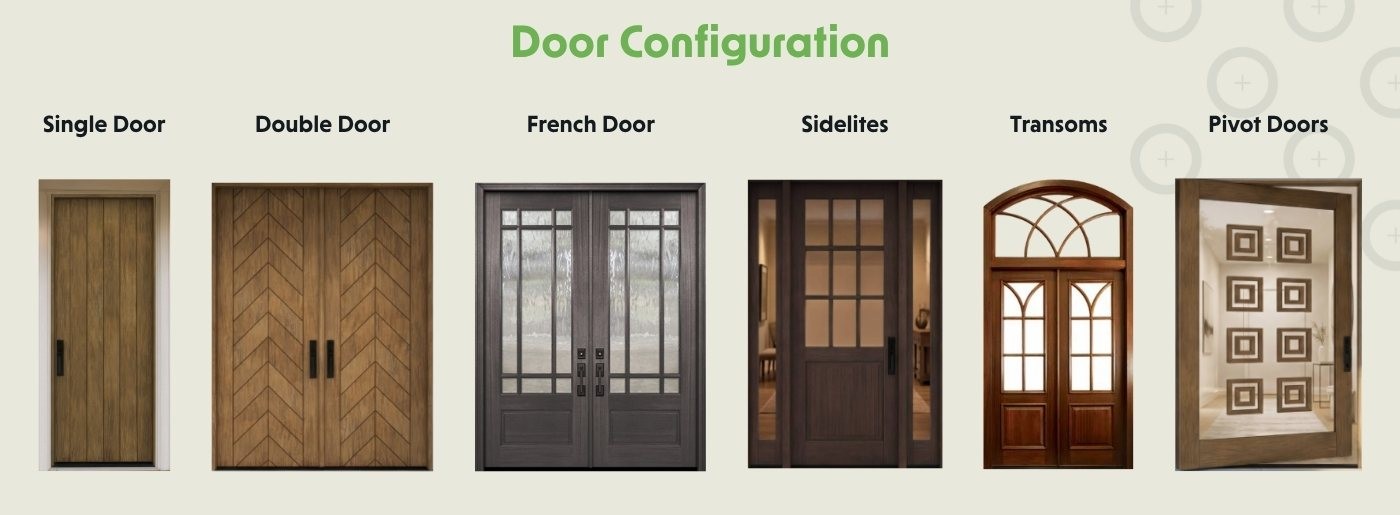
Configuration shapes how your entry reads from the street. It’s not just about the number of doors, but how the opening is composed.
- Single Door (when simplicity works best) A single door suits clean, balanced entries that shouldn’t compete with the facade. It works across both modern and traditional homes.
- French Style (when symmetry and light matter) French front doors introduce glass across both leaves, creating a lighter, more symmetrical look.
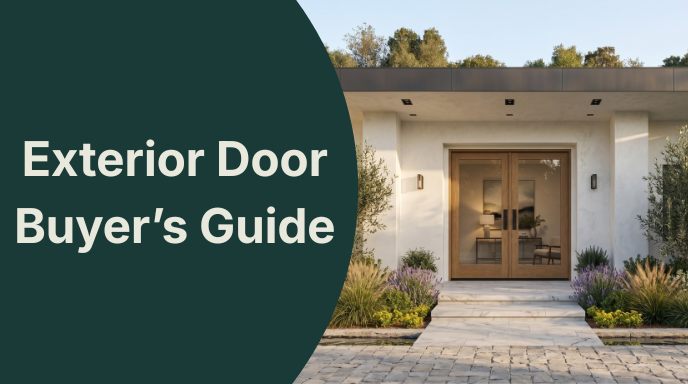
- Double Front Doors (when the opening needs more presence) Typically used for wider openings (around 1500–1800 mm / 60–72 inches), double doors create a broader, more prominent entry.
Sidelites when you want more light without widening the door
Understanding Sidelites
Sidelites are narrow vertical glass panels beside the door. They increase daylight and make the entry feel more open without expanding the opening.
They work well when:
Available Configurations
Transoms when you want to extend height and overhead light
Understanding Transoms
A transom sits above the door, adding height and bringing in light from above.
This works best when:
Pivot doors when the entry is designed as a statement
Pivot doors change how the door operates and how the entry is experienced.
They are typically used when:
- The door is oversized or intended as a major focal point
- The design direction is modern or architectural
- A standard hinged door feels too conventional for the facade
See related examples in Pivot Doors.
How to choose the right configuration
Start with your opening size, then decide what the entry needs to achieve:
- Keep it simple: Single door
- Increase presence: Double doors
- Add light without widening: Sidelites
- Add heigh: Transom
- Create a focal point: Pivot
Fiberglass vs Wood Front Doors
Fiberglass Doors
A strong choice for humid climates, coastal conditions, and lower-maintenance living. Fiberglass is often a practical fit when moisture resistance, durability, and day-to-day ease matter most.
Wood Doors
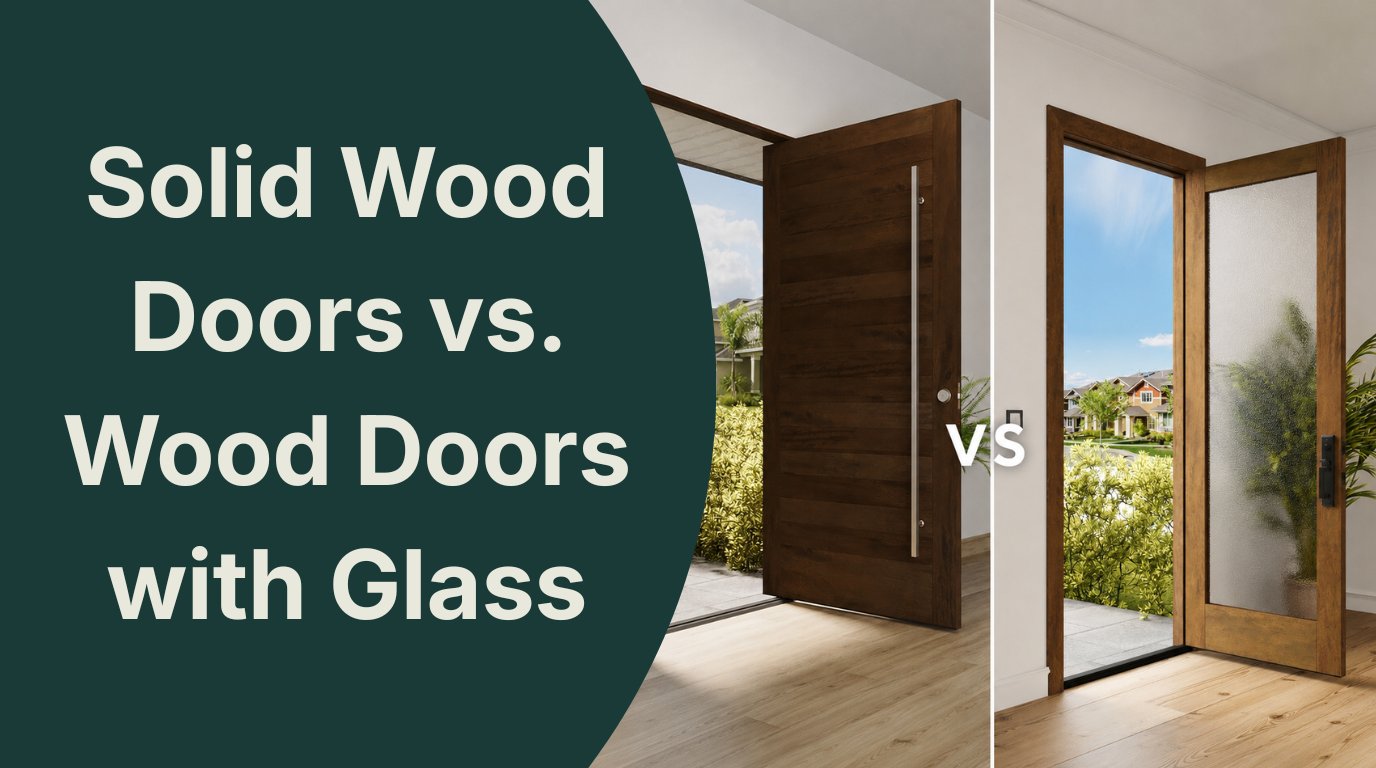
Best for homeowners who want the warmth, depth, and character of real wood. Wood can create a beautiful, elevated entry, especially when you are comfortable maintaining the finish over time.
Fiberglass Doors
A strong choice for humid climates, coastal conditions, and lower-maintenance living. Fiberglass is often a practical fit when moisture resistance, durability, and day-to-day ease matter most.
Wood Doors
Best for homeowners who want the warmth, depth, and character of real wood. Wood can create a beautiful, elevated entry, especially when you are comfortable maintaining the finish over time.
For most homeowners, choosing between a fiberglass front door and wood comes down to a few practical tradeoffs:
Humidity and weather: Fiberglass generally resists moisture and warping better.
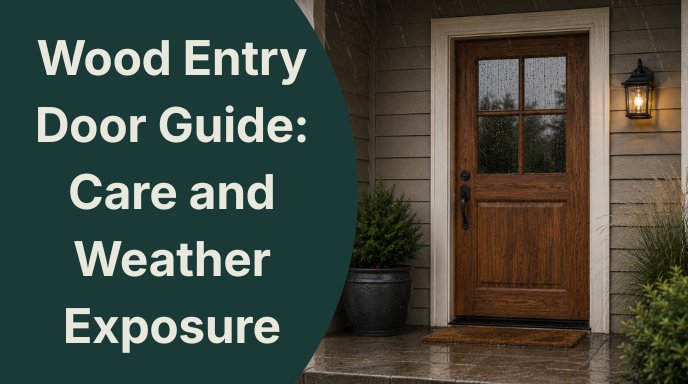
Upkeep: Wood typically requires sealing or refinishing every 1–3 years depending on exposure.
Appearance: Wood offers natural grain and variation.
Exposure fit: The right material depends on sun, rain, and humidity levels.
If natural texture matters most and maintenance is acceptable, wood is a strong fit. If you want lower upkeep in more demanding conditions, fiberglass is usually the easier option.
For a side-by-side technical breakdown of how these materials handle weather and wear, see our Wood Doors vs. Fiberglass Doors Guide →
To compare directions, browse Fiberglass Doors or explore Custom Doors.
Front Door Glass and Privacy
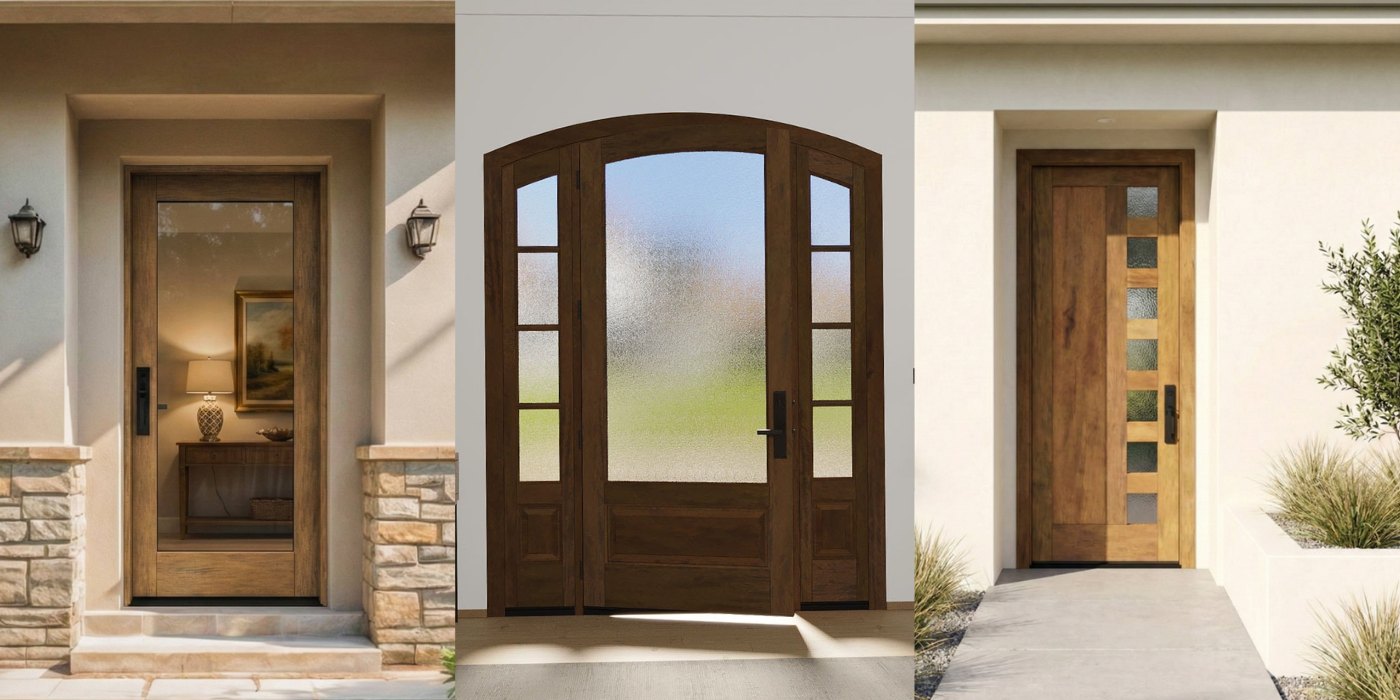
Front door glass is a direct tradeoff between daylight and privacy.
Used well, glass brightens the entry and reduces reliance on artificial lighting. But too much exposure—especially at night or on visible facades—can feel uncomfortable.
Two practical questions:
Street Visibility: How visible is your entry from the street? More visibility usually calls for more privacy.
Interior Feel: How bright do you want the interior to feel? Choose a level of glazing you’ll remain comfortable with over time.
Front Door Proportion and Visual Balance
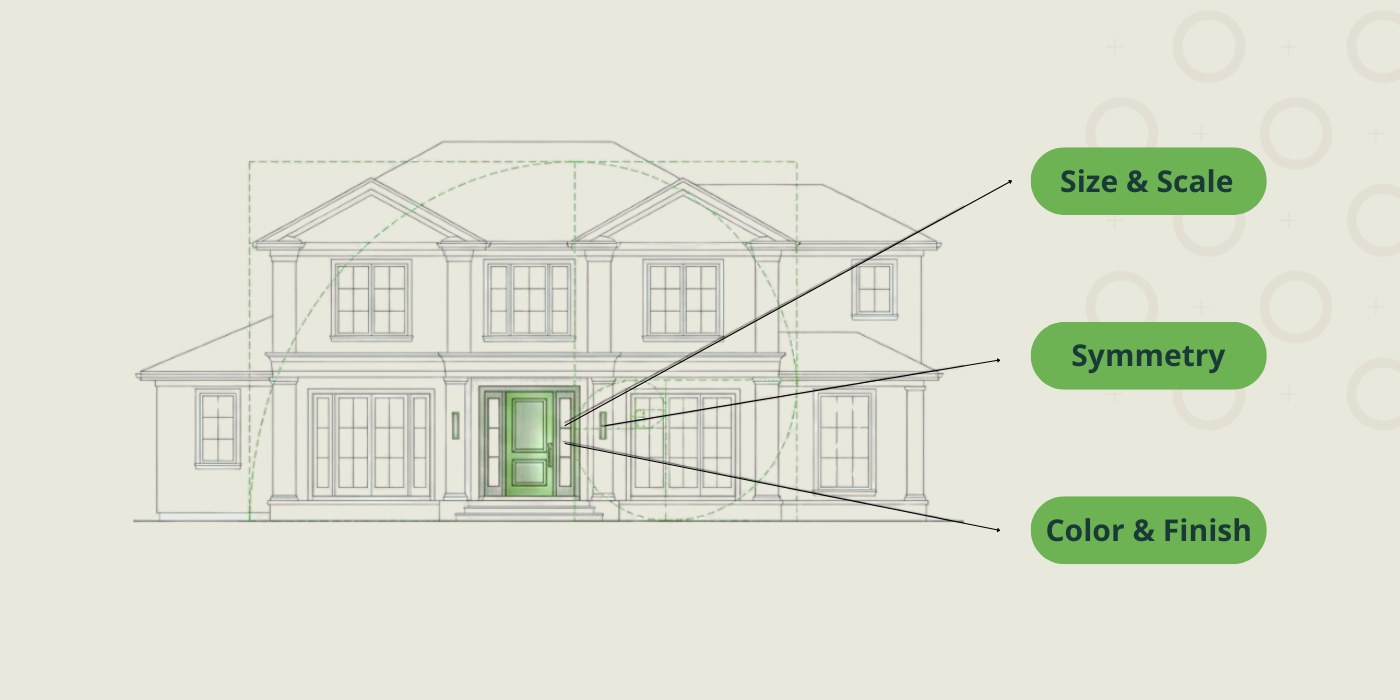
A front door should feel proportional to the facade. If it’s too large or too small, the entry can feel out of place.
In traditional designs, symmetry often creates a more refined effect, so the door should support that structure. Color and finish should also work with the overall composition. Decide whether the door should blend in or stand out, then confirm it still feels balanced.
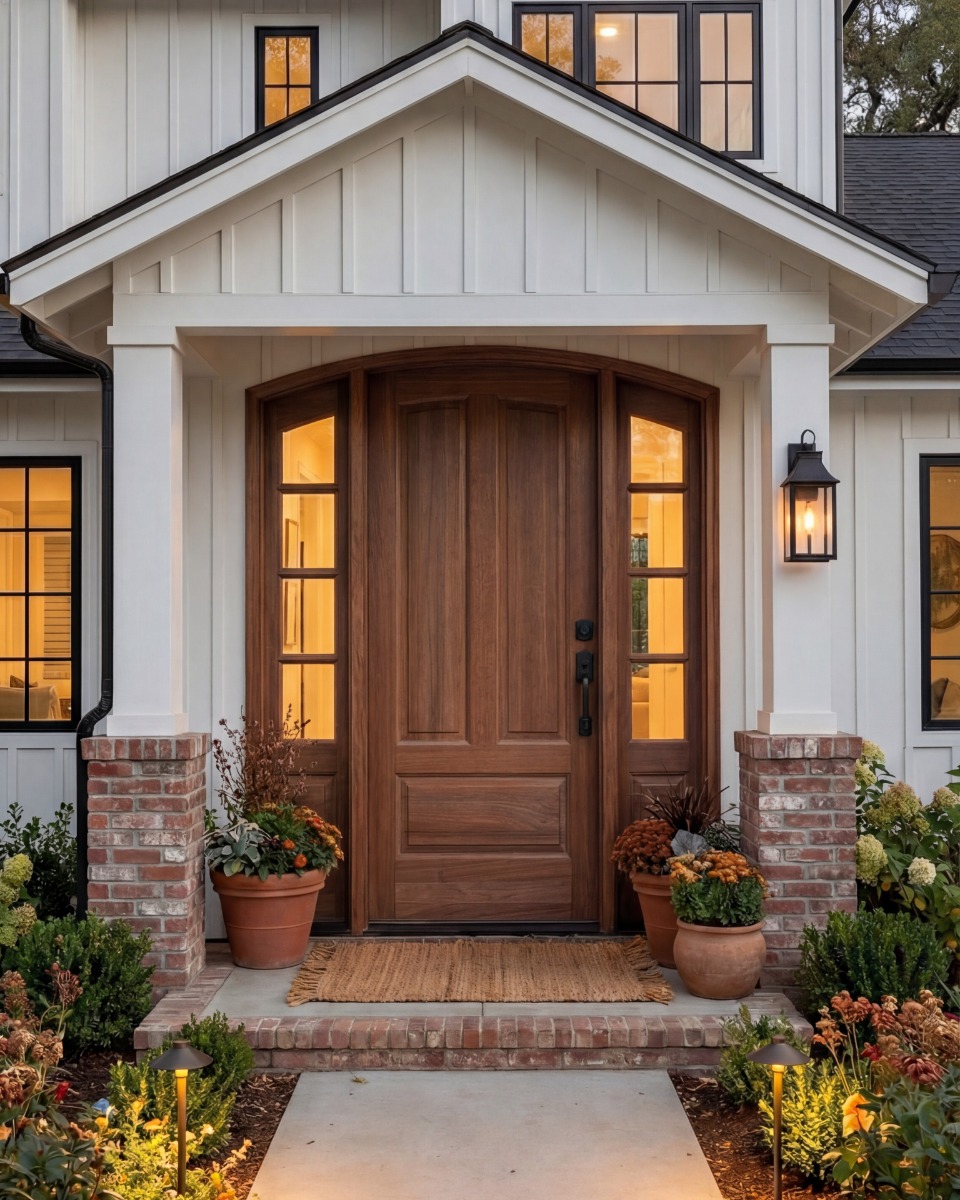
Explore Related Categories


FAQ
Follow a clear sequence: style, configuration, material, glass, then proportion. This helps you make one decision at a time instead of comparing everything at once.
Match the door to your home’s architectural lines and overall composition so the entry feels cohesive rather than mismatched.
Double front doors usually make sense for wider openings and when you want a stronger visual presence at the entry.
Yes, especially when you want symmetry and more natural light, particularly in more formal-style homes.
Fiberglass is usually better for durability and lower maintenance, while wood offers a more natural appearance but requires more upkeep.
Wood doors usually need sealing or refinishing every 1 to 3 years depending on exposure to sun and rain.
Choose based on your comfort with privacy and visibility. More glass increases light but usually reduces privacy, especially at night.
Yes. Material, construction quality, and fit all influence durability and comfort, but overall performance depends on the full door system.