Solar Cool Bronze Glass
-
 By Shayan Behjati
 - Mar 19, 2026
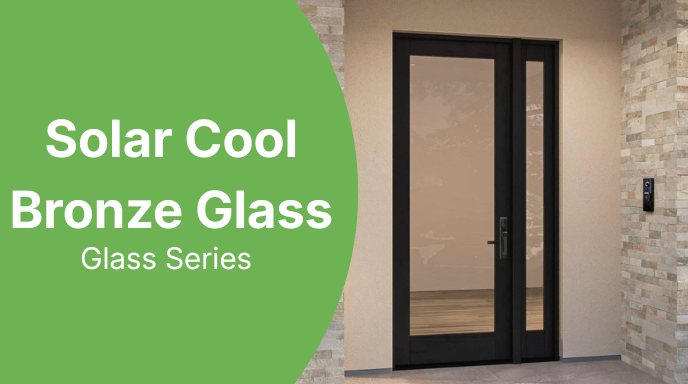
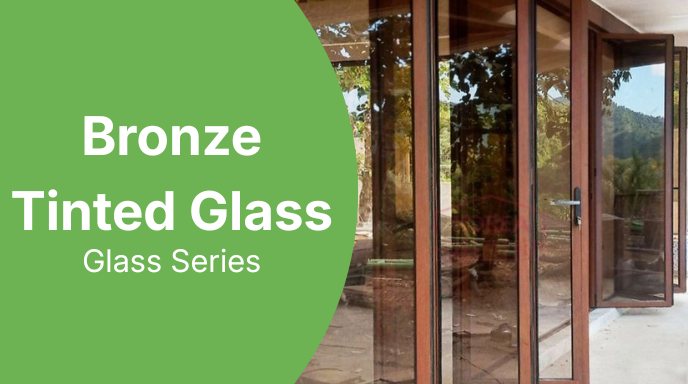
Solar Cool Bronze Glass is bronze-tinted door glass with a reflective metallic coating intended to reduce solar heat gain and glare while still allowing visible light to pass through. Buyers typically notice more comfortable glare conditions, a less intense heat feel when direct sun hits the glass, and a more reflective daytime appearance with a warm bronze tone. It reduces heat gain rather than eliminating heat transfer, and privacy and reflectivity shift with lighting conditions, including the common day-versus-night reversal.
What Solar Cool Bronze Glass Is
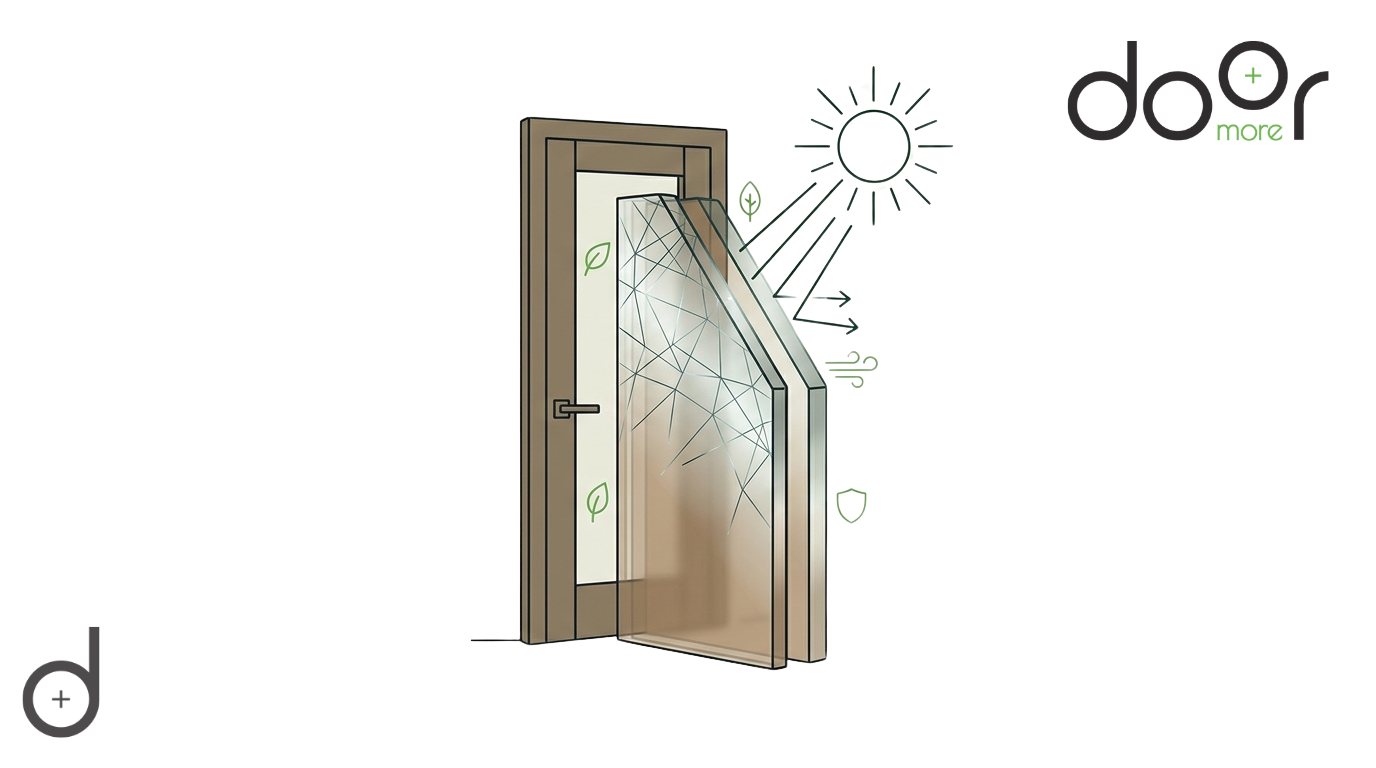
At its core, this product combines a bronze body tint with a specialized metallic layer. This combination actively manages solar energy and glare while maintaining visibility. It typically appears more mirror-like than standard tint because the metallic coating increases exterior reflectivity, though the final visual effect can vary depending on where the coating sits within the insulated glass unit.
It is positioned for sun-exposed exterior glazing performance rather than as a decorative interior-only effect.
What You Will Notice
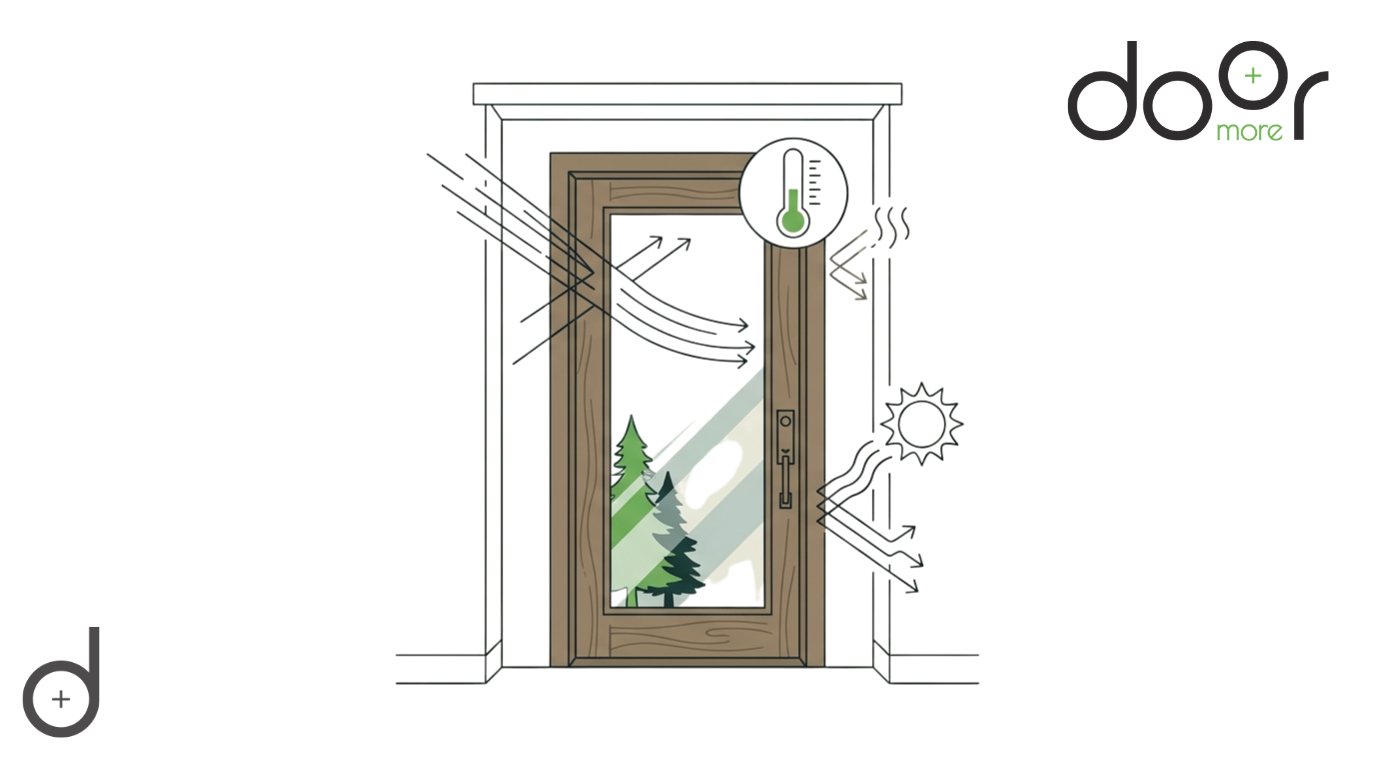
These are homeowner-noticeable outcomes. They depend on lighting conditions and the specific glass configuration rather than representing guaranteed performance levels.
Glare Comfort in Bright Conditions
- Solar control bronze is designed to soften harsh light compared to clear or non-reflective tinted glass, making strong daylight feel much more comfortable.
- The difference is most noticeable when direct sun strikes door glass areas, sidelites, or transoms.
Reduced Solar Heat Gain
- Reflective solar control glass mitigates solar heat gain through the entryway.
- It works by reducing heat gain rather than eliminating heat transfer entirely, and overall performance varies by your chosen configuration.
Daytime Reflectivity and Bronze Tone
- Daytime exterior reflectivity is visibly higher thanks to the metallic coating.
- The bronze tint slightly lowers visible light transmission compared to clear glass, shifting your view toward a warmer, richer tone
UV Reduction Context
- This glass type can cut down a portion of UV transmission, helping protect interior floors and furnishings.
- The exact amount of UV protection depends on the overall glass build, so results will vary by configuration.
Solar Cool Bronze Glass: Heat Reduction & Energy Efficiency
Best Use Cases by Sun Exposure
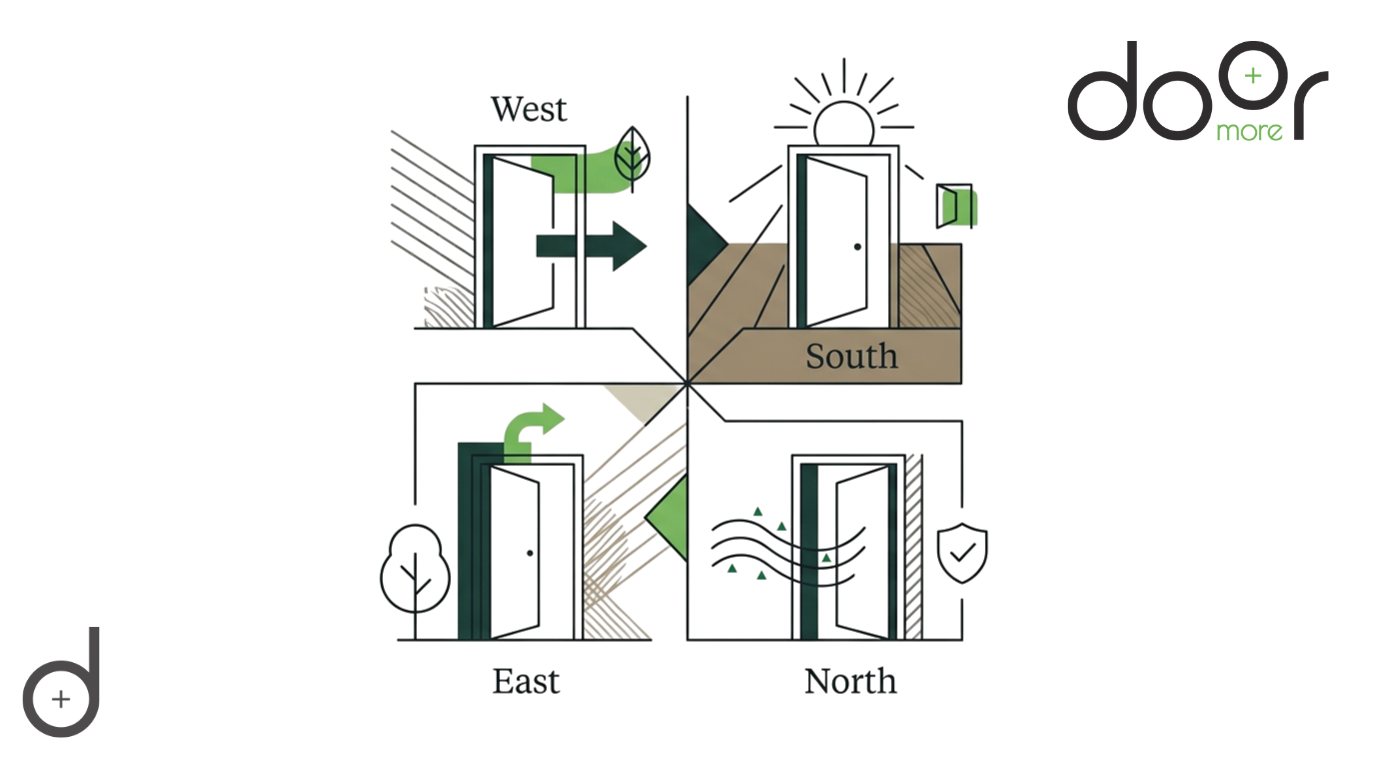
Use these scenarios based on sun direction, total glass area, and your sensitivity to glare and warmth near the entry.
West and South Facing Entries
- West and south elevations typically experience higher solar heat gain in many climates, with the strongest afternoon intensity often occurring on west-facing entries.
- Solar Cool Bronze is best suited for sun-exposed entries and larger glass areas where glare and temperature swings are more noticeable.
East Facing Entries
- Morning sun can create noticeable glare and warmth when it strikes the glass directly.
- If direct exposure is brief or less intense, solar control may be a preference rather than an essential performance feature.
North-Facing Entries
- On north-facing entries in the northern hemisphere, benefits tied to solar heat gain reduction are often less pronounced.
- In these cases, the bronze tone and reflective appearance may play a larger role in the decision than heat reduction alone.
Larger Glass Areas and Matching Adjacent Glazing
- As total glass area increases, glare and solar heat gain tend to become more noticeable.
- Matching adjacent glazing can help maintain consistent exterior reflectivity and interior brightness across nearby glass panels.
Explore multi-panel glass door options here →
Day vs Night Tradeoffs
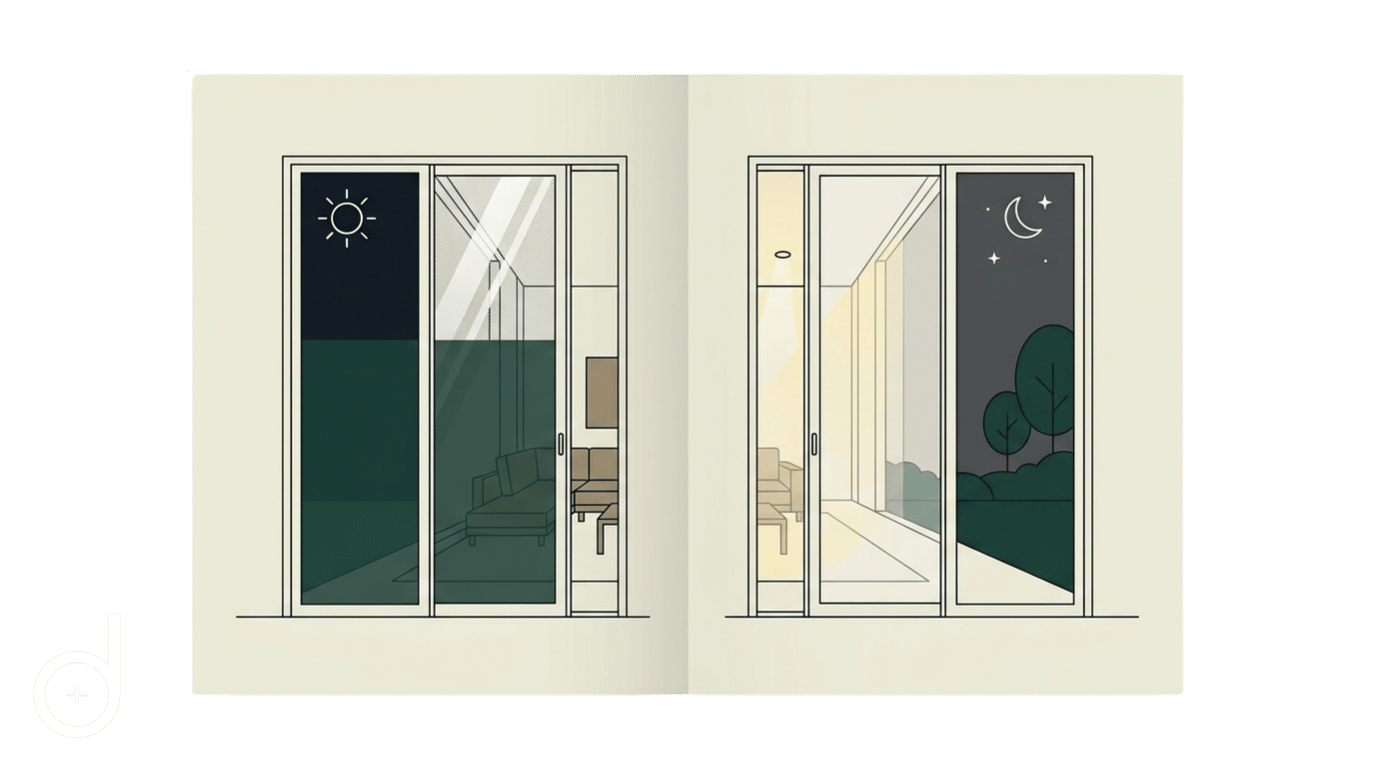
Reflective behavior depends on the balance between indoor and outdoor light levels, so visibility and privacy can change between daytime and nighttime conditions.
Daytime Privacy and Nighttime Reversal
- Daytime: The glass acts like a mirror to the outside, providing excellent privacy when natural light is brighter than your interior.
- Nighttime: This effect reverses. When interior lights are on and it's dark outside, people can easily see inside.
Note: Reflective bronze glass does not provide 24/7 privacy without the addition of window coverings or specific privacy-focused glass patterns.
Explore privacy glass options here →Light Reduction and Interior Brightness
- The tint does restrict some visible light, meaning your foyer or entryway may feel slightly dimmer than it would with clear glass.
- Be sure to weigh this against your comfort goals if you prefer exceptionally bright interiors.
View Tone and Lighting Variability
- The bronze base gives your outward view a permanent, warm color cast.
- Reflectivity constantly adapts to viewing angles and weather conditions.
Bronze Tint vs Solar Cool Bronze(Quick Comparison)
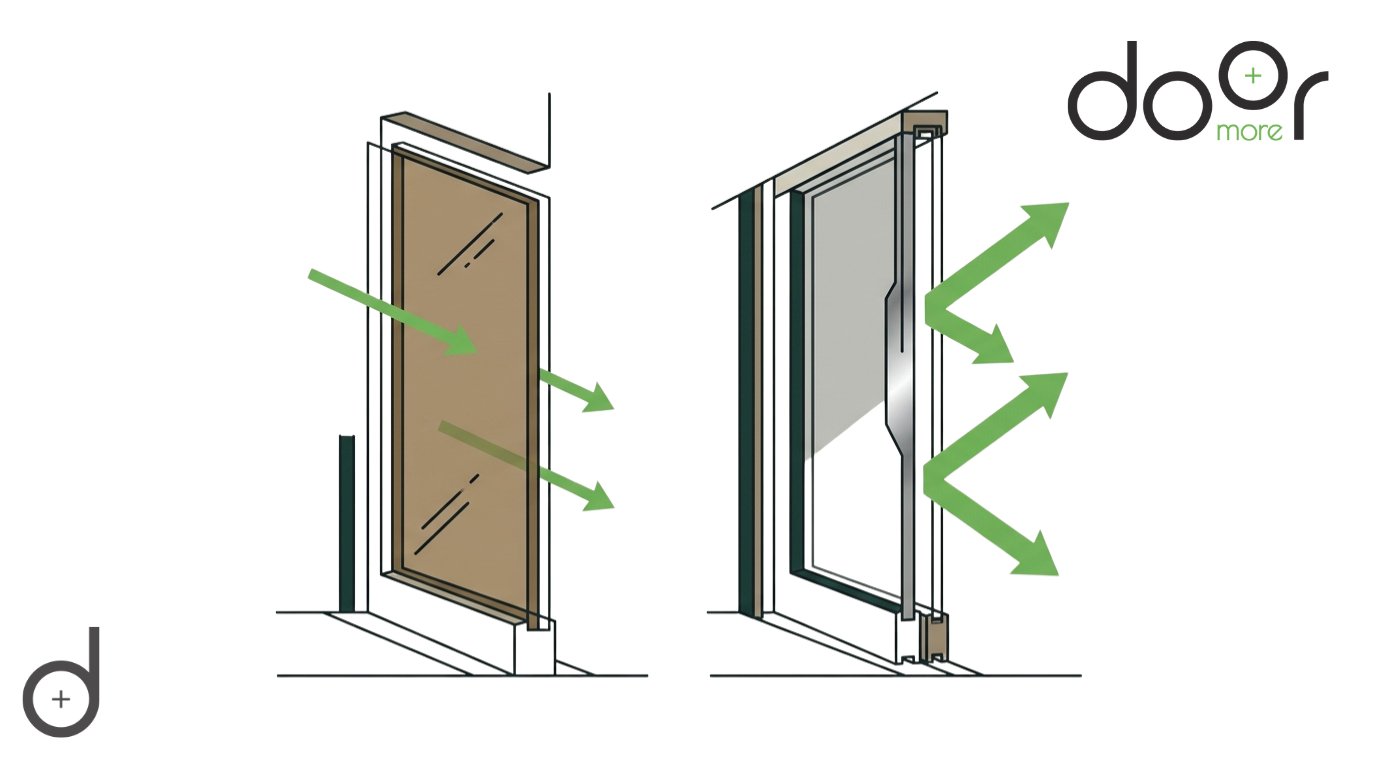
Standard bronze-tinted glass
Solar Cool Bronze
The Takeaway:
Choose Solar Cool Bronze if you want strong daytime reflectivity and maximum heat control. Choose standard bronze tint if you prefer a softer, non-mirrored appearance.
Browse doors with glass options here→
How This Differs from Low E
Low E is a thin coating primarily designed to reduce long-wave radiant heat transfer (insulation) rather than to increase exterior reflectivity. It operates through a completely different mechanism than Solar Cool Bronze. For selection purposes, treat Low E as a separate energy-efficiency category rather than a visual substitute for solar control glass.
How to Choose
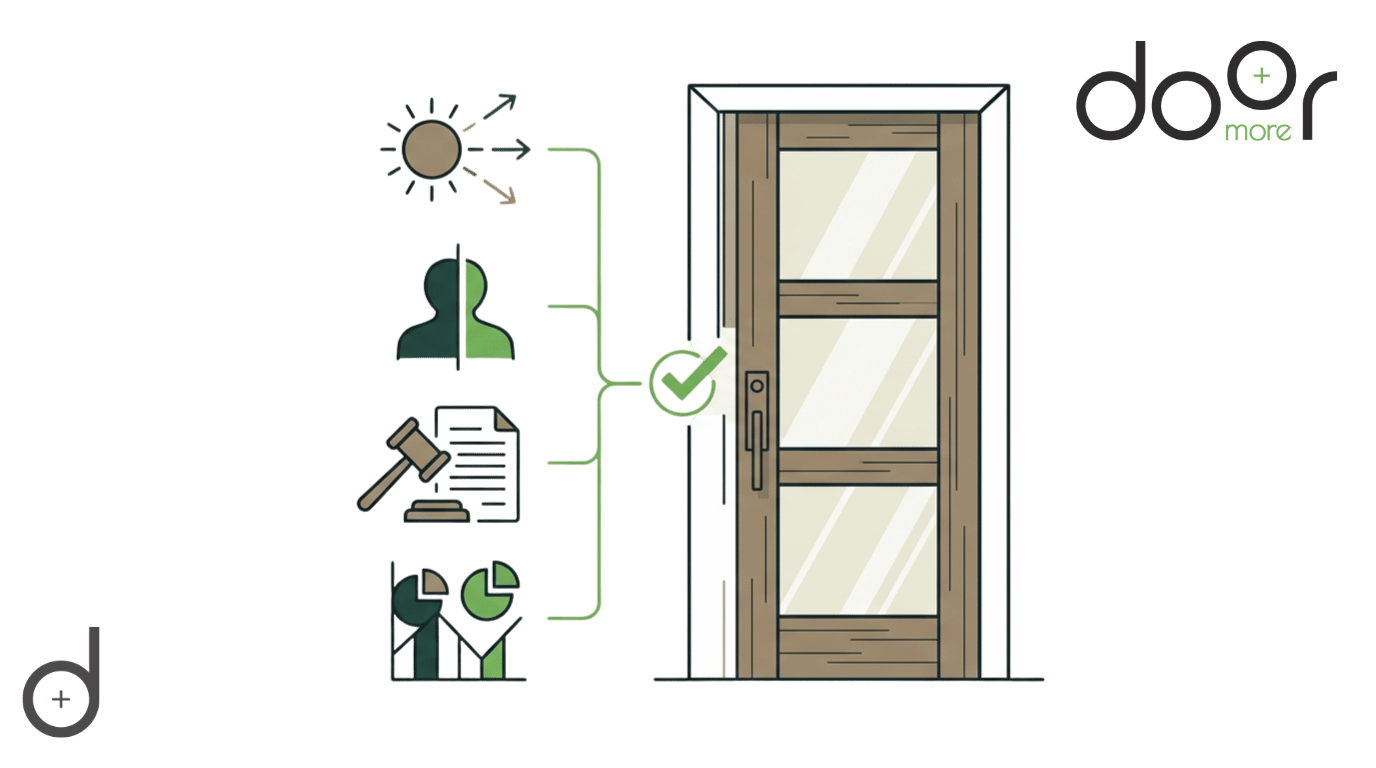
- Sun direction on your entry: West and south exposures need the most solar management.
- Glare comfort goals: Prioritize this glass if direct sun regularly blinds your entryway.
- Solar heat gain preference: Consider it if a hot foyer is a major comfort issue.
- Day vs. night privacy: Remember that your daytime mirror effect will vanish at night.
- Brightness tolerance: Ensure you are okay with slightly less natural light.
- Matching adjacent glazing: Check that the bronze mirror finish complements nearby windows.
- HOA style constraints: Confirm that highly reflective door glass complies with your neighborhood guidelines.
Key terms to review when comparing specifications:
- SHGC: The fraction of solar energy that passes through the glass as heat.
- VLT: The percentage of visible light transmitted through the glass.
- UV: Ultraviolet light that can contribute to fading over time.
Care Notes
- Use a soft, clean cloth and a gentle cleaner suitable for glass.
- Rinse and dry to minimize streaking on reflective surfaces.
- Avoid abrasive pads or harsh scrubbing.
- Do not use sharp tools on the glass surface.
Glass Patterns - Privacy rating
Choose a glass texture that matches your door. These panels use insulated glass for added strength, safety, and energy efficiency.
Transparency depends on the texture: some allow for a fairly unobstructed view, while others obscure it for greater privacy.








FAQ
It is a specialized door glass featuring a warm bronze body tint combined with a metallic coating that reflects glare and limits solar heat gain.
No. While standard tinted glass absorbs light to create shade, Solar Cool Bronze utilizes an extra reflective layer to actively bounce light and heat away from the home.
Yes. It significantly mitigates solar heat compared to clear glass, though it is important to note that it reduces heat transfer rather than stopping it completely.
In bright daylight, yes. The metallic coating gives it a mirror-like exterior, though the intensity of this effect depends on the lighting conditions.
No. The mirror effect relies on the outdoors being brighter than the indoors. At night, when your interior lights are on, the glass becomes transparent from the outside looking in.
Absolutely. West-facing entries endure the harshest afternoon sun, making this glass an ideal solution for combating that specific intense glare and heat.
Because the tint filters out some visible light, your entryway may feel slightly dimmer depending on the size of the glass and the layout of the room.
Yes, it can block a portion of UV rays to help protect your interior, but the exact percentage will depend on the specific multi-pane build of the door glass you order.
SHGC measures the solar heat allowed through the glass, while VLT measures the amount of visible light that passes through.
Often yes. For safety reasons, building codes frequently require door glass and adjacent sidelites to use tempered or laminated safety glass. Check your local jurisdiction for specific requirements.