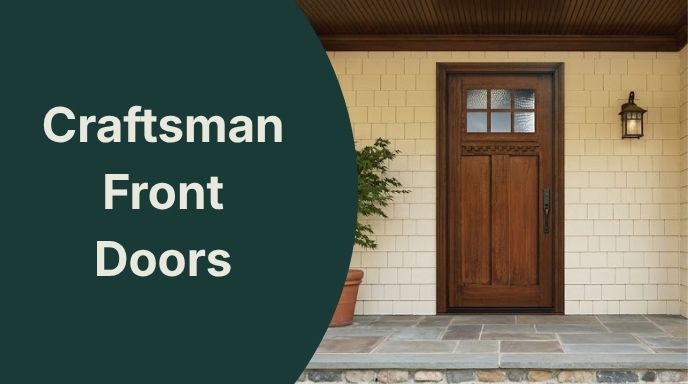
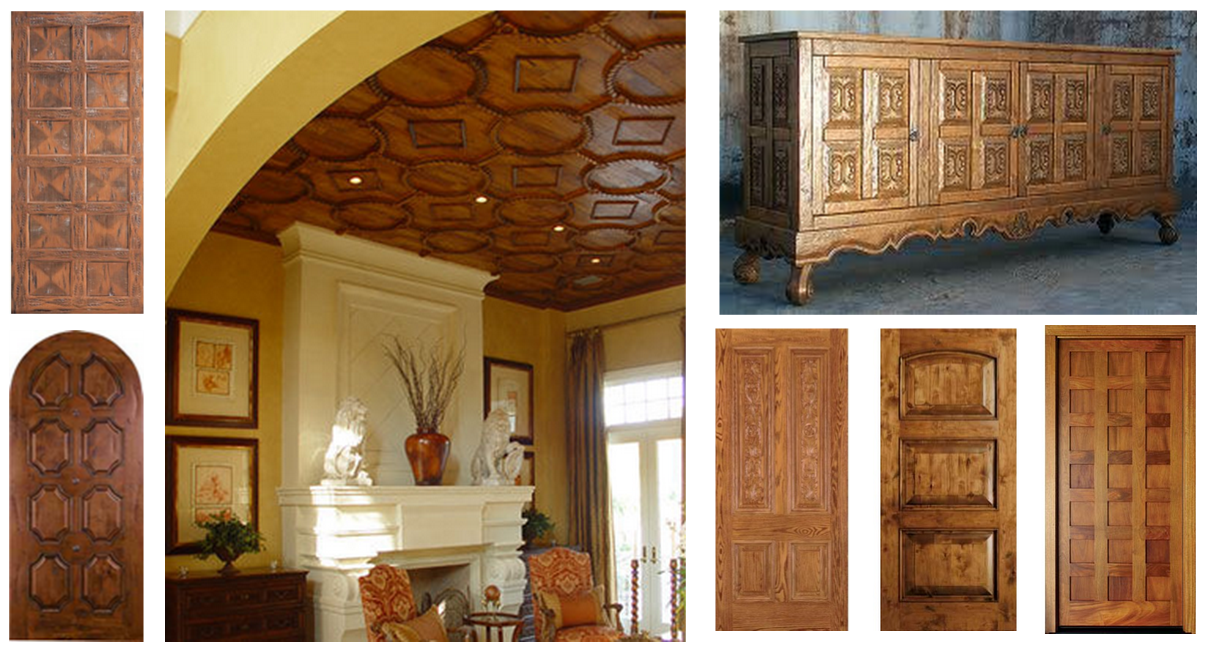
A Craftsman front door is defined by clarity, structure, and restraint. It expresses how the door is built rather than relying on applied decoration.
This guide will help you recognize what makes a door genuinely Craftsman, how to spot better construction, and how to choose an option that suits your home, climate, and daily use.
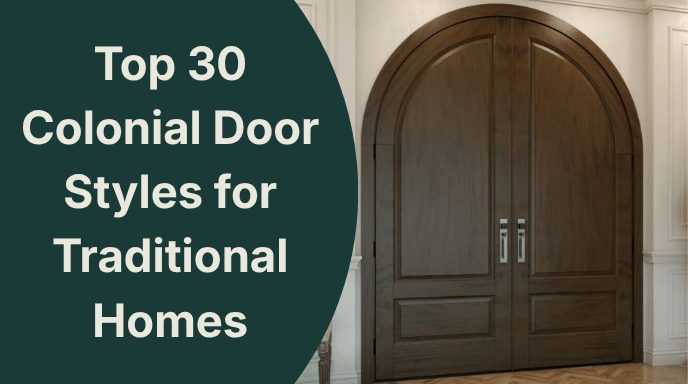
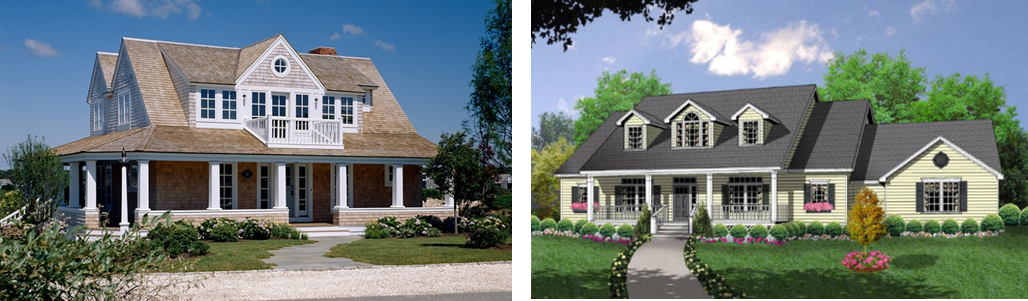
The Colonial style, as it is so aptly named, refers to the first European settlements that colonized the New World. Having left their homes, they built their new ones in foreign lands to reflect the styles of the homes they had left behind in France, Spain, the Netherlands, and Germany. However, this Colonial style was mostly inspired by the British Isles and it was later named the Colonial Georgian Style. Today, we know this style became a major part of American architecture and each part of the country had its own interpretation thanks to different weather conditions and even the material available. Colonial style favors simple lines and proportions while giving importance to craftsmanship.
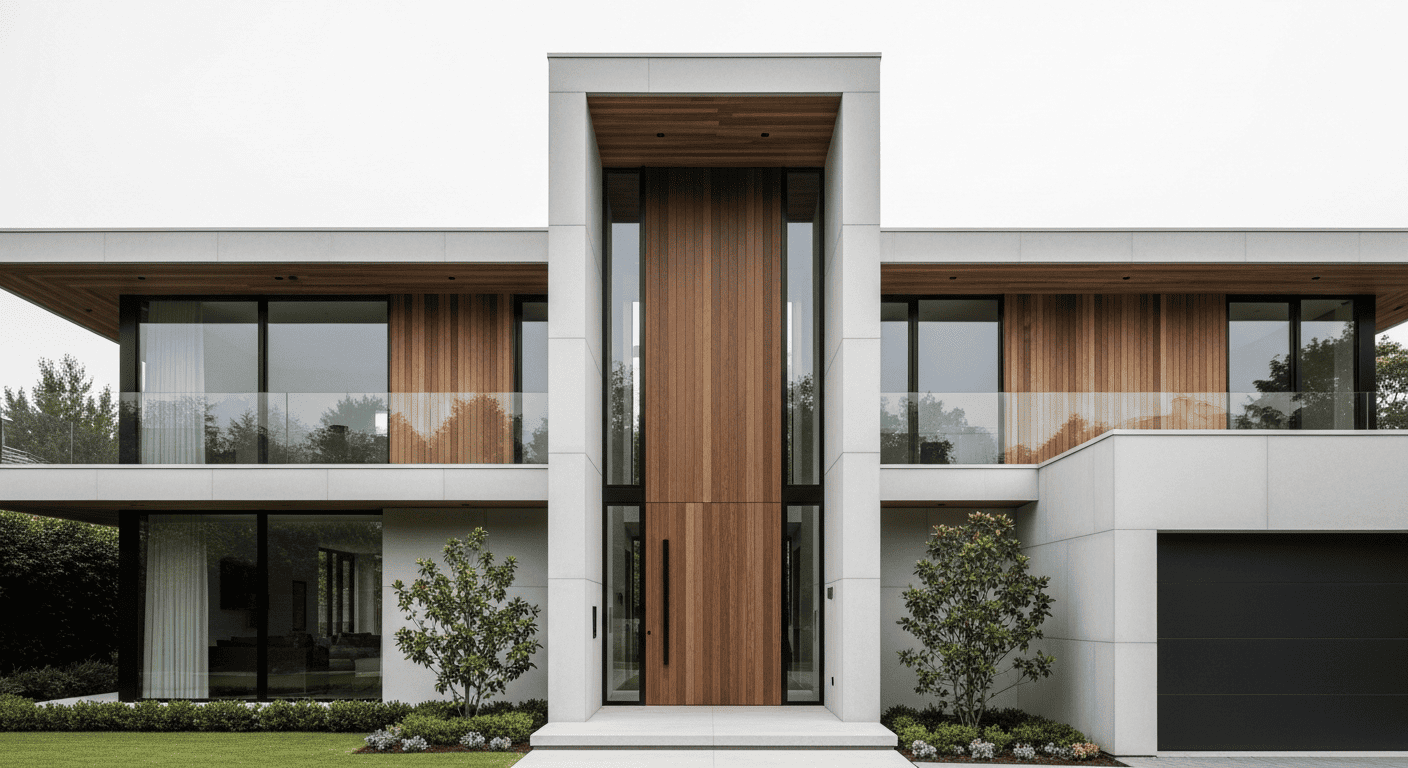
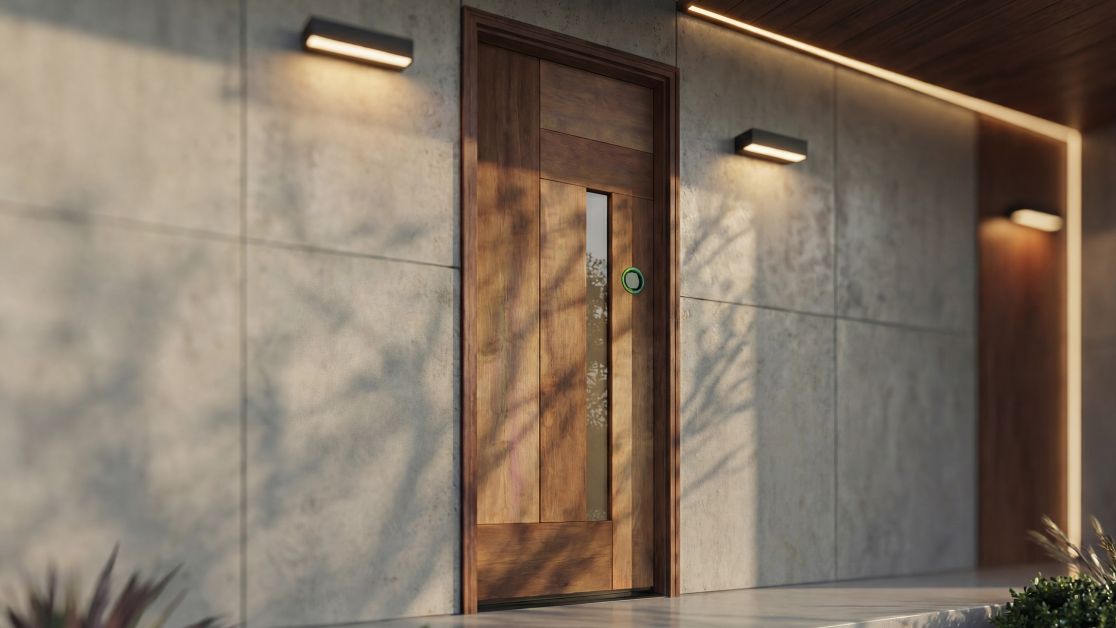
Modern door designs shape how a home is experienced from the exterior. Before anyone steps inside, the door sets the tone through its scale, its material, and how light moves across it. A well-proportioned modern door can make an entry feel more intentional and composed rather than busy or overdone.
Traditional doors often rely on heavier paneling and decorative detail. Modern doors simplify the face. They use clearer lines, fewer elements, and considered glass placement. The result often feels calmer, sharper, and more current without needing extra ornament.
Below, you’ll find 20 modern door designs selected for 2026, including options suited to both entryways and interiors. Each design includes a short note to help you understand where it fits and what direction to explore next.
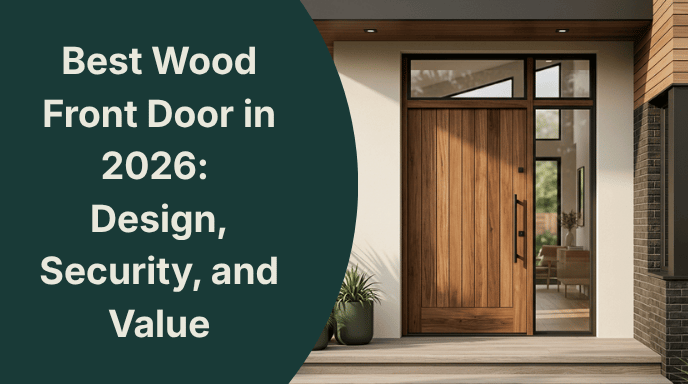
Best is not a single winner. The best wood front door is the one that fits your home’s design, supports your security and hardware plan, holds up to the sun and rain your entry actually gets, matches the upkeep you’re willing to maintain, and still makes sense for the price over time.
You’ll move through three steps: a clear definition of what “best” means, a five-point checklist, and a quick use-case guide to help you shortlist doors based on exposure and maintenance tolerance.
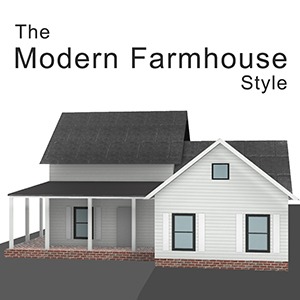
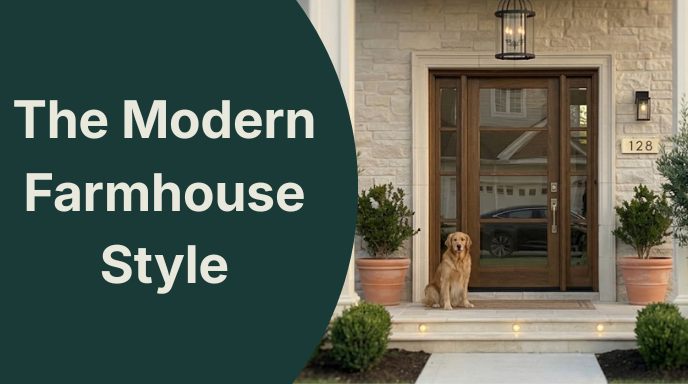
In this look into the Modern Farmhouse style, we discuss what makes this style unique and distinguishes it from similar styles, and how you can choose a door to compliement your Modern Farmhouse styled home.
Architecturally, Victorian houses are commonly known to be of a Victorian style, but the 'style' itself is just a historic period. This period responds to a time when Queen Victoria reigned over Britain. During this period, industrialization resulted in numerous innovations in architecture. Certain different Victorian styles include Shingle, Richardsonian Romanesque, Second Empire and Queen Anne.
The eclectic style is usually exemplified by a set of different elements found in numerous other styles. These are a handful of different aspects which are taken from different sources and brought together. As a result, when it comes to copying this style, it is not easy to do so.
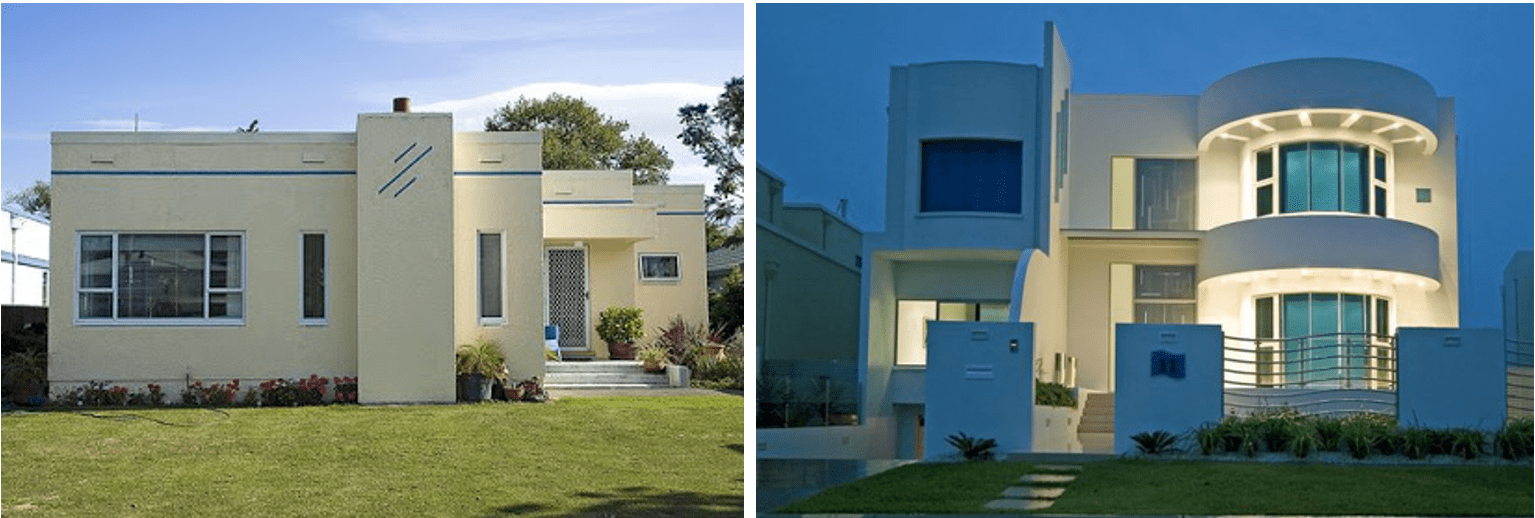
Art Deco is a visual arts style that first made its appearance in France following World War I and then spread internationally between the 1920sand 1940s. After World War II, it grew less and less popular. Art Deco or Deco is a style that brings together standard craft motifs and marries them with a Machine Age look and use of materials. The style is often recognized by vibrant colors, bold geometry and lavish ornamentation.
A Cape Cod cottage is a housing style that first originated in New England back in the 17th century. This type of housing style is usually identified with the broad frame building, steep pitched roofs with end gables, larger chimneys as well as very little use of ornaments. Traditional Cape Cod house styles are quite simple, consisting of symmetrically designed central front doors, which are encompassed by a couple of multi- paned windows on either side. The houses were designed to withstand the stormy weather of the coast of Massachusetts, and most designs still draw from their colonial counterparts.