Light Grey Tinted Glass for Doors
-
 By Shayan Behjati
 - Apr 6, 2026


Light grey tinted glass for doors is a common middle ground when you want to soften strong sun and add some daytime privacy without losing outward visibility. It is a refined, "just right" solution for homeowners who want to reduce glare while keeping their home feeling open and connected to the outdoors. It is important to note, however, that it is not an obscured privacy glass and will not guarantee privacy at night when interior lights are on.
On this page, you will see how light grey tinted glass appears in real door applications, how it affects daylight, and how it compares with other tinted options. You will also find a practical specification checklist to help you confirm exactly what you are ordering—particularly tint level and safety glazing.
What light grey tinted glass is and what it looks like

Primary definition:
Light grey tinted glass is factory-colored glass made by adding colorants during manufacturing. This tint reduces visible light transmission (VLT), softening brightness and helping reduce glare while maintaining outward visibility. Most light grey door tints fall in the 40% to 70% VLT range.
In practical terms, light grey reads as a subtle smoke tone rather than a strong color cast. From inside, bright patches of sun typically feel less intense, while outdoor views remain clear in most daytime conditions. From outside, the glass usually appears lightly shaded and lower-contrast—not as bold or mirrored as darker tints.
When comparing options, VLT (Visible Light Transmission) is the most straightforward way to understand how “light” or “dark” a tint will feel. Higher VLT generally means a brighter interior and a more subtle tint effect. Lower VLT generally means a deeper tint and stronger glare reduction. If you are deciding between tint levels, use the comparison section below to match appearance and performance to your door’s location.
Light Grey Tinted Glass for Doors
Benefits you actually feel with light grey tint on doors

Glare control in direct sun
Light grey tint reduces glare by absorbing a portion of incoming visible light. In everyday door use, this often feels like less squinting when afternoon sun strikes your entry glass or patio door at a sharp angle.
Daylight feels relatively bright
Compared with darker grey tints, light grey typically allows more visible light to pass through, so interiors tend to feel brighter and less shaded. If you like the idea of tint but are concerned about dimming a foyer or great room, this is one reason light grey is often the first option homeowners consider.
Privacy expectations are moderate, not absolute
Light grey tint can improve daytime privacy by reducing exterior visibility when it is brighter outside than inside. It does not provide full obscuration, and it does not guarantee privacy at night when interior lights are on.
A subtle exterior look
Light grey can soften bright reflections and reduce the visual weight of larger glass areas without making the glass appear heavily tinted. If you want a clean, modern touch but prefer the door not to read as dramatically dark from the curb, light grey is often the more restrained aesthetic choice compared with dark grey.
If these benefits align with your priorities, use the next section to confirm whether light grey tinted glass fits your door location—and where expectations commonly need adjustment.
Best door first use cases and when it is not a fit

Best fits:
Entry doors with glass
Where sun strikes the door for part of the day, and you want the interior to feel softer without losing outward visibility.
Sidelites
When you want a consistent, lightly shaded look across the full entry composition and moderate daytime privacy.
Patio doors
Where glare control matters, but you prefer a brighter room feel than a darker tint would create.
Interior glass doors
(for example, offices or pantry doors) When the goal is a subtle tone shift rather than increased privacy.
Select windows for a secondary use
Particularly where glare is the main complaint and privacy expectations remain realistic.
Not a Fit:
-
Low-light entries: If you have a north-facing door or a deep porch overhang, any tint may make the space feel unnecessarily dim.
-
Total privacy needs: If your primary goal is to hide shapes and details entirely, explore obscured or frosted options instead.
One key reminder:
Privacy depends primarily on lighting contrast between inside and outside, especially at night. If you are weighing light versus dark tint—or deciding whether you need true obscured privacy—refer to the comparison table next.
Light grey vs dark grey vs a privacy alternative

What you are deciding:
| Decision factor | Light grey tint | Dark grey tint | Frosted glass (privacy alternative) |
|---|---|---|---|
| Daylight feel | Brighter interior feel in most cases. | Dims more due to lower VLT. | Transmits light but diffuses it. |
| Glare control | Reduces brightness and glare, moderate effect. | Stronger glare reduction because it typically has lower VLT. | Glare reduction is not its primary function; diffusion changes how light appears. |
| View outward | Typically maintains a clear outward view. | View remains, but overall it reads darker. | View is blurred or obscured. |
| Exterior look | Subtle shaded appearance. | Bolder, darker appearance. | More opaque or etched look; less about reflectivity. |
TAKEAWAYS
Choose light grey if you want a softer sun feel and moderate daytime privacy without significantly darkening the interior. If nighttime privacy is your main priority, tint alone is rarely the right answer.
Shopper spec checklist for quotes and product pages

Use this checklist when reviewing our product listings or speaking with our support team to ensure you get the perfect match for your home.
Tint level (VLT):
Ask for the Visible Light Transmission (VLT) value, if available. Higher VLT generally feels brighter indoors, while lower VLT generally increases glare reduction and tint depth. If the listing does not show VLT, request it so you can compare like-for-like.
Solar metrics:
If the specification sheet includes SHGC, treat it as a comparison field for solar heat gain rather than a promise of comfort on its own.
Safety glazing and code:
Confirm the glass is rated as safety glazing (tempered or laminated). Check our product listings or ask our support team to verify the glass is intended for doors and meets local safety codes.
Factory tint vs film:
Verify that the color is integrated into the glass body (factory tinted) rather than a film applied afterward, which can peel or bubble.
Name the use case:
Specify where the door is located (full sun, shaded porch, street-facing entry) so the quote reflects your glare and privacy expectations, especially regarding nighttime lighting contrast.
Design pairing tips

Light grey tint is a versatile finish that reads as a subtle design shift rather than a loud statement.
HARDWARE FINISHES
-
Matte Black: Creates a cohesive, contemporary look.
Brushed Nickel: Keeps the entryway feeling bright and neutral.
-
Satin Brass: Adds a touch of warmth against the cool smoke tone of the glass.
Next steps
If you are leaning toward light grey tinted glass for doors, take these three next steps:
Browse related door glass options to confirm that a subtle tint fits your goals better than a darker grey or an obscured privacy style.
Request a quote using the spec checklist so you can verify the tint level by VLT and confirm the glass is specified as door-safe glazing.
Contact support for guidance if your entry is low-light, street-facing, or if nighttime privacy expectations are a concern
Taking these steps helps ensure the tint level and glazing build align with both your design intent and real-world conditions.
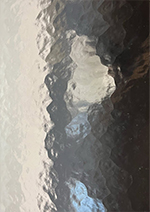
Glass Patterns - Privacy rating
Choose a glass texture that matches your door. These panels use insulated glass for added strength, safety, and energy efficiency.
Transparency depends on the texture: some allow for a fairly unobstructed view, while others obscure it for greater privacy.









FAQ
It depends on available daylight and the specific tint level. Light gray typically allows more visible light through than dark gray, so it generally keeps a brighter feel than deeper tints. When possible, compare options using VLT. Higher VLT usually corresponds to a brighter interior.
Tint can improve daytime privacy when the exterior is brighter than the interior, but it does not guarantee privacy at night when interior lights are on. Nighttime privacy is largely driven by lighting contrast, so plan accordingly for street-facing entries.
Light grey generally has a higher VLT than dark grey, which usually means a brighter interior and a more subtle exterior tint. Darker tints typically reduce glare more strongly because they absorb more visible light.
Choose light gray if you want to maintain a clear outward view with moderate daytime privacy. Choose frosted if privacy is the primary goal, since it obscures details more effectively but sacrifices a clear view outward.
Ask for the VLT to understand how light the tint will feel. If SHGC is provided, use it to compare similar products rather than as a standalone comfort promise. For doors, confirm that the glass is safety-rated as required for your location and application.
Yes. Factory tinted glass is colored during manufacturing, while window film is applied to existing glass as a retrofit. Clarify which approach is included when reviewing a quote.
Use a soft cloth and a non-abrasive cleaner, similar to cleaning clear glass. Avoid abrasive pads, and use caution with harsh cleaners if the glass includes coatings. Follow the manufacturer’s care guidance when available.