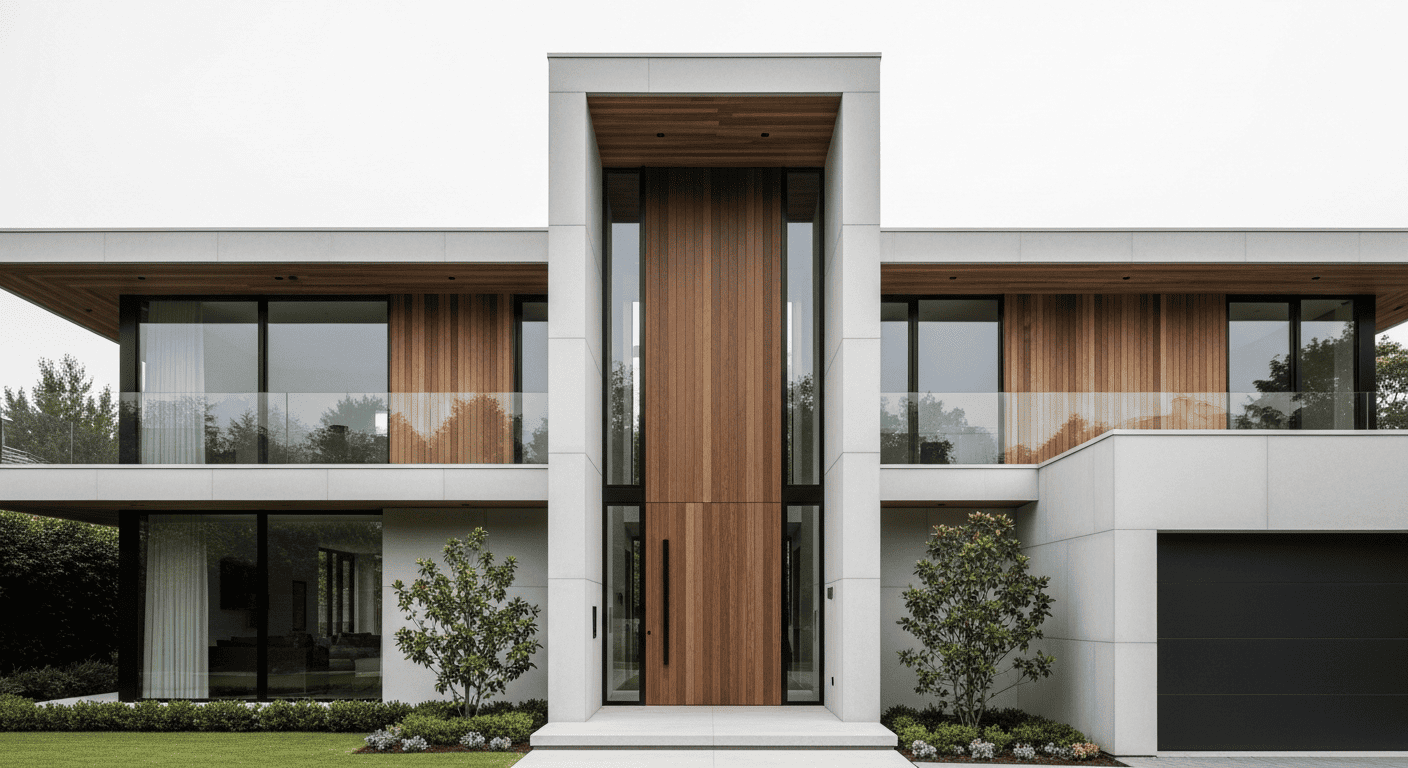
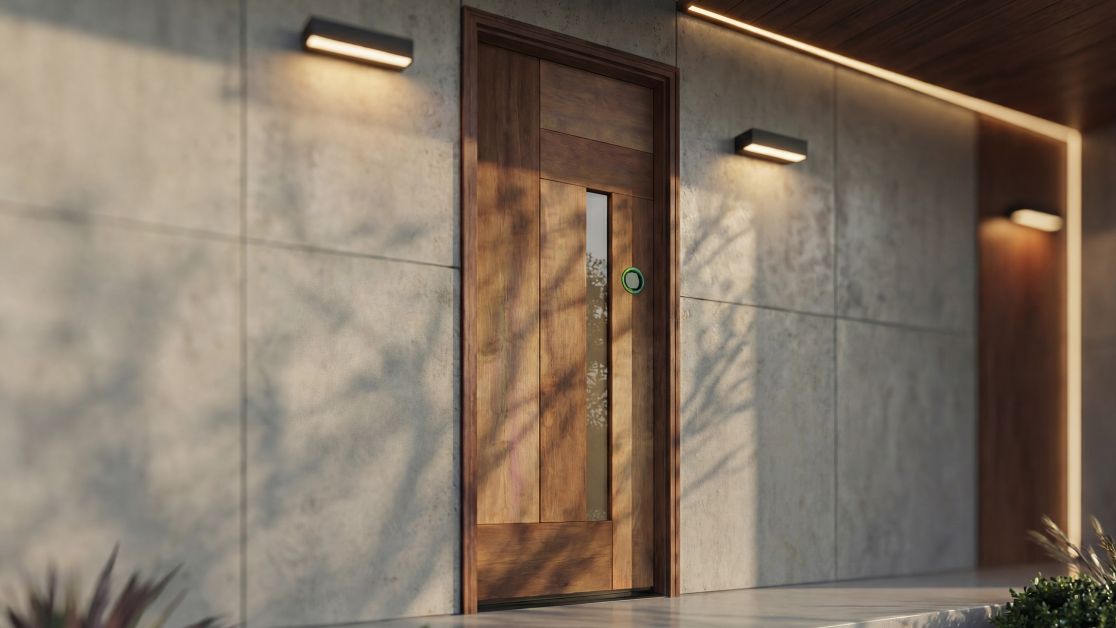


Unmatched Functionality and Elegance: Revolutionizing Pivot Doors with System M+
- By Shayan Behjati
- Jun 8, 2026
what this means for you
System M+ is a hydraulic pivot door system with adjustable self-closing control. It is designed to make pivot door movement feel more predictable, refined, and consistent in everyday use.
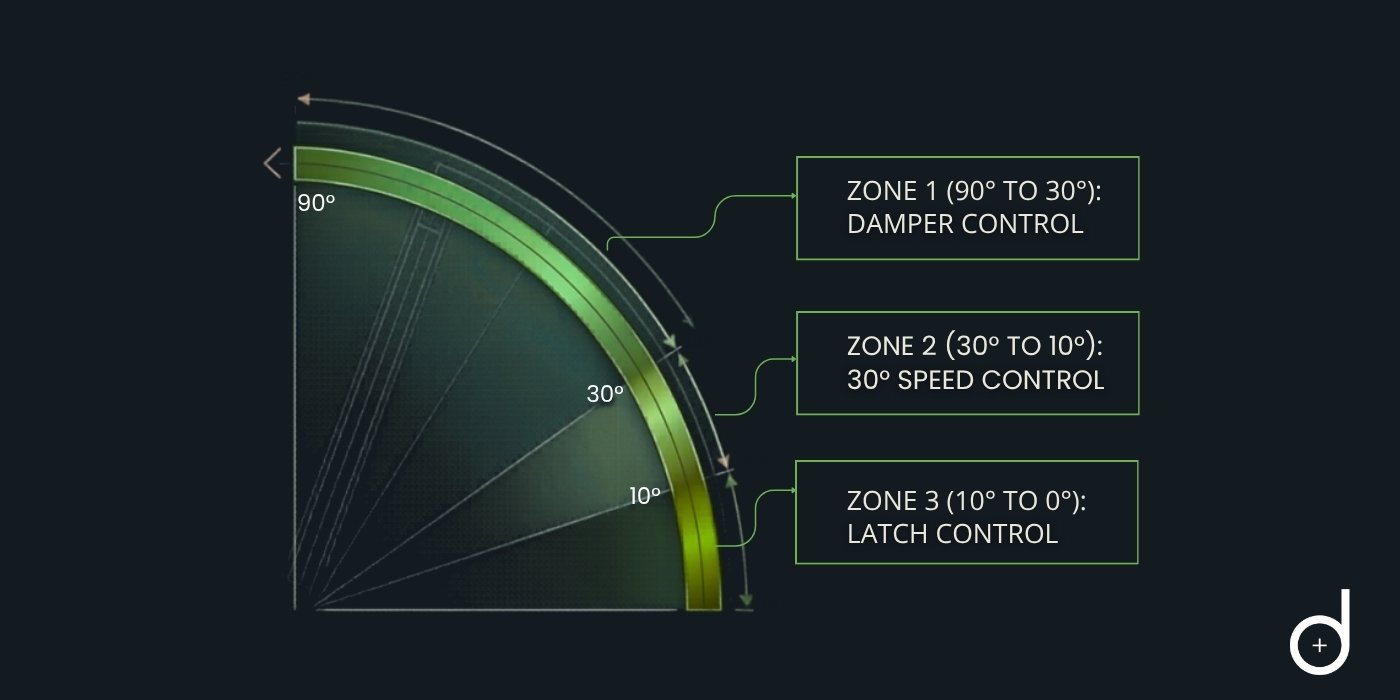
Its performance is shaped through three controls: Damper Control, 30° Speed Control, and Latch Control. Together, they tune how the door opens, returns, and settles into its final close.
If you like the architectural presence of a pivot door but worry that a large panel may feel heavy or abrupt, this system is designed to create a calmer, more deliberate motion. Rather than a simple swing followed by a hard stop, the movement can be adjusted so the door feels composed from open to close.
The hardware is concealed within the door and floor structure, helping preserve a clean pivot door appearance without exposed hinge hardware
What homeowners typically want from a premium pivot system
- More control over how the door moves, so it feels calm and deliberate rather than abrupt
- Smoother operation that stays consistent in daily use
- Adjustability that supports a confident close
- A quieter-feeling finish with less slam-like behavior near the end of travel
- Practical hold-open positions and reliable return to closed
System M+ is typically suited to premium builds, heavier doors, and high-use openings where pivot door hardware needs to deliver both performance and a clean architectural look.
Key System M+ features and what they do
Damper Control
Damper Control helps the door feel composed rather than reactive. It manages movement during opening and supports a softer, more controlled return, which can make a large pivot door feel easier to live with every day.
This is especially noticeable on frequently used doors, where movement quality becomes part of the daily experience.
Damper Control
Damper Control helps the door feel composed rather than reactive. It manages movement during opening and supports a softer, more controlled return, which can make a large pivot door feel easier to live with every day.
This is especially noticeable on frequently used doors, where movement quality becomes part of the daily experience.
30° Speed Control
30° Speed Control manages the final portion of the door’s closing motion before it reaches fully closed. This helps the door approach the frame in a steadier, less abrupt way.
On busy openings, that added consistency can make the door feel more settled and less temperamental.

Latch Control
Latch Control focuses on the final engagement of the door. It helps the door complete its close with intention rather than hesitation.
For homeowners, that means fewer “almost closed” moments and less need to push the door again to make sure it has fully shut.
30° Speed Control
30° Speed Control manages the final portion of the door’s closing motion before it reaches fully closed. This helps the door approach the frame in a steadier, less abrupt way.
On busy openings, that added consistency can make the door feel more settled and less temperamental.
Latch Control
Latch Control focuses on the final engagement of the door. It helps the door complete its close with intention rather than hesitation.
For homeowners, that means fewer “almost closed” moments and less need to push the door again to make sure it has fully shut.
Hold positions and self-closing behavior
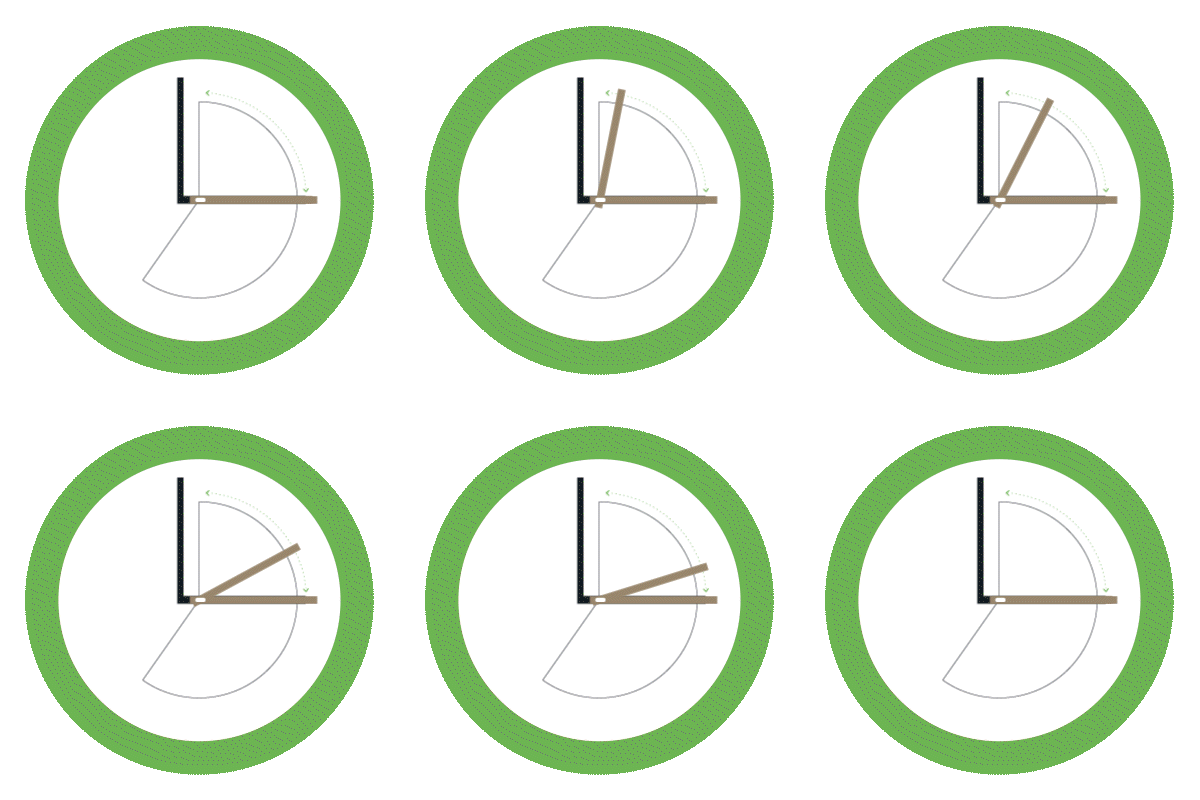
System M+ includes hold positions at 0° and 90°, with hold-open function in both swing directions. This allows the door to rest in clear, usable positions instead of drifting.
The system is also self-closing, returning toward the closed position from wide opening angles, with documented behavior up to 125°. In day-to-day use, that helps support smoother traffic flow and reduces the chance of a large door being left open unintentionally.

System M+ includes hold positions at 0° and 90°, with hold-open function in both swing directions. This allows the door to rest in clear, usable positions instead of drifting.
The system is also self-closing, returning toward the closed position from wide opening angles, with documented behavior up to 125°. In day-to-day use, that helps support smoother traffic flow and reduces the chance of a large door being left open unintentionally.
Compatibility and capacity checkpoints
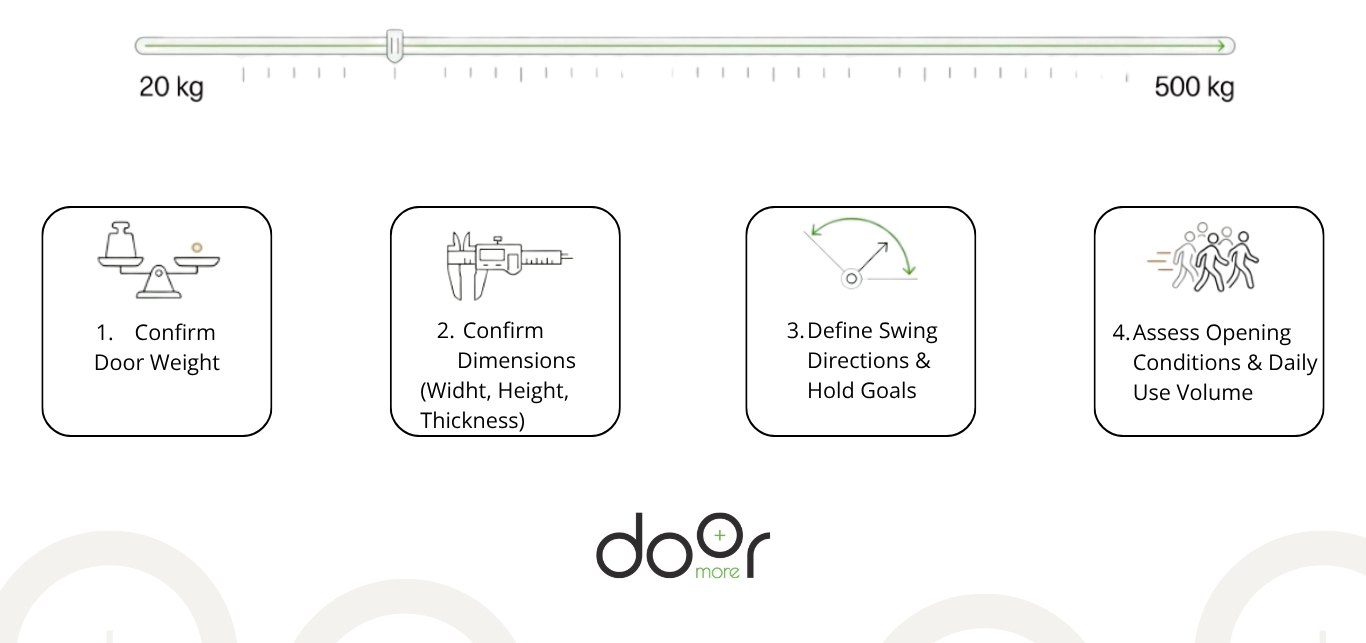
System M+ is designed for door weights ranging from 20 kg to 500 kg, depending on configuration. That upper range does not apply to every door by default. The correct setup needs to match the specific size and weight of your door.
A proper fit comes down to aligning the system with your project details:
- Door weight: the system must match the weight of the door
- Door size: width, height, and thickness affect which setup is suitable
- Configuration choice: the system should be selected to suit the project, not forced into a one-size-fits-all solution
Before requesting specifications, have a basic project checklist ready:
- Door width, height, and thickness
- Estimated door weight
- Swing direction and desired hold positions
- Opening conditions and expected daily use
For a simple measurement reference, see how to measure a door.
If your project approaches the heavier end of the range, the next step is to review System M+ specifications using your exact door details so the correct configuration can be confirmed.
System M+ vs standard pivot hinges
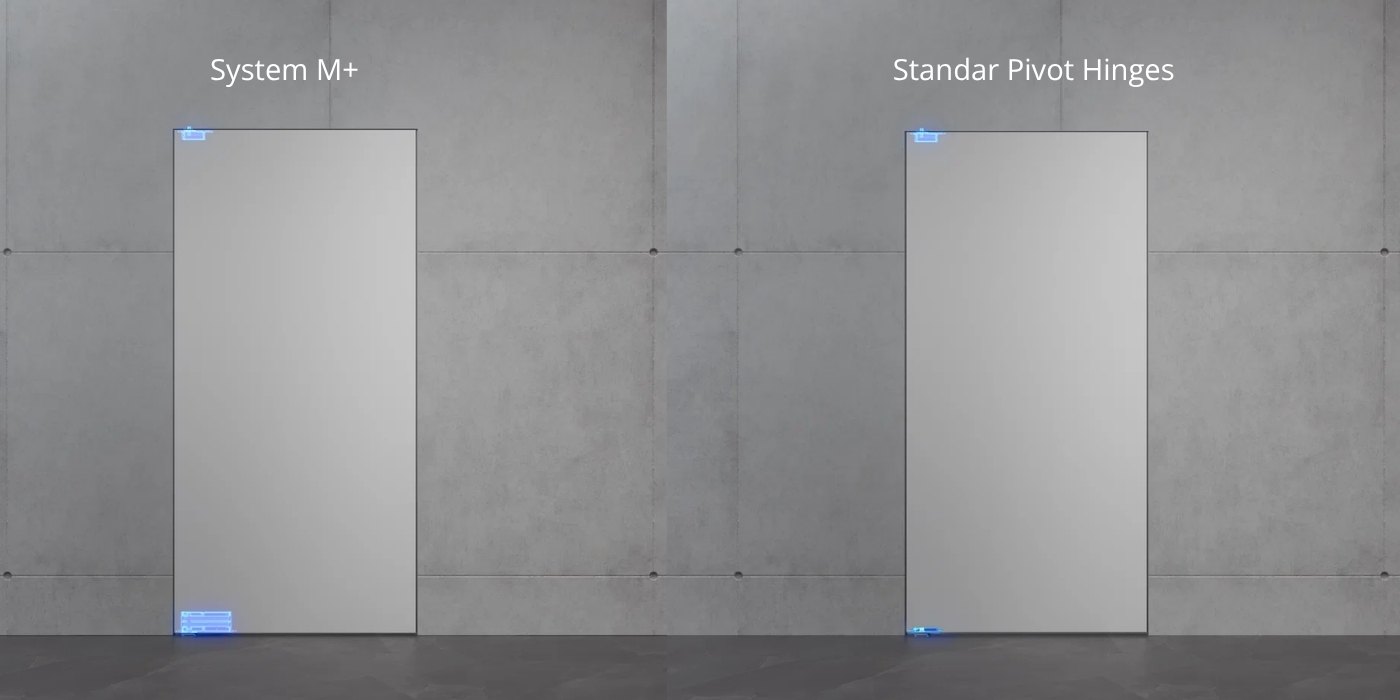
A standard pivot hinge can support a pivot door, but it often gives you less control over how the door feels in motion. System M+ is built around hydraulic control and defined adjustment points, so movement can be tuned rather than simply accepted as installed.
Control and closing feel
System M+ is designed to govern movement more deliberately.
- Damper Control helps soften and manage movement
- 30° Speed Control helps regulate the final portion of closing travel
- Latch Control helps the door finish its close more confidently
The difference is not just that the door swings. It is that the movement can be shaped.
Adjustability
With System M+, the adjustment points are built into the system: Damper Control, 30° Speed Control, and Latch Control. That makes it possible to fine-tune the door’s feel based on the actual door and setting.
Many basic pivot hinges can support the door structurally, but they are not designed around the same level of tunable hydraulic behavior.
Noise and user experience
When movement is controlled near the end of travel and supported by hydraulic damping, the closing experience often feels calmer and more composed.
The broader difference is predictability. The door behaves more like a deliberate architectural element and less like a large panel that needs constant management
Durability and daily use
A controlled, adjustable system becomes especially valuable on heavier doors and high-traffic openings because it is designed to support repeatable performance in real use.
If a refined, controlled experience is the priority, System M+ is the stronger fit.
Best fit applications
System M+ is well-suited to premium pivot door projects where movement quality is part of the design intent. It becomes especially relevant on high-use openings where you want the closing behavior to feel consistent throughout the day.
It also suits heavier door builds where proper configuration matters. Rather than treating every door the same, the system is selected to match the demands of the project.
Exterior vs. interior suitability
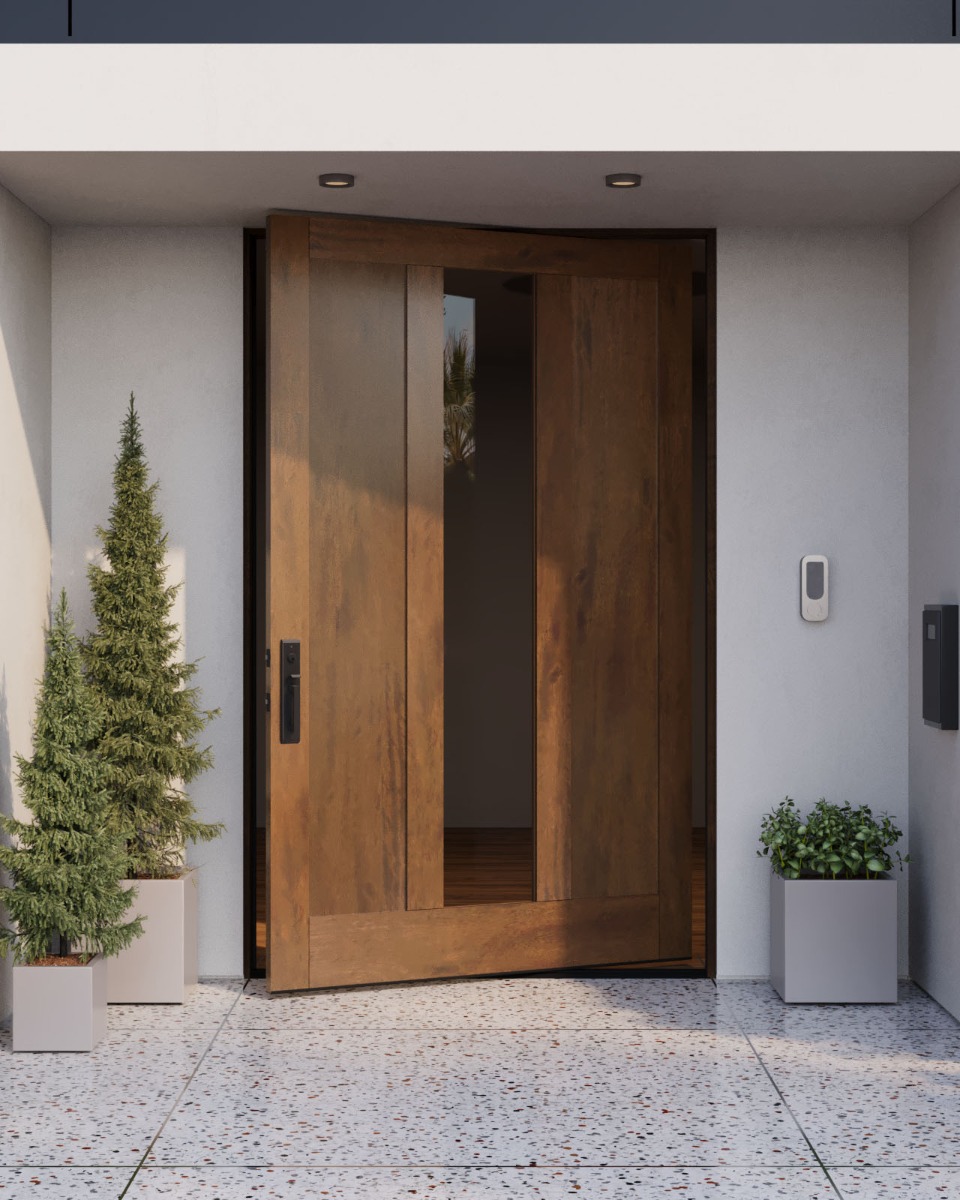
Pivot doors can be used in both interior and exterior settings. For exterior openings, controlled closing and reliable final engagement matter even more because they affect how the door seats in daily use.
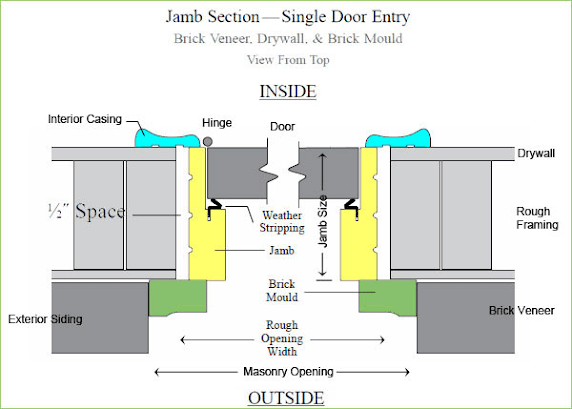
Weatherstripping and jamb detailing should be considered alongside the pivot system for the best overall result.
If you want to confirm the right configuration for your project, Door & More can review your door size and estimated weight to help align the system with your movement and performance goals.
Installation and adjustment overview

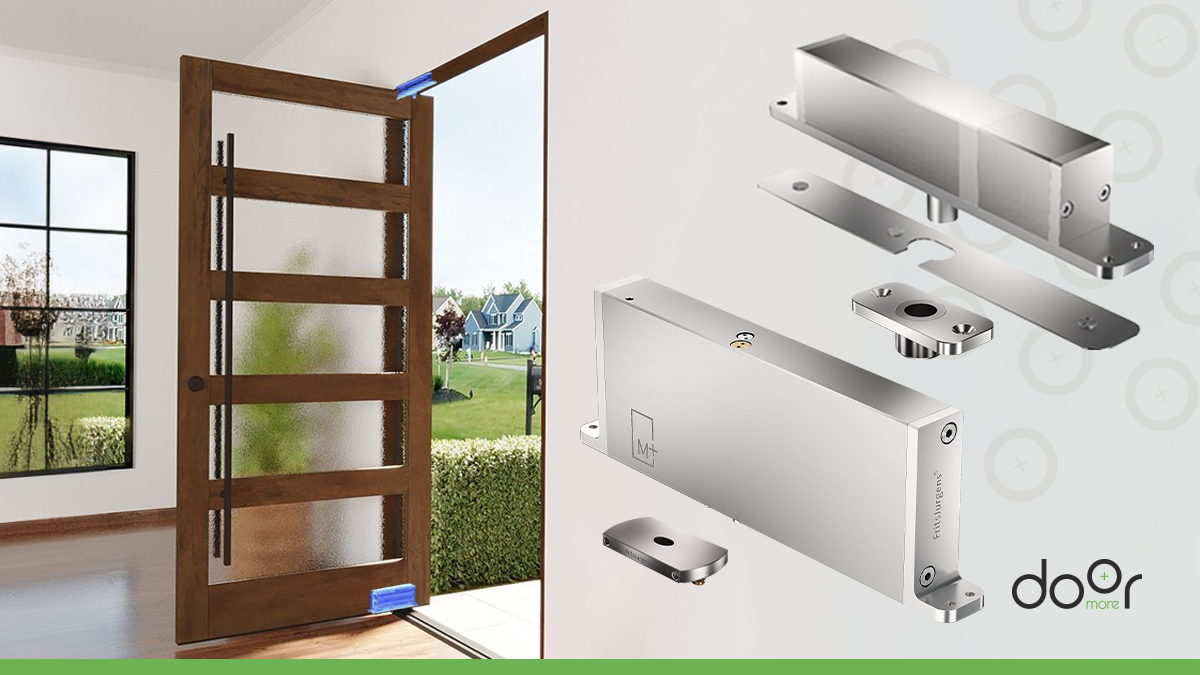
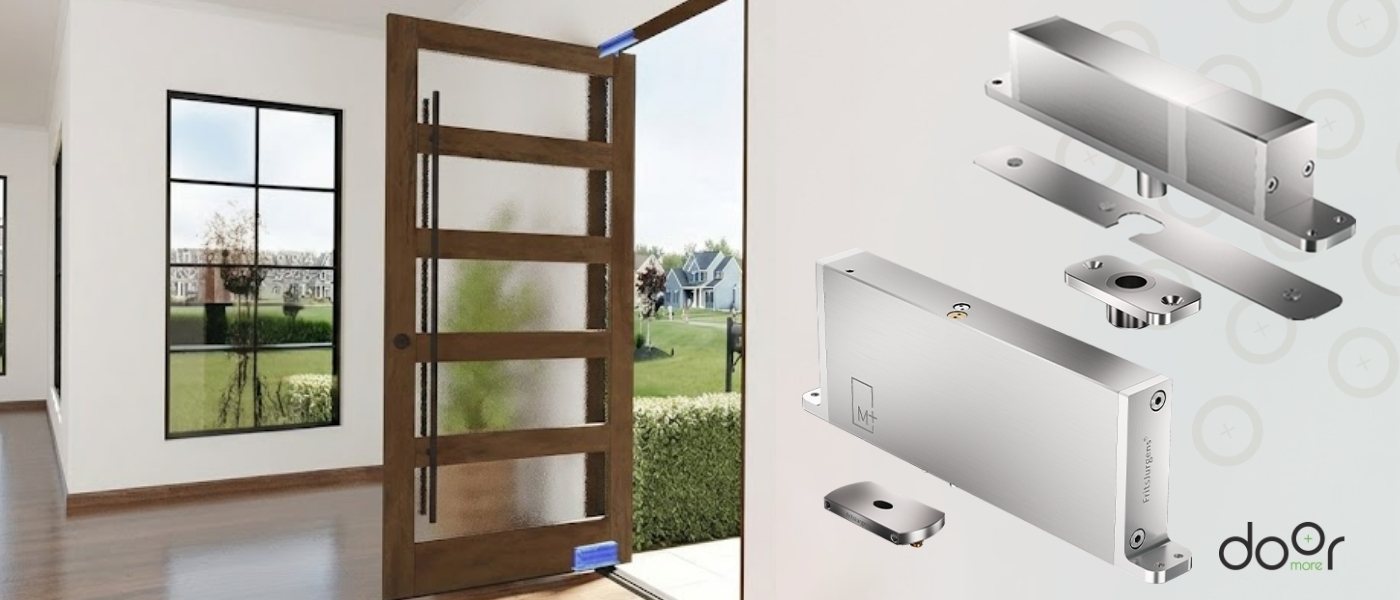
Installation Components
1 - Top Pivot Reversed
Installed inside the head jamb. Designed for convenient installation and adjustment.
2 - Receiver
The receiver is mounted inside the top of the pivot door. The pin of the top pivot Reversed is rotated downwards into the Receiver during the installation.
3 - Bottom Pivot
The main driver of the pivot door, fitted at the bottom side.
Supports doors up to 500 kg and offers features like hold positions and self-closing.
4 - Floor Plate
Mounted 8 mm into the floor, compatible with various floor types. Made of solid tempered steel, scratch-resistant, and available in brushed stainless steel and PVD black finishes.
Installation Components
1 - Top Pivot Reversed
Installed inside the head jamb. Designed for convenient installation and adjustment.
2 - Receiver
The receiver is mounted inside the top of the pivot door. The pin of the top pivot Reversed is rotated downwards into the Receiver during the installation.
3 - Bottom Pivot
The main driver of the pivot door, fitted at the bottom side.
Supports doors up to 500 kg and offers features like hold positions and self-closing.
4 - Floor Plate
Mounted 8 mm into the floor, compatible with various floor types. Made of solid tempered steel, scratch-resistant, and available in brushed stainless steel and PVD black finishes.
System M+ uses pivot components at both the top and base of the door assembly. At the top, it includes a ceiling plate and top pivot. At the base, it includes a bottom pivot and floor plate. Because the system is concealed within the door and floor structure, it helps preserve a clean pivot door aesthetic.
Adjustment centers on three controls:
- How the door is damped during movement
- How it behaves as it approaches closed
- How it completes final engagement at the latch
Adjustment is typically handled by the installer or a qualified door professional, who can calibrate the system based on the actual door weight, site conditions, and desired feel.
If you want the refined experience System M+ is designed to deliver, the right first step is to request specifications using your project details before installation.
Simple mechanism explanation
System M+ uses hydraulic control to influence how the door behaves throughout its motion. The named controls are the tuning points that shape opening feel, end-of-close behavior, and final engagement for the project.
Related Guides

If System M+ aligns with your project, choose your next step based on where you are in the process:
For the most accurate fit confirmation, review System M+ specifications using your door size and estimated weight so the appropriate configuration can be validated before ordering.
FAQ
System M+ is a hydraulic pivot door system that helps a pivot door open and close in a more controlled, refined way. It includes adjustable controls that shape how the door moves, how it slows near the end of travel, and how it finishes the final close.
System M+ is designed for doors from 20 kg up to 500 kg, depending on configuration. The correct setup depends on the actual size and weight of your door.
Yes. System M+ includes hold positions at 0° and 90°, with hold-open function in both swing directions.
Yes. System M+ returns the door toward the closed position from wide opening angles, with documented behavior up to 125°.
The system includes top and bottom pivot components integrated into the door assembly, with concealed hardware at the head and floor for a cleaner look.