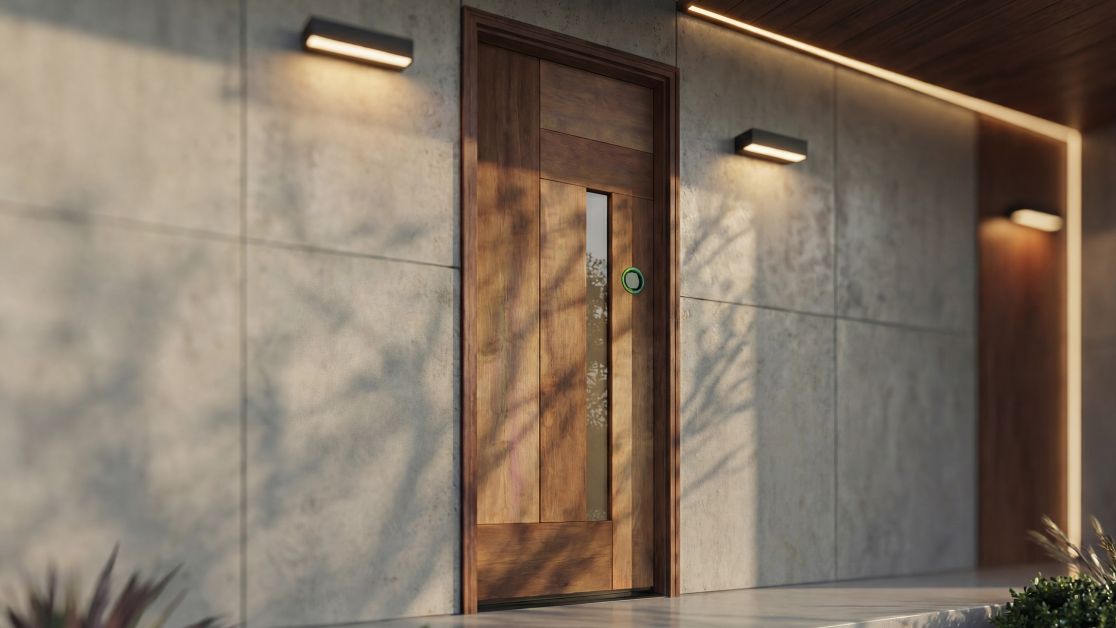


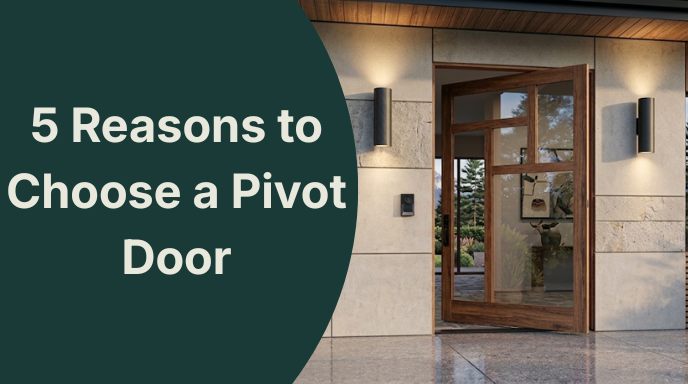
5 Reasons to Choose a Pivot Door
- By Shayan Behjati
- Jul 13, 2026
What a pivot door is and how it works
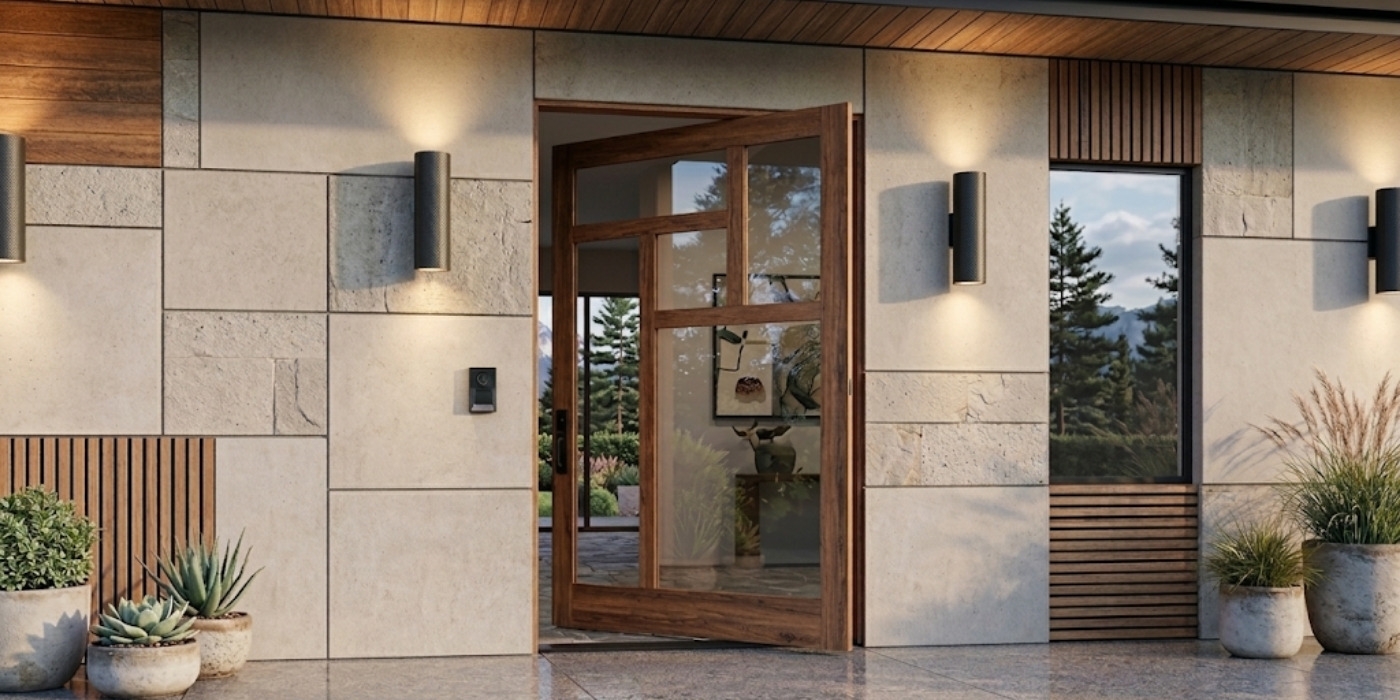
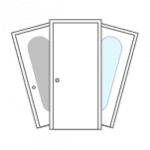
A pivot door rotates on a top and bottom pivot point instead of side-mounted hinges. The pivot point is usually set in from the door’s edge (often 100–300 mm, approx. 4–12 inches), which changes both how the door moves and how the entry feels.
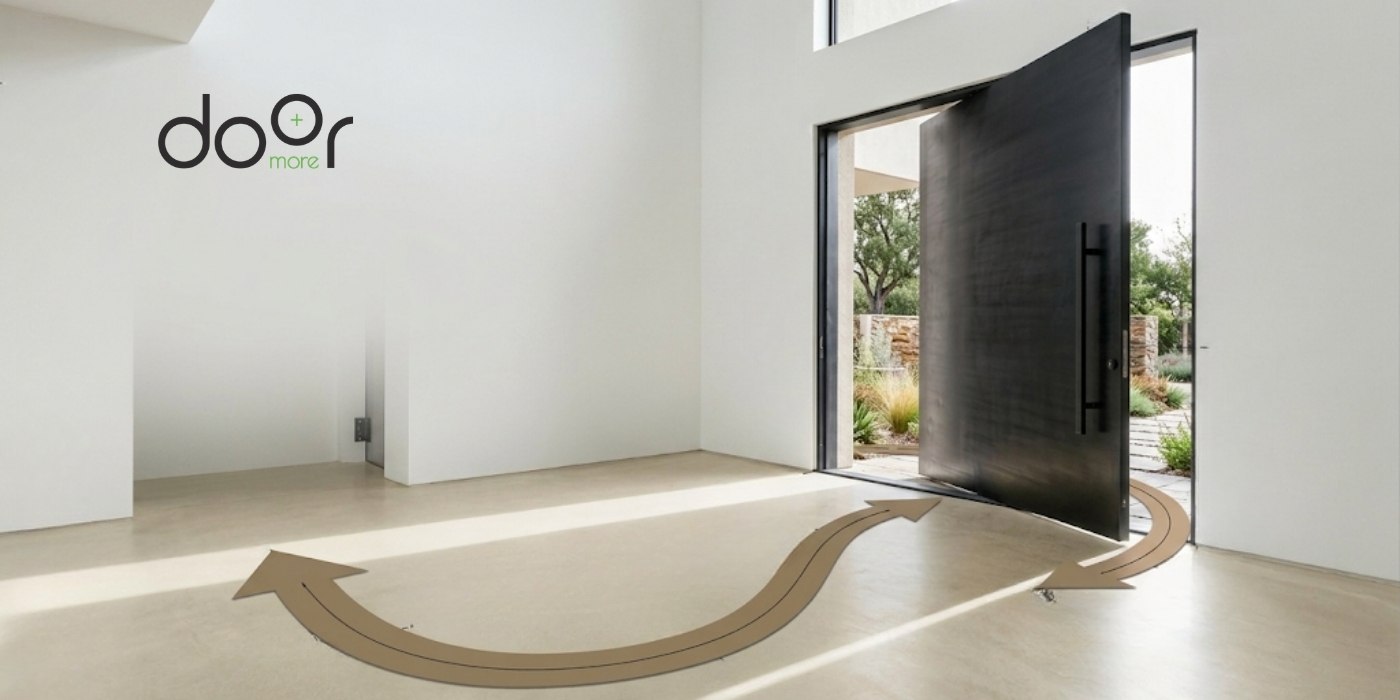
With an offset pivot, the door creates a split swing: part moves inward and part moves outward. The exact split depends on pivot placement.
This split-swing movement gives the door a surprisingly weightless, balanced feel, even with heavy, oversized panels. It is a key reason why pivot doors are a staple in modern, high-end design.
Pivot vs hinged doors: the difference that matters
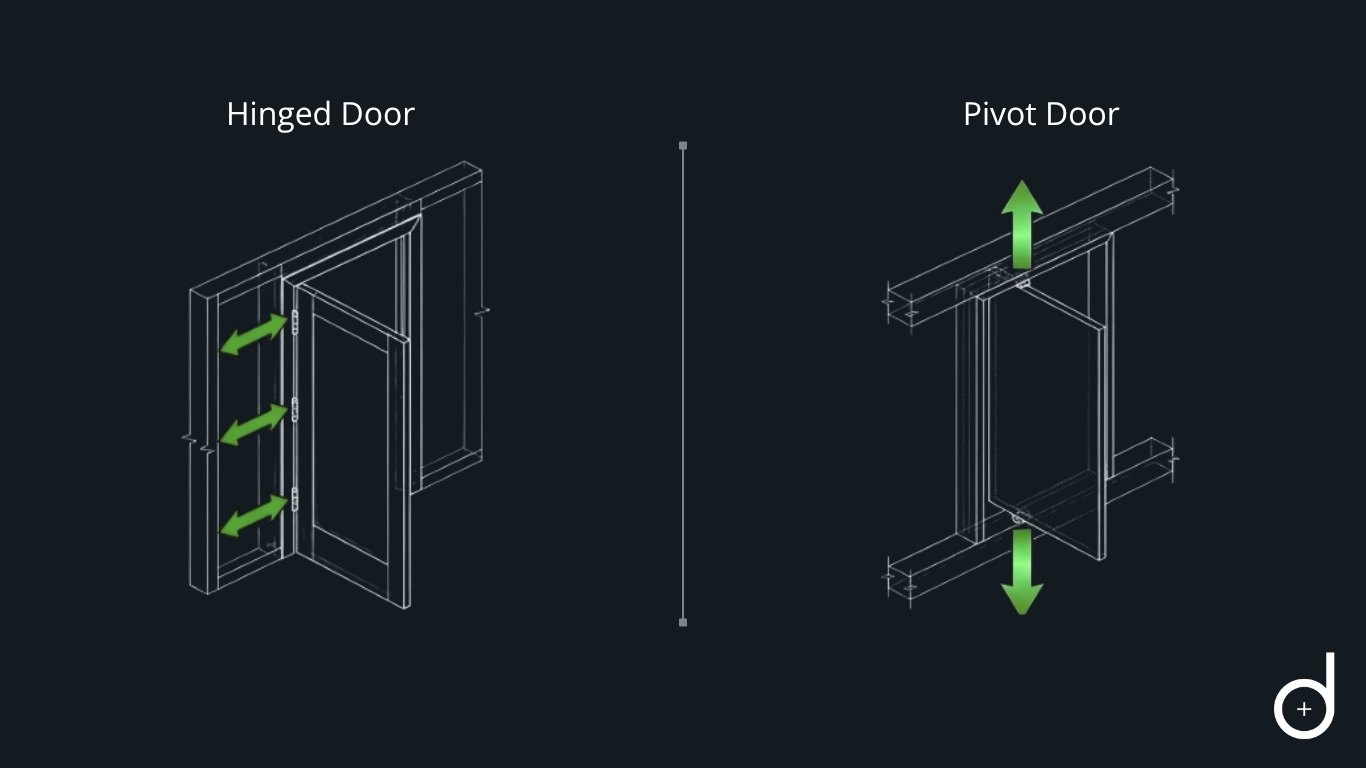
That fundamental difference in movement affects a few key architectural decisions:
- Weight and width: Pivot doors are commonly used for larger openings when the structure and hardware are designed for the load.
- Clearance planning: The rotation creates a wider arc, so you must account for clearance space on both the interior and exterior of the threshold.
- Grand scale: Pivot systems can support wider, heavier panels when the structure and hardware are properly designed.
- Design flexibility: Offset pivots allow asymmetric proportions that are harder to achieve with standard hinges.
- Main tradeoff: In tight entries, the larger swing arc can make a pivot door the wrong fit.
Who a pivot door is for
A pivot door is usually a strong fit if you want:
- An oversized front door that feels intentional Often used for doors over 48 inches wide when the door, hardware, and structure are properly designed.
- A statement entrance Scale and motion make the door part of the architecture.
- A more custom-looking facade Offset pivots support asymmetric, more refined compositions.
- A grander, more generous entry feel Pivot doors can support larger panels, making the entry feel more expansive when properly planned.
- A more architectural opening motion The split swing can feel dynamic when space allows.
Before choosing: Confirm the clearance and swing arc. The right fit feels effortless; the wrong one creates daily friction.
When to skip a pivot door
Pivot doors are not the best choice for every entry.
If your entry is tight, the wider swing radius can interfere with walls, furniture, planters, steps, or foot traffic. Because the door may move both inward and outward, both zones need to stay clear.
If you need maximum airtightness or weather sealing, evaluate carefully. Pivot doors can have slightly larger gap tolerances than compression-sealed hinged doors, which may matter in exposed exterior conditions.
5 reasons homeowners love pivot doors
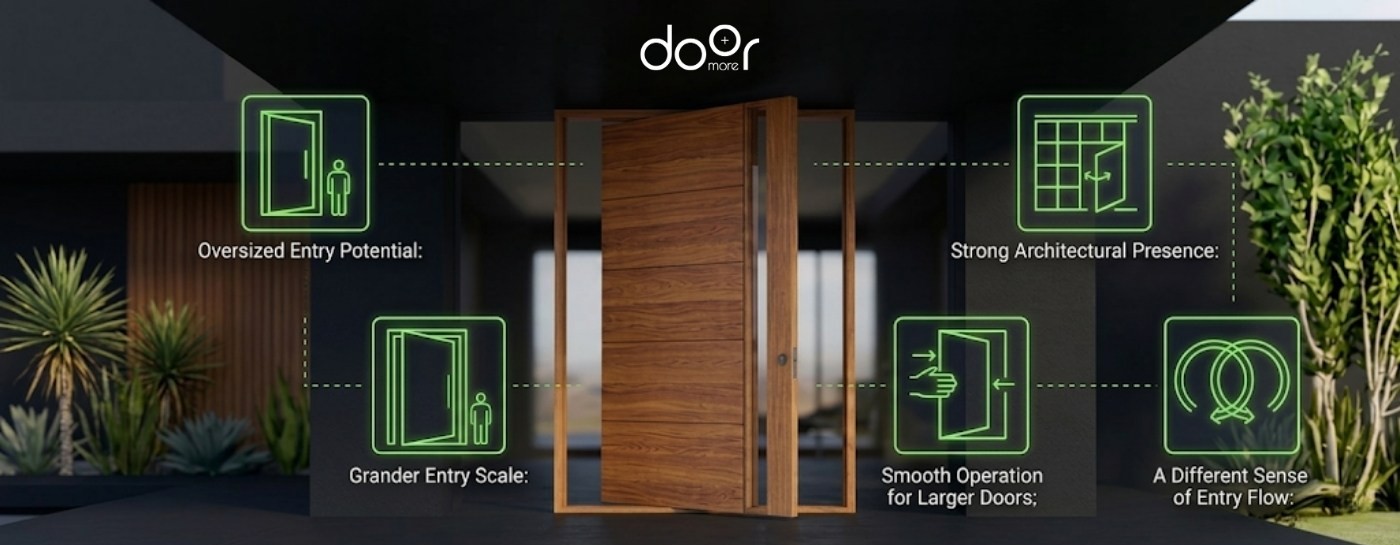
Reason 1: Oversized entry potential
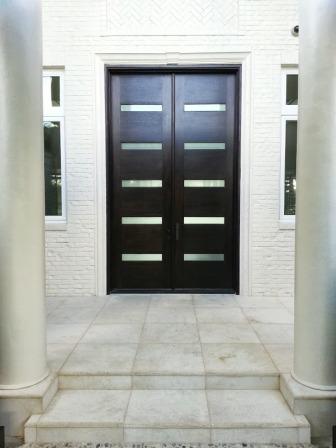
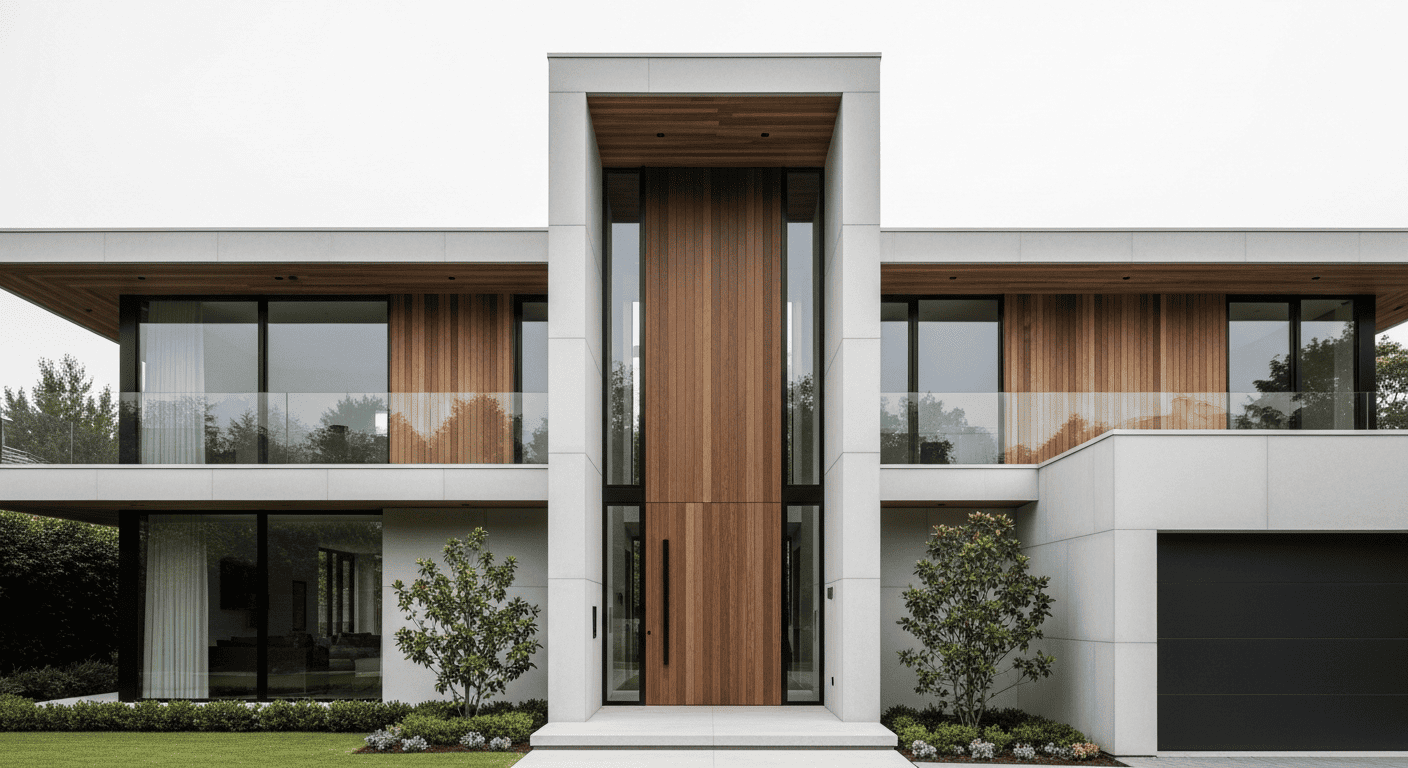
Pivot doors are often chosen when a standard door would look undersized on a wide facade or tall entry wall. In the right application, pivot doors can exceed 8 feet tall and reach 10 feet or more, with widths beyond 48 inches when properly engineered.
Larger scale helps the entry feel proportionate and can reduce the need for sidelites—but it increases the importance of clearance planning.
Reason 2: Strong architectural presence
A pivot door turns the entrance into a design feature. Its scale, motion, and proportions create a stronger visual moment than a typical hinged door. Offset pivot placement also allows asymmetry, improving facade rhythm and making the opening feel intentional.
Compare modern entry door styles →Reason 3: Grander entry scale
Pivot doors are often chosen when the goal is a more substantial entry experience, not just a wider door. Because the weight is carried through the pivot system, they can support larger and heavier panels when properly engineered. This helps the entrance feel more expansive and intentional.
The usable clear opening still depends on total door width and pivot offset, so plan the pivot placement early if passage width matters.
Reason 4: Smooth operation for larger doors
With the right system, large pivot doors often feel easier to operate than expected. The weight is balanced around the pivot axis instead of hanging from hinges. Hardware quality matters—alignment and control determine how smooth the motion feels over time.
Reason 5: A different sense of entry flow
The split swing changes how the entry is experienced. Part of the door moves inward and part outward, affecting both sides of the opening. In open foyers, this can feel sculptural and refined. In tight entries, it can create conflicts.
The common mistake is choosing size first and checking the swing arc later. With pivot doors, fit should lead.
Practical checks before you commit
Use these fit validation checkpoints to confirm a pivot door will feel great after the first week, not just on day one.
- • Clearance and swing arc: Map the full rotation and protect both swing zones.
- • Door size: Larger doors increase both impact and planning complexity.
- • Floor anchoring and structure: Loads concentrate at the pivot point—support must be adequate.
- • Hardware match: Choose a system engineered for your door size and weight.
- • Code and ratings: Confirm local requirements for exterior performance.
What to Browse Next
Collections & Designs
Material and Craftsmanship
FAQ
They rotate on a top and bottom pivot point. With an offset pivot, part of the door swings inward and part outward.
Yes. They are commonly used for oversized entrances when the door, hardware, and structure are properly designed.
Not always. The clear opening depends on total door width and pivot offset, so it should be planned early.
Often, yes. The split swing affects both interior and exterior zones, so clearance must be checked on both sides.
Avoid one when the entry is too tight for the swing arc or when maximum weather sealing is the top priority.
Not inherently. Security depends on the door construction, locking system, hardware quality, and installation.
Yes, but exposure matters. Review sealing, thresholds, drainage, and hardware ratings before specifying one.