How to Beautify Your Front Entrance
-
 By Shayan Behjati
 - Mar 12, 2026

This guide shows you how to beautify your front entrance with a focused makeover that stays within the entrance zone: the door, its frame, and the elements that visually finish the threshold. It’s for homeowners who want a visible improvement without turning the project into a full exterior renovation. You’ll find practical entrance makeover ideas, each with a clear next step, plus a simple order of updates so the result feels cohesive rather than pieced together.
Table of Contents
- What curb appeal means for your entrance
- Before and after impact framing and prioritization
- Entrance makeover ideas
- Design rules you can apply in minutes
- Upgrade Your Front Door
- Get help choosing your next door
- Sidelights and transoms
- Lighting upgrades for a welcoming entrance
- Small vs large entryways
- Micro callouts that must stay capped
- Related links
- Closing
- FAQ
Table of Contents
- What curb appeal means for your entrance
- Before and after impact framing and prioritization
- Entrance makeover ideas
- Design rules you can apply in minutes
- Upgrade Your Front Door
- Get help choosing your next door
- Sidelights and transoms
- Lighting upgrades for a welcoming entrance
- Small vs large entryways
- Micro callouts that must stay capped
- Related links
- Closing
- FAQ
How the entrance shapes the first impression
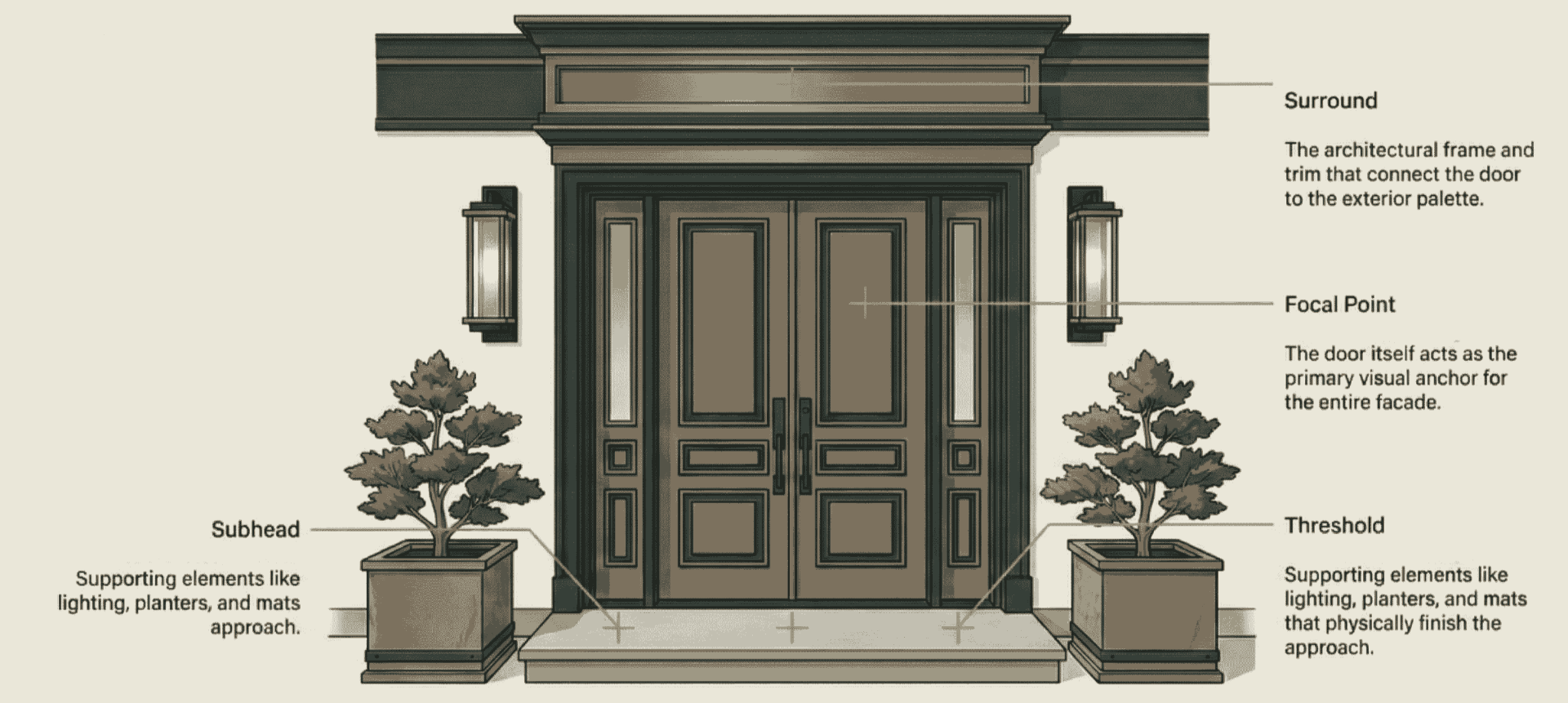
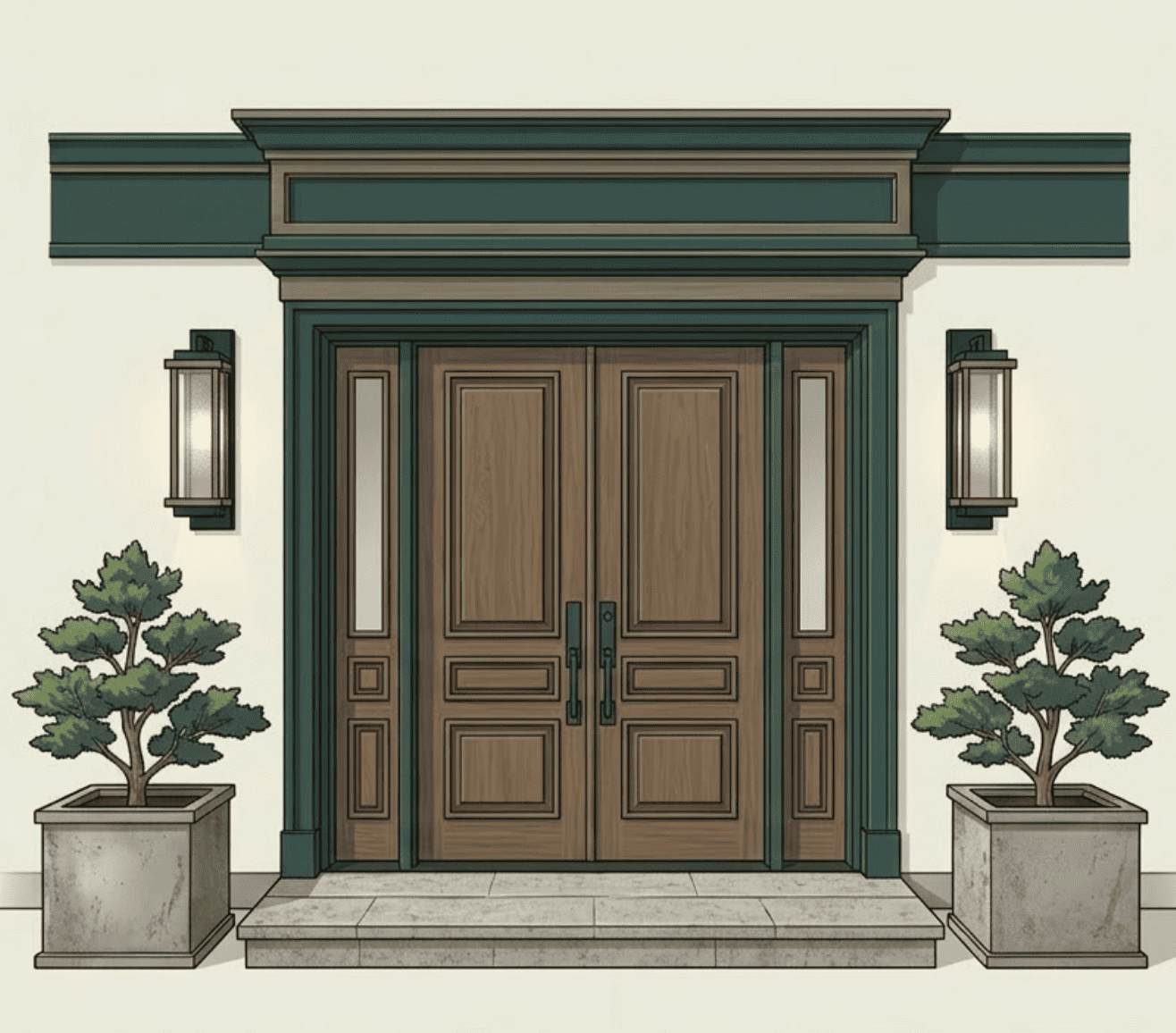
On this page, curb appeal refers specifically to the impression created by the front entrance—not the entire exterior. It’s about how the entrance door, its surround, and a few supporting elements come together visually at a glance.
When these elements feel aligned in color, proportion, and lighting, the entrance reads as intentional. When they don’t, even a well-maintained home can appear slightly unfinished.
Seeing the before-and-after impact (and where to start)
The strongest before-and-after change usually comes from updates that are immediately visible and visually connected. A refreshed door surface, warmer lighting, and simple framing elements around the threshold can noticeably shift the overall impression.
The key is to move in the right order: remove what weakens the look, strengthen the entrance door as the focal point, then add finishing elements that pull everything together.
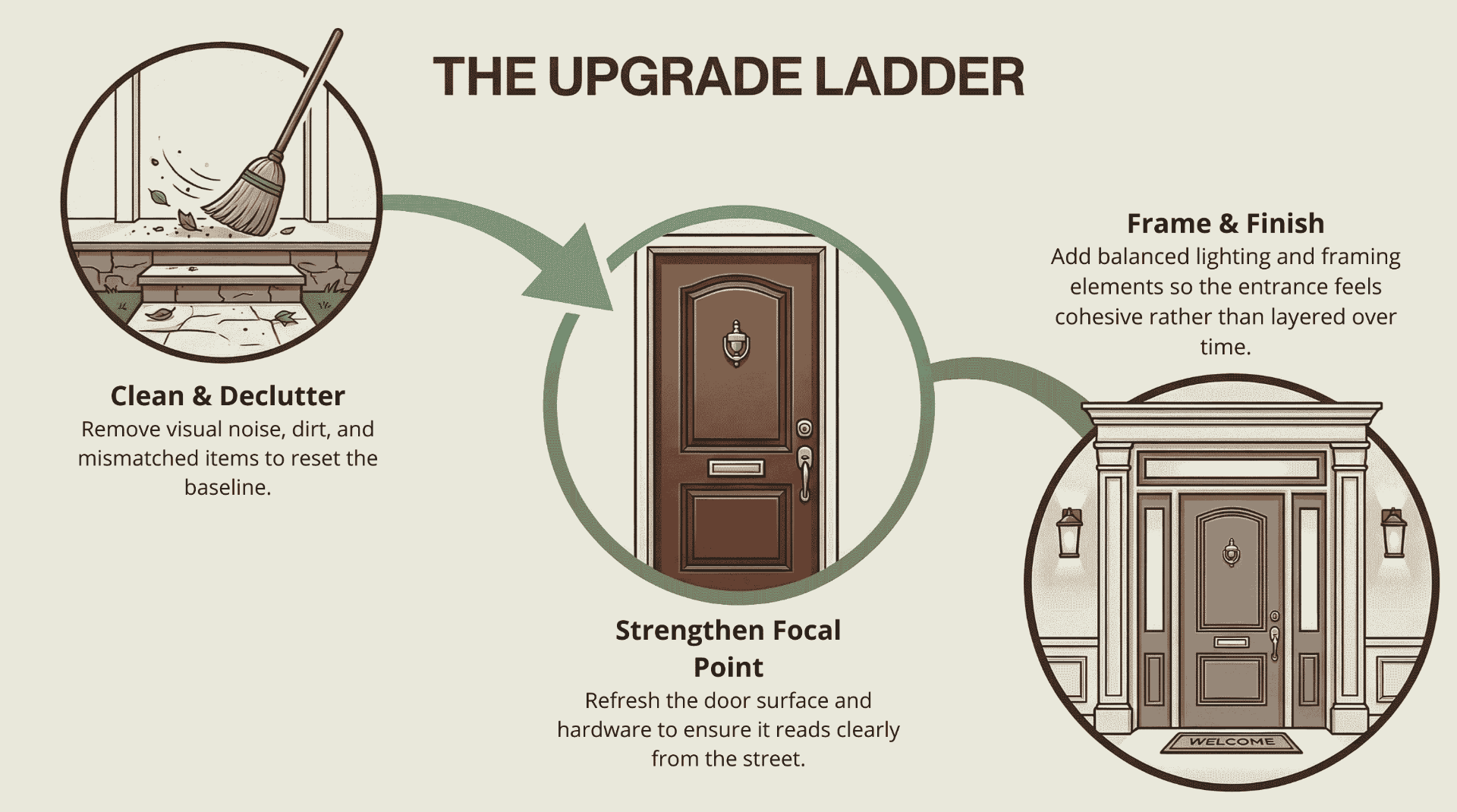
Why this order works: visible improvements come first, and cohesion follows. That’s what keeps the entrance from looking like a series of separate upgrades.
1. Clean and declutter the entrance zone
Dirt, faded finishes, worn hardware, or small mismatched items around the threshold can dull first impressions. Clearing visual noise often improves the look more than expected.
2. Make focal updates that show quickly
The entrance door naturally draws the eye. Refreshing its surface, updating hardware, or adjusting its color can create visible change without altering the whole façade.
3. Finish with framing and lighting
Once the door feels strong, balanced lighting and a few framing elements—such as coordinated trim, planters, or sidelights—help the entrance feel complete rather than layered over time.
QUICK SCENARIO
BEFORE
The entrance feels flat because the door looks tired, the lighting is dim, and the threshold area feels cluttered.
AFTER
The entrance door reads clearly as the focal point, the lighting feels warm and balanced, and two simple framing elements make the space look considered and welcoming.
Entrance makeover ideas
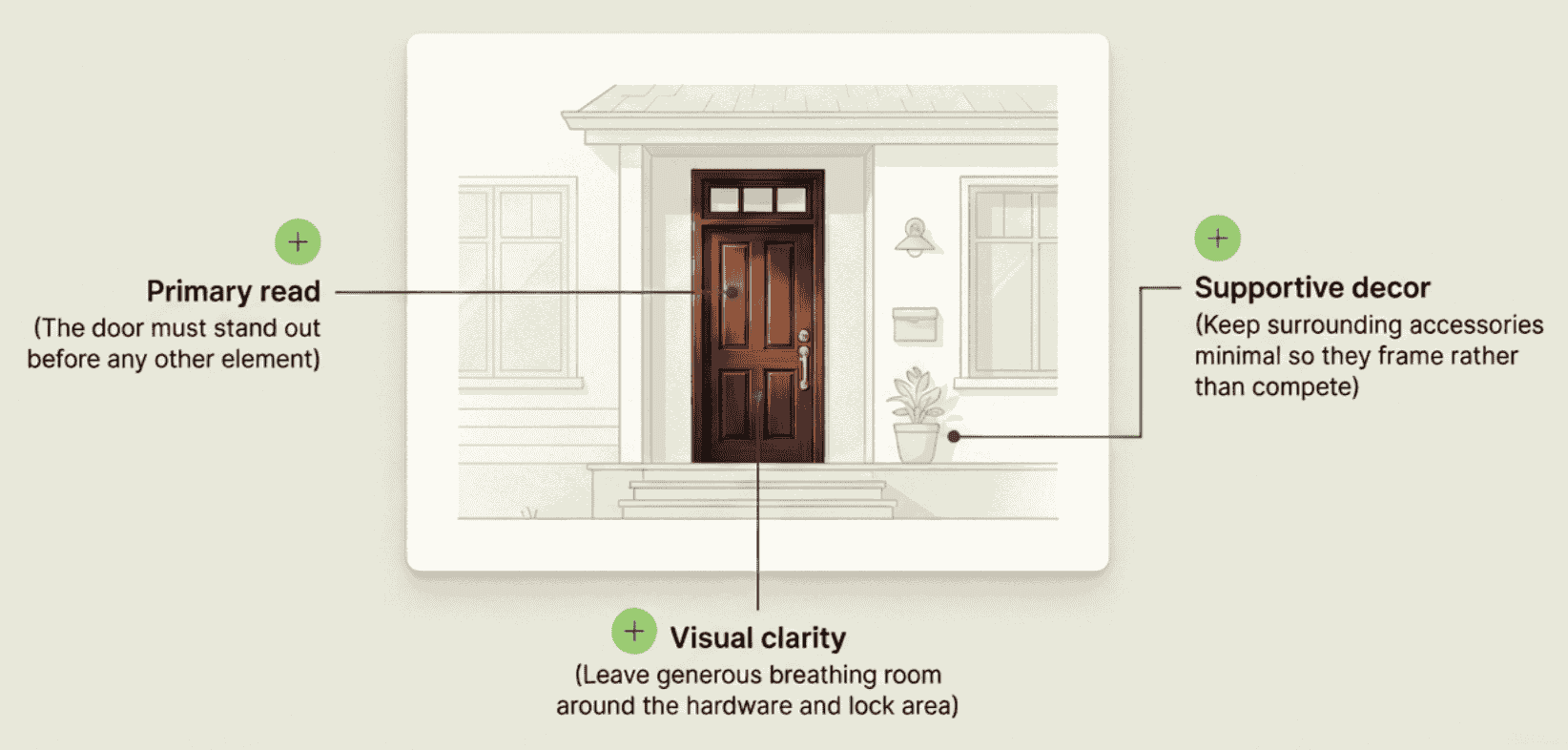
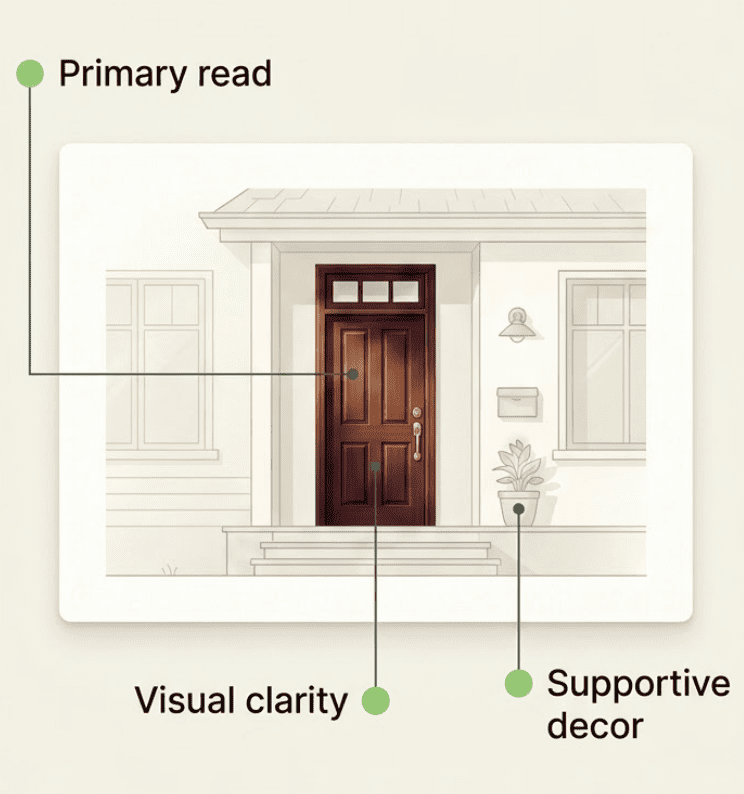
Practical tactics to elevate your entrance, from resetting the baseline to mastering scale and proportion.
Design rules you can apply in minutes
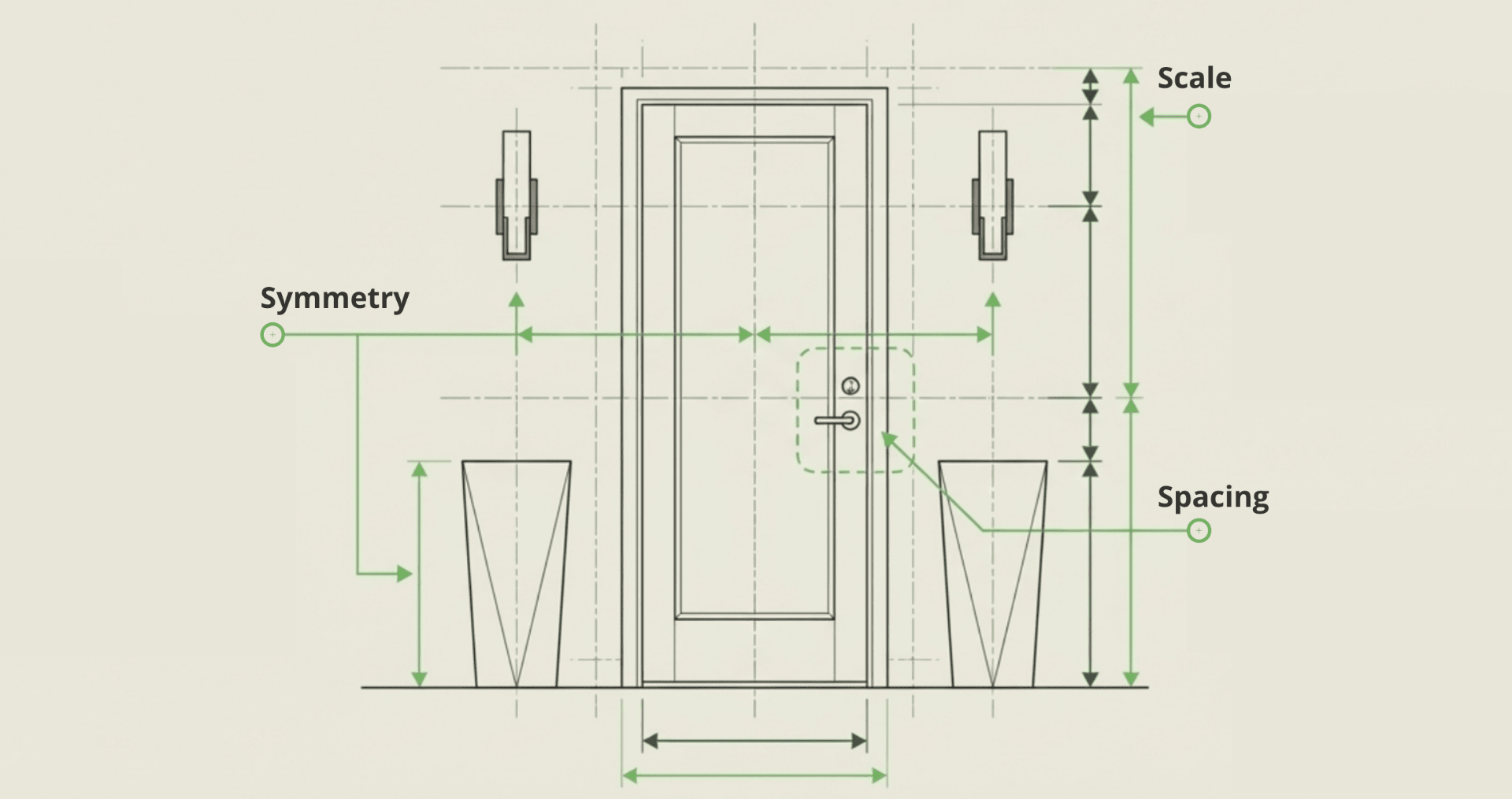
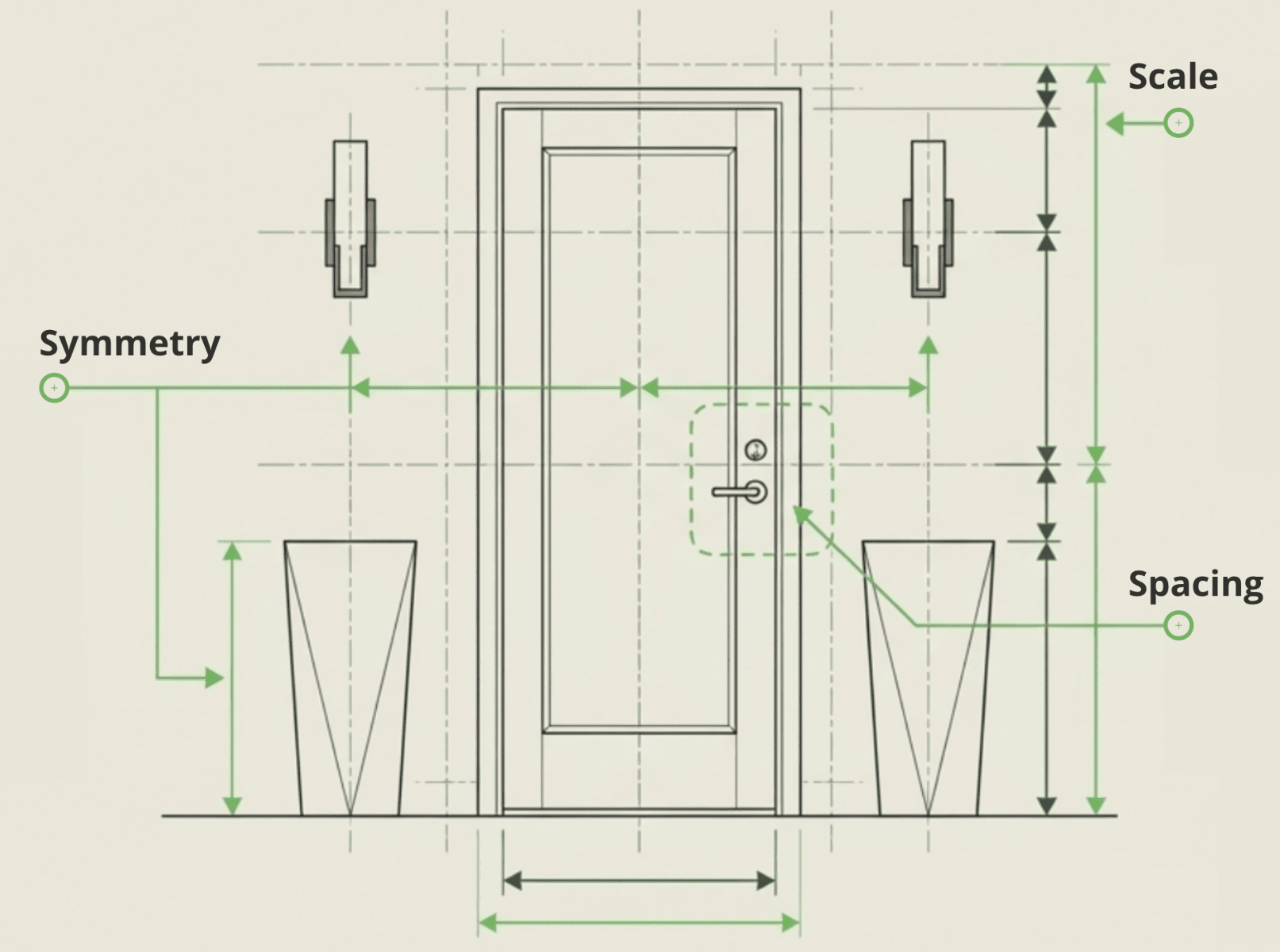
If the architecture supports it, flank the door with a matched pair—such as planters or lights—so the entrance reads balanced from the street.
Keep the door area readable by leaving breathing room around the handle and lock area. Avoid clustering too many accessories in one tight zone.
Size your largest supporting element in relation to the door and porch footprint so it doesn’t look undersized or overly dominant.
Let the door remain the visual anchor. When too many pieces compete for attention, the entrance loses clarity. Simplify until the door is clearly the first read.
Upgrade Your Front Door
Upgrading the door is a high-visibility move because it typically acts as the focal point of the entrance. Keep this step lightweight: review quick pros and cons, then align the style so the new door fits your exterior at a glance.
Steel: Strong and durable. Framed as a lower-maintenance alternative to wood. A practical choice for a clean, straightforward exterior look.
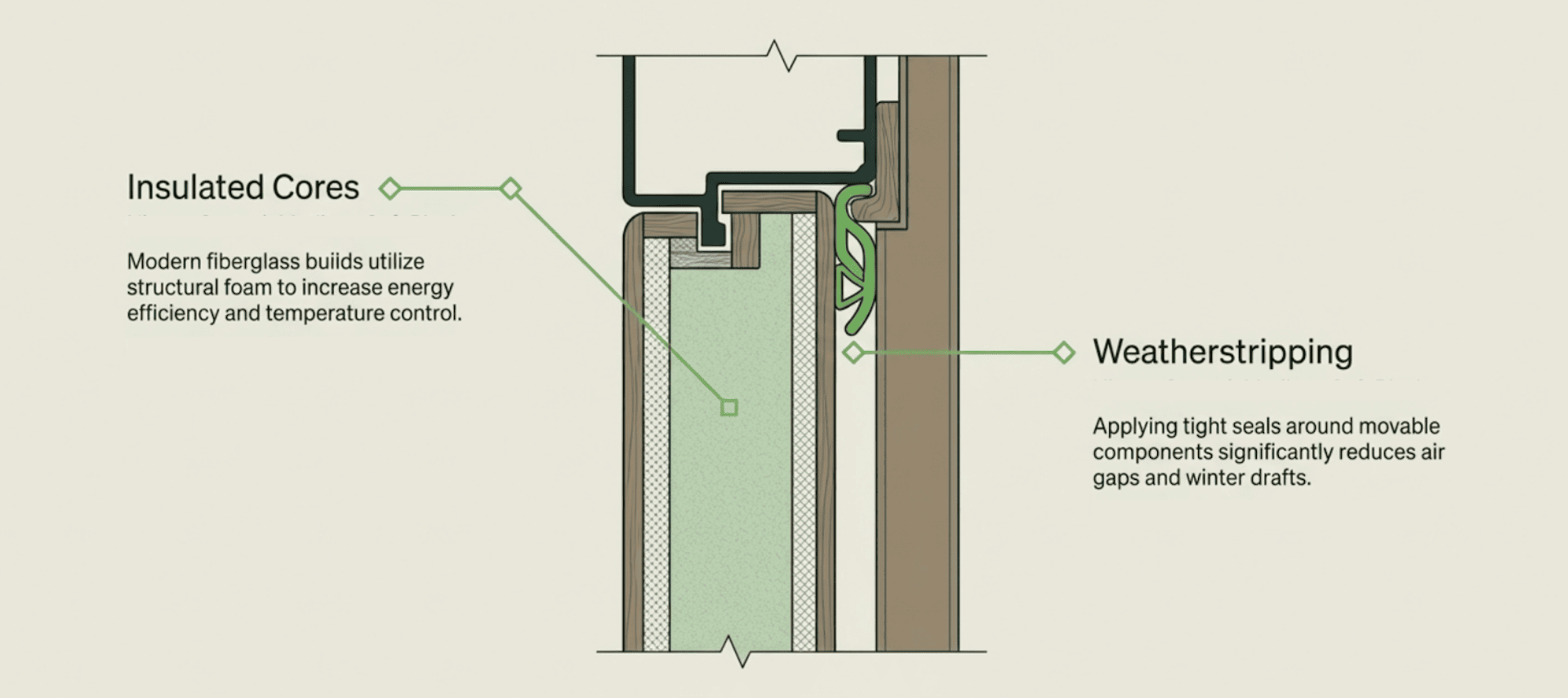
Fiberglass: Durable and resistant to dents, scuffs, cracking, warping, and shrinking. Positioned as lower maintenance than wood or steel. Often built with insulated foam cores for high energy efficiency.
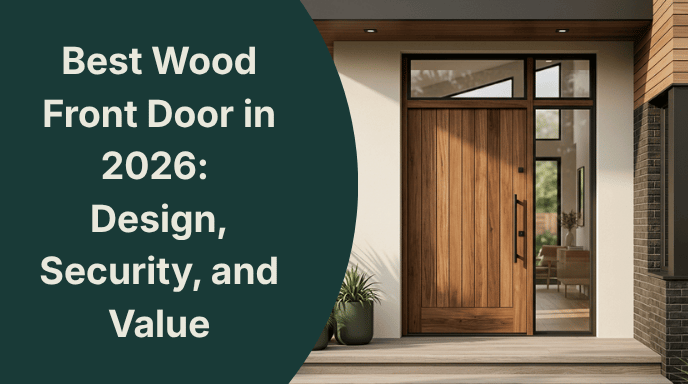
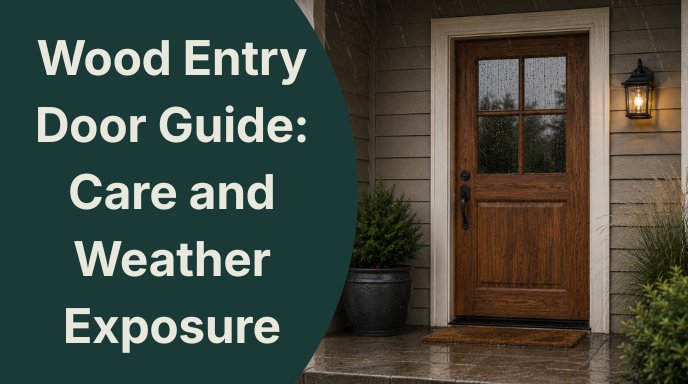
Wood: Associated with a classic, high-end appearance. Typically requires more regular maintenance. More affected by moisture and weather exposure than fiberglass in common comparisons.
Material Comparison
Style Alignment
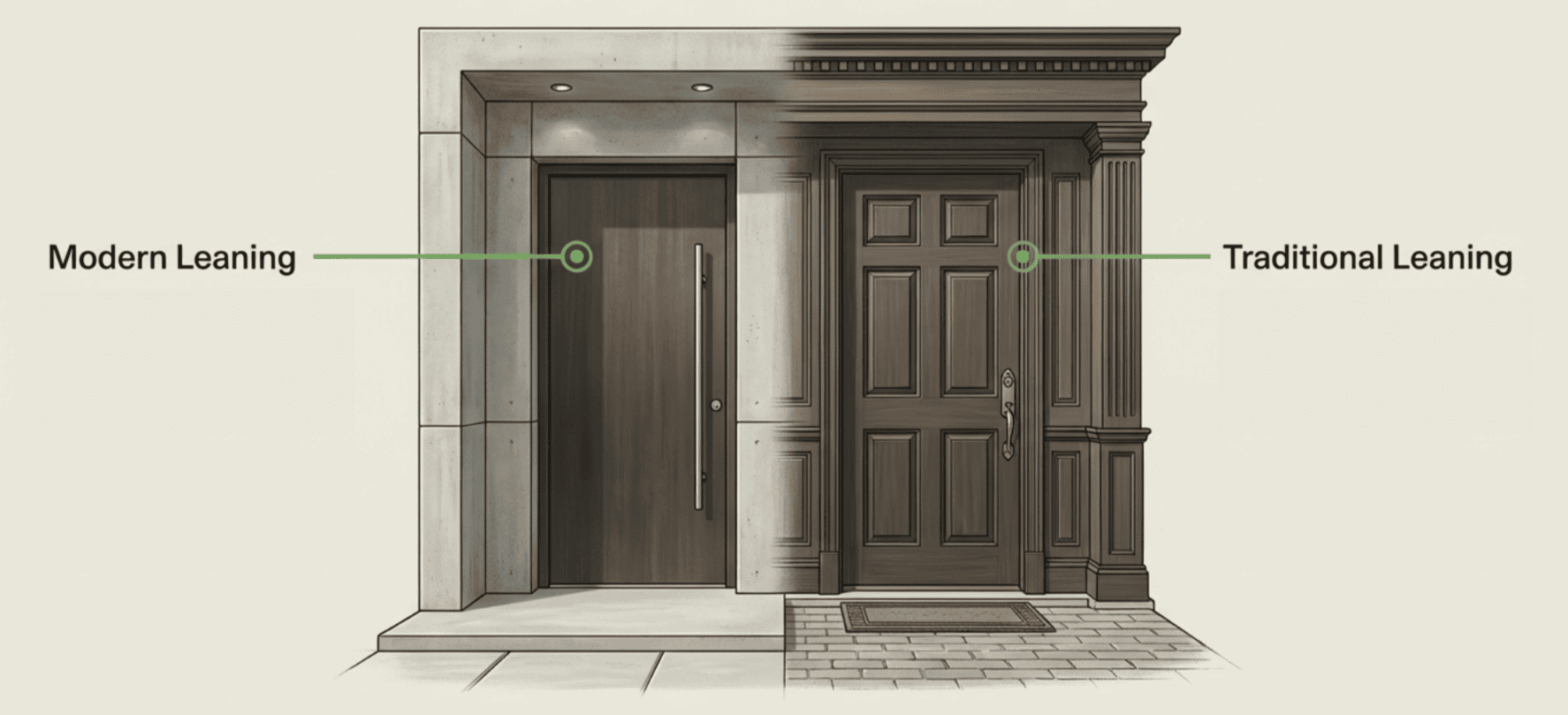
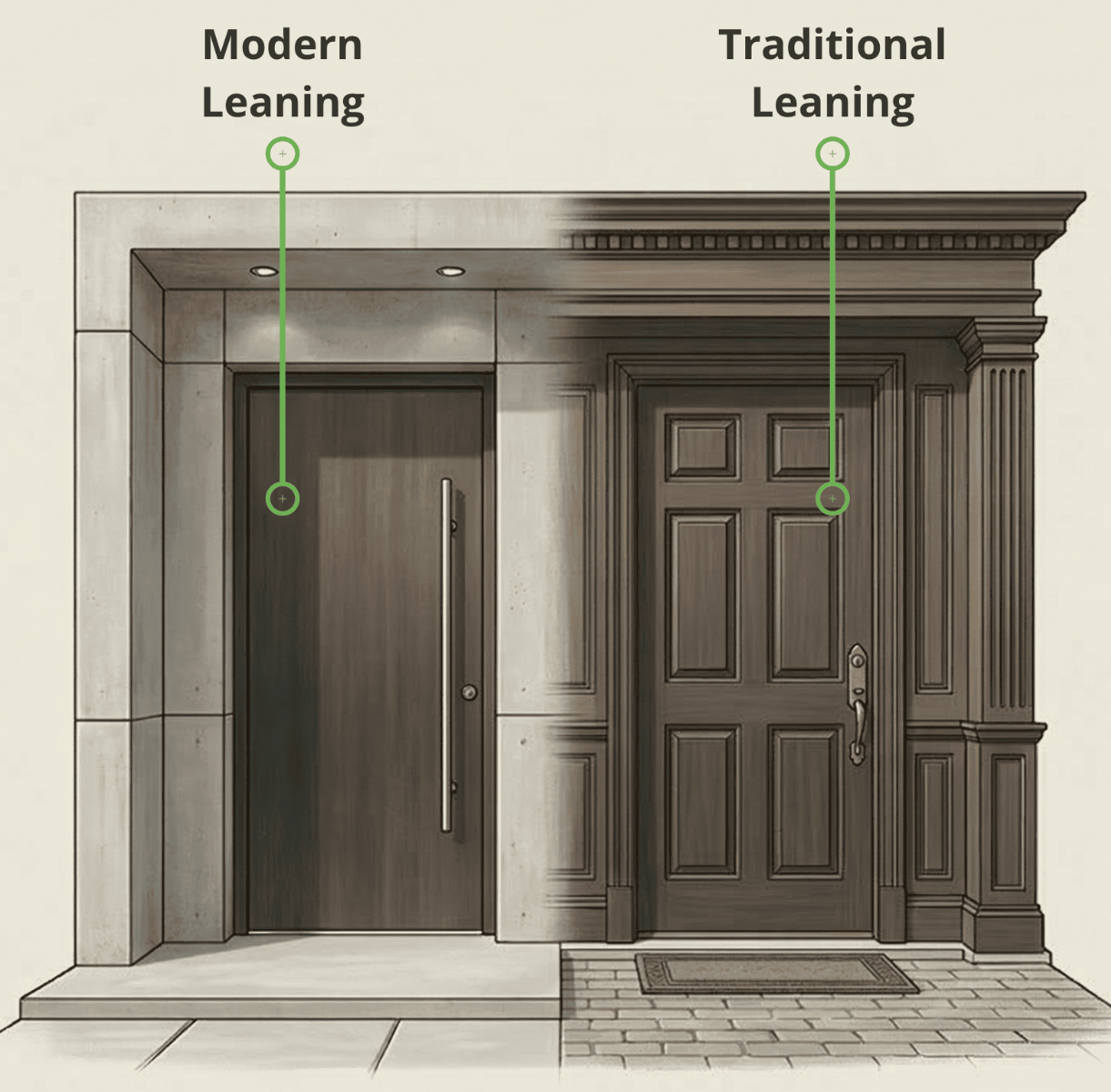
Modern-Leaning
Defined by simpler lines, cleaner shapes, and a hardware direction that feels streamlined and consistent.
Traditional-Leaning
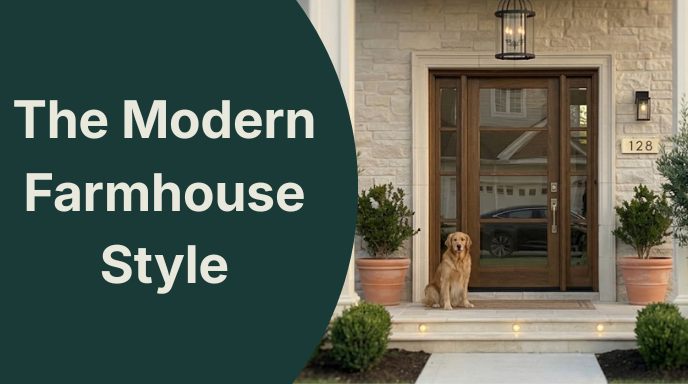
Features warmer detailing and a classic, balanced entrance composition, often supported by symmetry and paired elements.
Get Help Choosing Your Next Door
If you want clarity without overcomplicating the decision, start by browsing doors that align with your entrance direction and architectural goals.
Sidelights and transoms
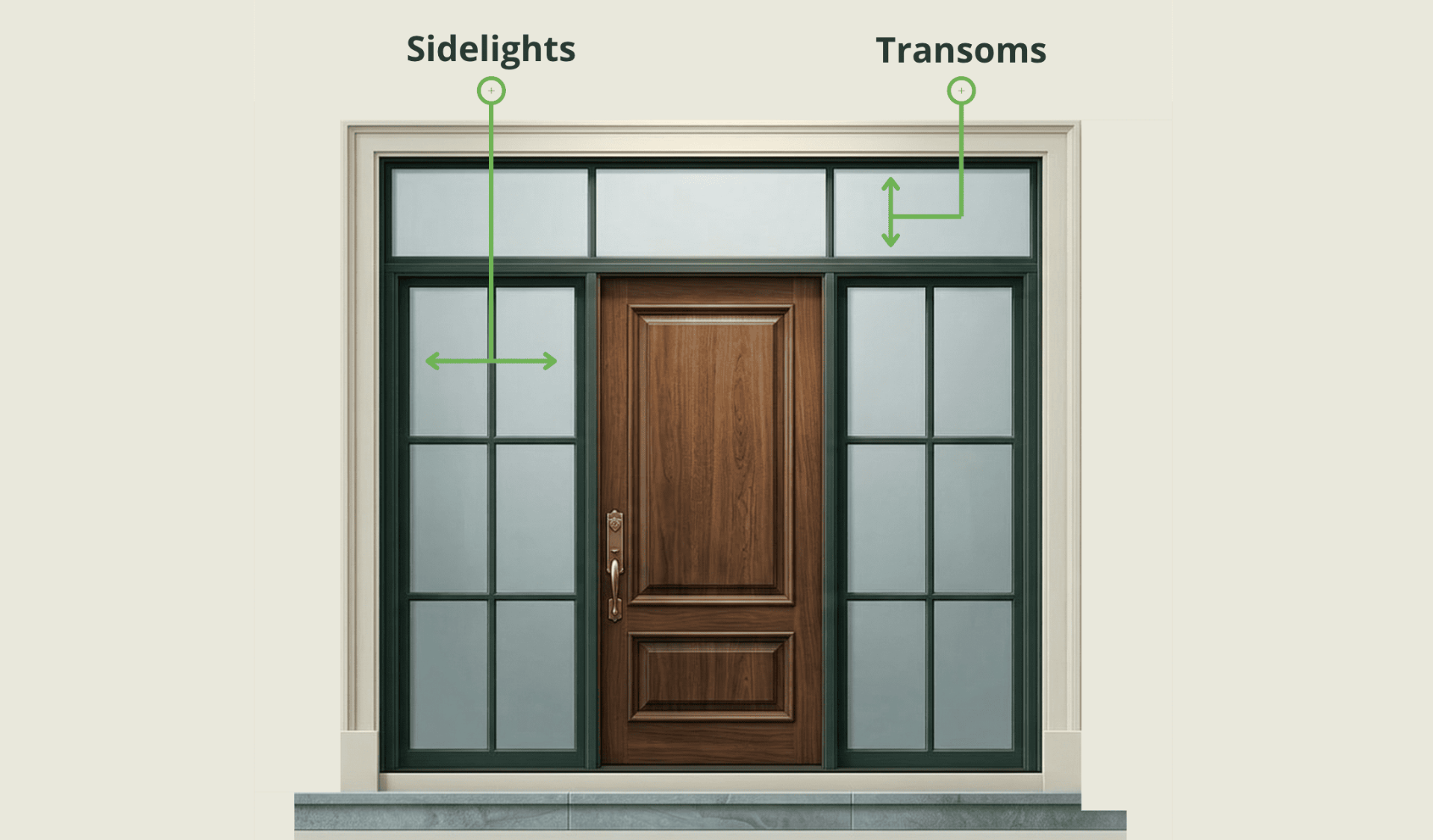

Sidelights and transoms are more than just glass; they are architectural tools used to manipulate light and scale. Choosing the right configuration depends entirely on your entryway's existing spatial footprint.
Sidelights
Best for: Entrances with ample horizontal width.
By introducing light at eye level, sidelights broaden the visual composition and create a more open, inviting threshold.
Transoms
Best for: Homes with high ceilings or limited wall width.
Transoms utilize overhead space to draw in natural light, instantly making the entrance feel taller, airier, and more grand.
Privacy & Customization
Frosted and patterned glass options allow you to harvest natural light without compromising your home's privacy.
Explore Glass Types & Patterns →Lighting upgrades for a more welcoming entrance
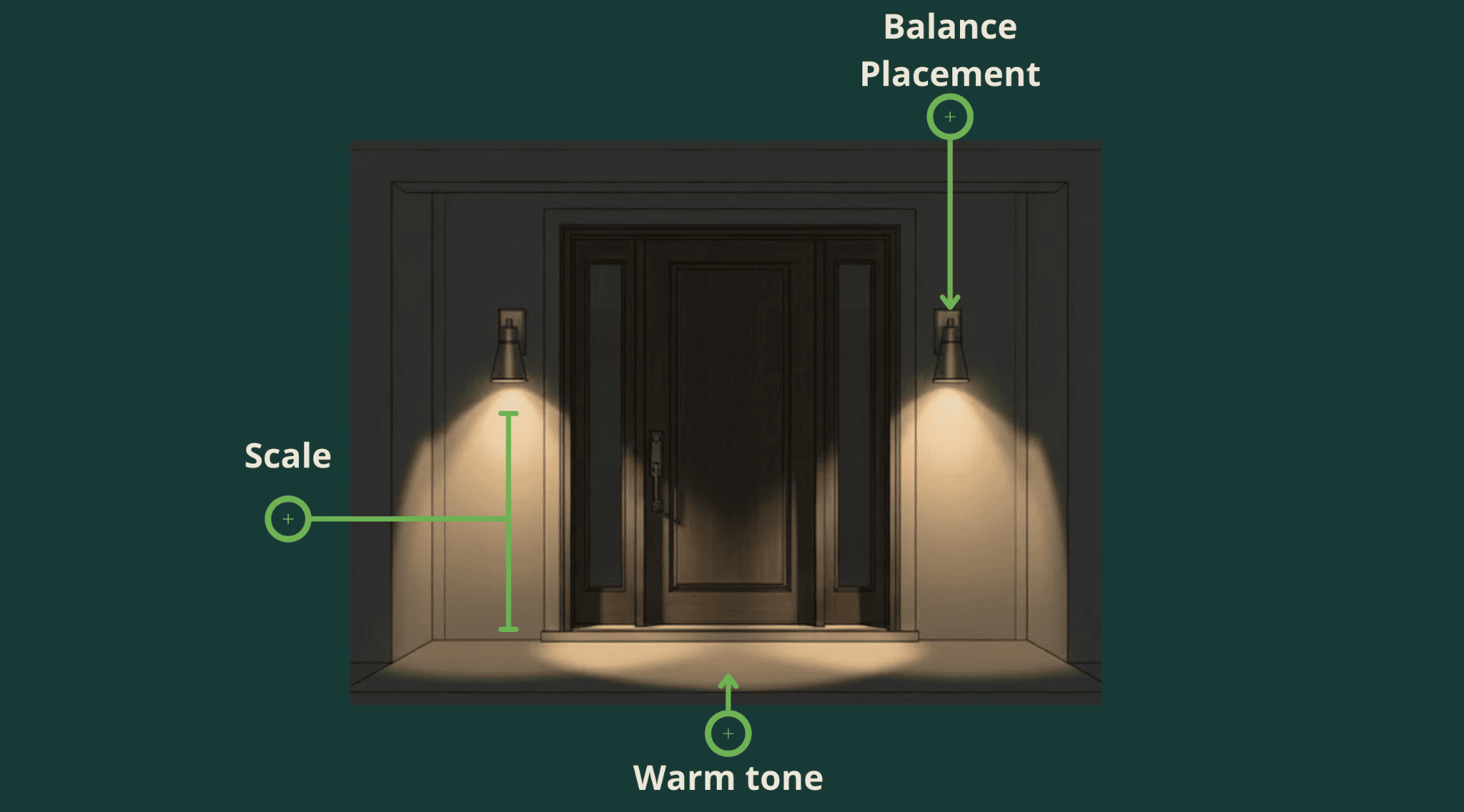
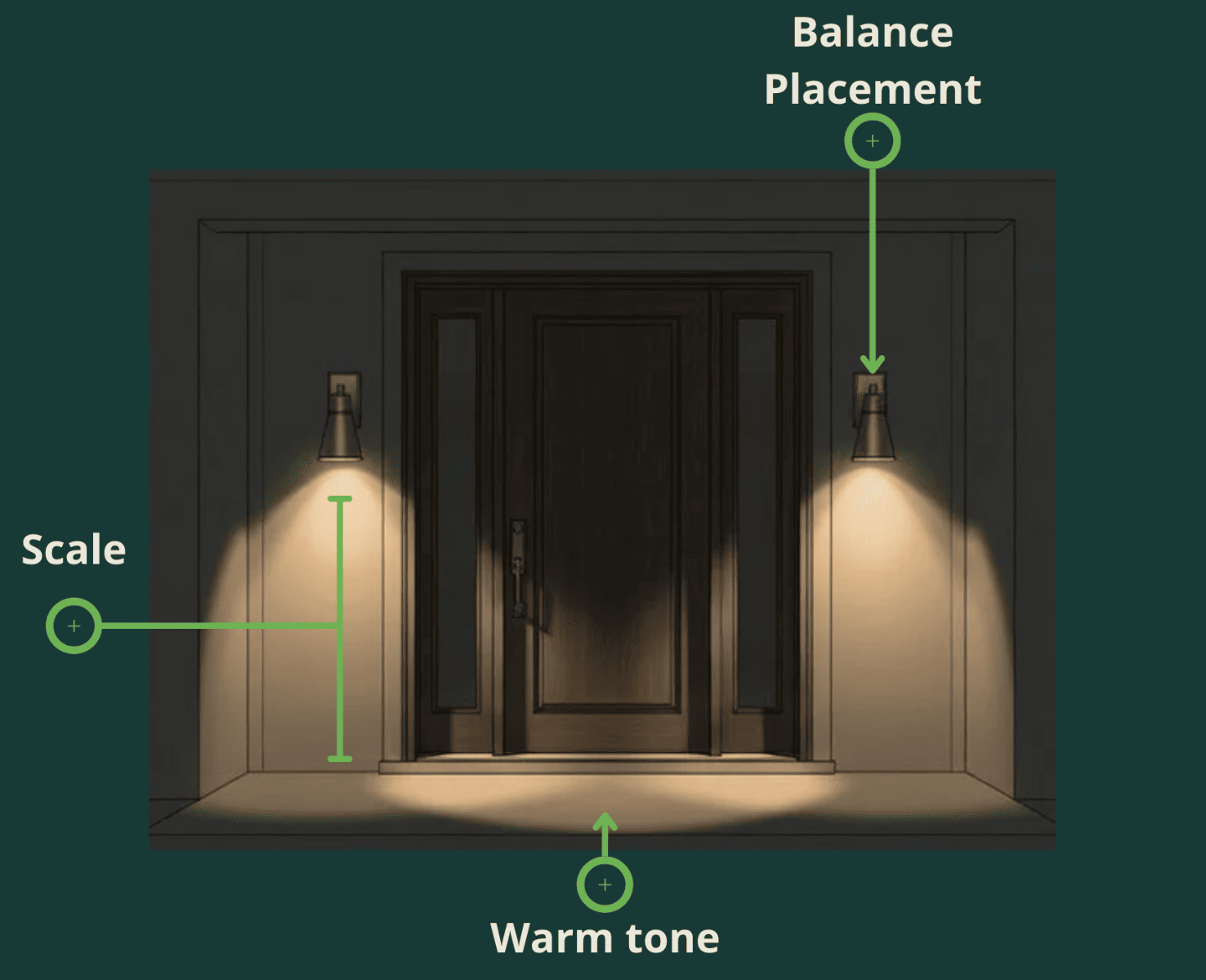
Porch and entry lighting is both practical and aesthetic. It improves visibility at the doorway while shaping how the entrance feels after dark. Common choices include wall sconces, a porch pendant, and motion-sensor fixtures—depending on what your entry can support.
Choose fixtures that feel proportionate to the door and porch footprint so they don’t read as undersized or visually weak against the façade.
When the layout allows, paired lights create a more intentional architectural look and provide more even illumination across the threshold.
Warm white lighting is the standard for inviting entries. Aim for the 2700K–3000K range to create a glow that feels sophisticated rather than clinical.
The Safety Perspective
Prioritize lighting that supports clear visibility at the doorway and along the approach, enhancing aesthetics without turning the entrance into a security-focused project.
Small vs large entryways
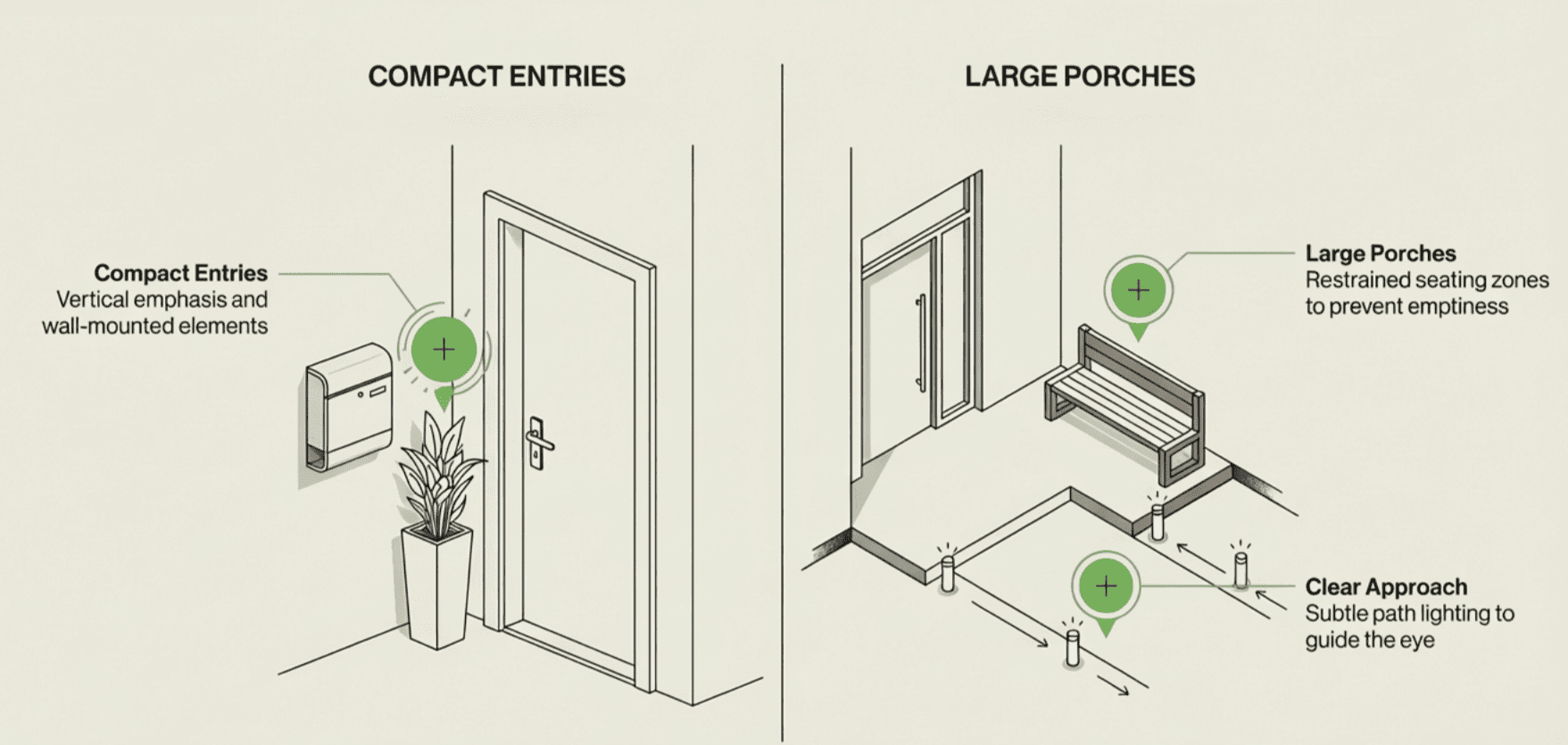
If your entry is small
Use vertical space and wall-mounted elements to add style without consuming floor area. Keep the focal point readable by avoiding crowding near the door.
If your porch is large
Create one simple zone—often a seating area—then keep the rest layered but restrained so the space feels welcoming rather than busy.
Micro callouts
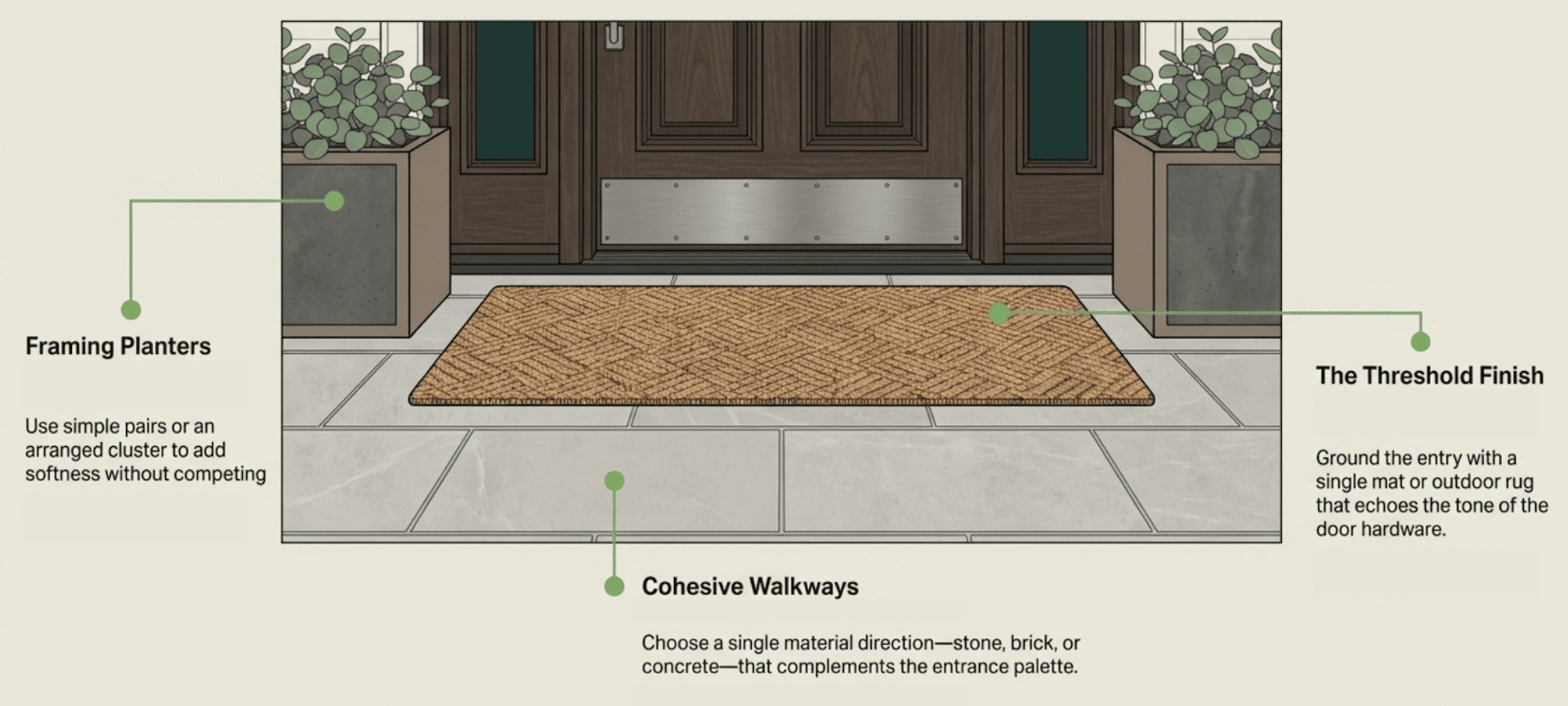
Landscaping — Quick Wins
- Add one or two potted topiaries to frame the entry.
- Refresh containers so the entrance feels intentional, not random.
- Keep plant choices simple so the door remains the focal point.
Walkways & Hardware
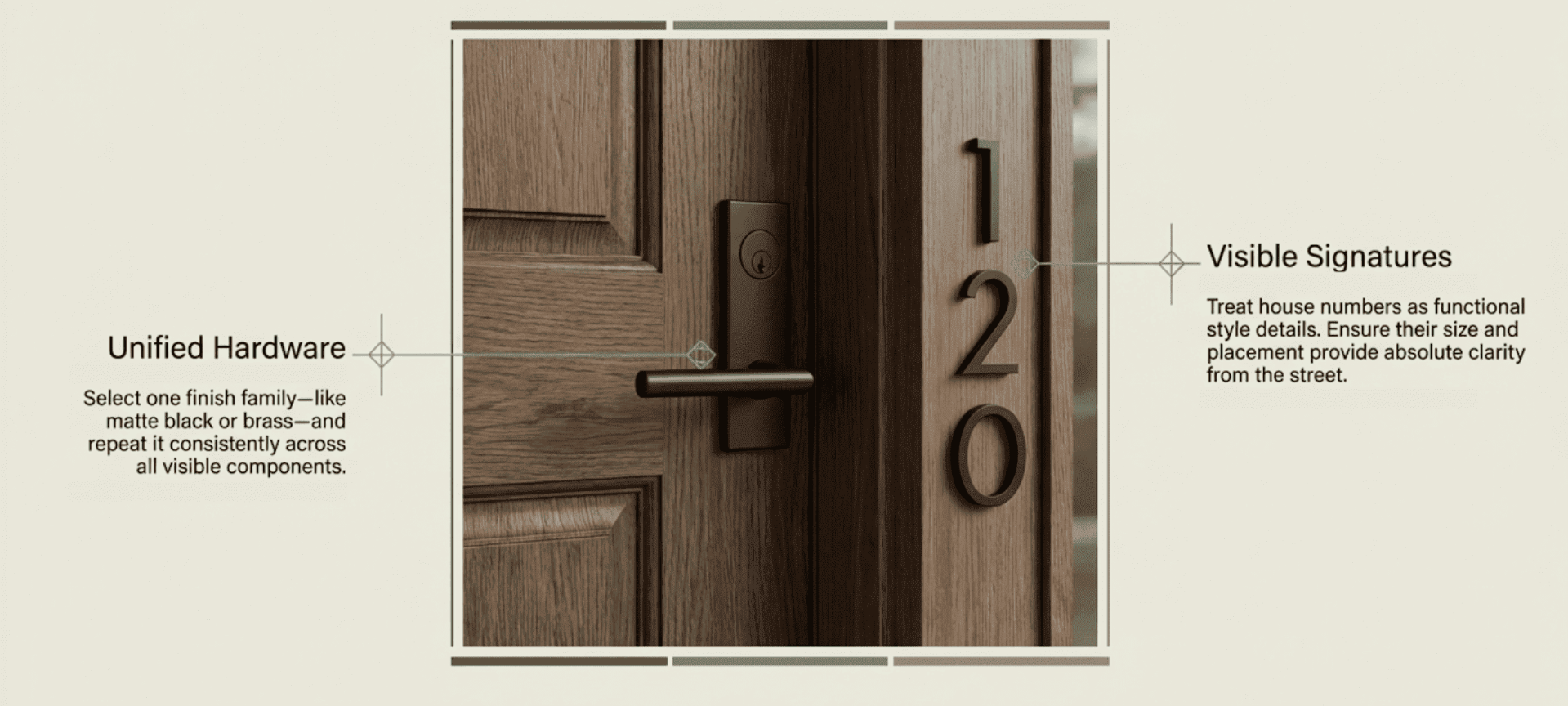
Walkways: Use pavers, stone, or concrete that complements your palette.
Finishes: Select one finish family (e.g., Matte Black or Brass) and repeat across all hardware for cohesion.
Energy Efficiency
- Weatherstripping seals air gaps around movable components.
- Insulated foam cores in fiberglass doors reduce thermal transfer.
- Tighter sealing helps reduce drafts, though no system is air-tight.
Security Note
Improved visibility and lighting support everyday confidence. While smart locks simplify entry, a welcoming, well-lit threshold remains the priority.
Related links
Closing
If you want the fastest entrance upgrade, begin with the door as the focal point, then complete the look with balanced lighting and simple framing elements so the entire zone reads as one cohesive composition.
When you’re ready to take the next step, explore the door collections or use the choosing guide to narrow your direction with confidence.
FAQ
Highly visible changes—such as refreshing the door surface, improving lighting, and adding paired framing elements—tend to create the quickest visual lift.
Create one obvious pair, such as matching planters or matching lights, then remove anything that competes with the door as the focal point.
A door upgrade is widely treated as a high-impact change because the door serves as the visual anchor of the entrance.
Sidelights can introduce natural light and strengthen the entrance composition. They are often most appropriate when there is enough horizontal space to support a wider layout.
Color works best when coordinated with the surrounding exterior palette. Lighter, clean tones can help the entrance feel brighter and more open at a glance.
Start with sealing. Weatherstripping helps reduce air gaps around doors. While it won’t eliminate leakage entirely, tighter sealing can help reduce drafts.