

How to Choose a Wood Entry Door
- By Shayan Behjati
- Jul 13, 2026
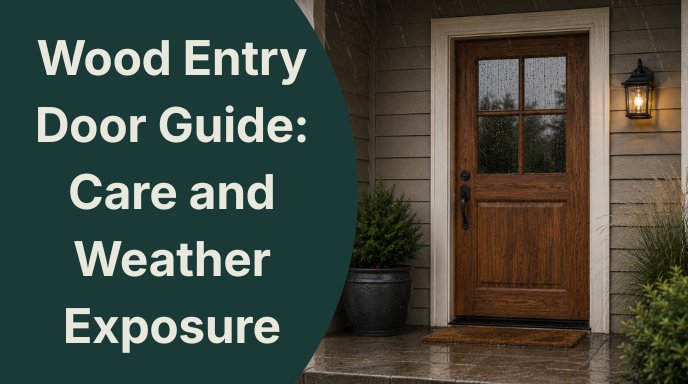
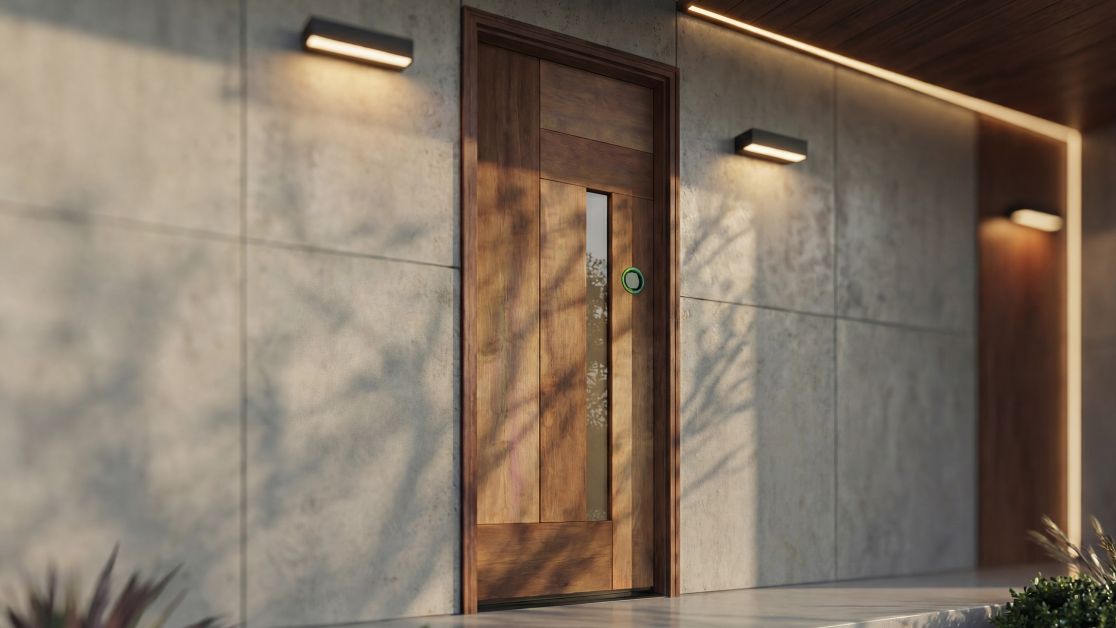
A wood entry door can give the front of a home a warm, natural look. It is often chosen when the homeowner wants an entry door with more visible character than a lower-maintenance material.
Wood also comes with ownership expectations. It is not a maintenance-free material, and exterior conditions can affect how much attention the finish needs over time. Moisture, direct sun, humidity, and regular weather exposure all matter.
For many homeowners, the key question is whether the look, care routine, and exposure around the doorway fit the way the home will be used and maintained.
Why Homeowners Choose Wood Entry Doors
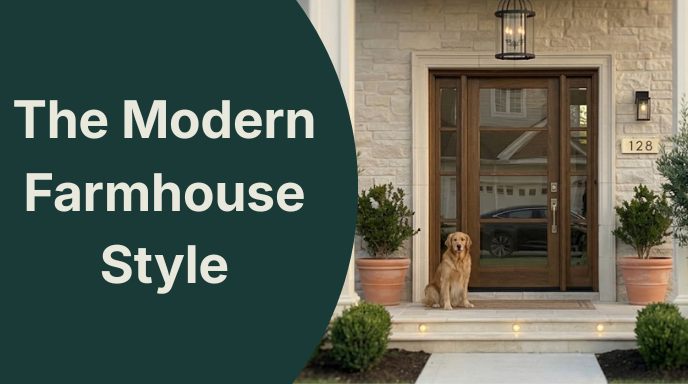
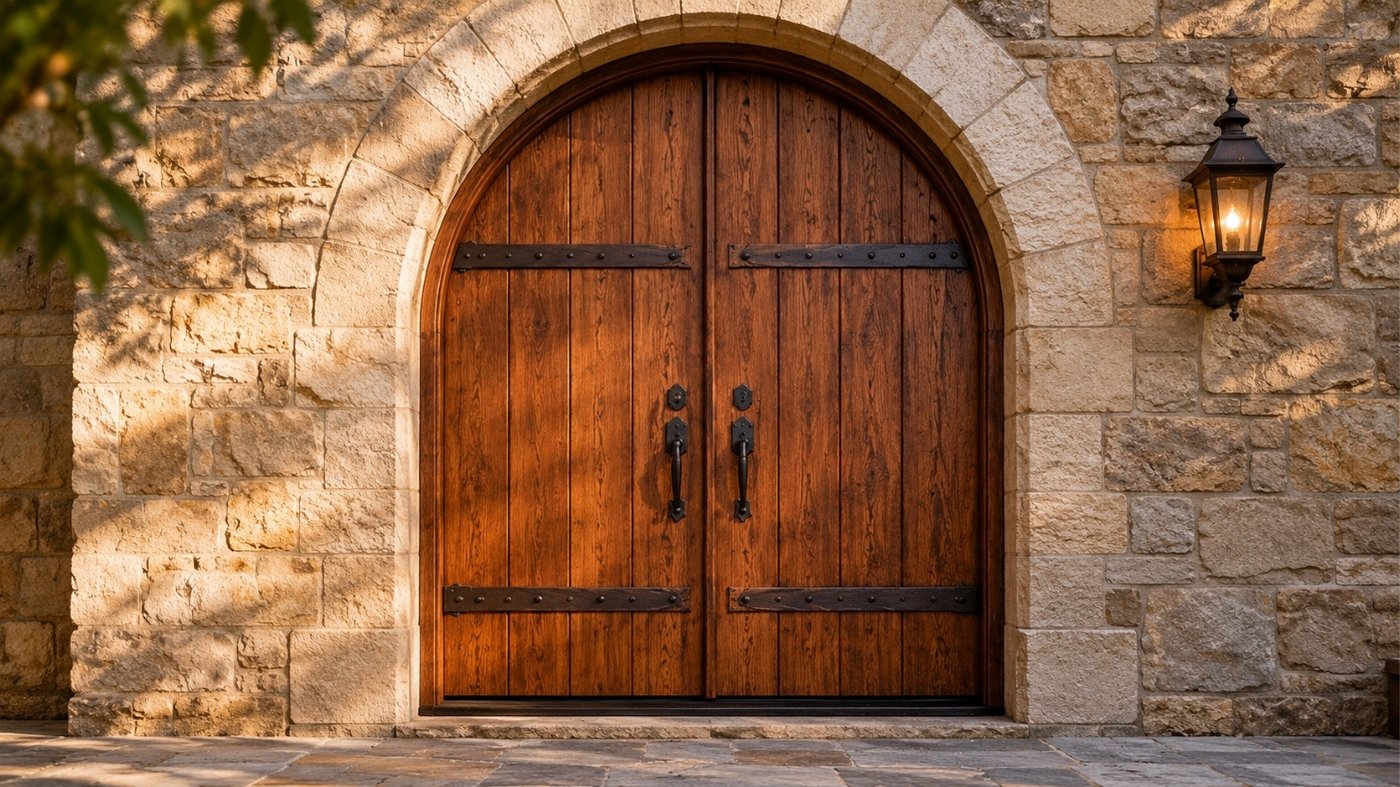
Homeowners often choose wood because it gives the entry a warm, natural character. A wood front door can feel traditional, refined, or rustic depending on the design of the home.
The appeal of wood comes from its surface, grain, finish, and overall presence. These qualities can make the entry feel more crafted than a purely practical door choice.
That said, wood should be approached as a material that rewards attention. The surface and finish need to be watched over time, especially in exterior conditions. When that expectation is clear from the beginning, a wood entry door can be considered for what it does especially well: adding warmth, texture, and character to the front entry.
Consider Weather Exposure Before Choosing Wood
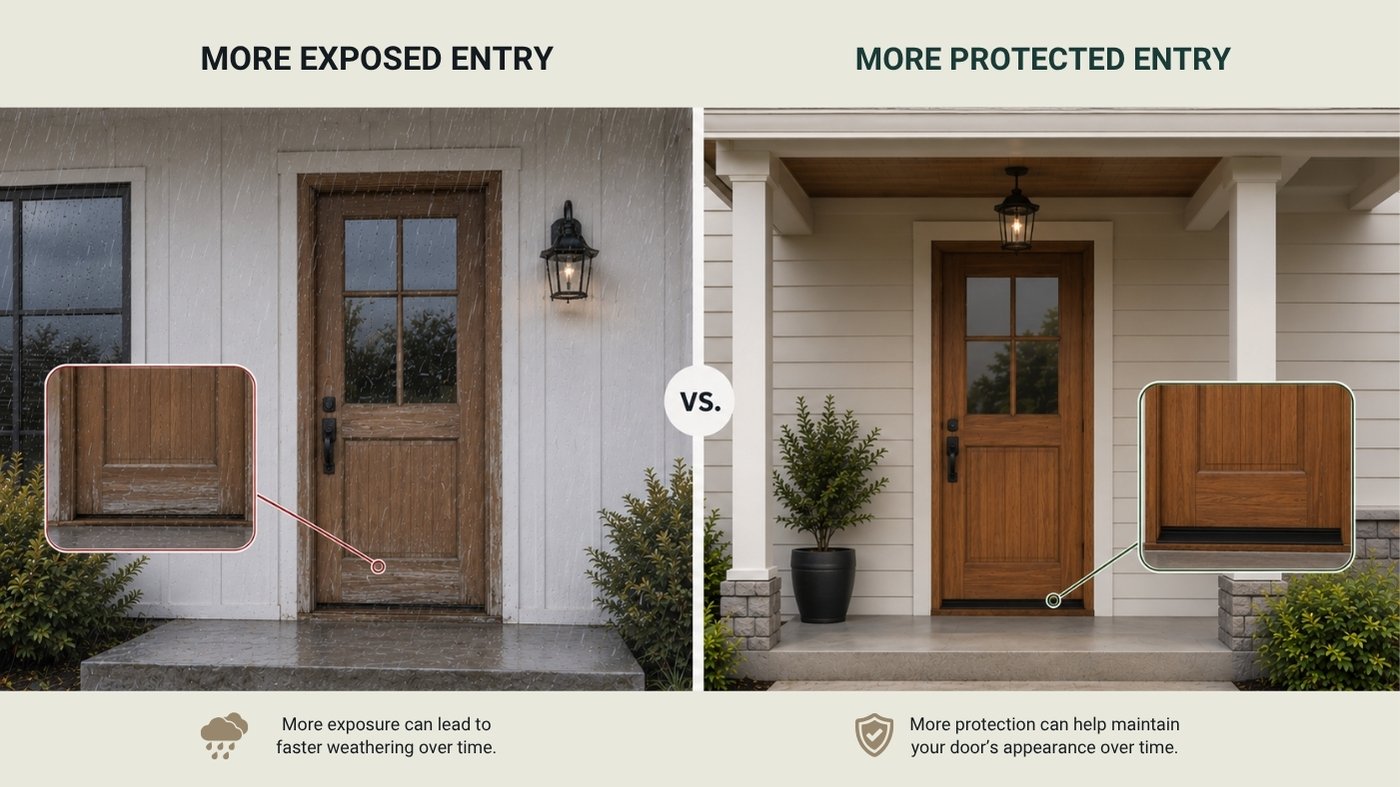
The conditions around the doorway can affect how a wood door performs over time. Moisture from rain, snow, humidity, or gaps can contribute to swelling, warping, finish wear, and in more severe cases, rot. Direct sunlight and ultraviolet exposure can also affect the finish, including fading, finish breakdown, or more frequent maintenance needs.
A protected entry may reduce direct exposure. For example, a doorway with overhead protection may receive less direct sun and rain than a fully exposed entry. However, care needs still depend on the door, finish system, climate, orientation, and local conditions.
A shaded entry in a humid climate may face different concerns than a sunny entry in a dry climate. The practical takeaway is to look at the actual doorway, not just the door material. Sun, moisture, airflow, and protection all shape how the door should be maintained.
Understand Wood Door Maintenance Expectations
A wood entry door usually needs more finish attention than a lower-maintenance material such as fiberglass, especially where moisture, sun, and regular exposure are factors. That does not mean every wood door follows the same maintenance schedule.
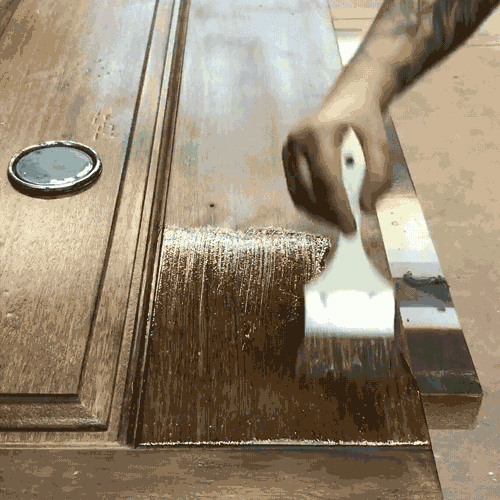
Recoating or refinishing timing can depend on exposure level, direct sunlight, harsh weather, finish type, and local climate.
Care starts with keeping the surface clean and watching for visible changes. Use mild soap and water with a soft cloth or sponge. Avoid abrasive cleaners and harsh chemicals, then dry the door after cleaning.
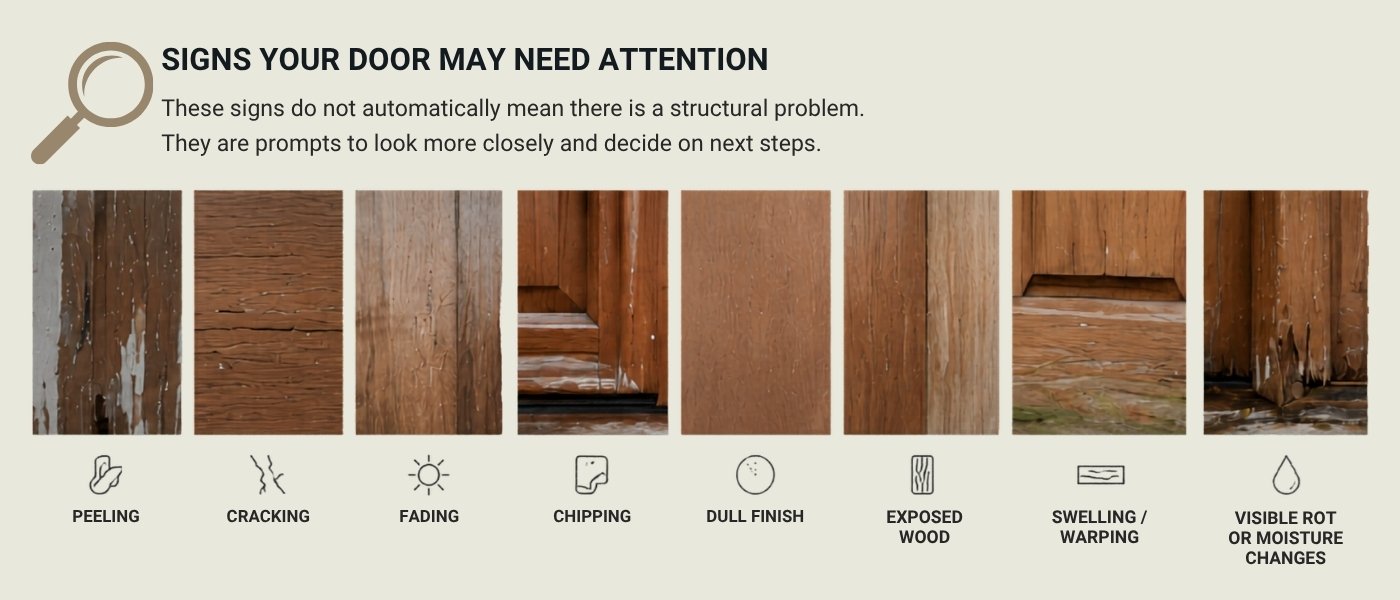
Peeling, cracking, fading, chipping, a dull finish, exposed wood, swelling, warping, visible rot, or moisture-related changes can all suggest that the door needs attention. These signs do not automatically mean there is a structural problem. They are prompts to look more closely, consider whether finish care is needed, and decide whether the condition should be evaluated by a professional.
Know When to Get Professional Help
Some visible changes can be handled as part of normal finish care, but more serious signs should be evaluated early.
Consider professional evaluation when a wood door shows visible rot, significant swelling or warping, sticking that affects operation, exposed wood, failed finish, or water-related deterioration.
These conditions can overlap with normal wear, exposure issues, finish failure, or moisture concerns. A professional can evaluate the door in context, so the homeowner does not have to guess at the cause or attempt repair steps.
Compare Wood with Lower-Maintenance Options
Wood is often chosen for warmth, character, and natural appearance. Fiberglass can be considered when lower maintenance and better moisture resistance are higher priorities in exterior conditions.
If the homeowner wants the look and ownership experience of wood, the main focus should be finish care, exposure, and timely attention to visible changes. If lower maintenance is the deciding factor, it may be worth reviewing broader exterior door material options.
Related Guides and Categories
Use these resources when you are ready to compare door options:
This guide explains wood door care and exposure expectations. The category pages are better suited for browsing door options.
FAQ
Yes. Wood entry doors can be a good choice when warmth, character, and a natural entry look are priorities. They should be chosen with clear expectations for finish care and weather exposure.
Yes. Exterior wood doors generally need more finish attention than lower-maintenance materials, especially when exposed to moisture, sun, and regular weather.
Moisture and sunlight are the main concerns. Rain, snow, humidity, gaps, direct sun, and UV exposure can affect the finish and may contribute to swelling, warping, fading, or more frequent care needs.
Peeling, cracking, fading, chipping, a dull finish, exposed wood, swelling, warping, visible rot, or moisture-related changes can signal that the door needs attention. Sticking, rot, exposed wood, or water-related deterioration should be professionally evaluated.
Use mild soap and water with a soft cloth or sponge. Avoid abrasive cleaners or harsh chemicals, then dry the door after cleaning. Follow any care guidance available for the specific door or finish.
Fiberglass is often considered when lower maintenance and moisture resistance are priorities. Wood may still be preferred for warmth, character, and natural appearance, but it generally requires more finish attention.