Door Glazing: What It Means and How to Choose the Right Glass for Your Door
-
 By Shayan Behjati
 - Aug 22, 2023
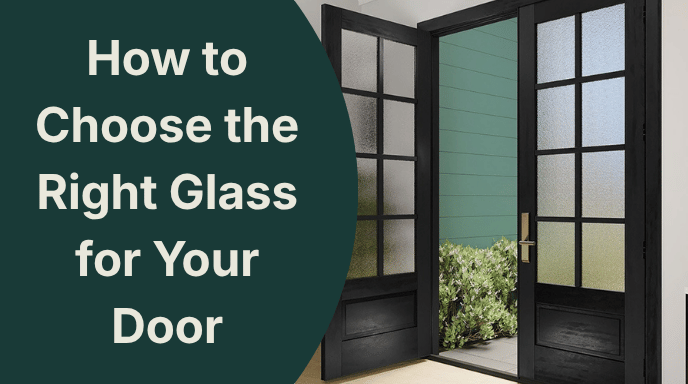
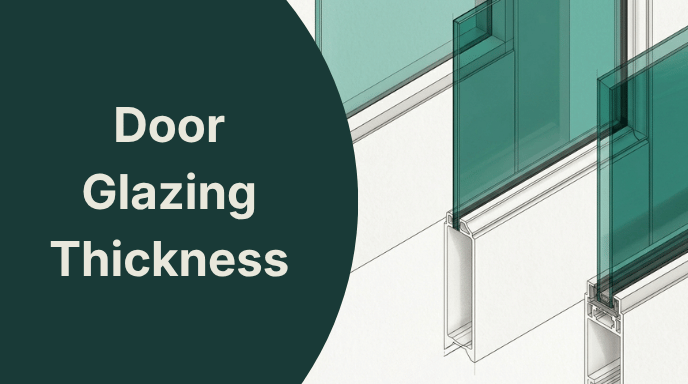
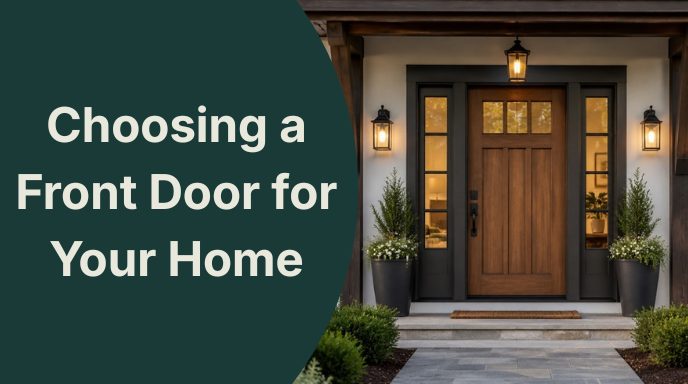
Door glazing refers to the glass installed within a door, along with the system that holds and supports it. In practical terms, it includes glass used in entry doors, sidelites, patio doors, and interior doors with glass panels.
Your glazing choice shapes everyday experience: how much light enters, how private the space feels, how the glass behaves if impacted, and how comfortable the area near the door feels over time.
Start with the outcome that matters most—comfort, privacy, safety, sound control, or budget—then match that to the right glazing type.
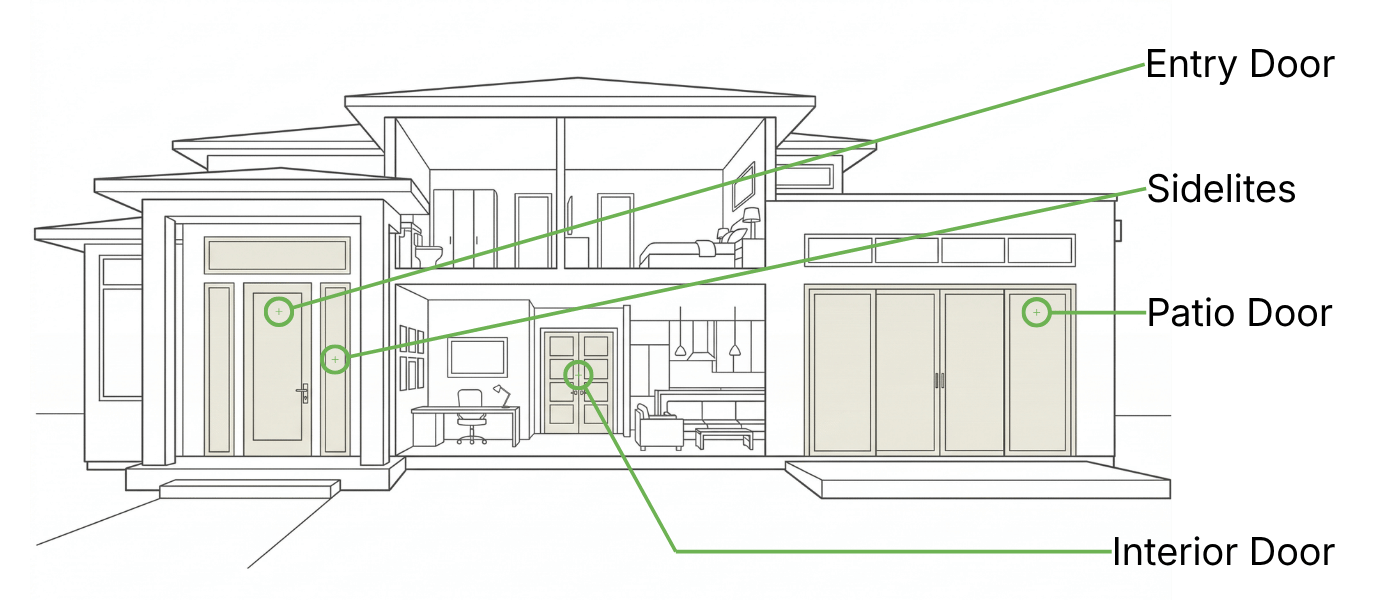
Where You’ll See Glazing on Doors
Glazing appears in several common door setups, and each one shifts what matters most:
privacy, visibility from the street, and comfort near the entry often matter most
added light can make the entry feel more open, but also more exposed
larger glazed areas make sunlight, comfort, and outside noise more noticeable
light-sharing and privacy usually matter more than insulation
Glazing Types for Doors: Single vs IGU vs Laminated
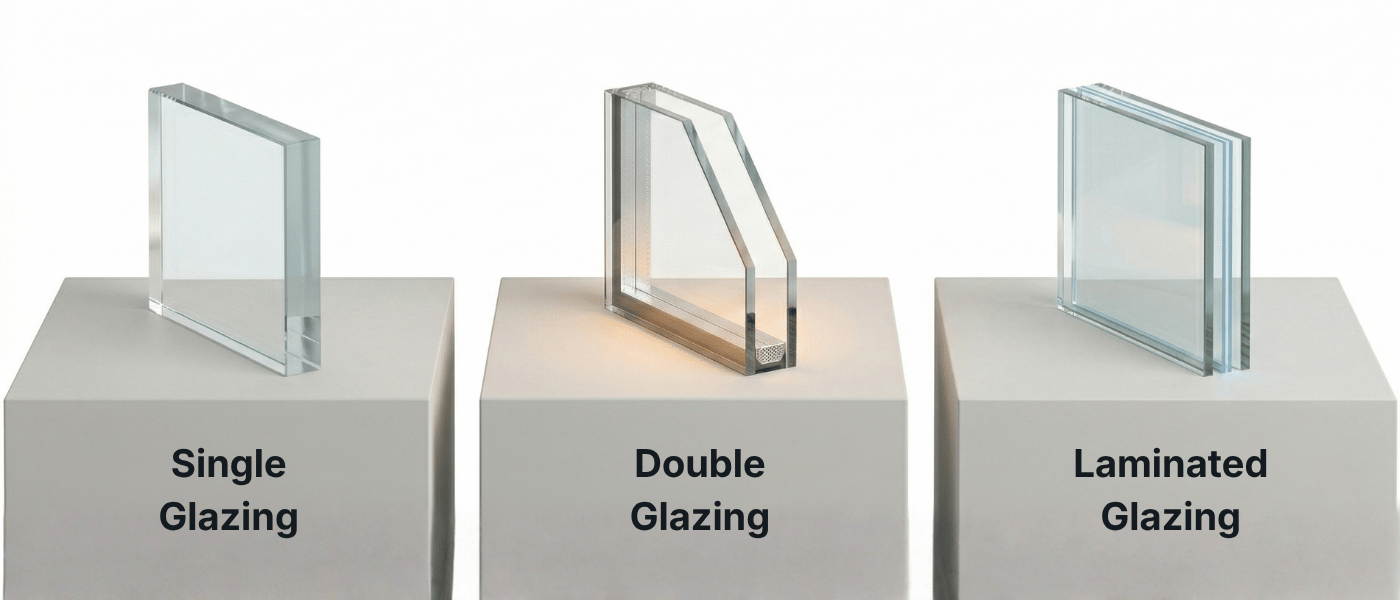
Single glazing uses one piece of glass. It is the simplest build and serves as the baseline when comparing other options.
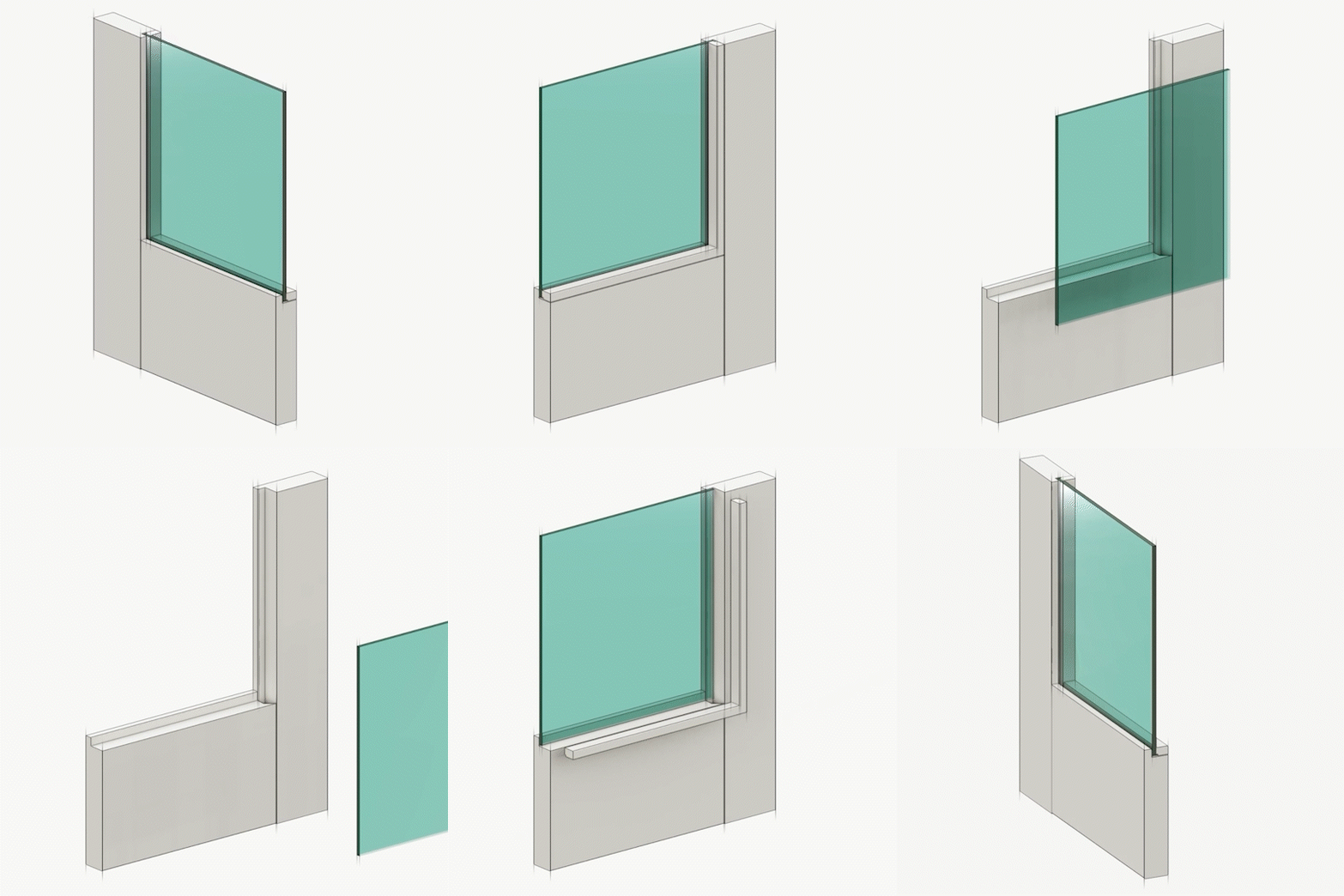
Best for
- interior doors where insulation is not the priority
- straightforward glass designs without layered builds
Tradeoffs
- less effective at improving comfort near exterior doors than insulated glass
- privacy depends mostly on glass style, such as clear versus frosted
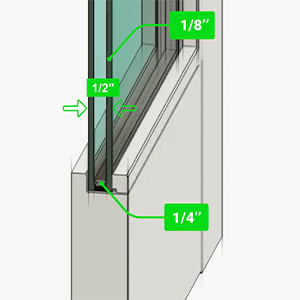
An insulated glass unit uses two panes of glass separated by a sealed airspace. This build helps reduce heat transfer, which can make areas near the door feel more stable in both hot and cold weather.
Think of it like a sandwich: two layers of glass on the outside, with a sealed airspace in between.
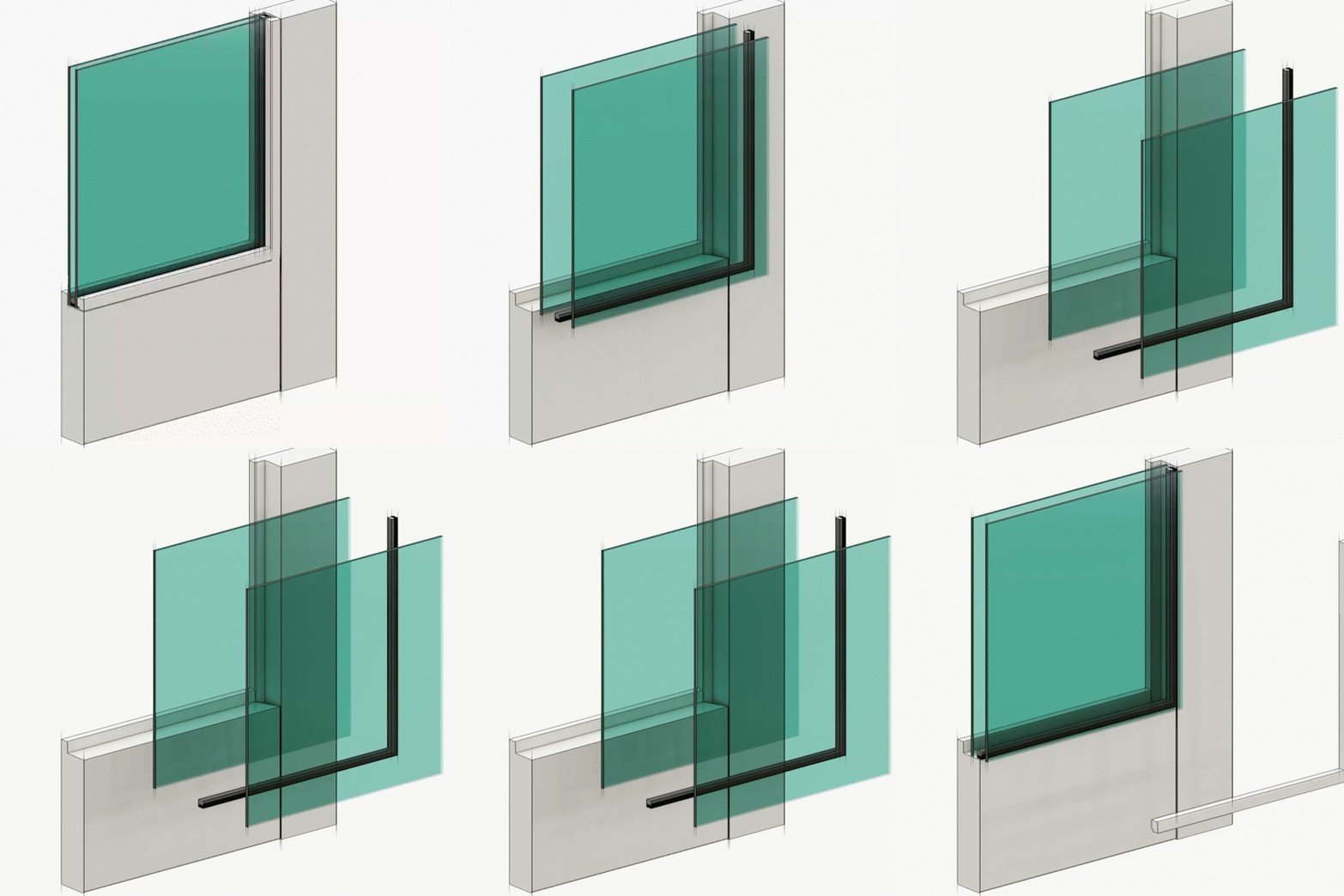
Best for
- exterior entry doors where temperature differences are noticeable
- patio doors or larger glazed areas where comfort matters
Tradeoffs
- fog between panes usually points to a seal issue, not normal surface moisture
- cost often increases with added features such as coatings or gas fills
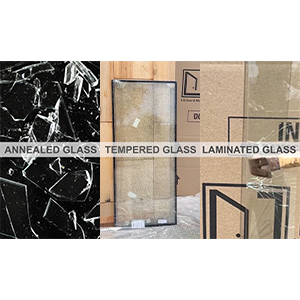
Laminated glass is made by bonding two pieces of glass with a clear plastic layer in between. If the glass breaks, the pieces tend to stay attached to that layer instead of falling apart.
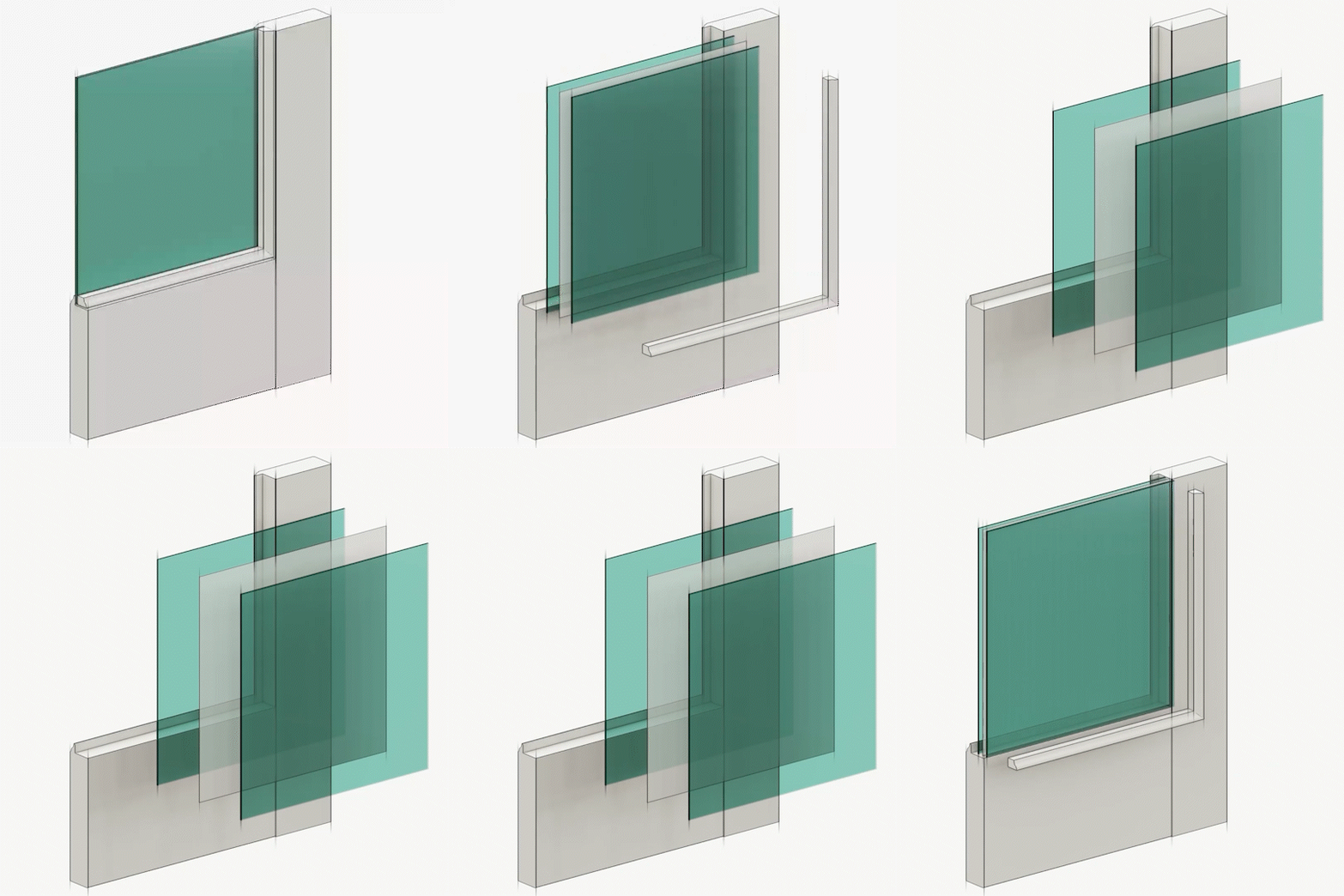
Best for
- doors where you want the glass to stay more intact after impact
- locations where outside noise is a concern
- areas with strong sun exposure where fading may matter
Tradeoffs
- can increase cost depending on build and size
- is usually selected for a specific performance reason rather than as a default upgrade
Safety Glass for Doors
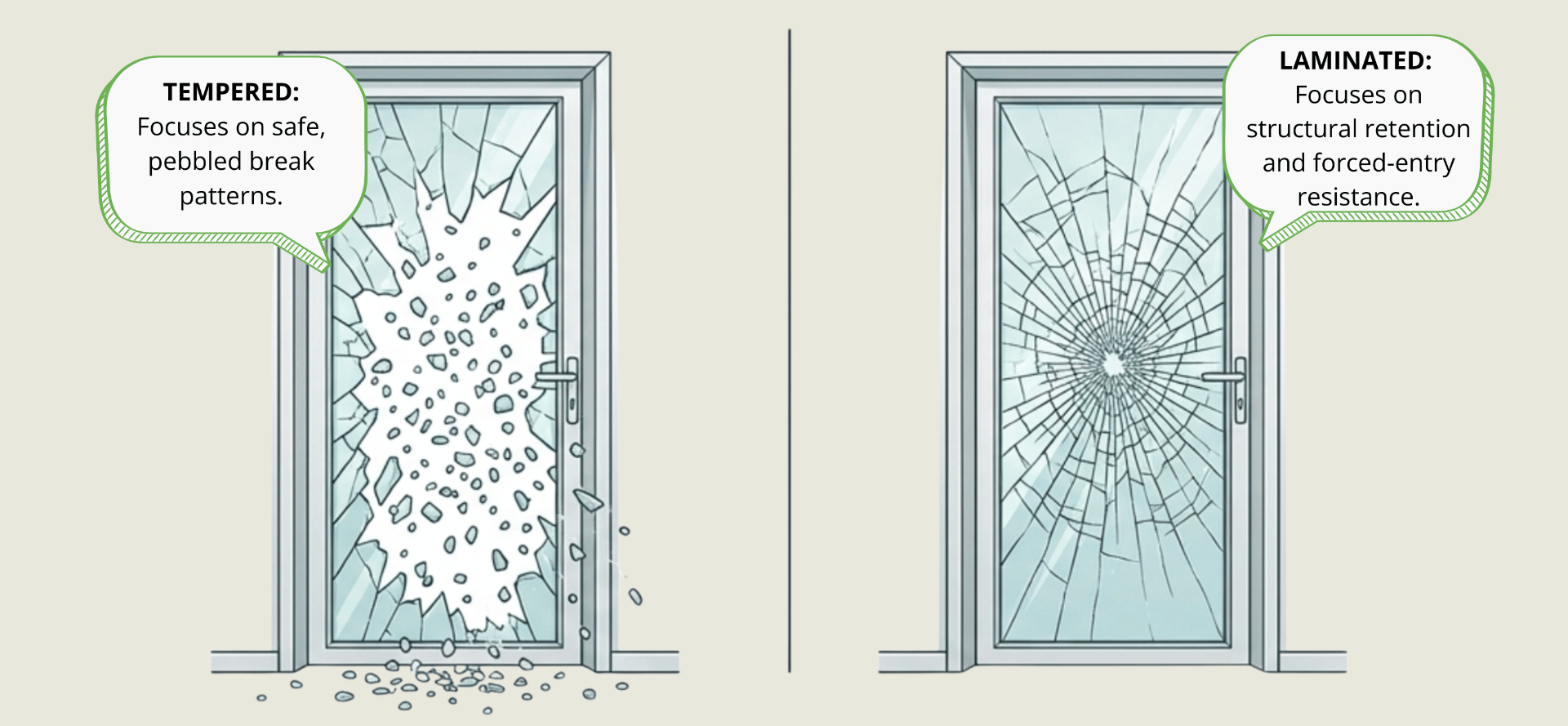
Safety glazing refers to how glass is designed to behave when it is impacted, especially in areas where people are likely to come into contact with it.
In many door locations, safety glazing is not optional. Entry doors, sidelites, and larger glazed panels often need glass that reduces the risk of injury if broken.
- Tempered glass: breaks into small pieces instead of sharp shards
- Laminated glass: stays more intact after impact, helping maintain a barrier and reduce fall-through risk
Requirements vary by location, so it is worth confirming what your door system or local guidelines expect before finalizing your choice.
What Homeowners Notice Most
Comfort Near the Door
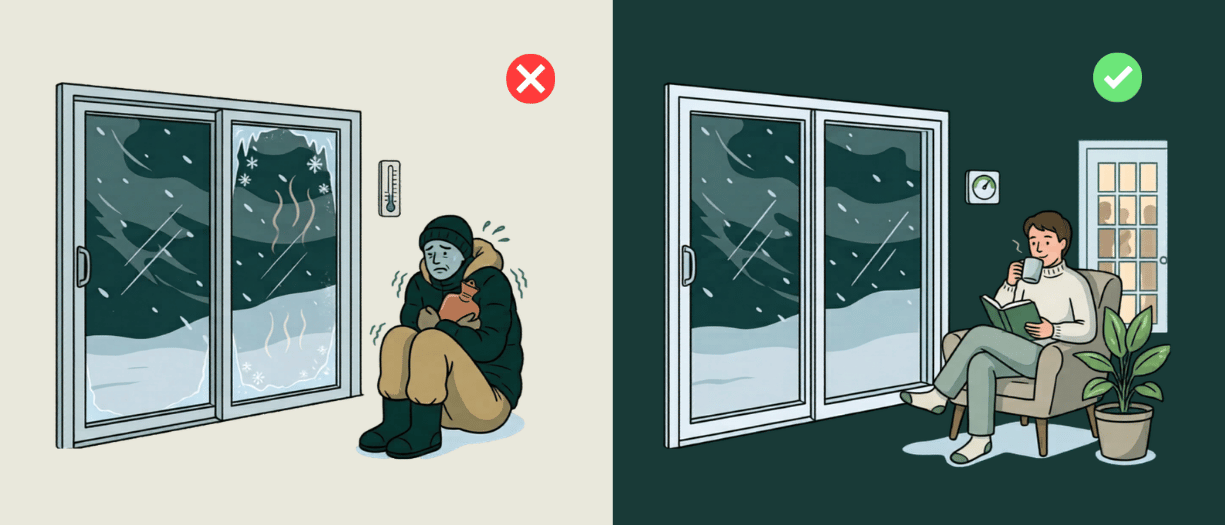
Areas near exterior door glass can feel warmer or cooler depending on the weather, sun exposure, and the size of the glazed area. These differences are usually more noticeable on entry doors with larger lites and on patio doors with broader glass panels.
If comfort matters, an insulated glass unit is usually the first option to evaluate. It helps reduce temperature swings compared with single-pane glass. For interior doors, thermal performance is usually less important, so light-sharing and privacy tend to take priority instead.
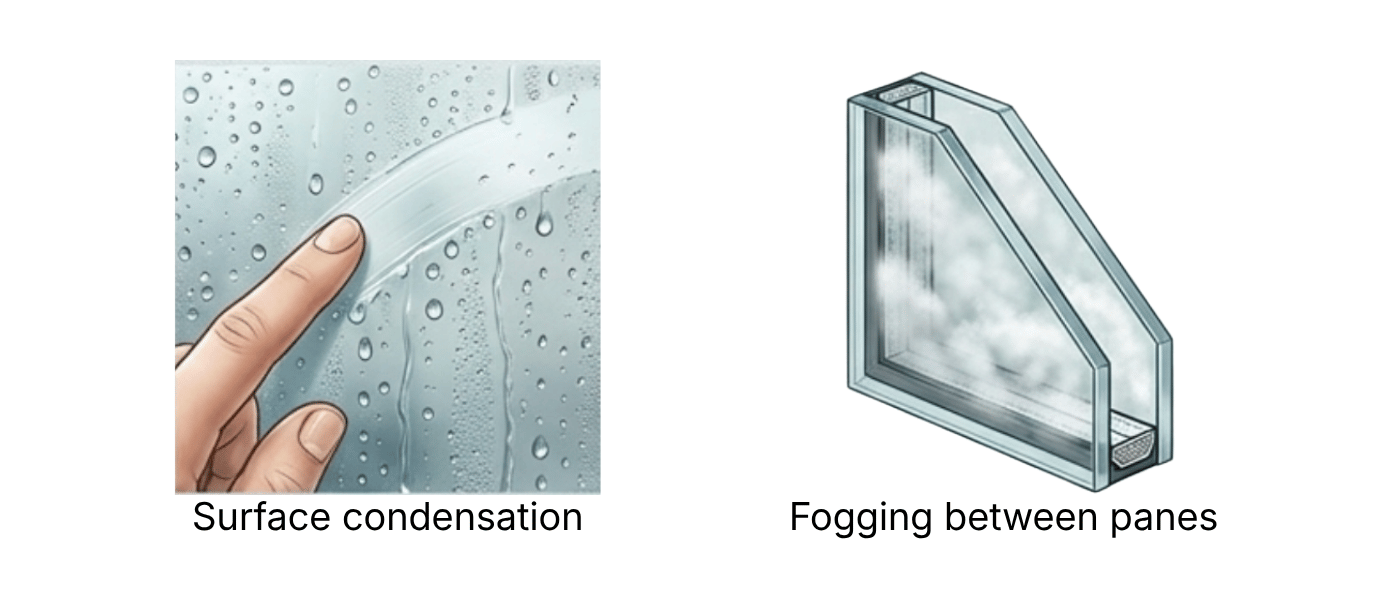
Condensation and Fogging
Not all moisture on glass means the same thing.
Surface condensation: usually forms on the room side of the glass and is linked to indoor humidity
Fogging between panes: usually means the seal inside an insulated unit has failed
If you are choosing an IGU, this distinction matters. Surface moisture is typically an indoor humidity issue, while fogging between panes points to a failed sealed unit.
Noise Near the Door
Noise becomes more noticeable when a door faces traffic, sidewalks, shared outdoor areas, or other steady sound sources. Larger glazed areas, such as patio doors, tend to make this more apparent.
If outside noise is a concern, laminated glass is usually the option worth evaluating first. It can help reduce unwanted sound compared with standard glass, although the full door system still affects the overall result.
UV Exposure and Fading
Sunlight near glazed doors can contribute to fading over time, especially when flooring, rugs, artwork, or furniture sit close to the glass.
If fading is a concern and the door receives strong direct sun, laminated glass is worth considering because it can reduce UV exposure significantly. If sun exposure is limited, comfort and privacy usually take priority.
How to Choose Door Glazing by Location and Priority
Comparison table: single vs IGU vs laminated
| Criteria | Single Glazing | IGU (Double Glazing) | Laminated Glazing |
|---|---|---|---|
| Cost | Usually the simpler build, though price still varies by size and decorative options | Usually higher because the build is more complex and may include added features | Varies by build, size, and performance goal |
| Insulation | Baseline option for comparison | Best starting point when reducing heat transfer is a priority | Usually chosen for other priorities first, then evaluated within the full build |
| Sound | Limited sound-control benefit in this guide | May help depending on the full configuration | Often considered when reducing unwanted sound is a priority |
| Security | Depends on the safety glass type used | Depends on the safety glass type used | Often chosen when you want the glass to stay more intact after impact |
| Weight | Usually lighter than more complex builds, but exact weight still depends on size and glass type | Heavier than single glazing because it uses a multi-pane sealed unit | Weight varies by build and thickness, so check product specifications for the exact configuration |
| Best use | Interior doors or simpler glass needs where insulation is not the main driver | Exterior doors where comfort near the glass matters | Situations where impact retention, sound reduction, or UV control are stronger priorities |
Quick picks
choose IGU
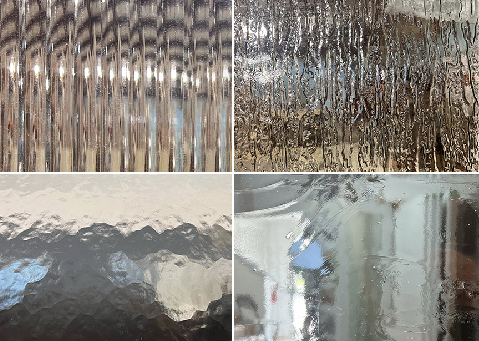
choose frosted or textured glass
consider laminated
choose laminated
evaluate laminated in high-sun areas
start simple and add only what matters
FAQ
Door glazing refers to the glass installed in a door, along with the system that holds it in place. It applies to entry doors, sidelites, patio doors, and interior doors with glass panels.
It is most commonly used in entry door panels, sidelites, patio doors, and interior doors. The location matters because it changes what you prioritize, such as privacy, comfort, or light.
Yes. Insulated glass is used to reduce temperature differences near exterior door glass. It is especially helpful in entry and patio doors where the glazed area affects how the space feels.
It usually indicates a seal failure inside an insulated glass unit. This is different from surface condensation, which is caused by indoor humidity.
Consider laminated glass when you want the glass to stay more intact after impact, or when noise and UV exposure are concerns. It is typically chosen for performance rather than appearance.
Yes. Glass in doors and nearby areas is often treated as a location where human impact is more likely, so safety glazing may be required depending on the application and local code.
Yes. They increase privacy while still allowing daylight into the space, with the exact balance depending on the pattern.